Owning a hybrid car can be an appealing choice for those looking to reduce their carbon footprint while enjoying fuel efficiency. However, understanding the long-term costs associated with hybrid vehicles is essential for making an informed decision. From maintenance expenses to insurance premiums, several factors contribute to the overall financial picture of owning a hybrid car.
Maintenance and Repair Expenses
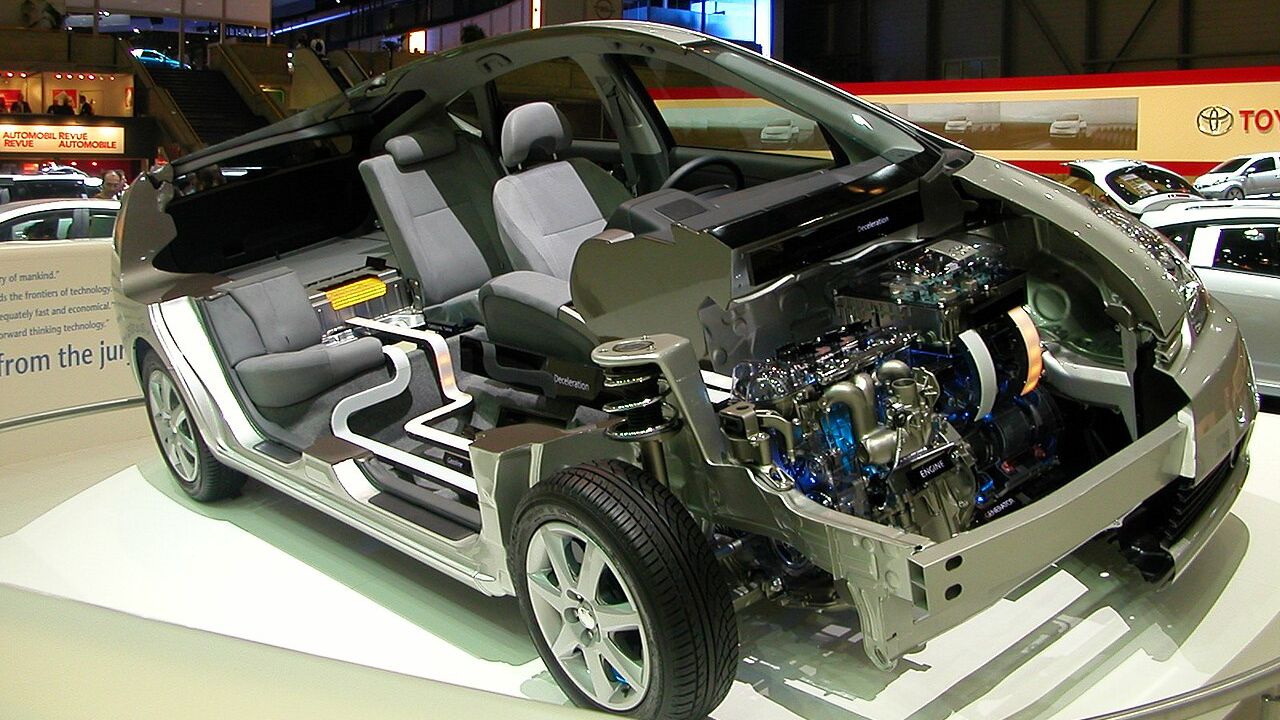
Maintenance and repair costs for hybrid vehicles can be a mixed bag. On one hand, hybrids often have fewer mechanical issues related to the engine, thanks to their electric components. However, when problems do arise, repairs can be more costly due to the complexity of hybrid technology. For example, replacing or repairing a hybrid-specific component, such as the regenerative braking system, can be pricier than similar repairs on a traditional gasoline vehicle.
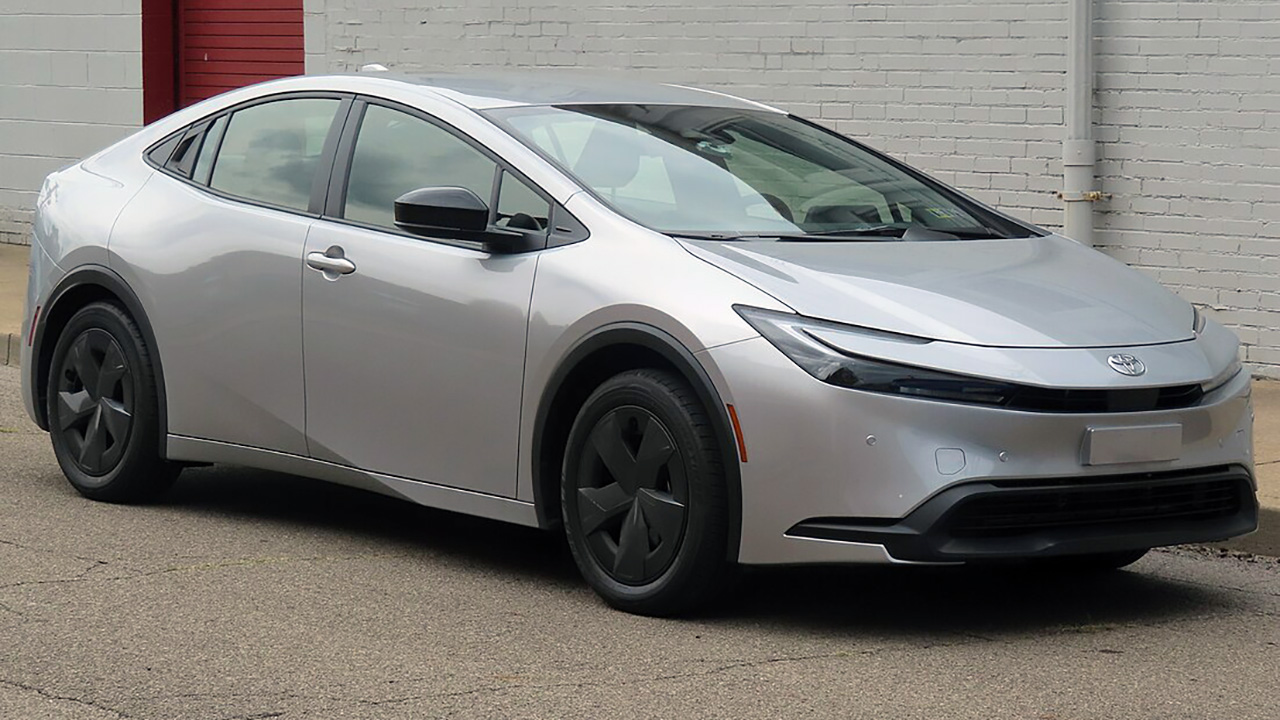
Moreover, finding specialized mechanics who are equipped to handle hybrid repairs can sometimes be more challenging, depending on your location. Regular maintenance tasks like oil changes may cost the same, but it’s essential to factor in potential higher costs for specialized care. Popular hybrid models like the Toyota Prius have demonstrated reliability, but as the vehicle ages, some components may require more attention.
Battery Replacement Costs
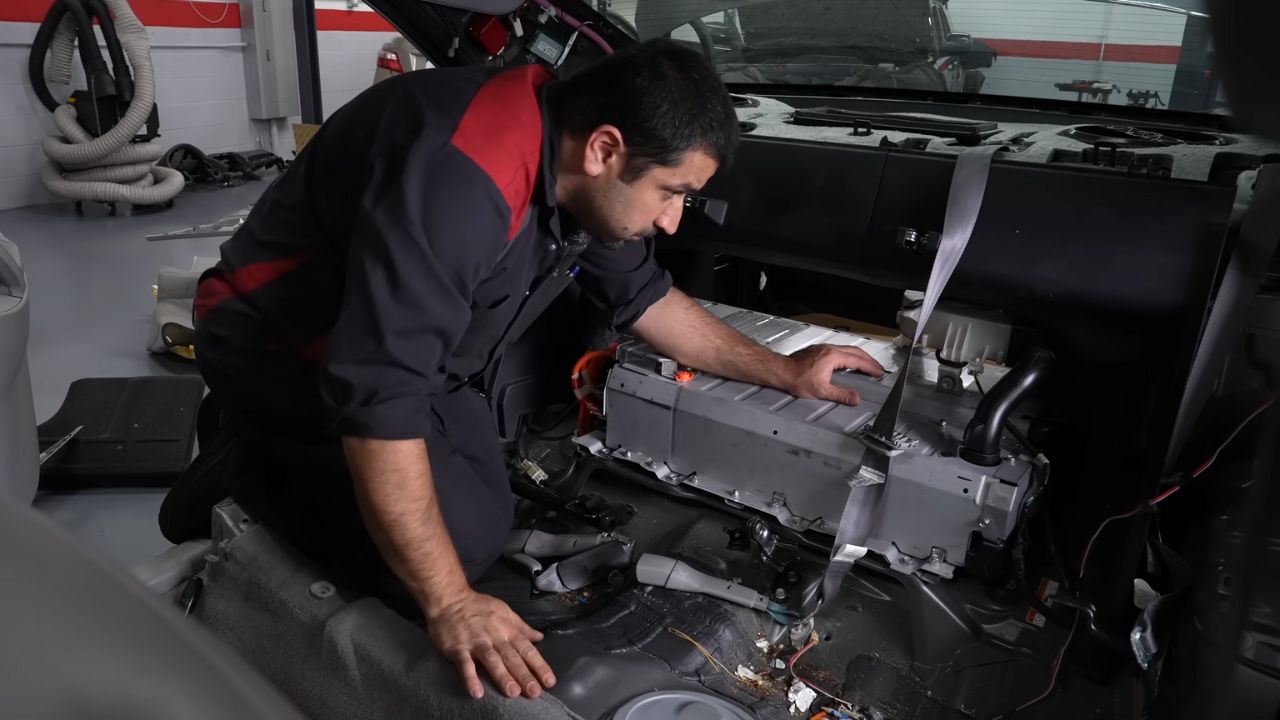
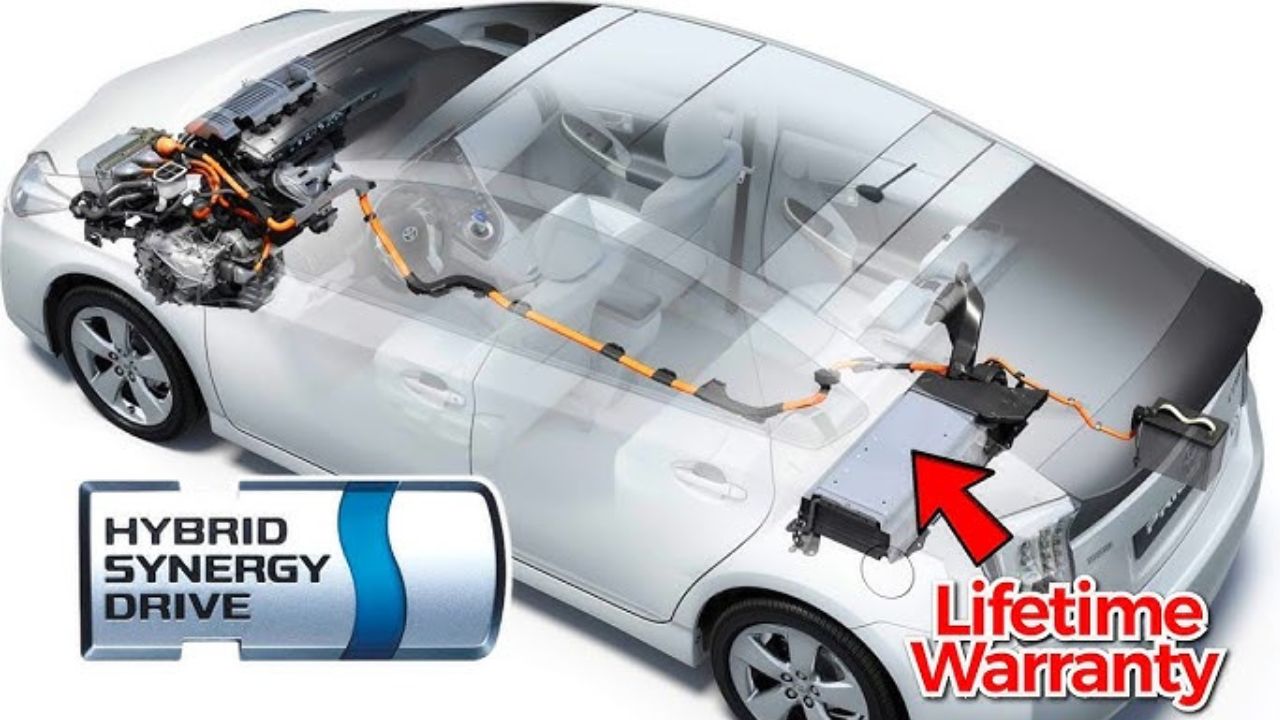
One of the biggest concerns for hybrid car owners is the cost of battery replacement. Hybrid batteries, which typically last between 8 to 10 years or around 100,000 to 150,000 miles, can be expensive to replace. For instance, the cost of replacing a battery in a Honda Civic Hybrid can range from $2,000 to $3,000. While this is a significant expense, it’s important to remember that battery technology is continually improving, and prices may decrease over time.
Many manufacturers offer warranties that cover battery replacements for a certain period, which can alleviate some financial concerns. It’s also worth exploring refurbished battery options, which can be more affordable. But, it’s crucial to weigh the benefits and potential risks of used batteries carefully.
Fuel Savings Over Time

Fuel savings are one of the most significant advantages of owning a hybrid car. Hybrids like the Hyundai Ioniq or the Ford Fusion Hybrid boast impressive miles per gallon (MPG) ratings, resulting in noticeable savings at the pump. Over time, these savings can add up, helping to offset other expenses associated with hybrid ownership.
For example, if you drive a Toyota Camry Hybrid, which averages around 52 MPG, compared to a conventional vehicle with a 30 MPG rating, the savings on fuel can be substantial, especially as gas prices fluctuate. With the potential to save hundreds of dollars each year, fuel efficiency is a significant factor in the overall cost-effectiveness of a hybrid vehicle.
Insurance Premiums
Insurance premiums for hybrid cars can sometimes be higher than those for traditional vehicles. This is often due to the higher repair costs associated with hybrid technology and the fact that hybrids tend to be newer and more expensive vehicles overall. The good news is that many insurance providers offer discounts for eco-friendly vehicles, which can help mitigate these costs.
Shopping around for insurance is key to finding the best rates, and it’s beneficial to inquire about any available discounts for hybrid car owners. Companies may offer incentives for features like advanced safety systems or lower emissions, both of which are typically associated with hybrids.
Depreciation Rates

The depreciation rate of hybrid vehicles can vary depending on the make and model. Generally, hybrids tend to hold their value well, thanks to increasing consumer demand for fuel-efficient and environmentally friendly vehicles. For instance, models like the Toyota Prius have shown strong resale values compared to some of their gasoline-only counterparts.
However, it’s important to note that newer technology and models entering the market can impact depreciation rates. Staying informed about market trends and choosing a hybrid with a proven track record can help minimize depreciation-related losses when it’s time to sell or trade in your vehicle.
Like Fast Lane Only’s content? Be sure to follow us.
Here’s more from us:
*Created with AI assistance and editor review.