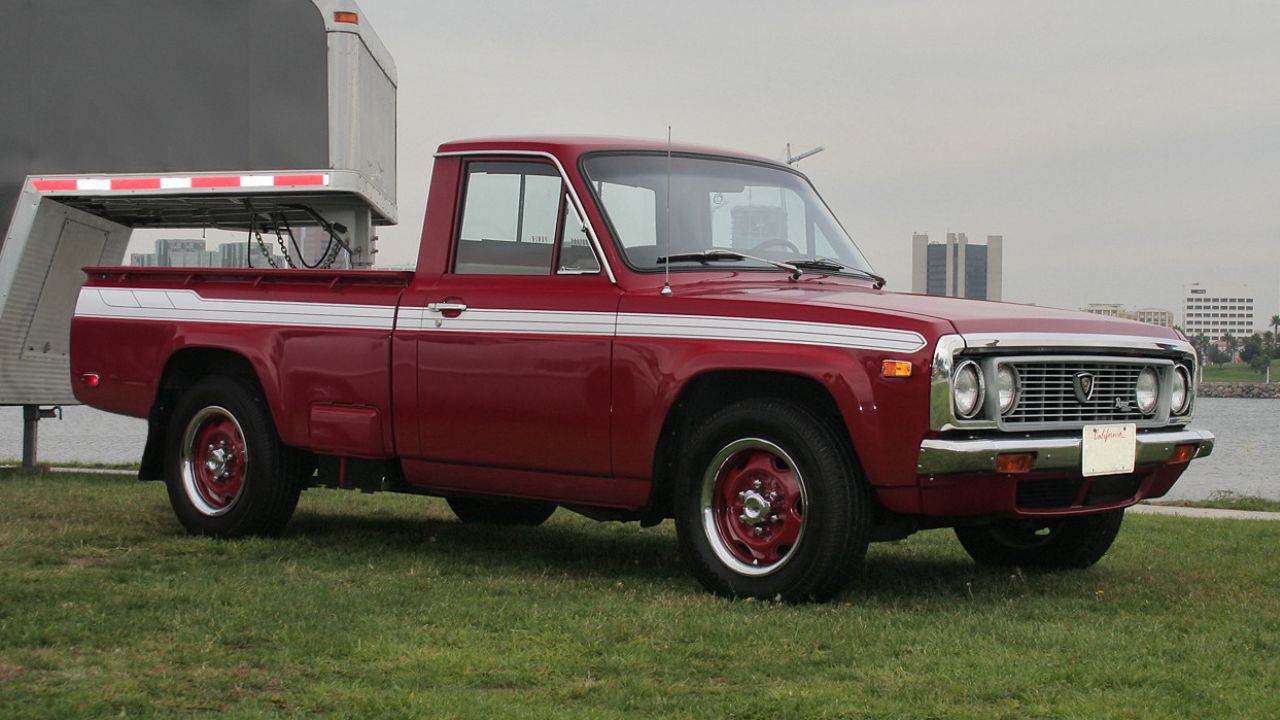
The 1971 Mazda Rotary Pickup, often referred to as the “Repu,” marked a bold move by Mazda into the realm of unconventional automotive design. This innovative vehicle showcased the company’s willingness to take risks, particularly with its unique rotary engine and pickup truck format.
Historical Context of the Mazda Rotary Pickup
In the early 1970s, the automotive landscape was characterized by a burgeoning diversity of vehicle types, as manufacturers sought to capture the attention of consumers with innovative designs and technology. The pickup truck segment, in particular, was experiencing rapid growth, driven by a rising demand for utility vehicles among both commercial and recreational users. Major players like Ford, Chevrolet, and Dodge dominated the market, offering traditional models with well-established reputations for reliability and performance.
Amid this competitive environment, Mazda made its entrance with the Rotary Pickup, a vehicle that diverged from conventional designs. The rotary engine, a hallmark of Mazda’s engineering philosophy, had been under development since the late 1950s. The company recognized the potential of this unique engine design to distinguish itself in the crowded pickup market. Mazda’s decision to introduce a rotary-powered truck was not just a gamble; it was a strategic move to enhance its brand identity and appeal to a niche market that valued innovation and novelty.
The Innovation of the Rotary Engine
The rotary engine, unlike traditional piston engines, operates using a triangular rotor that moves in an epitrochoidal motion. This design allows for fewer moving parts, resulting in a more compact and lighter engine. The advantages of the rotary engine in a pickup truck context were significant; it offered a smoother operation, higher power-to-weight ratio, and improved fuel efficiency compared to its piston counterparts. These features made the Rotary Pickup an attractive option for buyers looking for a vehicle that could balance performance with utility.
However, Mazda faced considerable challenges in promoting the rotary engine concept. Many potential customers were skeptical about the durability and reliability of a technology that was relatively unfamiliar to them. The company had to invest in marketing campaigns that emphasized the advantages of the rotary engine while addressing consumer concerns. Despite these hurdles, the innovative nature of the Rotary Pickup resonated with a segment of the market eager for something different, opening the door for Mazda to forge its identity as an automotive innovator.
Design Features of the Repu
The design of the Repu was a reflection of Mazda’s intent to create a vehicle that was both functional and visually appealing. The exterior featured simple, yet effective styling that emphasized its utility. The flatbed was practical for hauling goods, while the overall shape maintained a modern aesthetic that set it apart from more traditional pickups. The integration of a unique grille design and distinct color options helped the Repu stand out on the road, making it a recognizable presence in the automotive landscape.
Inside the cabin, Mazda focused on functionality without sacrificing comfort. The layout was designed to maximize space, offering ample room for both driver and passengers. The dashboard was straightforward, featuring essential controls that were easy to access, which appealed to those who prioritized utility in their vehicles. The availability of special editions, such as the “Rally” variant, added to its allure, capturing the interest of consumers who valued individuality in their vehicle choices. The Repu’s thoughtful design choices contributed to its status as a memorable entry in the pickup truck market.
Market Reception and Sales Performance
Upon its release, the Rotary Pickup garnered mixed reviews from both the public and automotive critics. While some praised its innovative rotary engine and unique design, others were hesitant to embrace a pickup that deviated from traditional engineering. Initial sales performance reflected these mixed sentiments, with Mazda managing to carve out a niche market but struggling to compete with the established giants in the pickup segment.
During its production years from 1971 to 1974, the Repu saw moderate sales numbers, with approximately 15,000 units sold in the United States. In comparison, competitors like the Ford F-Series and Chevrolet C/K series consistently sold hundreds of thousands of units annually during the same period. Despite its underwhelming sales figures, the Rotary Pickup maintained a dedicated following, particularly among enthusiasts who appreciated its engineering and design. This loyal customer base would eventually contribute to the vehicle’s lasting legacy and reputation as a unique offering in Mazda’s lineup.
Impact of the Repu on Mazda’s Brand Identity
The introduction of the Rotary Pickup played a significant role in shaping Mazda’s brand identity as an innovator in the automotive industry. By venturing into the rotary engine technology within a pickup format, Mazda distinguished itself from competitors who relied on more conventional designs. This risk-taking approach resonated with consumers who were looking for vehicles that pushed the boundaries of traditional automotive engineering.
In North America, the Repu helped establish Mazda as a brand synonymous with innovative engineering. This reputation would later pave the way for the introduction of other iconic models, such as the RX series, which further solidified the brand’s commitment to rotary technology. The long-term effects of the Rotary Pickup on consumer perception were profound; it transformed Mazda from a relatively unknown manufacturer into a respected player in the global automotive market.
Risks Taken by Mazda
Launching a rotary-powered truck was undoubtedly a risky endeavor for Mazda. The company invested significant resources into developing the Rotary Pickup, banking on the potential of the rotary engine to attract consumers. However, the financial implications were substantial, as the company faced the possibility of a lackluster sales performance amidst a competitive automotive landscape dominated by traditional pickup models.
Despite the risks, Mazda’s decision to take a chance on the Rotary Pickup reflected a broader trend in the automotive industry—innovation often requires a willingness to embrace uncertainty. The Repu’s development and marketing highlighted the importance of differentiation, as Mazda sought to carve out a unique space in a crowded market. While the Rotary Pickup may not have achieved commercial success on the scale of its competitors, it laid the groundwork for future innovations and positioned Mazda as a forward-thinking manufacturer.
Legacy of the Mazda Rotary Pickup
The legacy of the 1971 Mazda Rotary Pickup extends far beyond its production years. The Repu has become a sought-after collector’s item, with enthusiasts celebrating its unique rotary engine and distinct design. Today, vintage car shows often feature the Rotary Pickup, and its rarity has contributed to a growing interest in rotary-powered vehicles among collectors. The Repu has earned its place in automotive history, often recognized as a symbol of Mazda’s innovative spirit.
Moreover, the impact of the Rotary Pickup can be seen in the ongoing developments of rotary engines within Mazda’s future models. The company has continued to explore rotary technology, and while modern iterations may differ significantly from the Repu, the foundational principles established by this pioneering vehicle remain relevant. Cultural references to the Repu also reflect the nostalgia surrounding this unique pickup, with enthusiasts sharing their experiences and memories on platforms like Instagram, ensuring that the spirit of the Rotary Pickup endures.
Comparative Analysis with Other Mazda Models
When comparing the Repu to other Mazda models, particularly the RX series, several similarities and differences emerge. Like the Repu, the RX series embraced the rotary engine concept, but it targeted a different market segment, focusing on sportier, performance-oriented vehicles. The RX-7, for instance, became renowned for its agile handling and powerful rotary engine, contrasting with the Repu’s emphasis on utility and functionality.
The influence of the Repu can be seen in Mazda’s later engineering approaches, where the company continued to innovate while maintaining a distinct identity. While traditional pickup trucks have largely focused on practicality and payload capacity, the Repu paved the way for Mazda to explore unconventional designs that appeal to a more adventurous consumer base. As a result, the Repu stands as a unique chapter in Mazda’s history, bridging the gap between utility and innovation in a way that few other pickup trucks have attempted.
More from Fast Lane Only