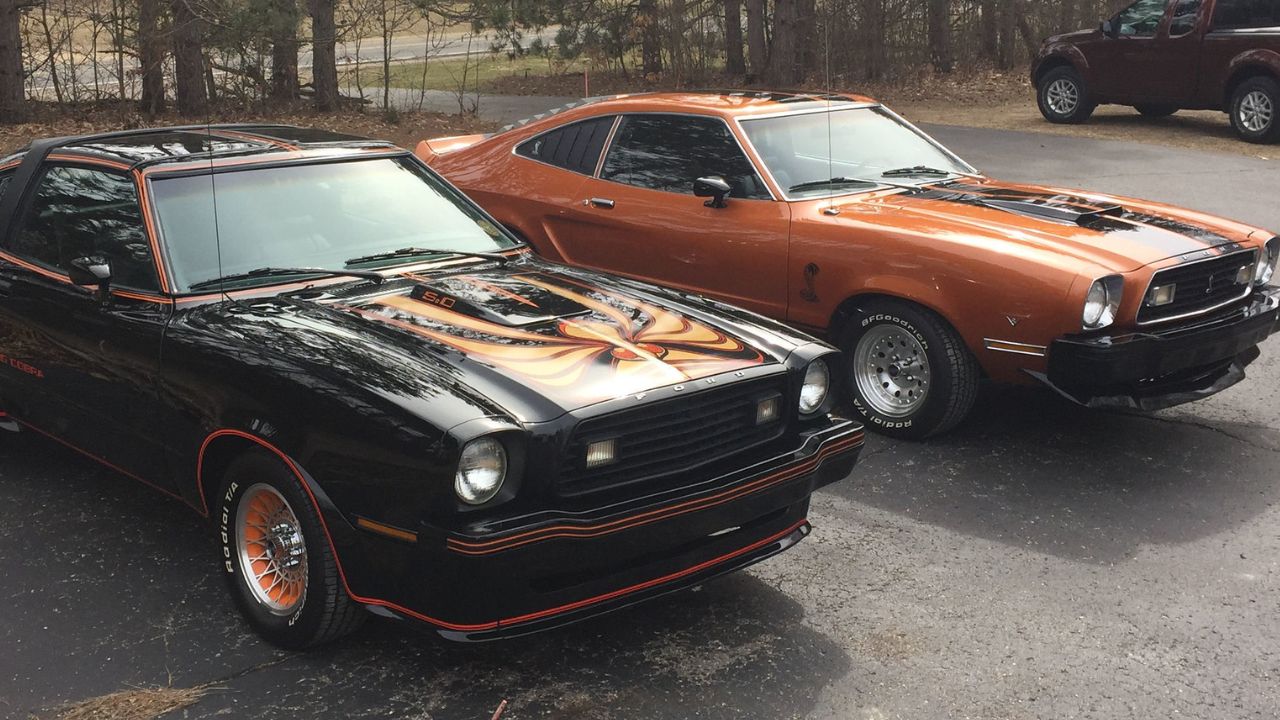
For every GTO Judge or HEMI ‘Cuda, there were muscle cars that didn’t quite work—cars rushed into production, detuned to irrelevance, or mismatched with the era. Detroit would rather you remember the hits. But the misfires tell a more interesting story. Here are 10 muscle cars that got shoved into the corner of history—awkward, underbuilt, or just poorly timed.
1974 Pontiac GTO
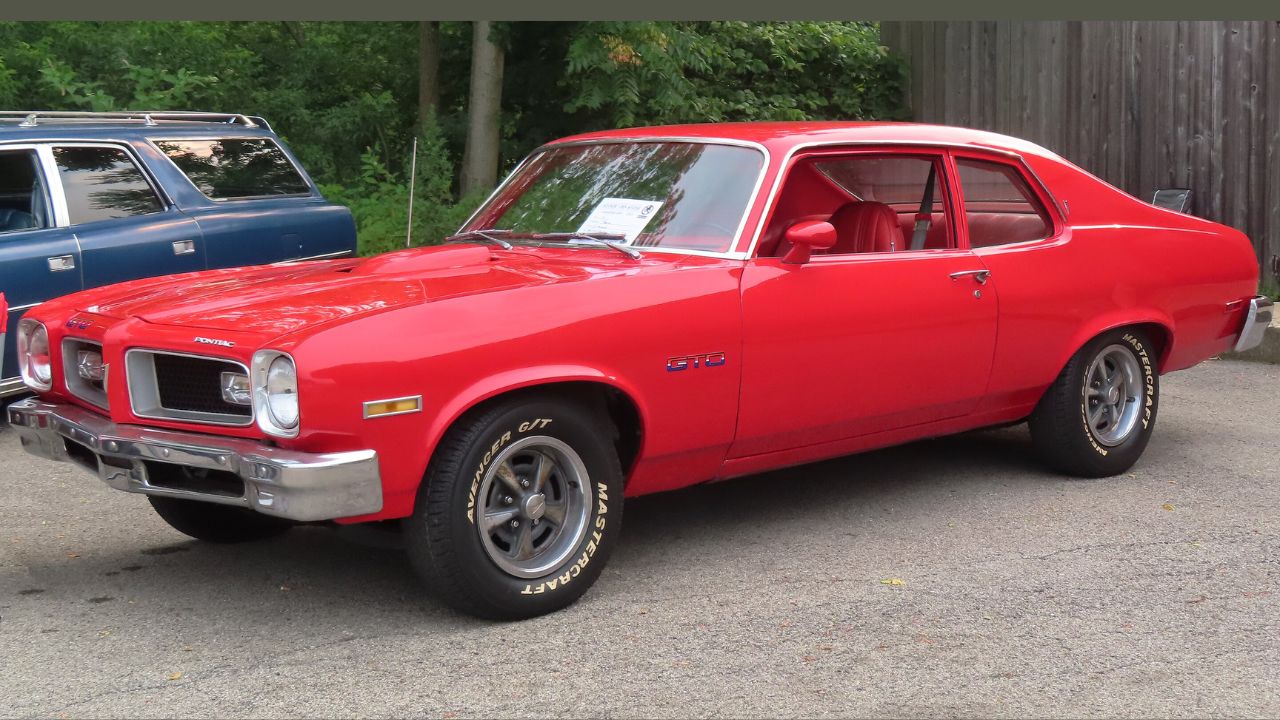
By 1974, the GTO had been demoted to an option on the Ventura, a Nova clone with muscle car lettering and not much else. The styling was tame, and the performance didn’t scream.
The top engine was a 5.7L 350 V8 making 200 hp. A far cry from the Judge years. It still offered a 4-speed manual and Rally II wheels, but the body was narrow and forgettable. Pontiac quietly shelved the GTO name after this.
1976 Ford Mustang II Cobra II
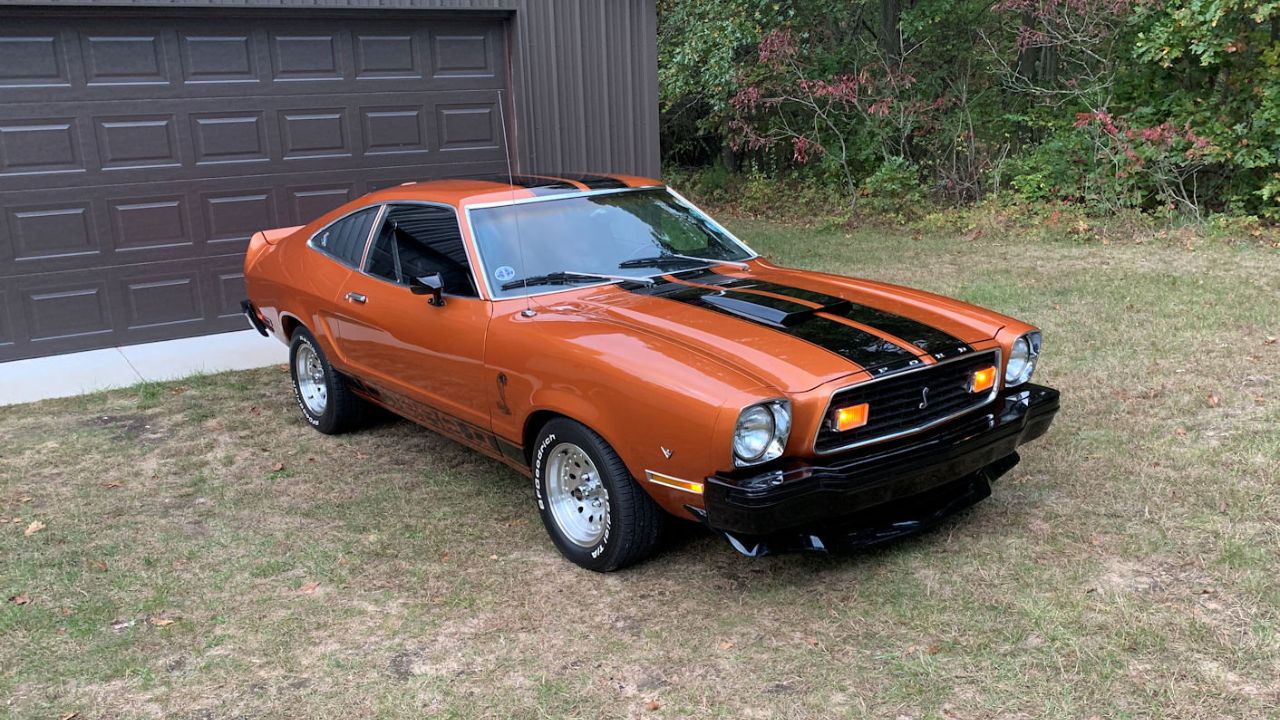
Built on the Pinto platform, the Mustang II wasn’t born to run. The Cobra II package tried to fake it with stripes and spoilers—but under the hood, it was mostly bark.
You could get a 302 V8, but emissions controls cut it to around 140 hp. It had the right shape for a decal machine but none of the muscle to back it up. Ford sold plenty, but it’s the one they’d rather not mention.
1980 Pontiac Trans Am Turbo
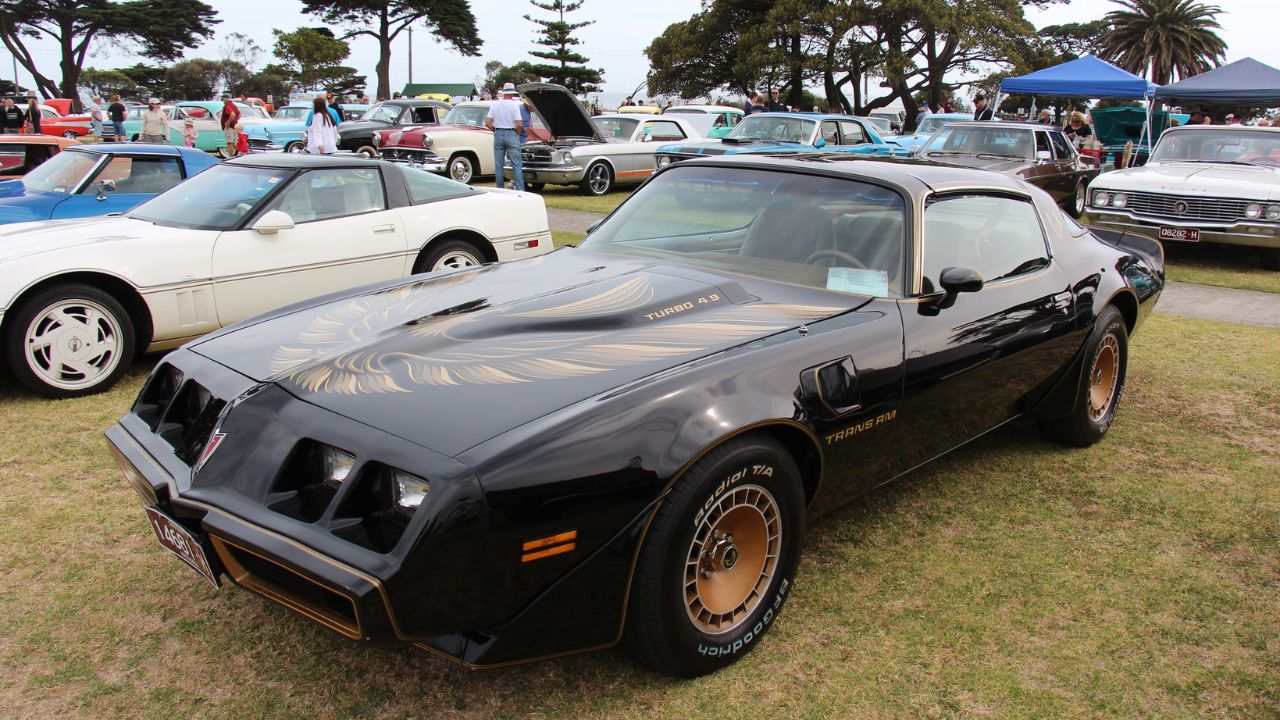
Pontiac’s attempt to adapt to the fuel crisis came with a turbocharged 4.9L V8. It sounded promising, but the result was all heat and very little hustle.
With just 210 hp and known heat soak issues, the Turbo Trans Am was slower than the naturally aspirated versions it replaced. It looked aggressive—hood bulge, lights, and all—but performance didn’t match. Even Smokey wouldn’t chase this one.
1971 AMC Matador Machine
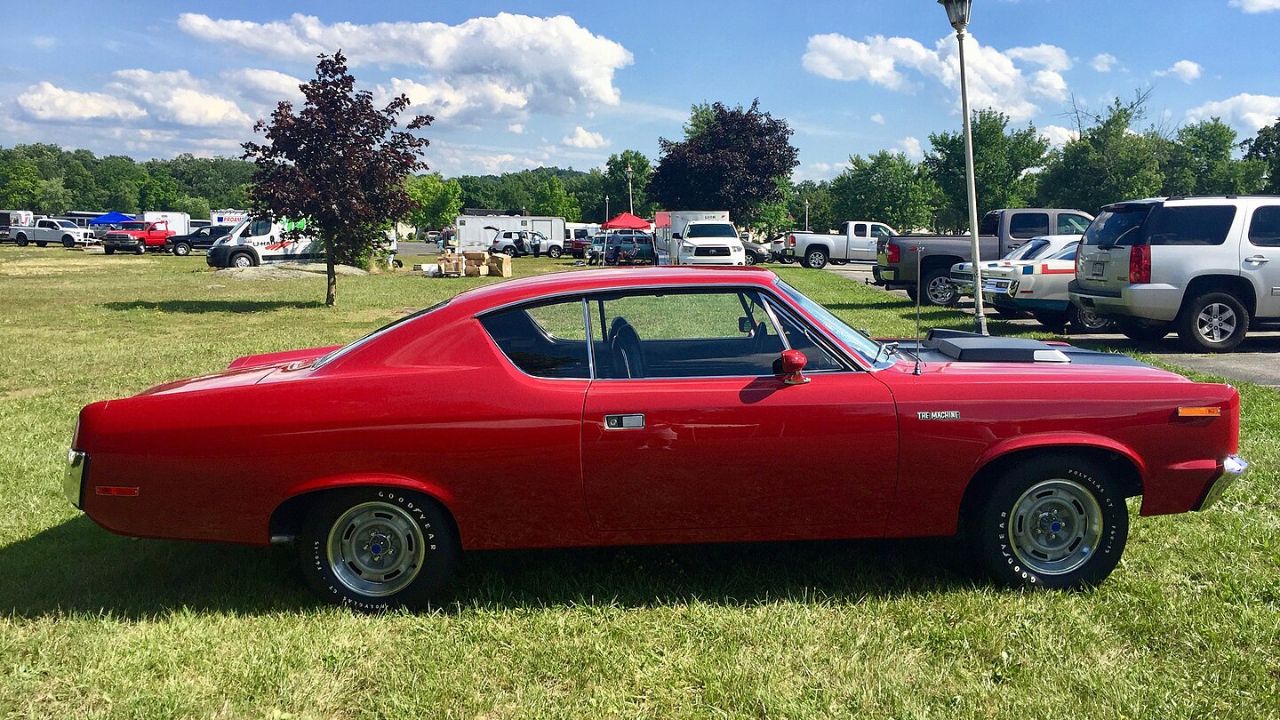
AMC tried to capitalize on its Rebel Machine success by moving the formula to the Matador. It didn’t go well. The styling was chunky, and sales never took off.
The Machine package offered a 401 V8 rated at 330 hp, but very few were built. The car weighed too much, lacked refinement, and failed to connect with buyers. AMC quietly let it fade while the Javelin kept its performance slot.
1977 Chevrolet Monza Mirage
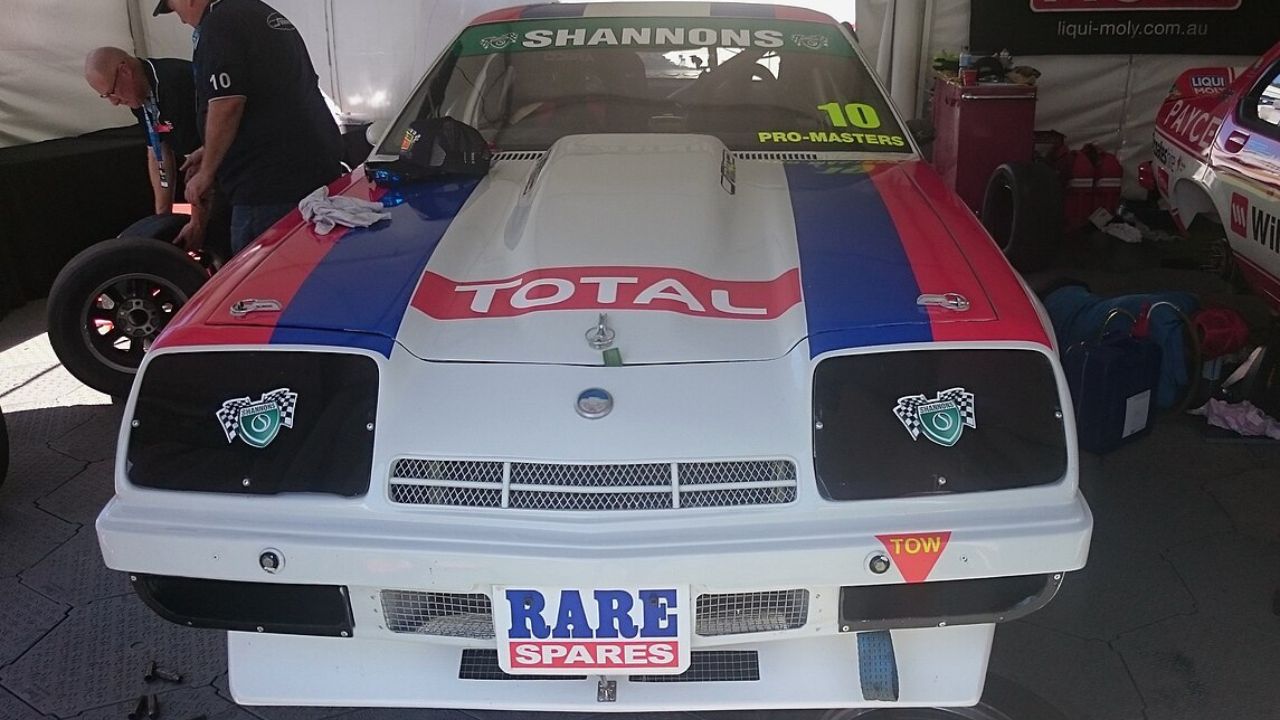
Chevy dressed up the Monza with IMSA-style flares and called it the Mirage. But it was all appearance—the actual hardware was mostly underwhelming.
Under the hood was a 305 V8 making about 145 hp. It came with a 4-speed and posi rear end, but performance was mediocre, and the Mirage package was only offered by a third-party installer. Chevy didn’t make much noise about it afterward.
1975 Dodge Dart Sport Hang 10
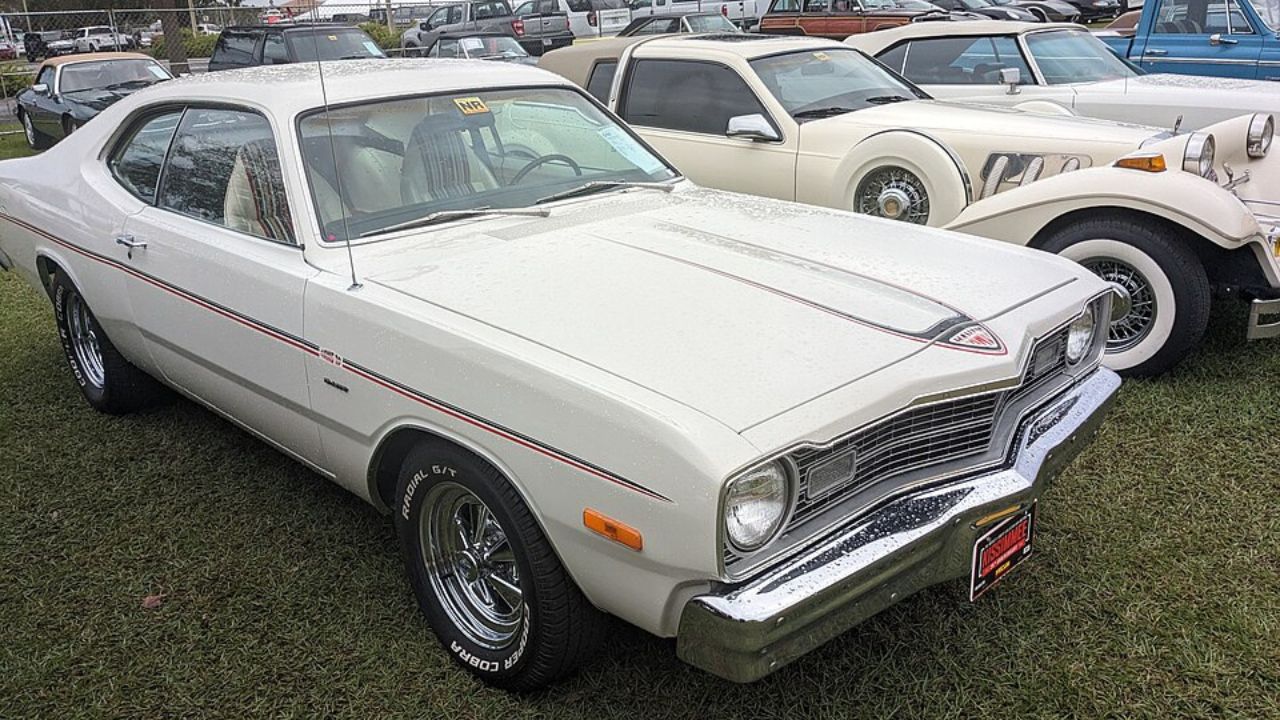
This Dart variant featured surfing decals, a white vinyl interior with orange accents, and optional T-tops. The Hang 10 looked wild, but it was mostly cosmetic.
You could spec it with a 360 V8, but most were equipped with smaller engines. It was a muscle car in name only, geared more toward a disco-era lifestyle ad than performance credibility. Dodge moved on quickly, and so did everyone else.
1979 Mercury Capri RS

Mercury tried to give the Fox-body platform some flair, but the Capri RS didn’t move the needle. It had flared fenders and a tidy hatchback shape, but performance lagged.
The early RS versions used a 2.3L turbo-four or a neutered 5.0L V8 with under 150 hp. Handling was decent, but it lacked identity. It got lost between the Mustang and Cougar, and Mercury never really committed to making it memorable.
1973 Plymouth Duster 340

The Duster 340 was quick for its time, but by 1973, things were changing fast. Compression dropped, emissions gear increased, and insurance rates climbed.
The 340 still offered respectable performance—240 hp—but it was the beginning of the end. Safety bumpers dulled the look, and rising fuel prices put the Duster on the endangered list. It hung on a few more years before fading into memory.
1974 Oldsmobile 442
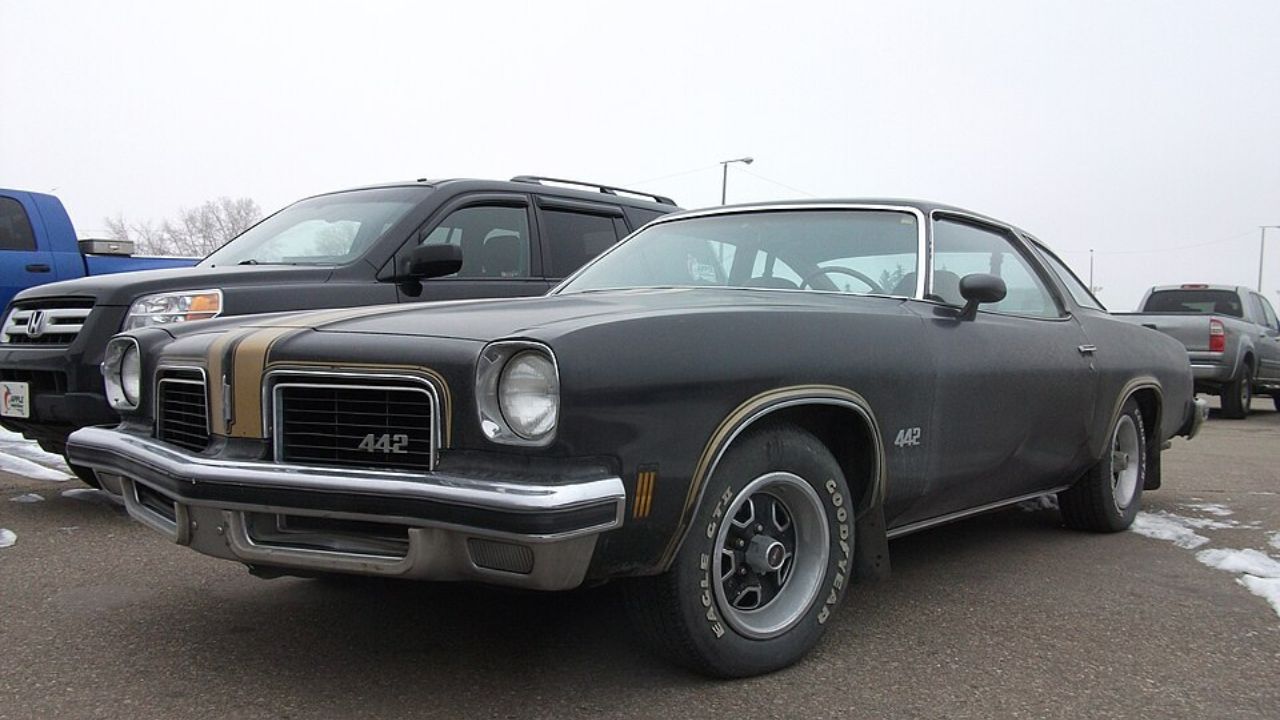
Olds tried to stretch the 442 name into the emission era, but by 1974, it had lost most of its punch. The 455 V8 made 230 hp—decent, but not thrilling.
The Colonnade body added weight, and handling was never its strong suit. Interiors were plush but bulky, more cruiser than bruiser. Oldsmobile kept offering 442 packages into the late ’70s, but they weren’t fooling anyone.
1972 Buick GS 350
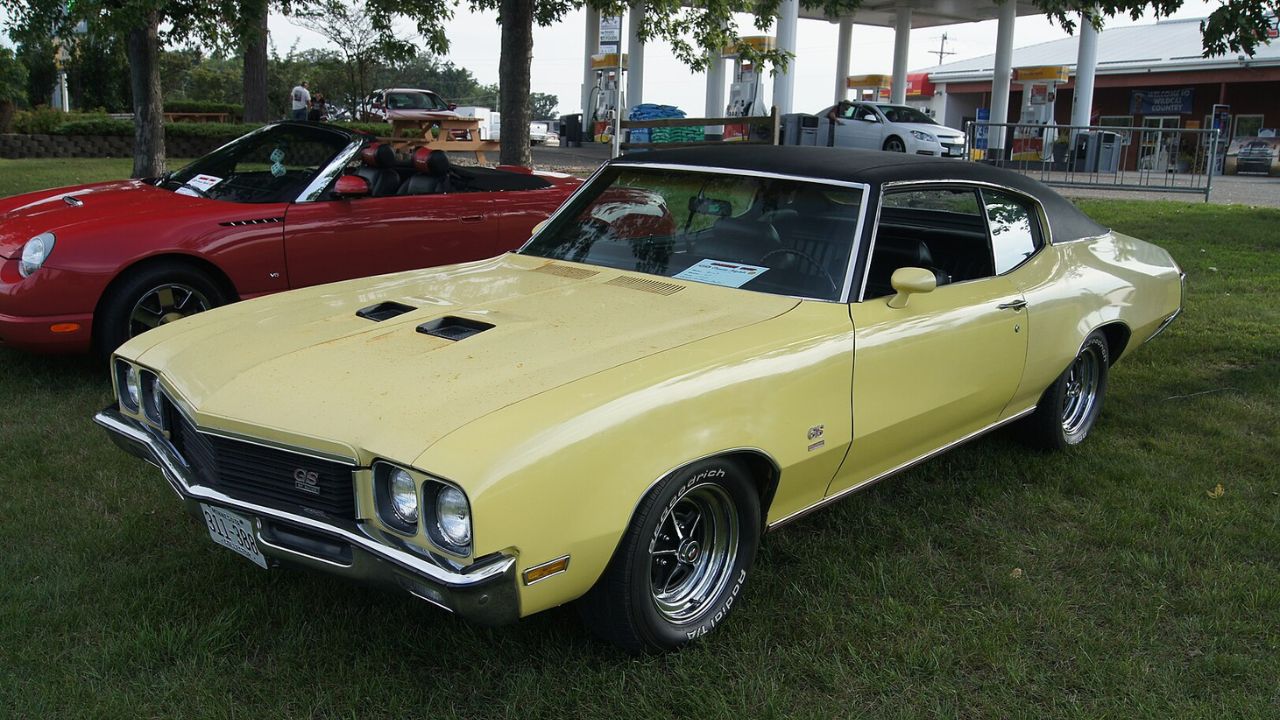
The GS 350 tried to follow in the footsteps of the GS 455, but it landed with far less impact. It used a 5.7L V8 making around 195 hp with the emissions tune.
You could get it with a 4-speed and a decent axle ratio, but it didn’t have the raw speed or presence of its big-block sibling. Buick didn’t push it hard, and today it’s often overlooked—just as they likely intended.
Like Fast Lane Only’s content? Be sure to follow us.
Here’s more from us:
*Created with AI assistance and editor review.