Some cars were born obscure and stayed that way—others crawled back from the brink with a fanbase that finally figured it out. These ten vintage rides didn’t exactly get paraded down Main Street in their heyday, but now? They’ve got garage cred. Real, “I know what that is” nods from strangers. Let’s take a look at the former nobodies that became somebody.
1971 AMC Hornet SC/360
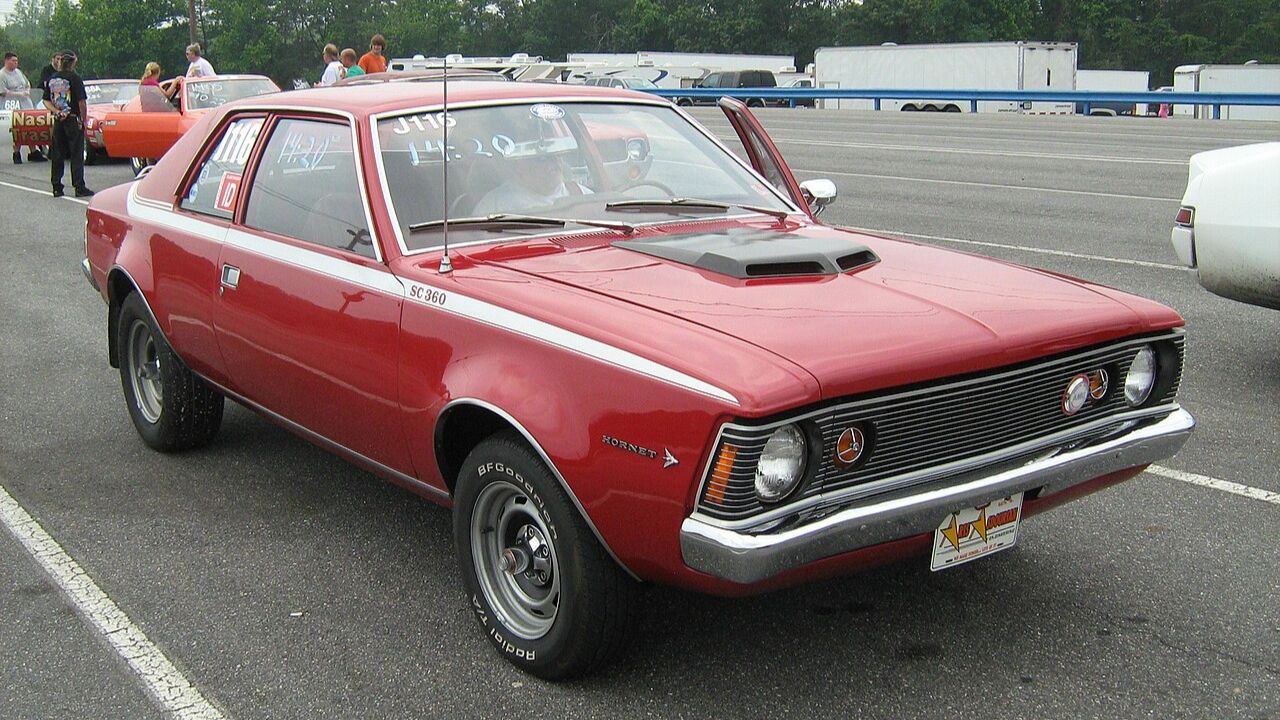
AMC had no business making muscle cars in the ’70s, but here we are. The Hornet SC/360 was a two-door econobox with a 245-hp 360 V8 stuffed inside. It cost just over $2,600 new—barely more than a base Gremlin—and ran low 14s in the quarter mile. Only about 784 were built before insurance companies nuked the fun.
At first glance, it looks like something your uncle drove to work at the power plant. But pop the hood, and it’ll make a Mustang nervous. Now collectors want the ones that survived teenage ownership.
1965 Chevrolet Corvair Corsa Turbo
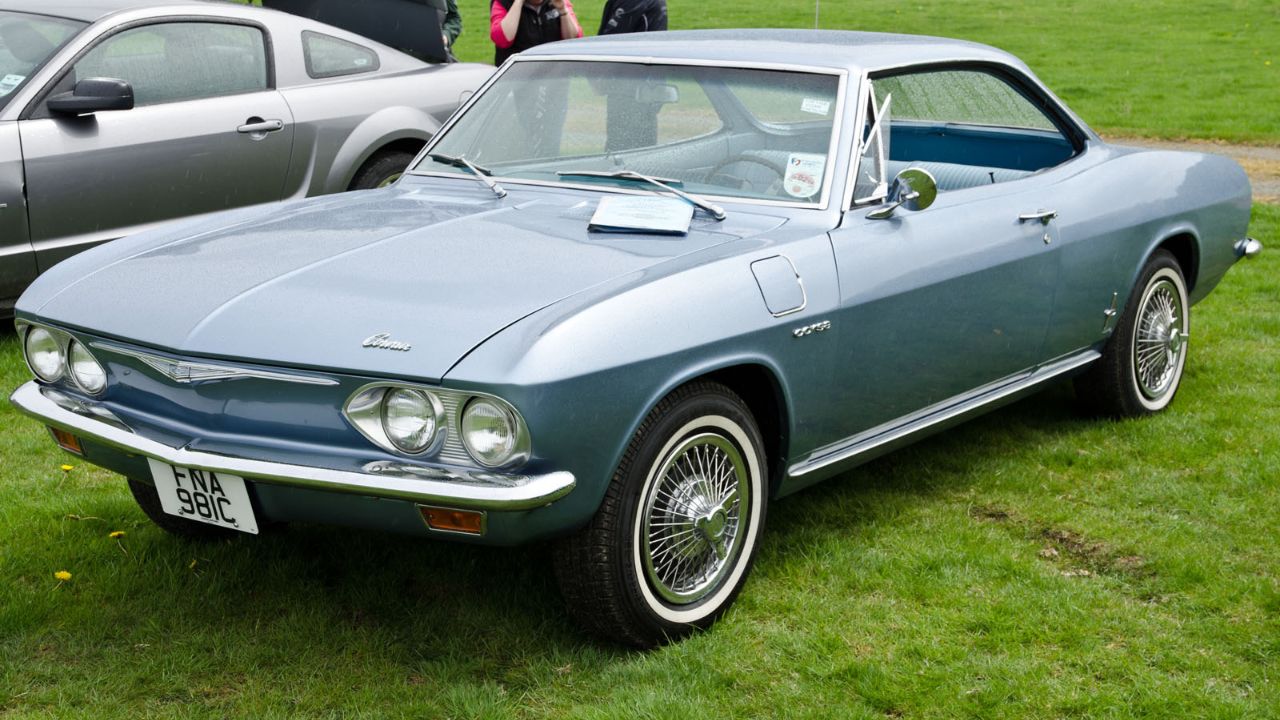
The Corvair was basically the punching bag of the ’60s. Rear-engine, air-cooled, and slammed by Ralph Nader, it was called unsafe before anyone even looked under the decklid. But the Corsa Turbo? That was something else entirely.
With 180 horsepower from a turbocharged flat-six and a curb weight under 2,700 lbs, it handled more like a European sports coupe than a Chevy. They didn’t make many—just under 8,000 for 1965. It’s finally getting some respect from folks who can keep the rear end in line.
1978 Dodge Magnum XE
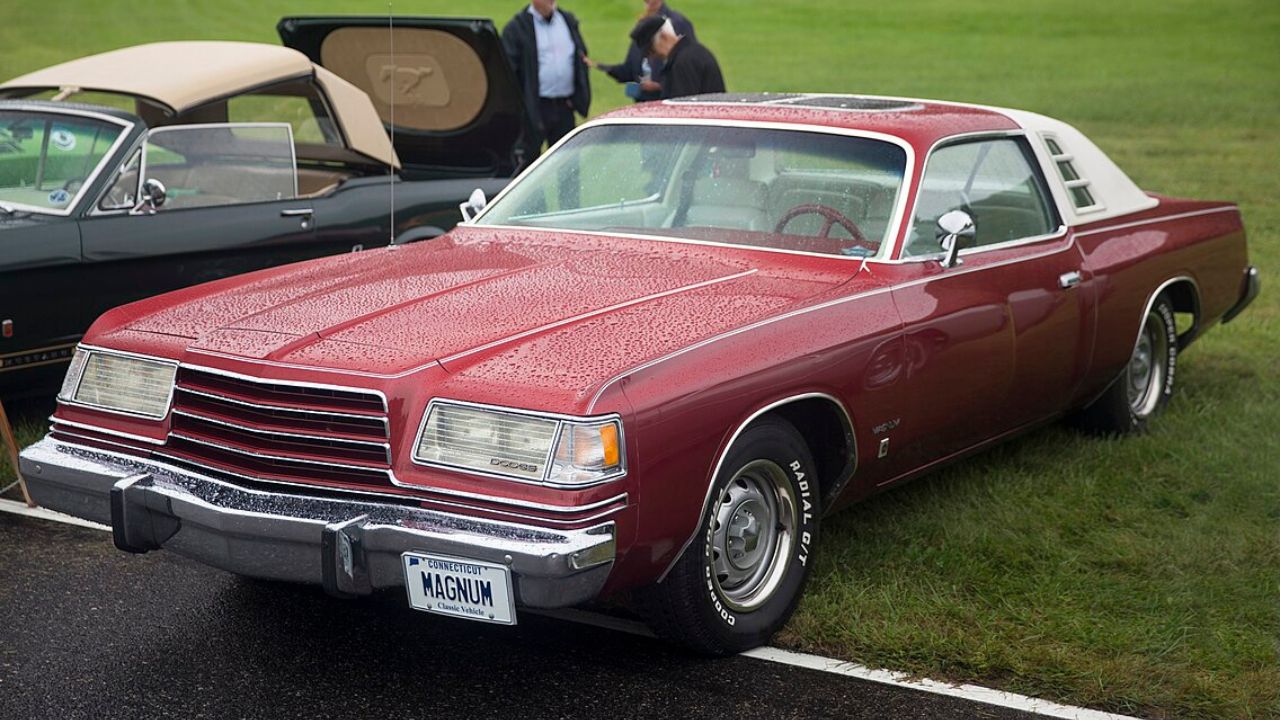
This one showed up right when nobody wanted a personal luxury coupe with fake vents and NASCAR dreams. The Dodge Magnum XE was Mopar’s last gasp before downsizing took over. Under the long hood? A 400 or 440 V8, if you were lucky.
The body looked like a Charger put on its dress shoes. And while buyers shrugged at it in ’78, collectors now appreciate the weird, square charm—and the fact that Richard Petty raced a version of it. Very Cold War chic.
1974 Bricklin SV-1
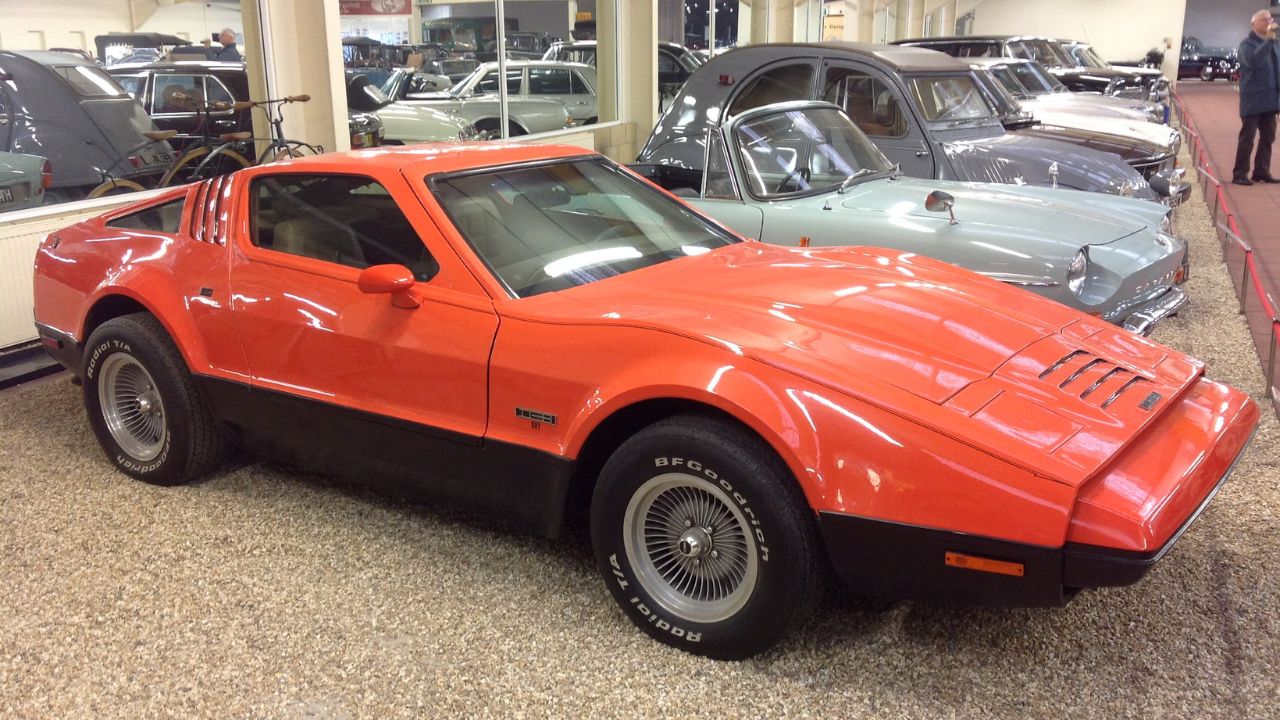
No one knew what to do with the Bricklin. Built in Canada, funded by the government, styled like a sci-fi doorstop. It had safety bumpers, acrylic body panels, and gullwing doors powered by what felt like expired ketchup packets.
Power came from AMC or Ford V8s, but the SV-1 weighed nearly 4,000 lbs and felt like it. Fewer than 3,000 were made before it collapsed under financial chaos. These days, it’s a Cars & Coffee unicorn—think: kit car meets crash test experiment.
1980 Mazda RX-7 GSL-SE
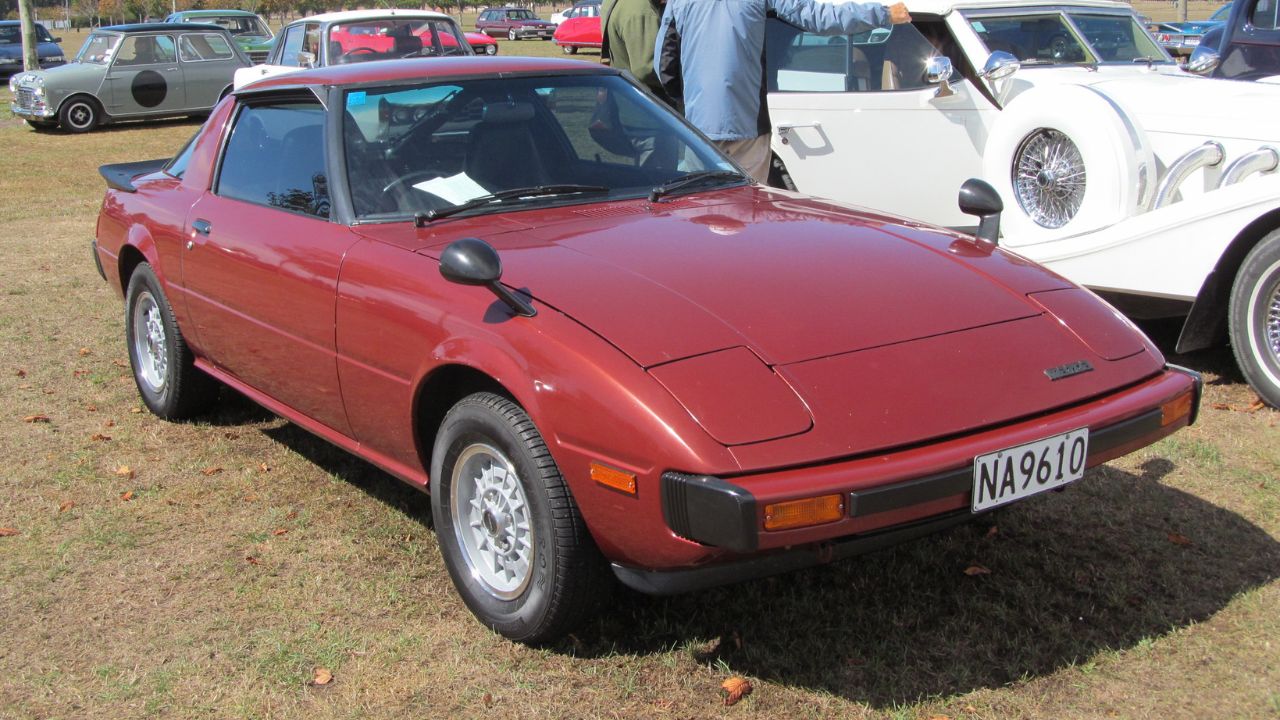
In the era of smog-choked V8s, Mazda’s rotary RX-7 showed up with something entirely different: a 1.3-liter Wankel engine that revved like crazy and weighed almost nothing. The GSL-SE upped the ante with fuel injection and 135 horsepower.
It wasn’t built to drag race—it was built to dance. With near 50/50 weight distribution and featherweight handling, it became a track-day darling years after it was dismissed as just another “Japanese import.” Rotary fans still argue about apex seals on Reddit.
1968 Opel GT
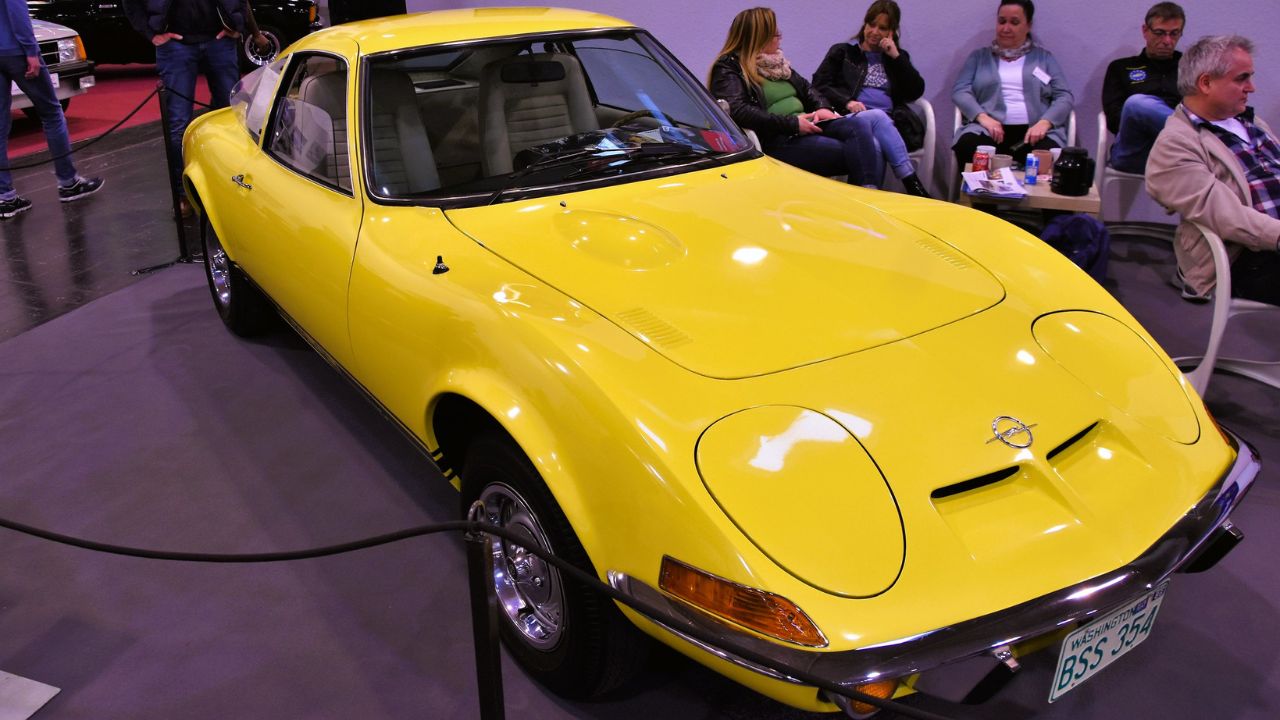
It looked like a baby Corvette but drove more like a spunky Manta Ray. The Opel GT was GM’s idea of sending something sporty to the U.S. from its German subsidiary. Under the hood? A 1.1L or 1.9L inline-four, making about 102 hp on a good day.
The hidden headlight mechanism was manual—twist a lever and the eyelids flipped sideways. It wasn’t fast, but it had charisma and a sub-2,000 lb curb weight. Forgotten for years, they’re now cult heroes with a loyal restoration crowd.
1975 Lancia Beta Coupe
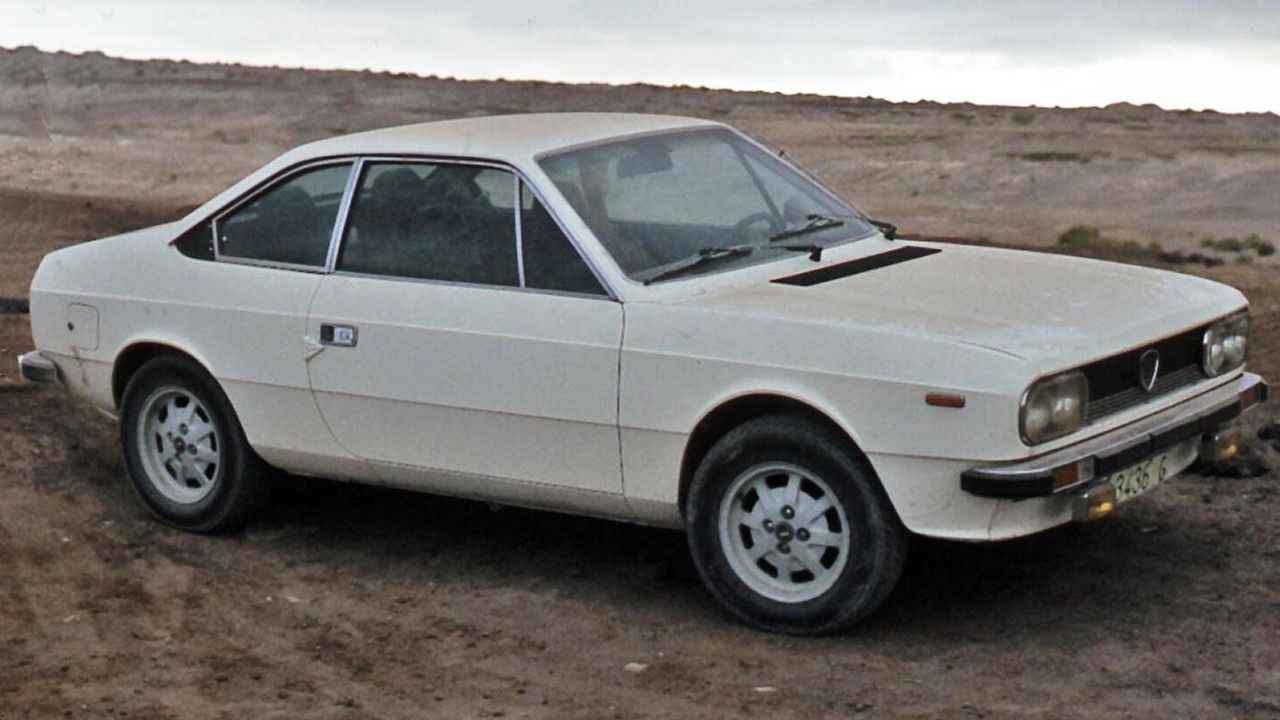
The Beta Coupe is what happens when Italians try to build a practical sports car and almost pull it off. It had a twin-cam four-cylinder engine mounted up front and front-wheel drive, which purists initially scoffed at.
But the styling aged well, the interiors were nicely trimmed, and the chassis was surprisingly competent. Rust nearly killed every single one, but the few that remain have slowly gained appreciation—mostly from people tired of pretending Alfas never break.
1979 Ford Fairmont Futura Coupe
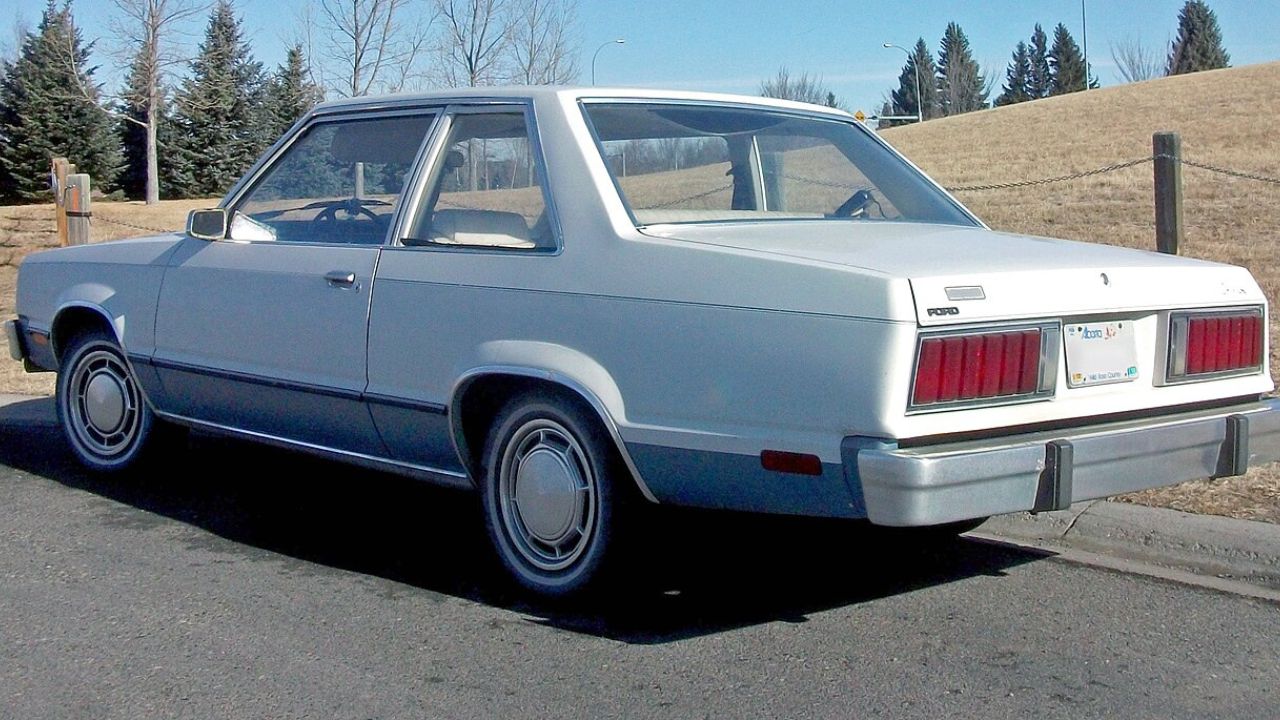
The Fairmont wasn’t supposed to be interesting. It was supposed to get you to work without drama. But the Futura coupe—with its Thunderbird-style roofline and optional 302 V8—became the sleeper nobody saw coming.
Built on the Fox platform, it shares DNA with the Mustang GT. And that means it’s ripe for engine swaps and chassis upgrades. For a while, these sat in junkyards ignored. Now? Try finding a clean one that hasn’t been turned into a drag-strip menace.
1966 Volvo Amazon 122S
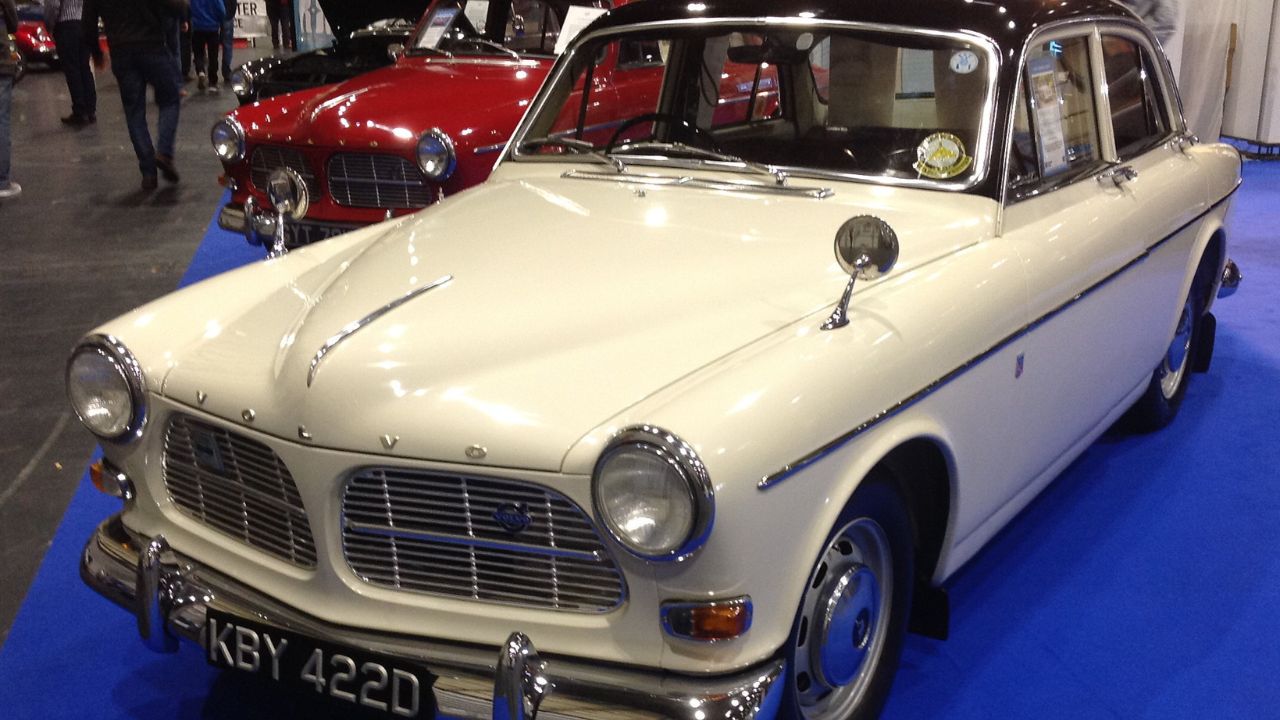
Volvo’s 122S was the IKEA dresser of vintage sedans—simple, square, and surprisingly sturdy. Under the hood was a 1.8L or 2.0L inline-four good for around 115 hp. It wouldn’t win many races, but it would survive three of them back to back.
It had 4-wheel disc brakes, decent road manners, and Swedish overengineering. Once labeled a boring professor’s car, it’s now seen as the sensible cult classic—especially by those who want to daily-drive something vintage without stress.
1973 Toyota Corona Mark II
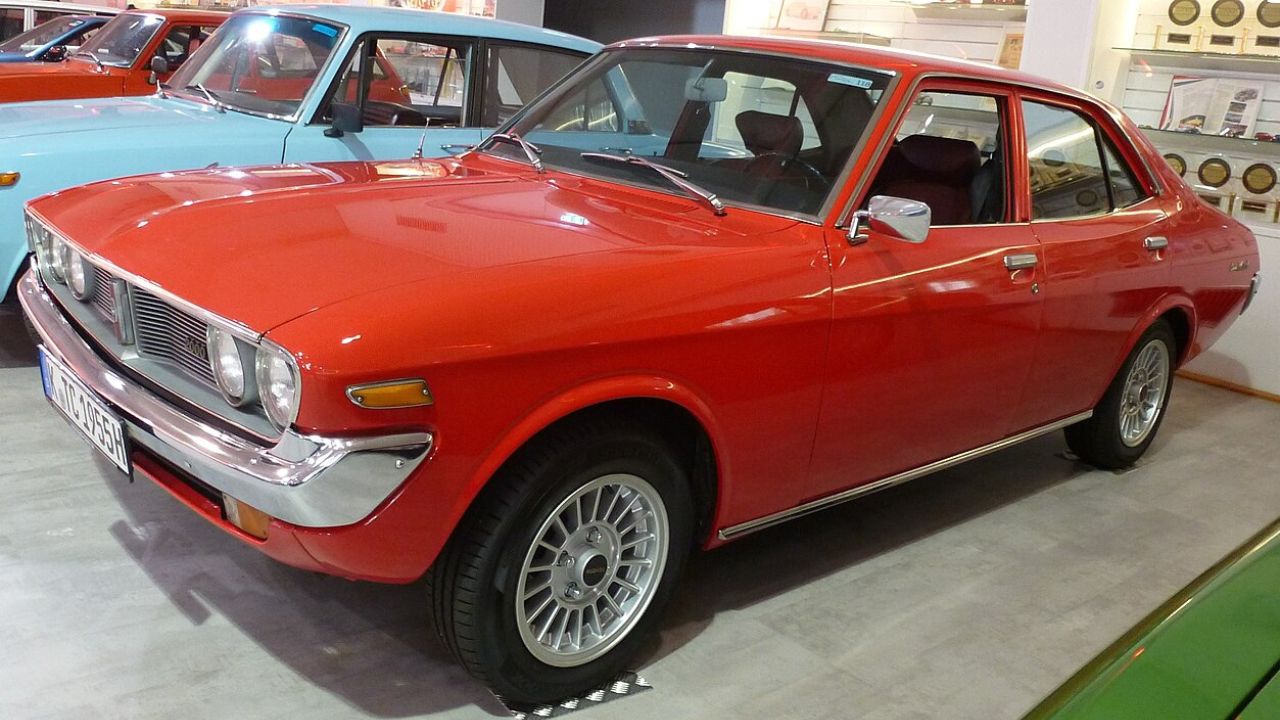
The Corona Mark II wasn’t as exciting as a Celica or as weird as a Crown. It was Toyota figuring out what “premium” meant, American-style. Under the hood: a 2.0L inline-six, rear-wheel drive, and a surprisingly plush interior for the price.
Nobody cared in ’73. It was just a mid-tier sedan. But clean survivors are now starting to rise in value, thanks to the JDM nostalgia wave—and because it turns out Toyota knew how to build a proper little cruiser, even back then.
Like Fast Lane Only’s content? Be sure to follow us.
Here’s more from us:
*Created with AI assistance and editor review.