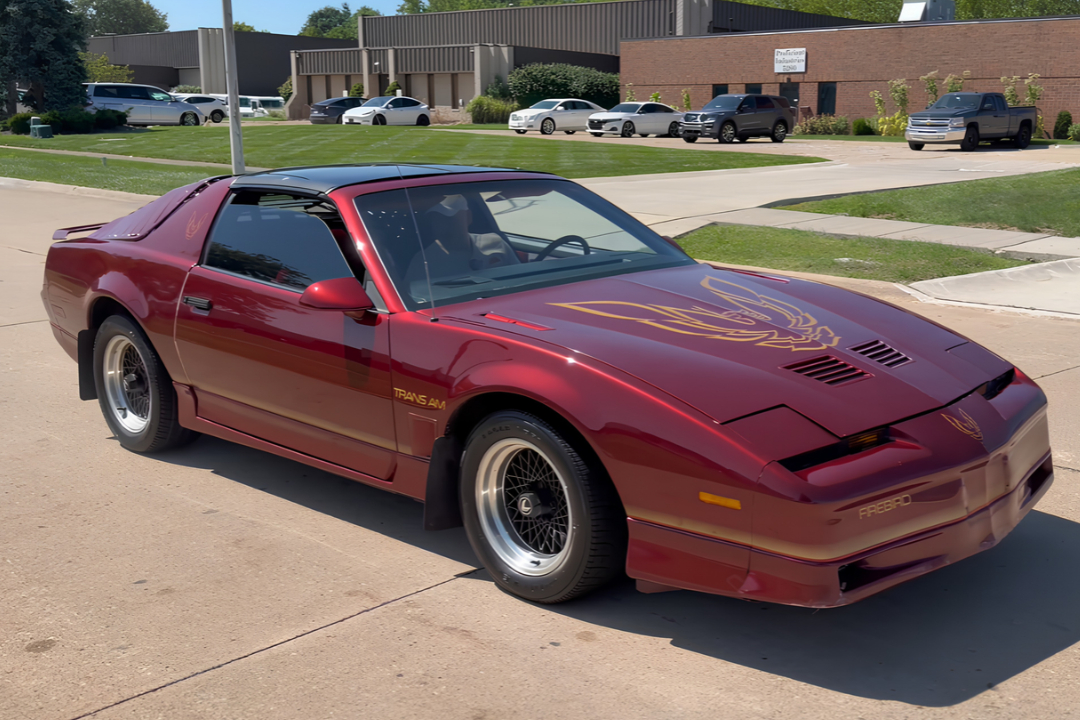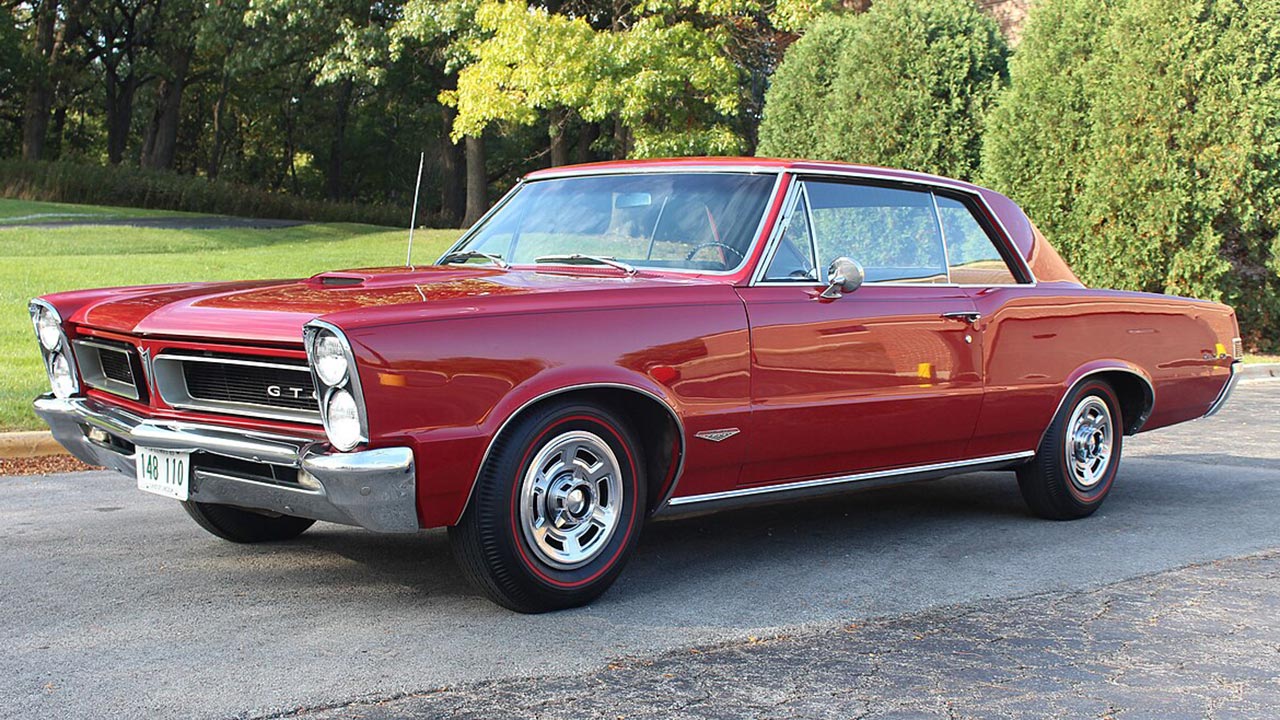
Pontiac’s 1960s performance story is often reduced to a single image: a GTO lighting up its rear tires at a suburban stoplight. The real engine behind that success ran deeper than cubic inches or hood scoops. It was a quietly radical philosophy about how to build fast cars that ordinary drivers could actually buy, live with, and afford to insure.
Born inside a conservative General Motors hierarchy, that mindset shaped everything from engine choices to option packages. It also explains why some of Pontiac’s sharpest creations, including a few that never became household names, still resonate with enthusiasts long after the brand itself disappeared.
From chrome to quarter miles: how Pontiac quietly rewrote its priorities
At the start of the 1960s, Pontiac carried the same full-size, chrome-heavy image as its Detroit rivals. The turning point came when the division began treating performance not as a limited-edition stunt, but as a core product value. Instead of one halo car parked in showrooms, Pontiac pushed the idea that nearly any model could be ordered with serious hardware if the buyer knew which boxes to tick.
That philosophy produced the GTO, but it also created a wide bench of cars that shared its DNA. Mid-size coupes and even some family-friendly models could be configured with strong V8s, upgraded suspensions, and meaningful brake improvements. Pontiac’s team treated the chassis, not just the engine, as part of the performance equation, which separated its cars from rivals that focused only on straight-line speed.
Some of the most telling examples sit in the shadows of the era’s poster cars. The division applied the same engineering mindset to less celebrated nameplates, using common components across multiple platforms. A-frame suspensions, multi-carb setups, and limited-slip differentials filtered down the lineup, which meant a buyer did not have to step all the way up to the top trim to feel the benefits.
That approach created cars like the Pontiac Tempest and LeMans in higher-performance trims, along with lesser-known variants that packed strong engines into relatively understated bodies. Enthusiast coverage of the period still points to one mid-size model as perhaps the most underrated Pontiac muscle car of the decade, precisely because it carried serious performance hardware without the marketing fanfare of the GTO.
The engineering logic behind Pontiac’s sleeper muscle
Under the skin, Pontiac’s philosophy rested on a few consistent ideas. First, the division favored torque-rich V8s that delivered usable power in everyday driving, rather than chasing peak horsepower at lofty rpm. That decision reflected a belief that performance should feel accessible in traffic, on two-lane highways, and in the hands of drivers who were not professional racers.
Second, Pontiac engineers prioritized balance. Many of the brand’s 1960s performance models paired their engines with firmer springs, heavier-duty shocks, and quicker steering ratios. The goal was to keep the car composed when the driver pushed past the posted limit. In an era when drum brakes were still common, Pontiac’s willingness to invest in better stopping hardware on performance trims showed a holistic view of what a fast car needed to be.
Third, the division used option sheets as a quiet engineering tool. Rather than creating a completely separate high-performance model for every niche, Pontiac allowed customers to build their own combinations. A mid-level trim could be ordered with a strong engine, upgraded suspension, and limited-slip differential, turning an otherwise modest car into a credible street machine.
This mix-and-match strategy produced a fleet of sleepers. Some wore conservative paint and minimal badging, which made them less obvious in period but highly attractive to collectors now. The philosophy behind them was simple: performance should be available to buyers who cared more about how a car drove than how loudly it advertised itself.
Why Pontiac’s 1960s mindset still speaks to modern enthusiasts
For many enthusiasts, the 1960s Pontiac story matters less as nostalgia and more as a template for how performance can fit into everyday life. The brand’s insistence that speed should be usable, not just spectacular on paper, feels relevant in an era when modern cars often chase headline numbers that few owners will ever exploit.
Today’s market is full of vehicles that can post astonishing acceleration times, yet the experience can feel remote or heavily filtered. Pontiac’s 1960s philosophy, with its focus on chassis feel and torque-rich drivability, anticipated the modern enthusiasm for cars that communicate clearly through the steering wheel and seat rather than only through spec sheets.
There is also a cultural dimension. Pontiac’s approach treated performance as something that could belong to a wide slice of buyers, not just those with the budget for a flagship model. That democratizing instinct shows up now in hot hatchbacks, performance packages on family crossovers, and sport trims that add real hardware rather than simple cosmetic upgrades.
Collectors and younger enthusiasts often gravitate toward the lesser-known Pontiacs of the 1960s precisely because they embody that spirit. A car that hides a strong engine and carefully tuned suspension under a relatively plain body tells a different story than a full graphics-and-spoiler package. It reflects a driver who values how a car behaves on a back road more than how it looks in a parking lot.
The renewed interest in these cars has also prompted a closer look at how they were built. Period brochures and surviving build sheets reveal how frequently buyers paired strong engines with modest trims, confirming that the philosophy resonated with customers who wanted real performance without the full show-car treatment.
Lessons for automakers and tuners looking ahead
As the industry moves deeper into electrification and software-driven driving aids, Pontiac’s 1960s playbook offers a few practical lessons. One is that performance packages work best when they upgrade the entire system. For modern electric and hybrid models, that means pairing power increases with suspension tuning, brake improvements, and software calibration that keeps the car predictable at the limit.
Another lesson lies in accessibility. Pontiac’s success came from embedding performance into mainstream models, not just from building one or two halo cars. Automakers looking to cultivate enthusiast loyalty can apply the same logic by offering meaningful performance options on bread-and-butter vehicles, rather than isolating all driving excitement in expensive niche products.
There is also room to revive the sleeper ethos in a modern context. Subtle visual changes paired with serious hardware can attract buyers who prefer understatement. Just as a 1960s Pontiac mid-size with the right engine and suspension could surprise at a stoplight, a contemporary sedan or crossover with a quiet performance package can appeal to drivers who want capability without constant attention.
Tuners and restoration shops are already leaning into this idea. Restomod projects that keep vintage Pontiac bodies but update suspensions, brakes, and drivetrains for modern traffic conditions essentially continue the original philosophy. They treat the car as a complete system and prioritize drivability over dyno figures alone.
For manufacturers planning the next generation of enthusiast cars, the deeper story of Pontiac’s 1960s success suggests that the most enduring performance icons are not always the loudest or the most heavily marketed. They are the cars that integrate power, control, and everyday usability into a package that drivers can actually enjoy on real roads.
That was the quiet insight behind Pontiac’s golden decade. The brand may be gone, but its performance philosophy, especially as expressed in those underrated muscle cars that hid their talents in plain sight, still offers a clear roadmap for how to build machines that matter to people who love to drive.
More from Fast Lane Only
- Unboxing the WWII Jeep in a Crate
- 15 rare Chevys collectors are quietly buying
- 10 underrated V8s still worth hunting down
- Police notice this before you even roll window down
*Research for this article included AI assistance, with all final content reviewed by human editors