Performance engines often steal the spotlight, but some of the most transformative power plants have flown under the radar. These engines, while not always celebrated, have had a significant impact on the automotive world, influencing everything from racing to daily driving. I have gathered nine such engines that deserve recognition for their innovative designs and contributions to performance.
The Ford 2.3L Turbo I4: A Sleeper in Performance Cars
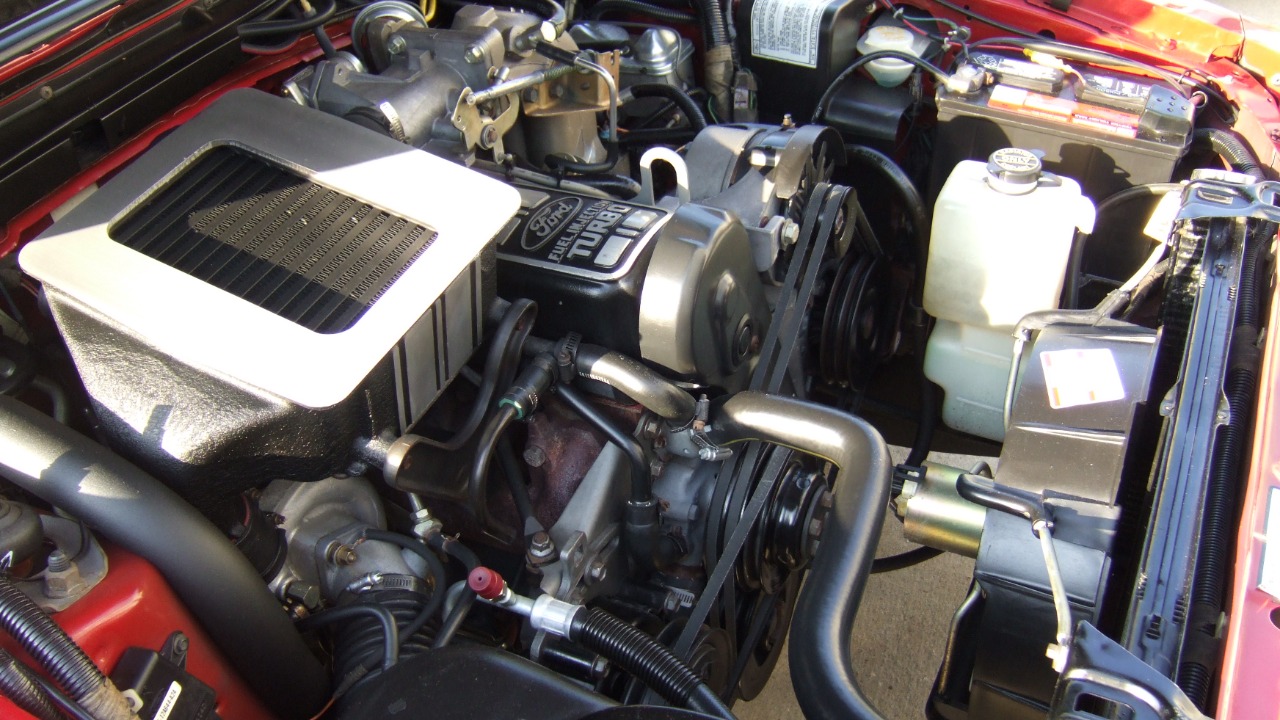
The Ford 2.3L Turbo Inline-Four engine, first introduced in the late 1970s, has quietly powered some of the most underrated performance cars. Most notably, it found a home in the Mustang SVO during the 1980s, where it delivered a punchy 200 horsepower. This engine’s compact size and lightweight nature made it an ideal candidate for performance tuning and modification, leading to impressive aftermarket support. Its turbocharged design allowed for significant power increases, making it a favorite among enthusiasts looking for a sleeper car that could compete with some of the best in the muscle car genre.
Over the years, the 2.3L Turbo has also been featured in vehicles like the Ford Ranger and Merkur XR4Ti. Its reliability and ease of tuning have made it a go-to choice for those seeking to enhance their driving experience. Its legacy continues as enthusiasts revive it in various projects and builds, proving that even less conspicuous engines can pack a significant punch. The Ford 2.3L Turbo I4 remains a testament to the idea that performance doesn’t always have to be loud and flashy.
The BMW M20 Inline-Six: Powering a Generation
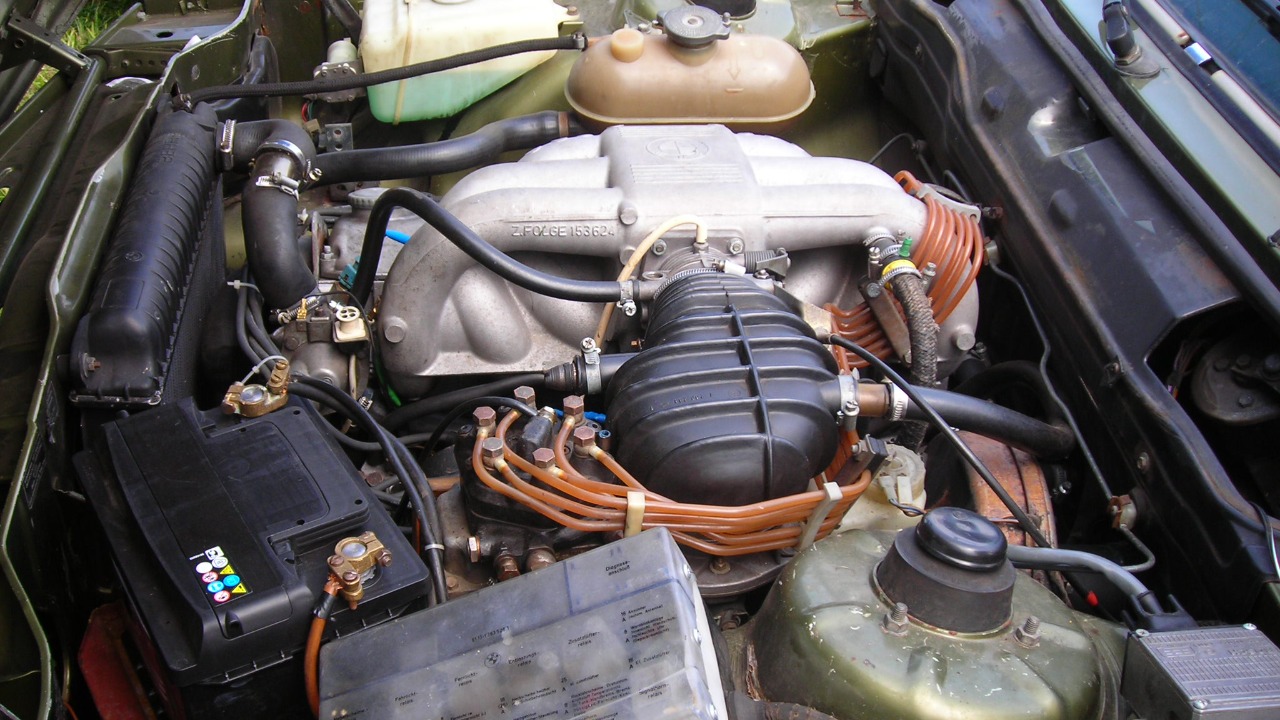
The BMW M20 Inline-Six engine is often overlooked when discussing performance powerhouses, yet it played a crucial role in defining the brand’s reputation for driving excellence. Launched in 1977, this engine powered the iconic BMW 3 Series, among other models, and was known for its smooth delivery and robust performance. With outputs ranging from 100 to over 200 horsepower, the M20 provided an excellent balance of power and refinement that appealed to enthusiasts and everyday drivers alike.
What makes the M20 particularly fascinating is its adaptability. Tuners and motorsport teams embraced it, achieving notable success in various racing disciplines. The engine’s design allowed for easy modifications, which spurred a culture of performance upgrades that helped solidify BMW’s status in the performance car market. As I reflect on its impact, I see the M20 as a bridge between everyday driving enjoyment and motorsport pedigree, making it a true unsung hero in the automotive world.
The Subaru EJ20: A Rally Legend in Disguise
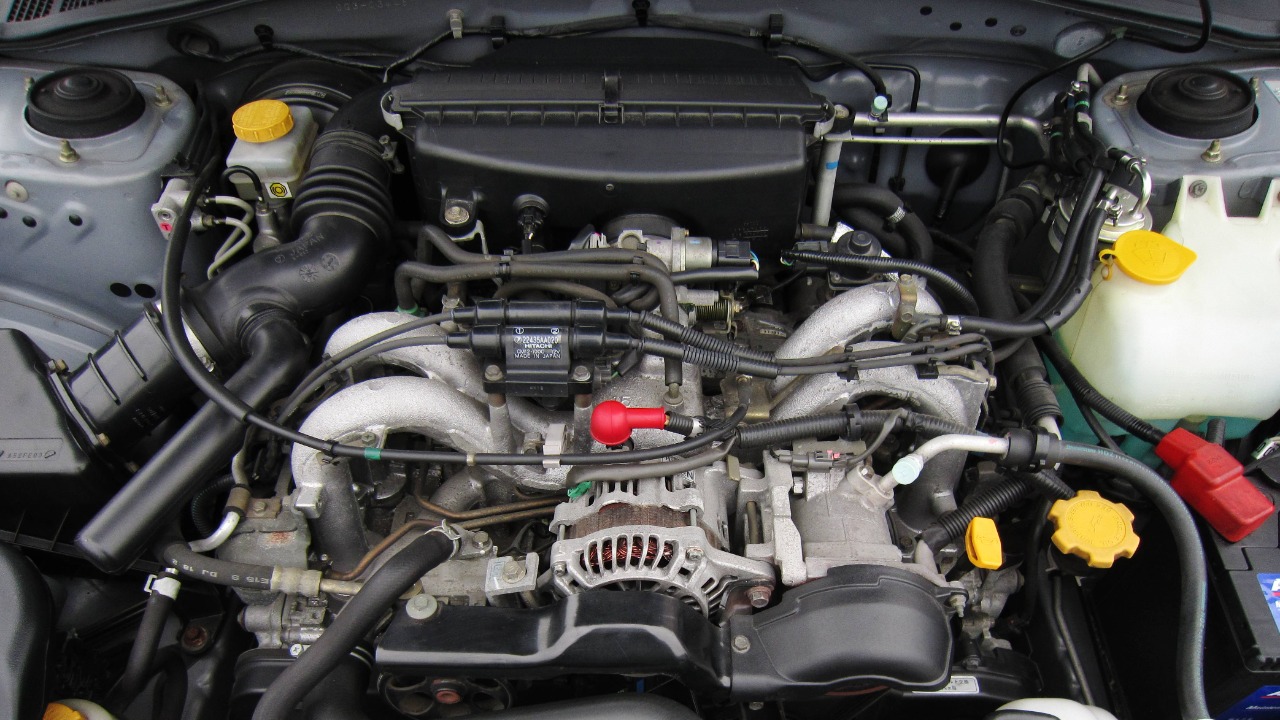
The Subaru EJ20 engine is often revered among rally enthusiasts, yet its significance is sometimes overshadowed by more famous competitors. Debuting in the 1980s, this flat-four engine was integral to Subaru’s success in the World Rally Championship, powering vehicles like the Subaru Impreza WRX. Its unique design not only provided a lower center of gravity, which enhanced handling, but also delivered impressive turbocharged performance, often exceeding 200 horsepower in racing configurations.
What sets the EJ20 apart is its ruggedness and reliability, characteristics essential for rallying. Many enthusiasts have taken to modifying this engine for street use, resulting in a loyal following that appreciates its potential. Whether in a rally car or a daily driver, the EJ20 has proven to be a versatile engine that can handle a variety of driving conditions. Its legacy is a testament to how Subaru quietly revolutionized all-wheel drive performance with this remarkable engine.
The Honda K20: Versatility Meets VTEC
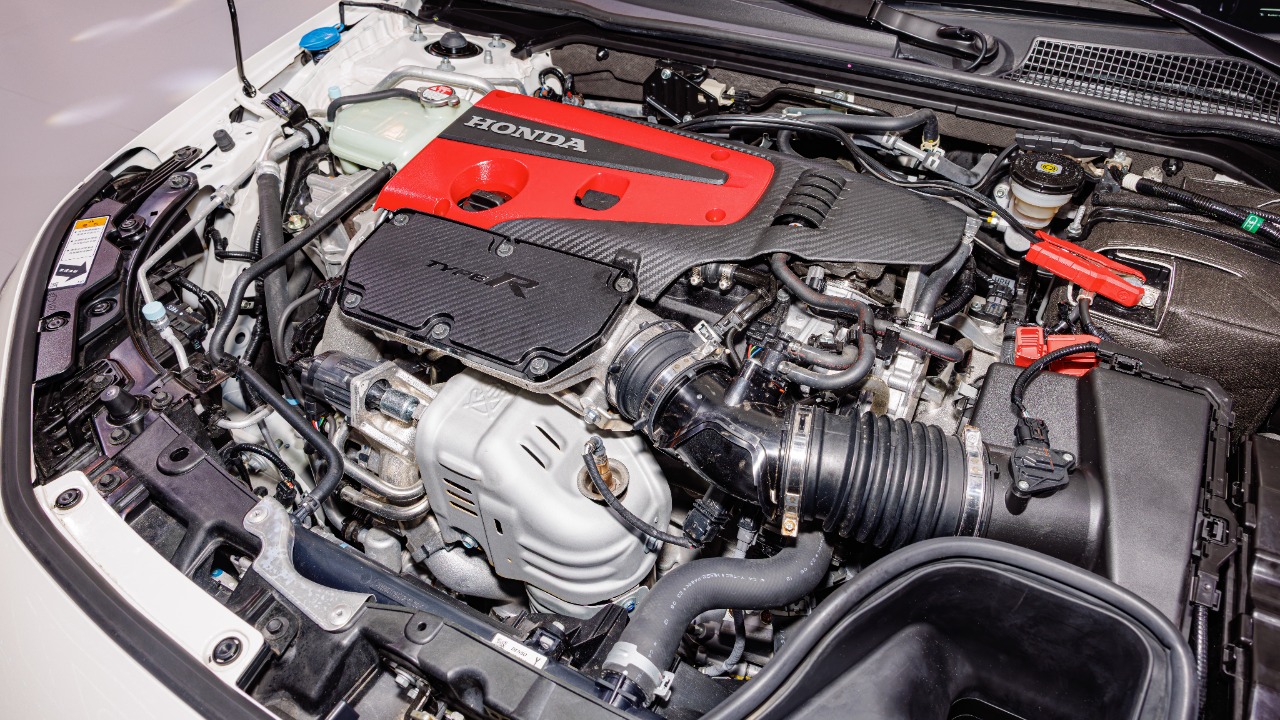
The Honda K20 engine is a shining example of how versatility and performance can coexist in a compact package. Launched in the early 2000s, the K20 quickly became a favorite among enthusiasts for its rev-happy nature and advanced VTEC technology. With power outputs ranging from 140 to over 220 horsepower, it found its way into a variety of models, including the Honda Civic Si and Acura RSX Type-S. This engine’s ability to blend fuel efficiency with spirited performance made it a standout in Honda’s lineup.
Moreover, the K20’s modular design has made it a popular choice for engine swaps, allowing it to be fitted into older Honda models, thus elevating their performance to modern standards. The aftermarket support for the K20 is immense, with countless tuning options available to maximize its potential. I appreciate how the K20 has redefined what it means to be a small-displacement engine, proving that size is not the only measure of capability in the world of performance.
The Chevrolet 350 Small Block: A Workhorse Legacy
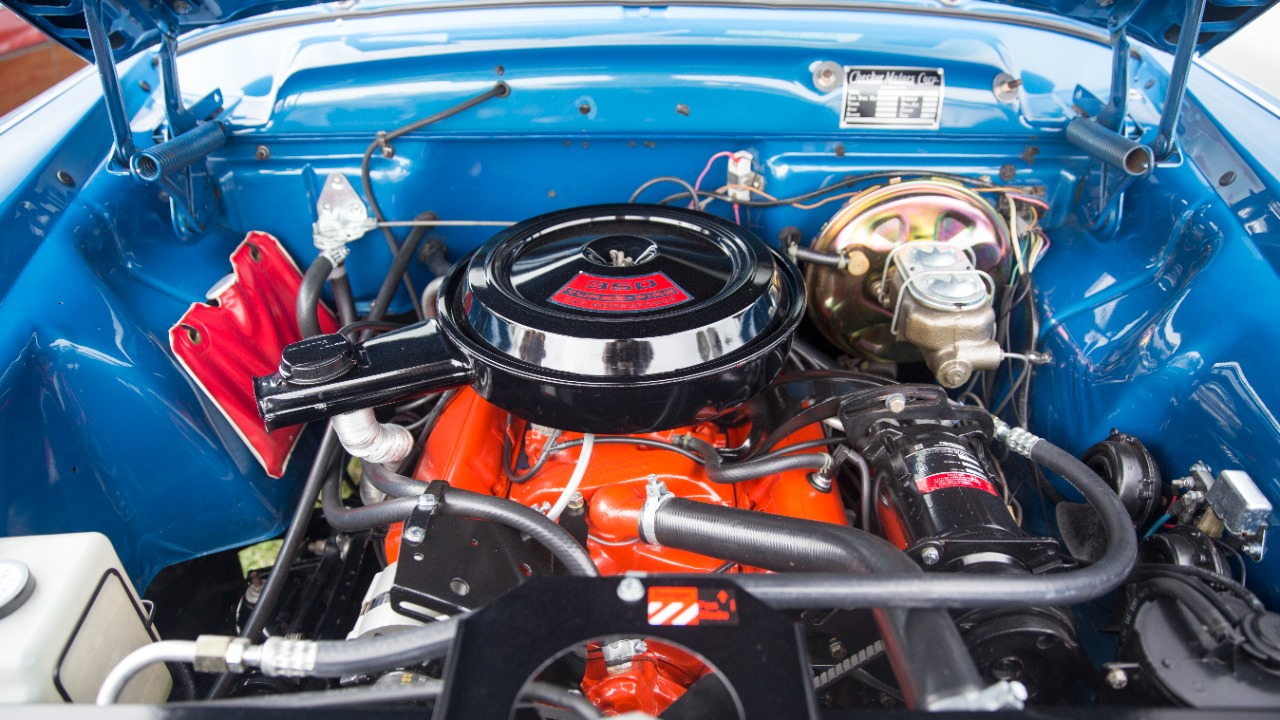
The Chevrolet 350 small block engine is perhaps one of the most iconic power plants in automotive history, yet it often escapes the spotlight in discussions about performance. First introduced in 1967, this engine has powered innumerable vehicles, from muscle cars to trucks. Its versatility and robust design have made it a favorite among car enthusiasts and racers alike. With an output ranging from 145 to over 370 horsepower, the 350 has become synonymous with American performance.
What makes the 350 truly remarkable is its extensive aftermarket support. From camshafts to superchargers, the potential for performance enhancement is virtually limitless. Many enthusiasts have taken advantage of this, turning the 350 into a formidable force on both the street and the track. The legacy of the Chevrolet 350 small block is a testament to its enduring appeal, proving that sometimes the most unassuming engines can deliver outstanding performance and reliability.
The Mercedes-Benz OM617: Diesel Power That Surprised
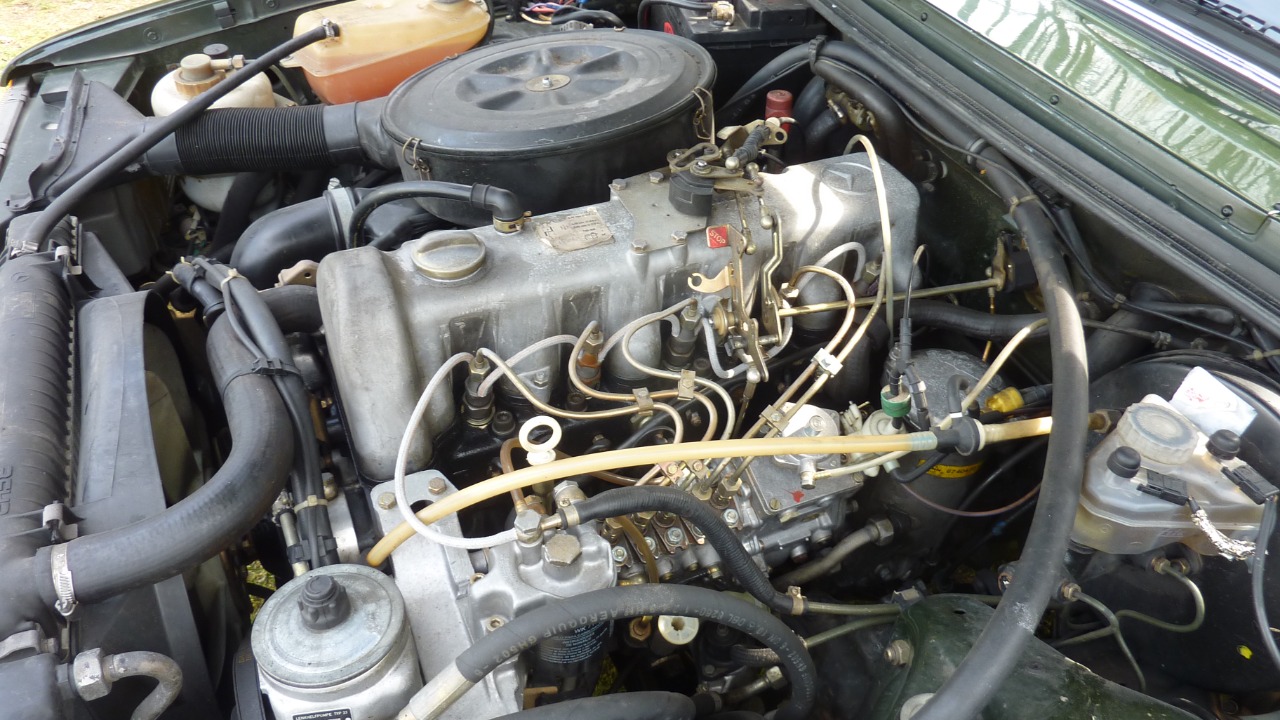
The Mercedes-Benz OM617 engine is a remarkable example of how diesel technology can transform performance expectations. This 3.0L inline-five diesel engine, produced from the mid-1970s to the early 1990s, was known for its durability and torque delivery. Found in models like the W123 and W126, the OM617 offered an impressive 125 horsepower and a staggering amount of low-end torque, making it an excellent choice for both luxury and performance applications.
What truly sets the OM617 apart is its adaptability to tuning. Many enthusiasts have turned to this engine for builds, especially in the diesel performance scene. Its robust construction allows for significant power upgrades, with some modified versions producing over 300 horsepower. The OM617 is a reminder that diesel engines can offer not only efficiency but also a unique driving experience, proving that performance isn’t limited to gasoline engines. It has earned its place among the overlooked engines that quietly transformed the automotive landscape.
The Audi 5-Cylinder: The Heart of Quattro Performance
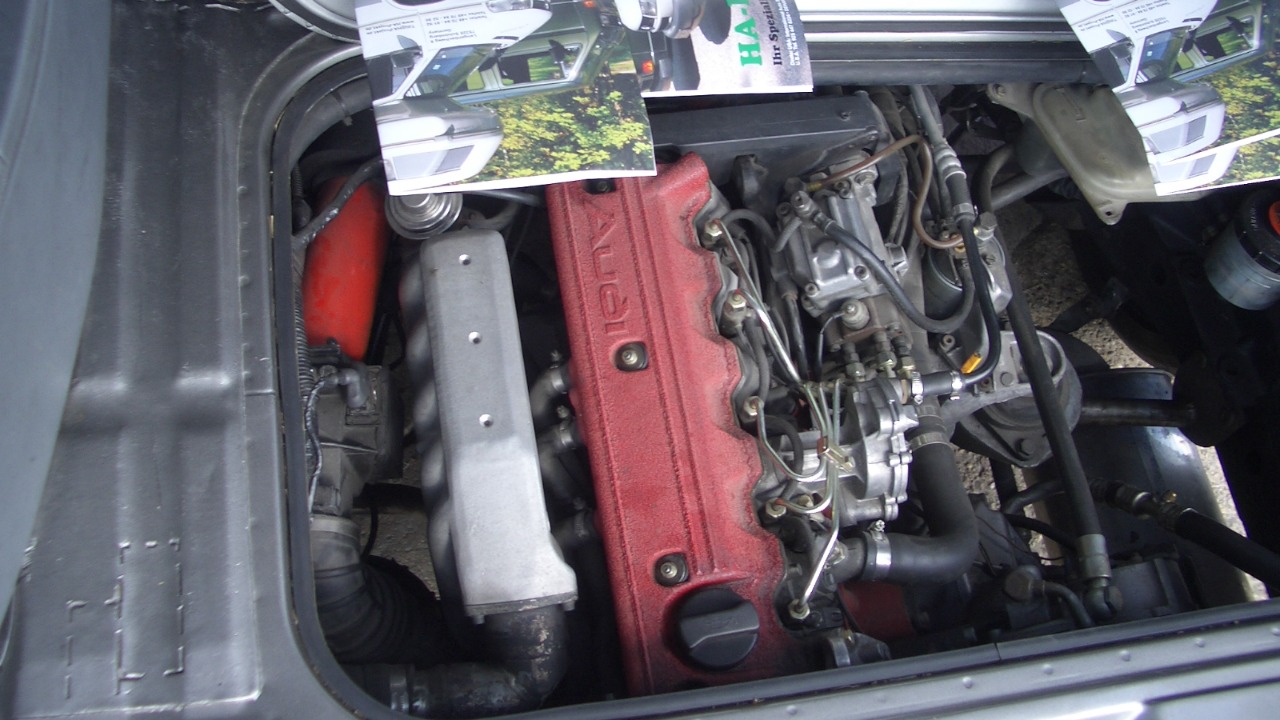
The Audi 5-cylinder engine is often overshadowed by its 4- and 6-cylinder counterparts, yet it has played a pivotal role in Audi’s performance legacy. Debuting in the late 1970s, this engine powered iconic models like the Audi Quattro and the Audi 5000. With its distinctive sound and unique design, the 5-cylinder engine produced remarkable power, often exceeding 200 horsepower in performance variants. Its turbocharged iterations became a staple in rallying, showcasing Audi’s innovative approach to all-wheel drive and performance.
What sets the Audi 5-cylinder apart is its character. The engine’s unique firing order contributes to a distinctive exhaust note that enthusiasts adore. Additionally, its compact design allows for better weight distribution in vehicles, enhancing handling dynamics. As I reflect on its impact, I recognize the Audi 5-cylinder as a key player in the evolution of performance-oriented vehicles, reminding us that sometimes the most unconventional choices yield the most rewarding results.
The Porsche 2.5L Flat-Six: Unassuming Yet Iconic
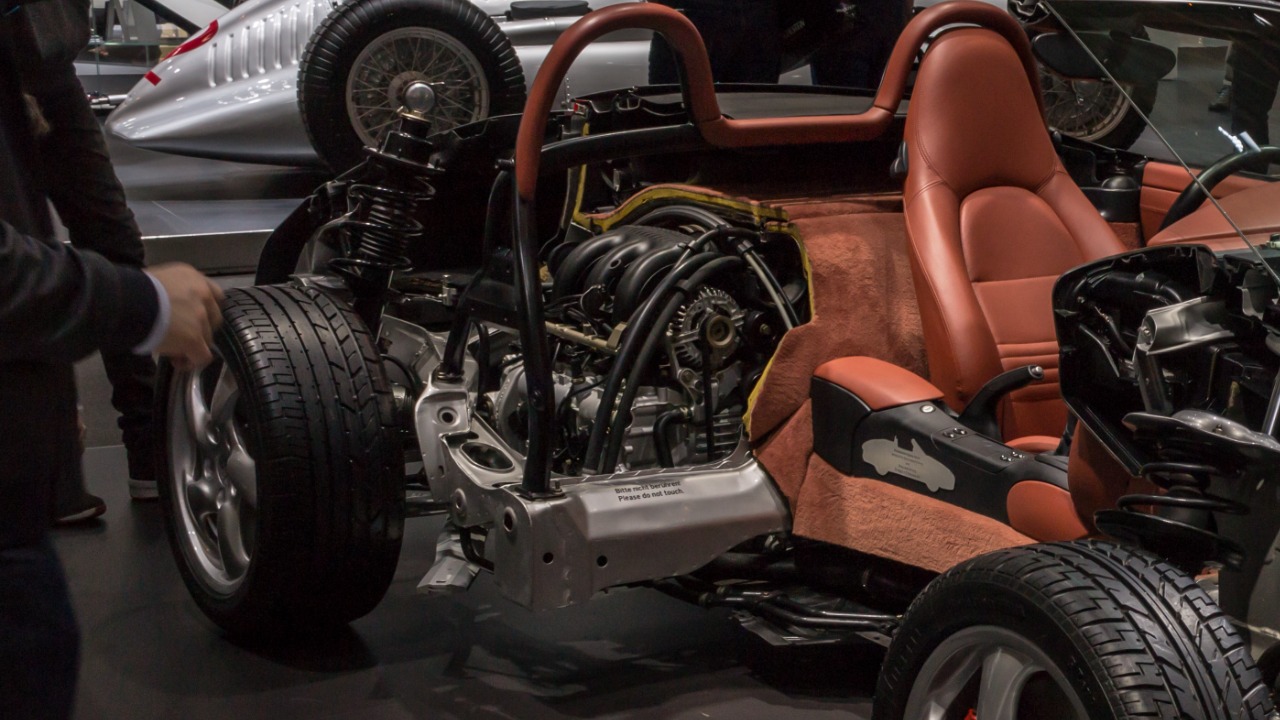
The Porsche 2.5L flat-six engine, often overshadowed by its more powerful siblings, has played a significant role in shaping the brand’s performance identity. Introduced in the early 1970s, this engine powered the legendary Porsche 911 models, including the 911 T and 911 E. With an output of around 150 horsepower, it may not seem like a powerhouse on paper, but its lightweight design and exceptional balance made it a joy to drive.
What I find fascinating about the 2.5L flat-six is its engineering excellence. Porsche’s approach to air-cooled engines allowed for a unique driving experience, with immediate throttle response and a distinct sound that enthusiasts cherish. This engine laid the foundation for the iconic 911’s reputation for handling and performance. Its understated nature combined with remarkable engineering has made the 2.5L flat-six a beloved choice among purists, proving that sometimes the greatest performance achievements come from the most unassuming sources.
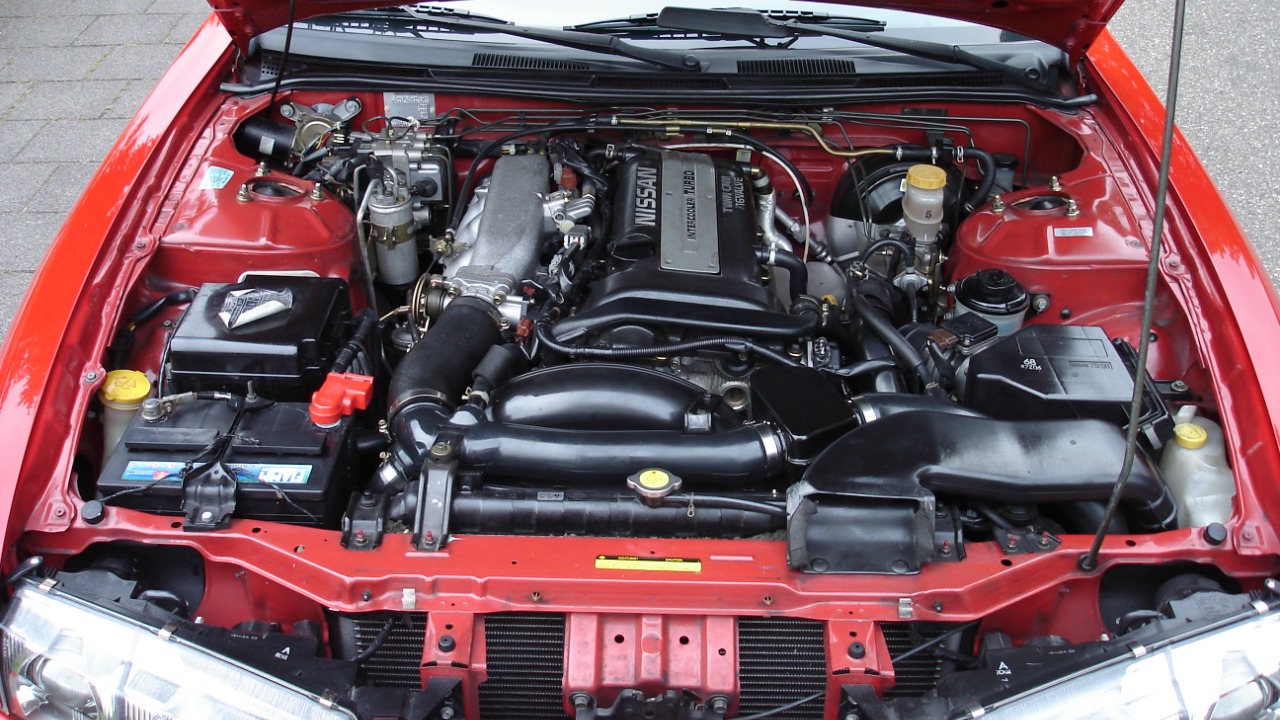
The Nissan SR20DET: The Boosted Champion of the Import Scene
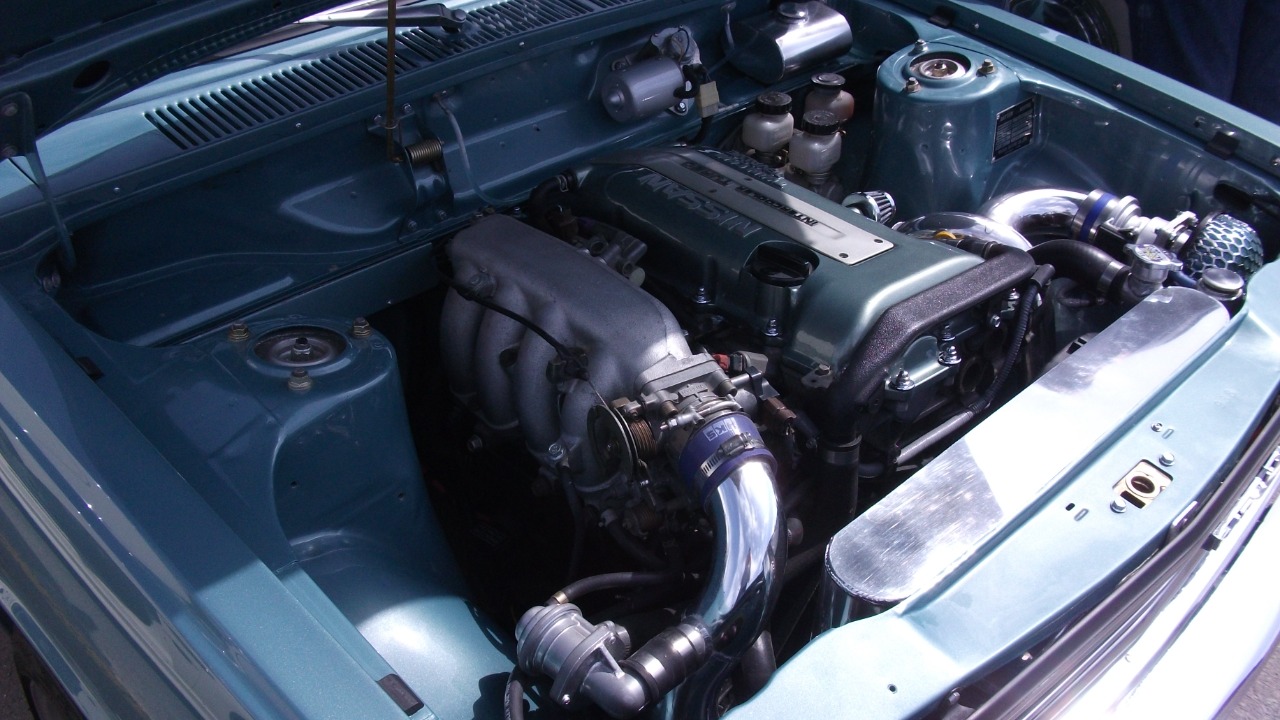
The Nissan SR20DET engine is a cornerstone of the import performance scene, yet it often flies under the radar compared to its contemporaries. Launched in the late 1980s, this 2.0L turbocharged inline-four engine powered models like the Nissan Silvia and 240SX. With power outputs ranging from 200 to over 300 horsepower in modified versions, the SR20DET quickly became a favorite among tuners and racers. Its ability to handle high boost levels and respond well to modifications made it a versatile platform for performance enthusiasts.
What makes the SR20DET particularly appealing is its widespread availability and affordability. Many enthusiasts have built impressive projects around this engine, showcasing its potential in various applications, from drift cars to street machines. The SR20DET’s legacy is a testament to how a well-engineered engine can create a vibrant aftermarket community, ensuring its place in the pantheon of performance engines. As I consider its impact, I recognize the SR20DET as a true champion of the import scene, quietly transforming the landscape of performance cars.
More from Fast Lane Only
- Unboxing the WWII Jeep in a Crate
- 15 rare Chevys collectors are quietly buying
- 10 underrated V8s still worth hunting down
- Police notice this before you even roll window down
*Research for this article included AI assistance, with all final content reviewed by human editors.