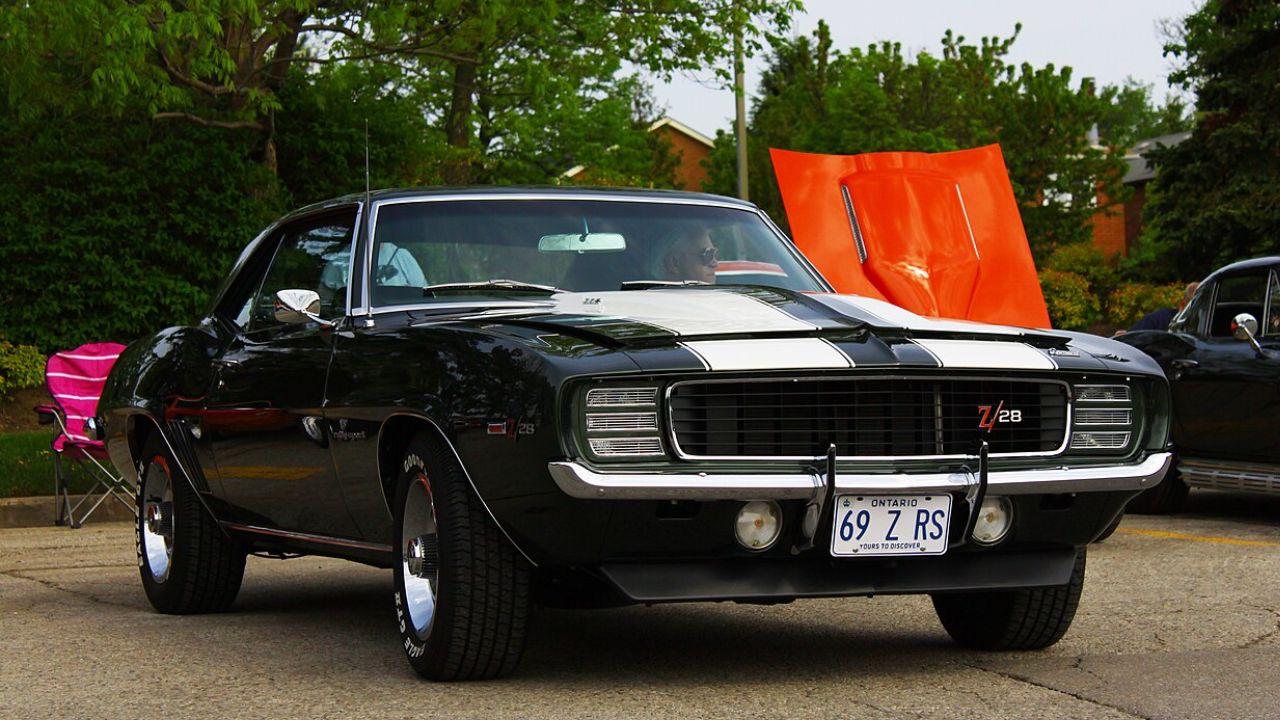
The Chevrolet Camaro has always shared a close connection with motorsports. From Trans-Am competition to modern track-focused engineering, Chevrolet repeatedly adapted race-proven technology for street use. These Camaros delivered aggressive performance, sharper handling, and unmistakable styling, allowing enthusiasts to experience a taste of racing every time they got behind the wheel.
1967 Chevrolet Camaro Z/28

The 1967 Camaro Z/28 was developed to homologate Chevrolet’s entry into the SCCA Trans-Am Championship. Powered by a high-revving 302-cubic-inch V8 and equipped with performance suspension upgrades, it delivered exceptional balance and handling. It established the Z/28 as one of America’s greatest road-racing muscle cars.
1969 Chevrolet Camaro Z/28
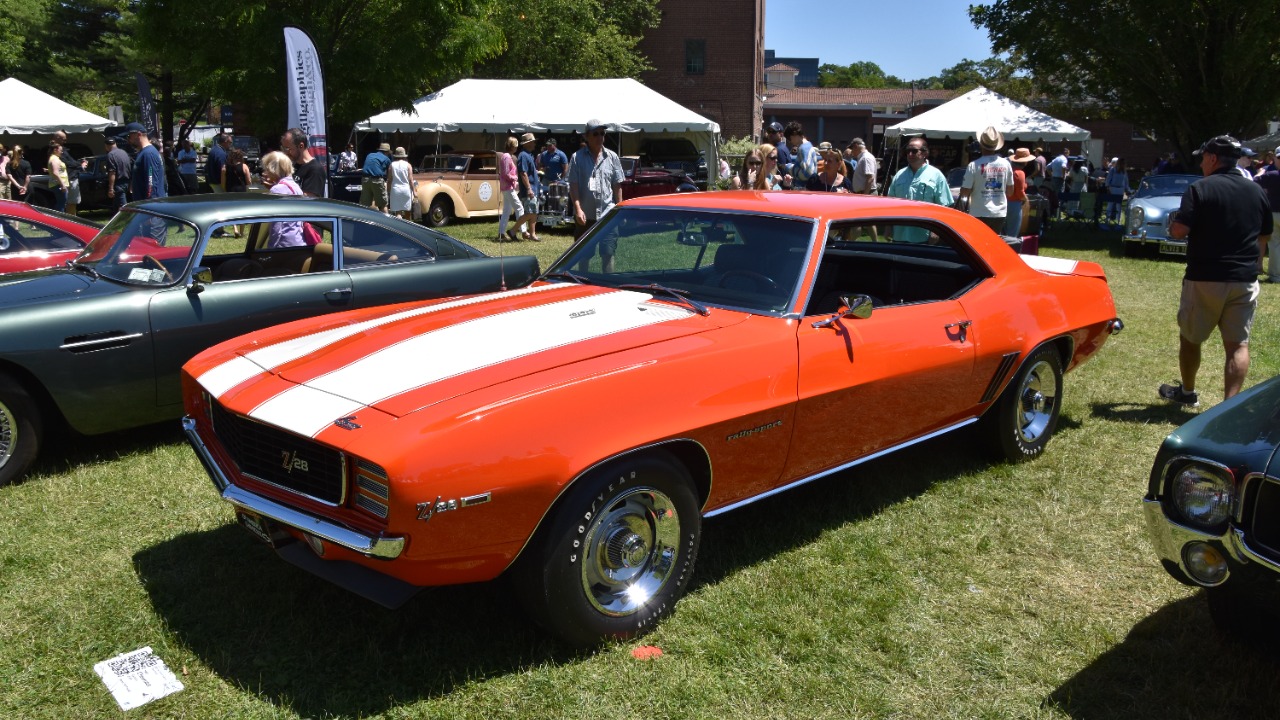
The 1969 Camaro Z/28 refined the original formula with improved suspension tuning, four-wheel disc brakes as an option, and distinctive styling. Its race-inspired engineering made it equally capable on winding roads and competitive circuits. Today, it remains one of the most celebrated Camaros ever built.
1970 Chevrolet Camaro Z28
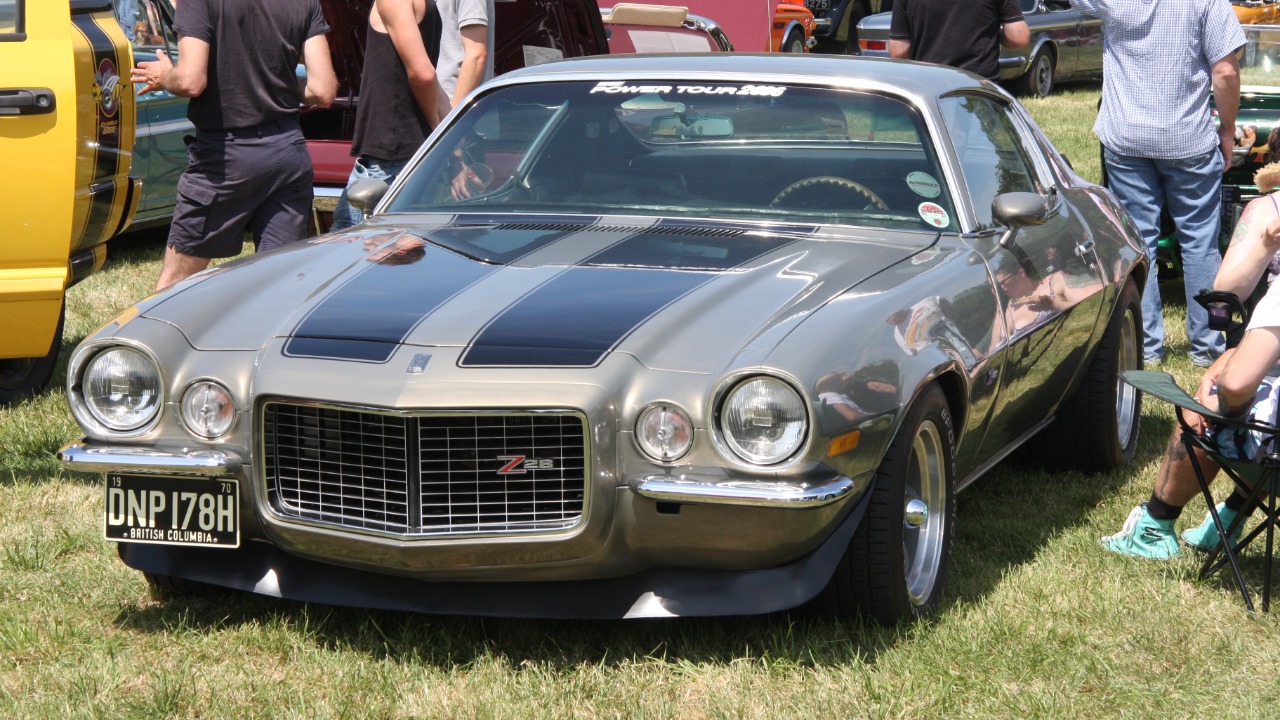
The second-generation Camaro Z28 introduced a sophisticated chassis that significantly improved cornering ability over its predecessor. Combined with a high-performance small-block V8, it reflected Chevrolet’s continued commitment to road-racing performance. Many enthusiasts consider it one of the finest handling classic Camaros.
1985 Chevrolet Camaro IROC-Z
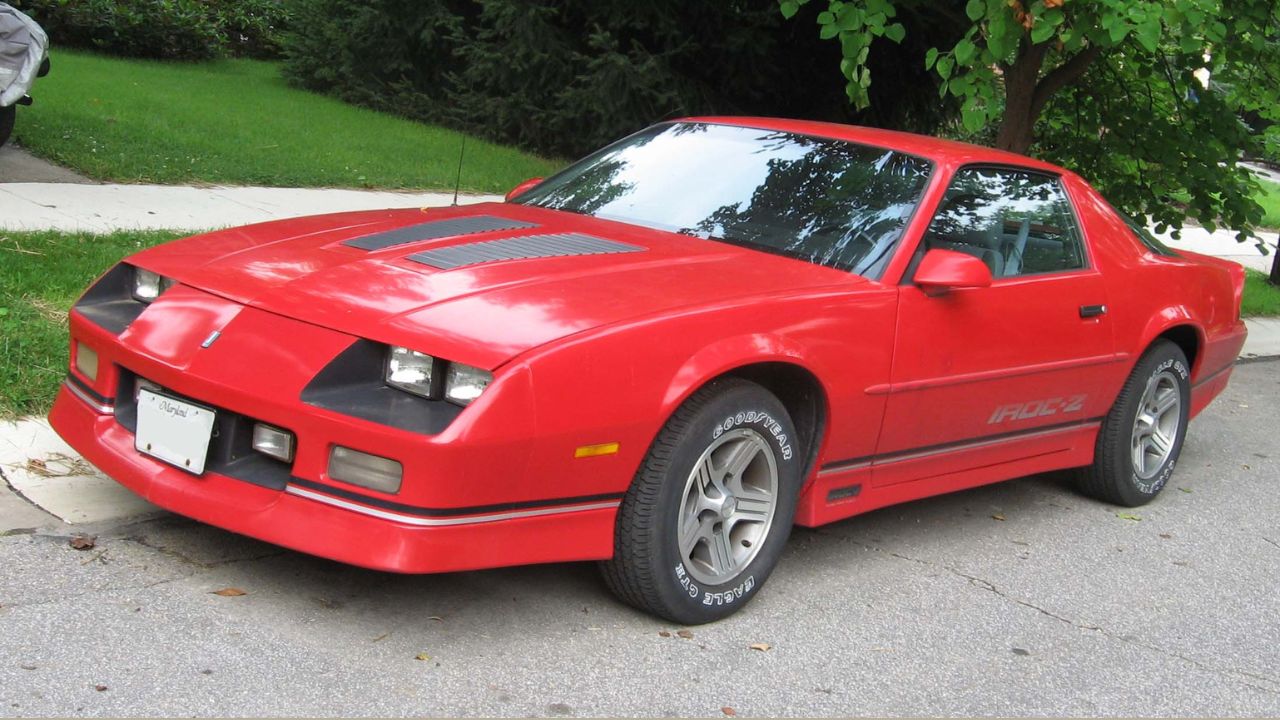
Named after the International Race of Champions series, the IROC-Z featured upgraded suspension, improved aerodynamics, and powerful V8 engine options. It restored the Camaro’s performance reputation during the 1980s while bringing genuine race-inspired engineering to everyday drivers.
1993 Chevrolet Camaro Z28
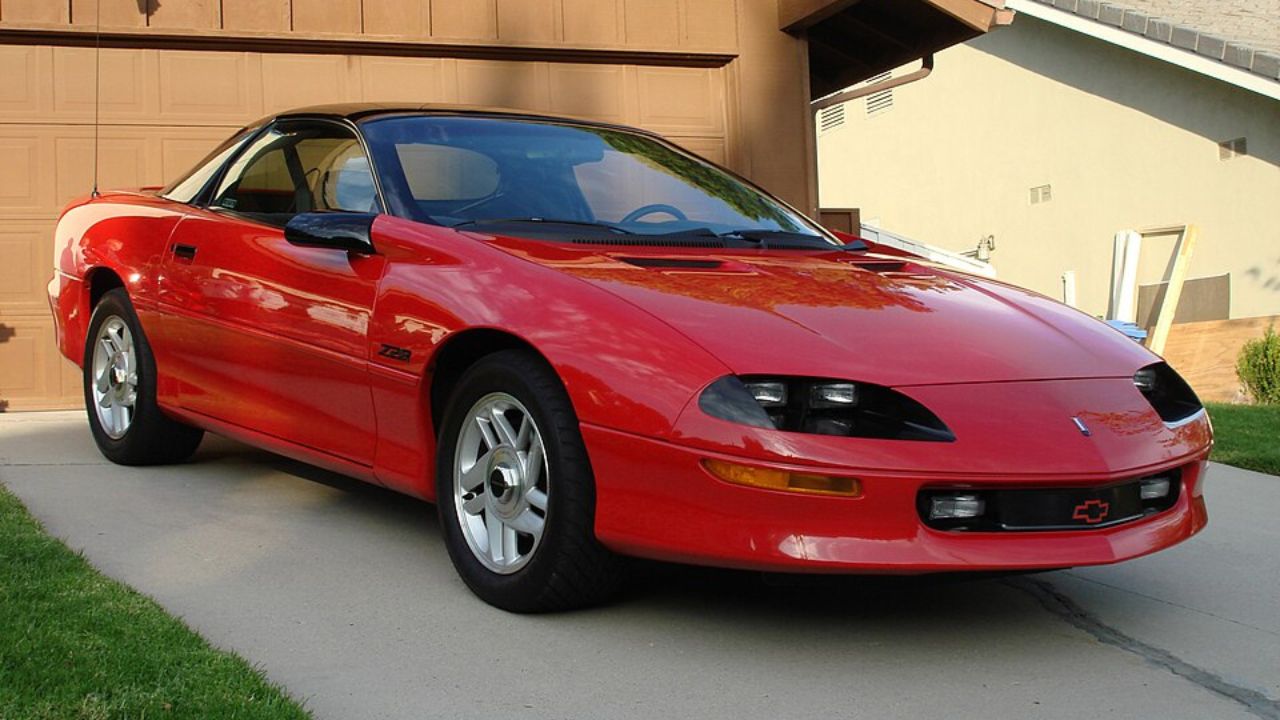
The all-new fourth-generation Camaro Z28 debuted with the LT1 V8, delivering strong performance and a modern chassis. Improved aerodynamics, better handling, and increased power helped reestablish the Camaro as one of America’s premier performance coupes during the 1990s.
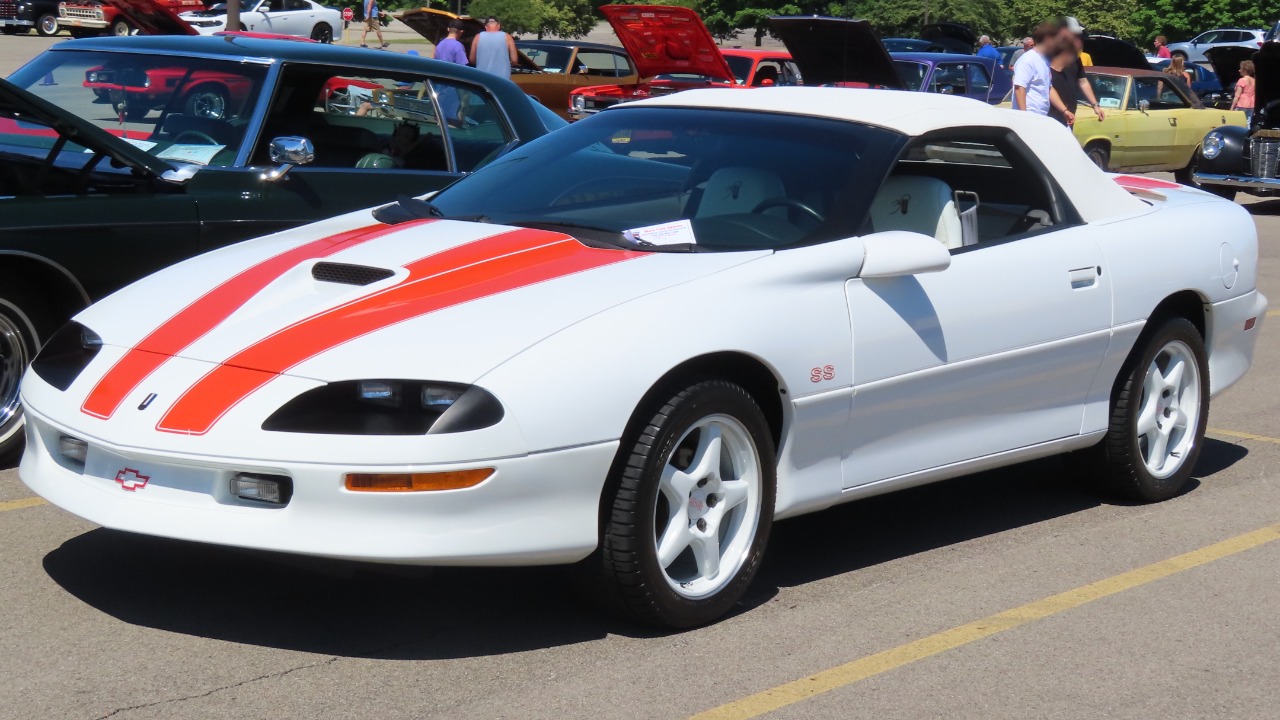
2002 Chevrolet Camaro SS 35th Anniversary
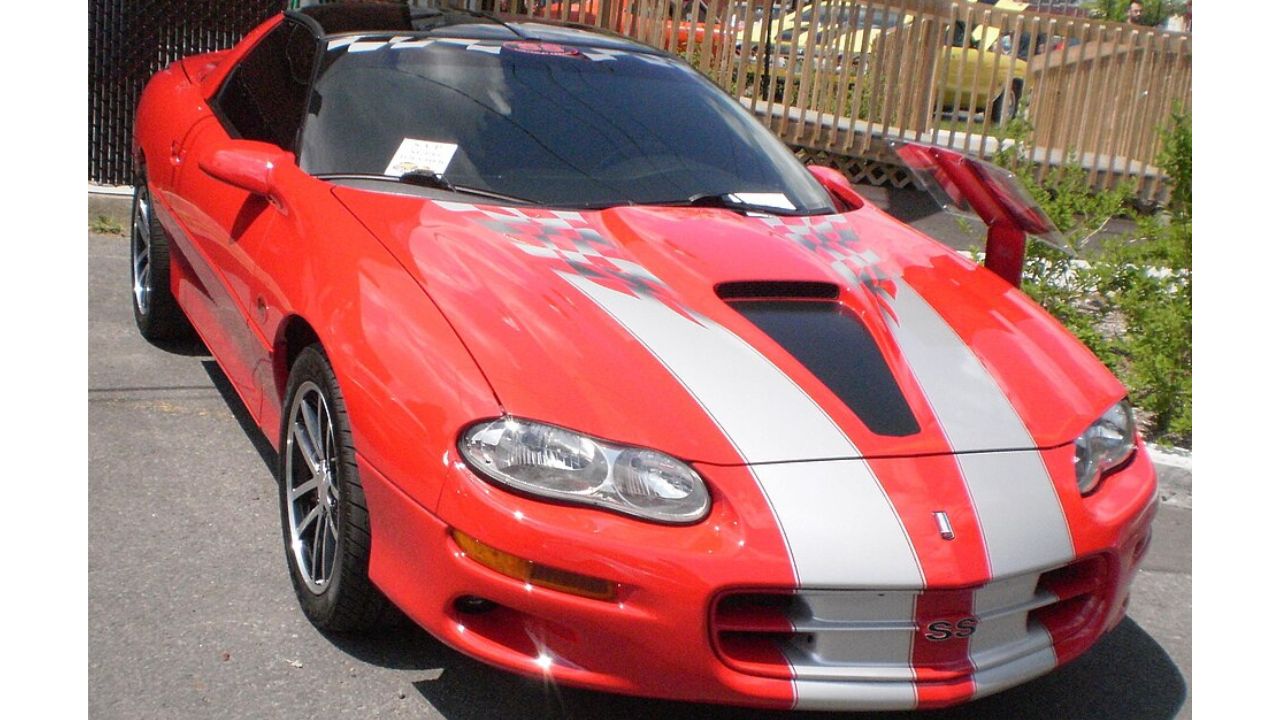
The 2002 Camaro SS 35th Anniversary celebrated the end of fourth-generation production with LS1 V8 power and distinctive appearance upgrades. Combining proven performance with limited-production appeal, it became a fitting tribute to decades of Camaro racing heritage before production paused.
2014 Chevrolet Camaro Z/28
The 2014 Camaro Z/28 returned as a track-focused machine featuring a naturally aspirated 7.0-liter LS7 V8, carbon-ceramic brakes, and extensive weight reduction. Built primarily for road-course performance rather than straight-line speed, it became one of the most capable factory Camaros ever produced.
2018 Chevrolet Camaro ZL1 1LE
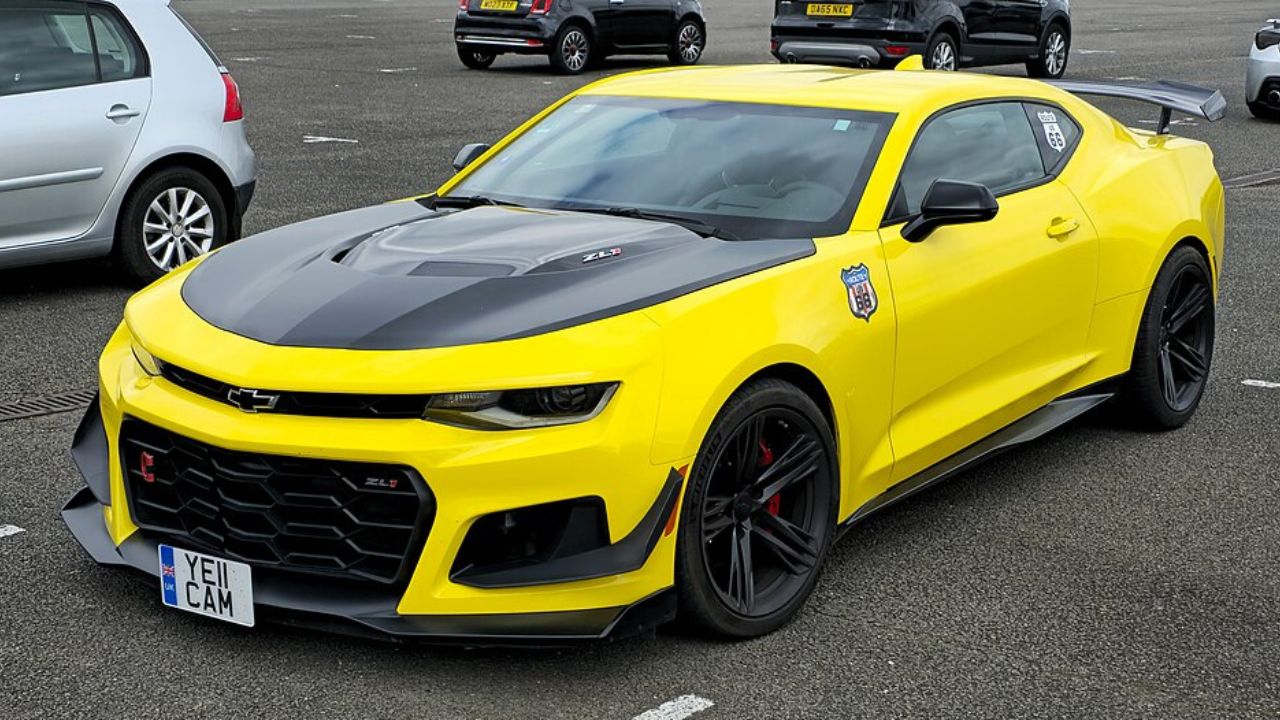
The 2018 Camaro ZL1 1LE combined a 650-horsepower supercharged LT4 V8 with advanced Multimatic DSSV dampers, aerodynamic enhancements, and race-ready suspension tuning. Designed to excel on demanding road courses, it demonstrated how closely a modern production Camaro could resemble a professional racing car while remaining fully street legal.
More from Fast Lane Only
- Unboxing the WWII Jeep in a Crate
- 15 rare Chevys collectors are quietly buying
- 10 underrated V8s still worth hunting down
- Police notice this before you even roll window down
*Research for this article included AI assistance, with all final content reviewed by human editors