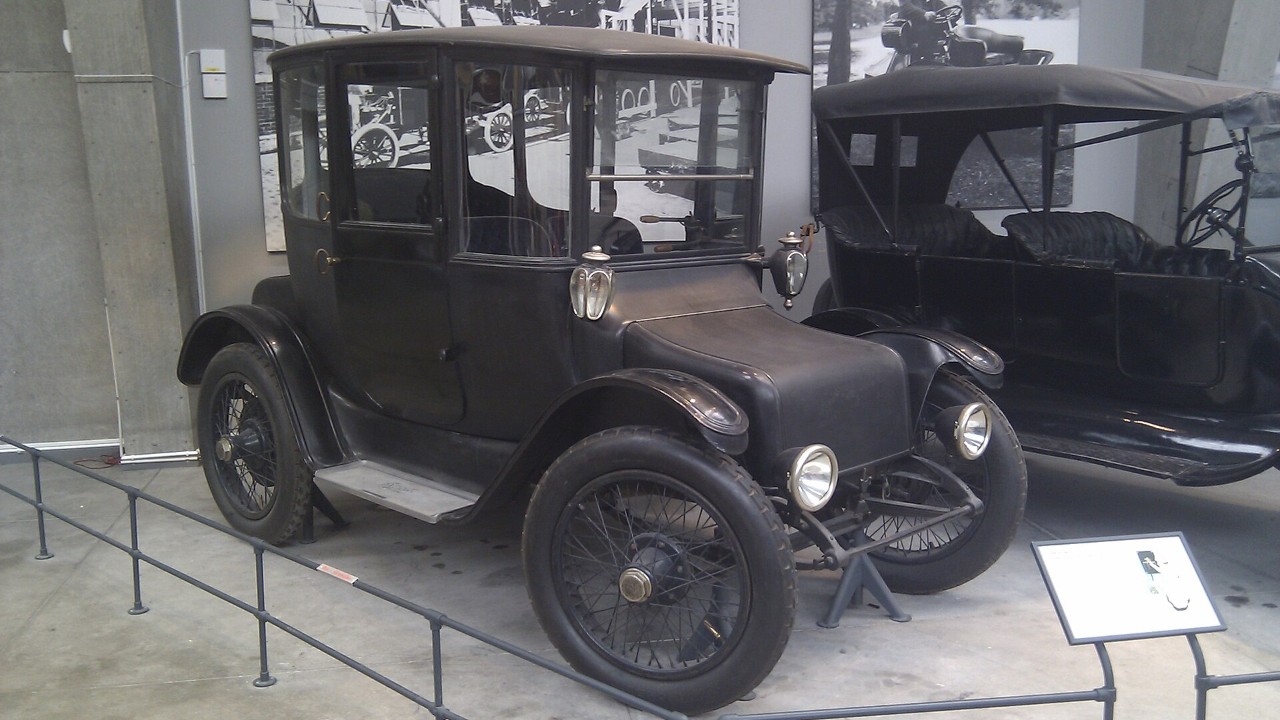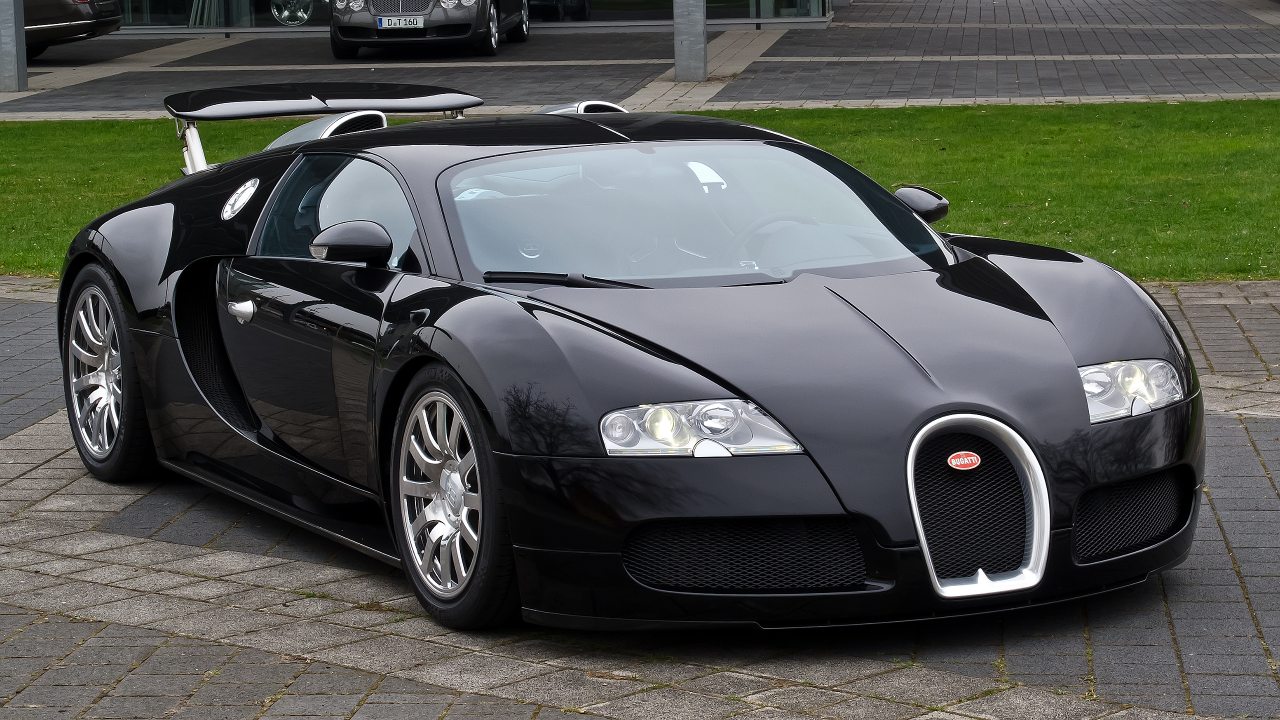
The automotive world has witnessed a significant transformation with the rise of turbocharged performance cars. These vehicles, known for their impressive power and efficiency, have captured the imagination of car enthusiasts and consumers alike. The history, technological advancements, and cultural impact of turbocharged engines in the performance car segment are profound.
The History of Turbocharging
Early Developments and Innovations
Turbocharging has its roots in aviation, where engineers originally developed the technology to improve aircraft performance at high altitudes. It wasn’t long before automotive pioneers saw its potential for cars, particularly in racing. Key figures like Swiss engineer Alfred Büchi, who patented the turbocharger in 1905, laid the groundwork for future applications. Companies like General Motors and BMW were among the first to experiment with turbochargers, bringing them into the realm of automobiles and motorsport.
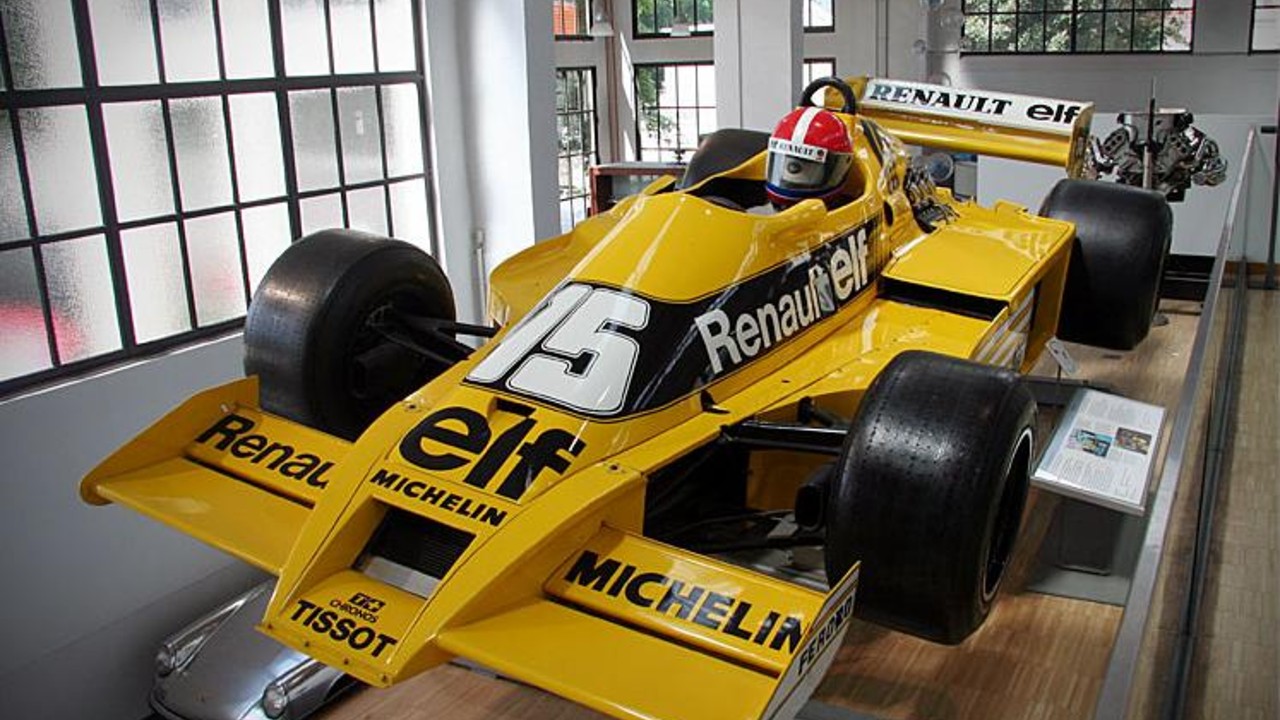
In the racing world, turbochargers were initially used to give an edge in competitions. The 1960s and 70s saw major advancements with Formula 1 teams like Renault adopting turbocharging, which revolutionized the sport. By the end of the 1970s, the turbocharged Renault RS01 had demonstrated the potential of this technology, paving the way for widespread adoption in road cars.
The Turbo Boom of the 1980s and 1990s
The 1980s and 1990s marked a significant era for turbocharged cars, as manufacturers embraced the technology to create high-performance vehicles for the masses. Models like the 1984 Ford Mustang SVO and the 1987 Buick Grand National became icons of turbocharged performance. These cars not only offered impressive speed but also showcased the potential for enhanced fuel efficiency.
During this period, Japanese manufacturers like Toyota and Nissan also entered the turbocharged market with models such as the Toyota Supra and Nissan 300ZX, further popularizing the trend. The allure of turbocharged cars during this era was not just about speed but also about the unique driving experience they offered, characterized by a thrilling surge of power.
Technological Advancements
Engineering Behind Turbocharged Engines
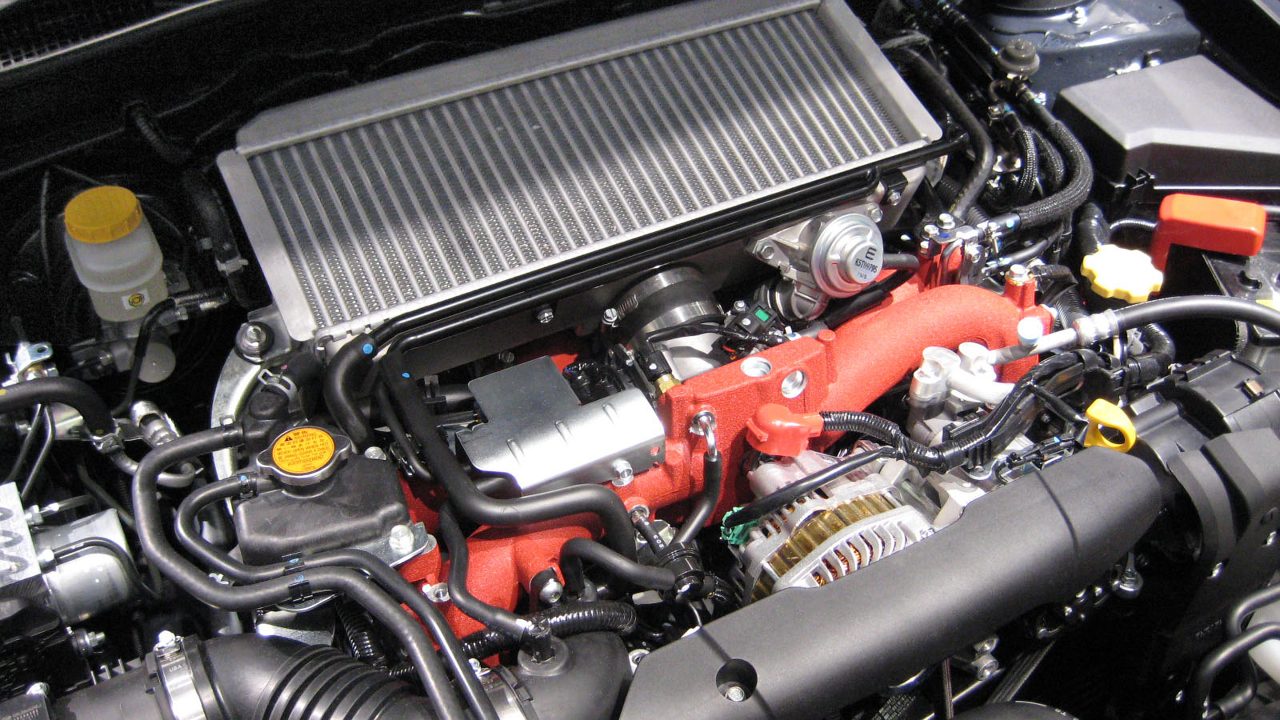
Turbochargers work by using exhaust gases to spin a turbine, which then compresses air entering the engine. This process allows more air and fuel to be combusted, resulting in greater power output than naturally aspirated engines. Over the years, advancements in turbocharger design, such as the use of lightweight materials and variable geometry turbines, have significantly enhanced their performance and reliability.
Modern turbocharged engines benefit from sophisticated engineering that reduces turbo lag, improves throttle response, and increases overall efficiency. Innovations like twin-scroll turbos and electric-assisted turbochargers have further pushed the boundaries, offering performance once thought impossible in smaller displacement engines.
Integration with Modern Technology
The integration of electronic control systems has been crucial in optimizing turbocharged engines. Engine control units (ECUs) manage the air-fuel mixture, ignition timing, and boost pressure, ensuring that the engine operates efficiently under varying conditions. This level of precision has allowed manufacturers to extract maximum performance while maintaining reliability.
Additionally, the rise of hybridization and electrification has influenced turbocharged vehicles. Manufacturers are now exploring turbocharging in combination with electric motors to create hybrid powertrains that offer the best of both worlds: instant electric torque and high-end turbocharged performance. This hybrid approach is exemplified by models like the Porsche Panamera Turbo S E-Hybrid, which combines a turbocharged V8 with an electric motor for blistering performance and improved efficiency.
Environmental and Economic Factors
Fuel Efficiency and Emissions
One of the key benefits of turbocharging is its ability to improve fuel efficiency without compromising power. By allowing smaller engines to produce more power, turbochargers help reduce overall fuel consumption. This advantage is particularly important in an era of stringent emissions regulations, where manufacturers are required to meet lower CO2 targets.
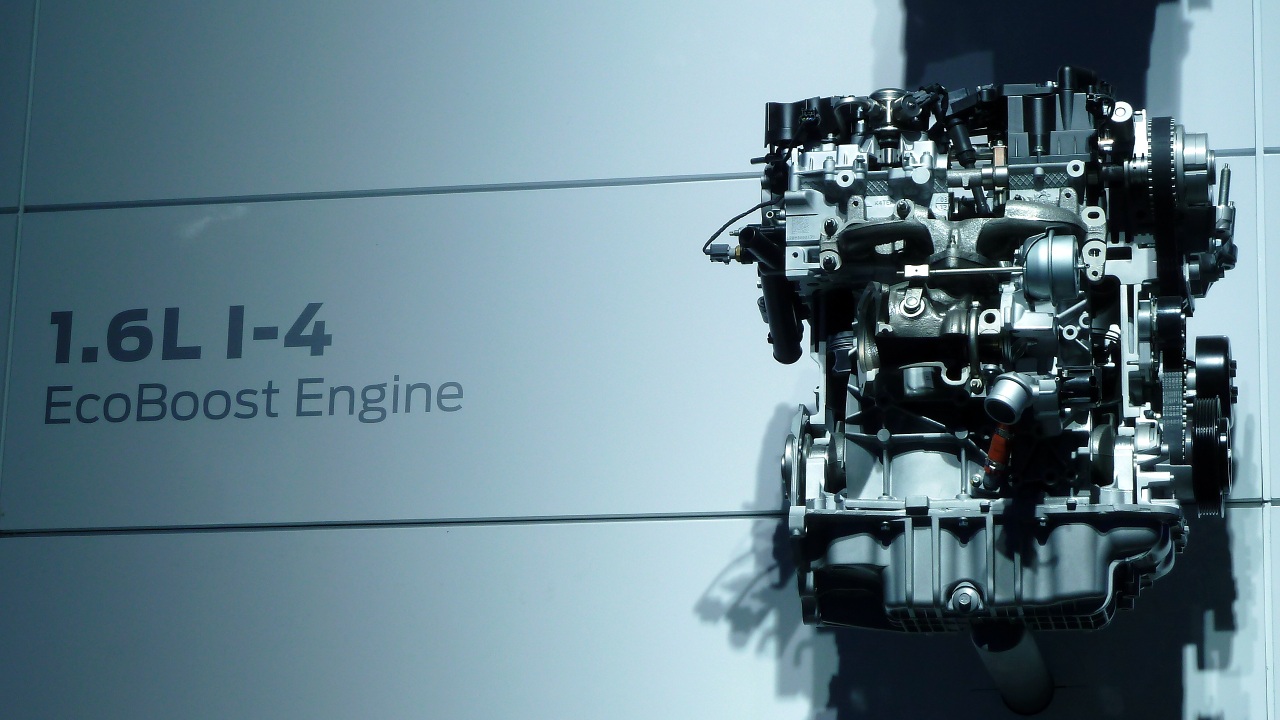
Turbocharged engines have become a crucial component in achieving these goals. For instance, Ford’s EcoBoost engines, which are turbocharged and direct-injected, offer significant fuel savings and reduced emissions compared to their naturally aspirated counterparts, making them a popular choice among consumers and environmental regulators alike.
Cost and Market Trends
Turbocharged engines offer economic advantages for both manufacturers and consumers. For automakers, turbocharging allows for engine downsizing, which can lead to cost savings in production while meeting performance expectations. For consumers, turbocharged vehicles often offer a better balance of performance and fuel economy, making them an attractive option in a competitive market.
The market has seen a noticeable shift towards turbocharged vehicles, driven by consumer demand for more efficient yet powerful cars. This trend is evident in the increasing number of models across various segments, from compact cars to luxury SUVs, that feature turbocharged engines as standard or optional equipment.
Cultural Impact and Popularity
Turbocharged Cars in Motorsport and Pop Culture
Turbocharged cars have left an indelible mark on motorsport, with their presence felt across several racing disciplines. In Formula 1, the turbo era of the 1980s is remembered for its powerful and sometimes unpredictable cars. In rally racing, turbocharged vehicles like the Lancia Delta Integrale and Subaru Impreza have become legends due to their success and distinctive engine sounds.
The cultural impact extends beyond the track, with turbocharged cars featuring prominently in movies, video games, and television. The “Fast and Furious” franchise, for example, has highlighted turbocharged cars, helping to popularize them among younger audiences. Video games like “Gran Turismo” and “Need for Speed” have also celebrated these vehicles, allowing players to experience the thrill of turbocharged performance virtually.
The Enthusiast Community
The rise of car clubs and online communities centered around turbocharged vehicles has fostered a global culture of enthusiasts. These groups provide a platform for sharing knowledge, showcasing modified cars, and organizing events. Social media has played a pivotal role in connecting fans worldwide, enabling them to exchange ideas and celebrate their shared passion for turbocharged performance.
Online forums and social media platforms like Instagram and YouTube have become hubs for turbocharged car culture, where enthusiasts can find reviews, demonstrations, and tutorials on modifying their vehicles. This vibrant community continues to grow, driven by a shared enthusiasm for the unique capabilities and experiences that turbocharged cars offer.