Modern fuel systems are far more reliable than the carbureted setups many drivers grew up with, yet a single everyday habit can quietly shorten the life of a fuel pump and turn a routine commute into an expensive breakdown. The mistake is not exotic or technical. It comes down to how low a driver lets the fuel gauge drop before heading to the pump.
Automakers design fuel pumps to last for years, but they depend on a steady bath of petrol for cooling and lubrication. When drivers repeatedly run the tank close to empty, that safety margin disappears, the pump runs hotter, and the odds of premature failure rise along with the repair bill.
What happened
For many drivers, the shift to low-fuel habits began as a money-saving tactic. As prices climbed, more people started stretching tanks to the last bar on the gauge, topping up in small amounts and waiting for warning lights before refueling. Over time, that pattern has become routine for a significant share of motorists, even though technicians have long warned that it can damage modern fuel systems.
Mechanics and breakdown services point to a recurring pattern: a car arrives on a tow truck, the driver reports that it recently ran very low on fuel, and inspection reveals a failed in-tank pump. The underlying issue is straightforward. Electric fuel pumps are typically mounted inside the tank, where they sit in a reservoir of petrol. The liquid cools the motor and helps lubricate its moving parts. When the level drops too far, the pump can start to draw in air along with fuel, which reduces cooling and can cause the pump to overheat. This risk is particularly acute in vehicles that are regularly driven with the gauge hovering around empty, as described in guidance on a common fuel habit that shortens pump life.
Running near empty also stirs up the bottom of the tank. Sediment and fine particles naturally accumulate there over time. When fuel is plentiful, the pump mainly draws from cleaner liquid above that layer. As the level falls, the intake sits closer to the debris. That material can clog the fuel filter and strain the pump as it works harder to maintain pressure. In severe cases, contaminants can damage the pump internals themselves, leading to noisy operation and eventual failure.
The problem is not confined to older vehicles. Late-model cars and SUVs rely on high-pressure pumps to feed precise fuel injection systems. These pumps are engineered to tight tolerances and are less forgiving of overheating or contamination. A driver who regularly waits for the warning light before refueling a 2018 Ford Focus, a 2020 Volkswagen Golf, or a 2022 Vauxhall Corsa is subjecting a modern pump to the same stresses that have long plagued older designs, only now the replacement parts and labor are more costly.
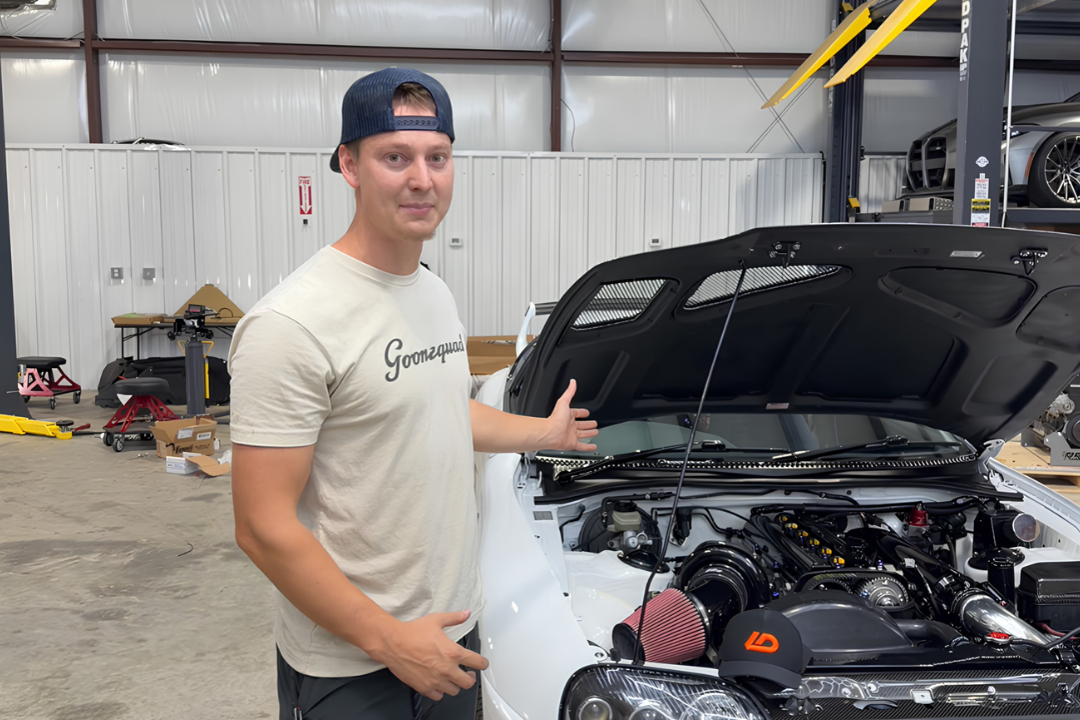
Real-world maintenance stories highlight how this plays out over time. Enthusiast accounts of long-term ownership show that even well-built pumps eventually fail, especially in cars that have covered high mileages. In one detailed example involving a BMW 5 Series E39, a long-serving pump was replaced as part of a broader refresh that also addressed the cooling system, with the owner documenting how the new in-tank unit restored consistent fuel delivery after years of gradual decline. That experience, described in a project write-up on an E39 fuel pump replacement, mirrors what many independent garages see when drivers push components well beyond their intended operating conditions.
Manufacturers do not publish a fixed lifespan for fuel pumps, but technicians often encounter premature failures in cars that are otherwise well maintained yet routinely driven on a near-empty tank. The pattern is consistent across brands and segments, from compact hatchbacks to large SUVs. Running low occasionally is unlikely to cause immediate damage, but treating the warning light as a routine signal rather than an exception gradually erodes the pump’s margin for error.
Why it matters
The consequences of this simple habit reach well beyond an inconvenient stall. A failed fuel pump can leave a driver stranded on a motorway shoulder or a busy urban junction, with limited options other than a tow. That breakdown risk grows in hot weather, when high ambient temperatures combine with low fuel levels to push pump temperatures higher. For families who rely on a single car for work and school, a sudden failure can disrupt schedules and create unexpected costs.
Financially, the repair is rarely minor. Replacing an in-tank pump requires draining the tank and accessing the unit through the rear seat or underbody. Parts alone can run into hundreds of pounds, and labor adds several hours of shop time. For many mainstream models, the total bill can approach or exceed four figures once diagnostic work and ancillary parts are included. Those costs are particularly painful when the underlying cause is a preventable pattern rather than an unavoidable defect.
Running the tank low also interacts with fuel economy strategies in ways that can backfire. Some drivers who stretch their tanks do so while making short, frequent trips and topping up in small increments. That approach can reduce the ability to shop around for better prices, and it may encourage harder acceleration as drivers rush to refuel before the gauge hits zero. By contrast, simple changes in driving style and planning can cut fuel bills without punishing the pump. Guidance on efficient habits, such as smoother acceleration, maintaining steady speeds, and planning routes to avoid congestion, shows that drivers can save significant amounts on fuel costs. One analysis suggested that adopting a set of straightforward techniques could save up to £100 on annual fuel bills, with the advice framed as a simple change in driving behavior rather than a complex modification.
From a safety perspective, the risk goes beyond the moment of breakdown. A car that loses fuel pressure can hesitate or cut out during overtaking or while merging onto fast-moving roads. Even if the engine restarts, that brief loss of power can surprise following drivers and increase the chance of a collision. Emergency services regularly warn that preventable breakdowns place both stranded motorists and passing traffic in harm’s way.
There is also a knock-on effect on other components. A struggling pump that cannot maintain proper pressure can cause the engine to run lean, which may trigger misfires or higher combustion temperatures. Over time, that stress can affect catalytic converters and oxygen sensors, adding further cost. While modern engine management systems attempt to compensate for low pressure by adjusting injection timing and duration, they cannot fully protect hardware from sustained operation outside its design window.
For owners of performance-oriented or older enthusiast cars, the stakes can be even higher. Vehicles like the BMW E39, the Mazda MX-5, or the Volkswagen Golf GTI often see spirited driving, which demands consistent fuel delivery under load. A marginal pump that overheats after repeated low-fuel runs may cope at low speeds but stumble during hard acceleration or on track days. Enthusiast communities frequently recommend replacing aging pumps proactively rather than waiting for a failure, especially when the car’s history includes regular low-fuel driving.
Environmental considerations add another layer. A car that breaks down in traffic can cause congestion and idling, which increases emissions from surrounding vehicles. While the direct impact of a single pump failure is small, widespread habits that shorten component life contribute to higher resource use through replacement parts and additional workshop activity. Extending the service life of fuel system components through simple behavioral changes aligns with broader efforts to reduce waste and keep vehicles operating efficiently.
Insurance and warranty implications also come into play. Manufacturer warranties typically cover defects in materials or workmanship, but they may exclude failures linked to improper use. While it can be difficult to prove that a specific pump failed solely because of low-fuel habits, drivers who consistently run near empty give manufacturers and insurers more grounds to argue that the component was not used as intended. For owners of used cars outside warranty coverage, the entire burden falls on personal finances.
All of this unfolds against a backdrop of rising living costs and tight household budgets. Many drivers stretch tanks because they feel they have little choice, prioritizing immediate cash flow over long-term maintenance. Yet the cost of a single pump replacement can wipe out years of small savings at the pump. When technicians urge customers to keep at least a quarter of a tank as a buffer, the advice is not about selling more fuel. It is about preserving expensive hardware and avoiding sudden, disruptive repair bills.
What to watch next
As fuel systems grow more sophisticated, the margin for neglect continues to shrink. Direct injection engines, higher operating pressures, and integrated pump modules give drivers better performance and cleaner emissions, but they also increase the sensitivity of components to overheating and contamination. The simple habit of running on fumes carries more risk in a 2024 hybrid crossover than it did in a 1990s hatchback with a low-pressure external pump.
Drivers who want to protect their fuel pumps can start with a few practical steps. One is to treat the low-fuel warning light as an alert, not a routine trigger. Refueling when the gauge drops to around one quarter rather than waiting for the light helps keep the pump submerged in fuel, which improves cooling and reduces the chance of drawing in air. Planning routes to combine errands into a single trip can reduce the temptation to stretch the tank, since the car will already be near a filling station during regular outings.
Monitoring changes in pump noise and engine behavior also matters. A healthy in-tank pump typically emits a faint hum when the ignition is switched on, then blends into the background once the engine is running. If that hum becomes louder, more irregular, or accompanied by hesitation under acceleration, it may signal that the pump is struggling. Addressing those symptoms early, rather than waiting for a complete failure, can sometimes limit collateral damage to filters and injectors.
Owners of older cars or high-mileage vehicles should pay particular attention. As shown by the BMW E39 example, replacing a tired pump before it fails outright can restore performance and reduce the risk of being stranded. Pairing that work with a fresh fuel filter and a check of the electrical connections helps ensure that the new pump operates within its intended parameters. For cars that have spent years running on low tanks, a technician may also recommend inspecting the inside of the tank for sediment or corrosion.
Fuel pricing trends will continue to influence how drivers approach the gauge. When prices rise, some motorists will inevitably try to stretch intervals between full fills. Policymakers and consumer groups that offer fuel-saving advice have an opportunity to emphasize habits that cut consumption without harming hardware. Strategies such as maintaining proper tyre pressure, removing unnecessary roof boxes, and moderating speed can deliver measurable savings while keeping the fuel system healthy.
More from Fast Lane Only