Pop the hood on a recent model and feel instantly lost, and you are not imagining it. Newer cars really are harder to repair, largely because you are no longer dealing with a machine first, but a computer that happens to have wheels. That shift in design philosophy changes how you diagnose problems, access parts, and even who is allowed to touch the software that keeps your car running.
Drivers now enjoy safety, comfort, and performance that owners of older vehicles could only dream about, but that progress comes with added complexity and cost. To understand why your neighbor could rebuild a carburetor in the driveway while you are staring at a sealed plastic cover, you have to look at how automakers have packed more technology into every inch of the car and tightened their grip on the tools needed to fix it.
From open engine bays to computers on wheels
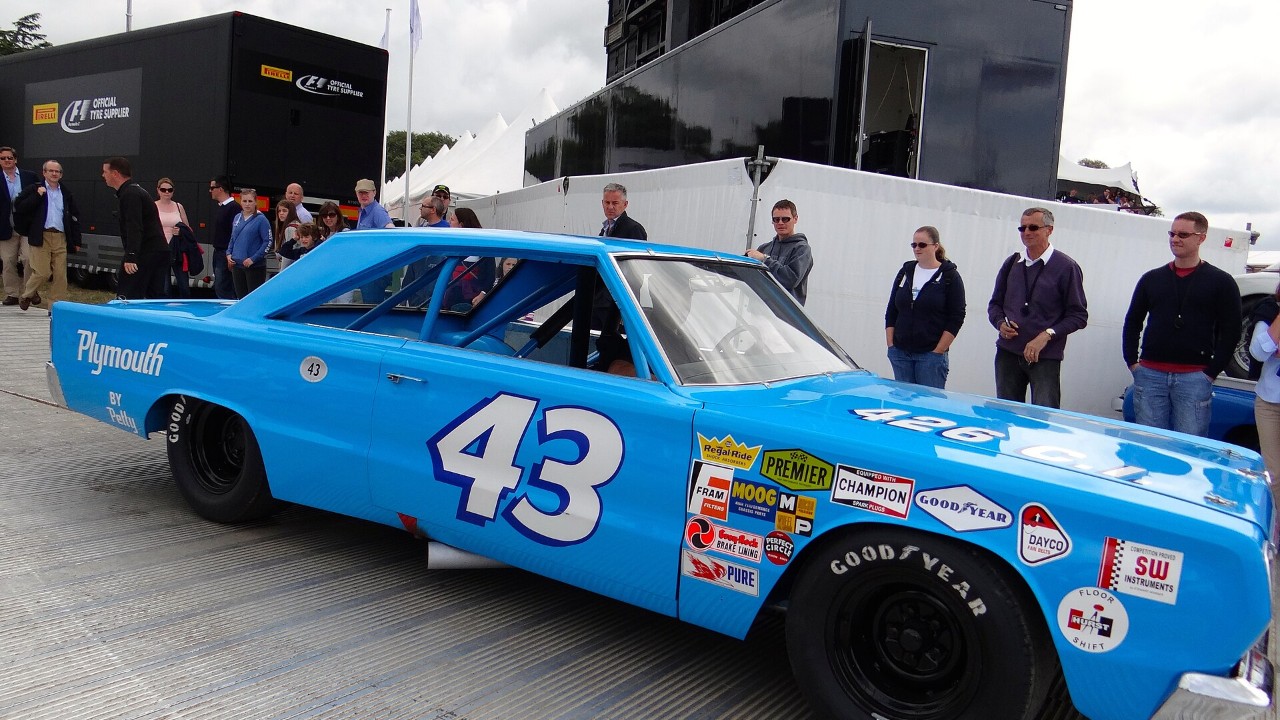
Compare a classic engine bay to what you see when you lift your own hood and the difference is physical as well as digital. In one video of a 50-year-old car, a technician casually steps into the space next to the engine and points out how the brake parts and other components sit in plain view. You could reach almost anything with a basic socket set. In a newer car, by contrast, critical parts disappear under layers of plastic panels, wiring harnesses, and tightly packed accessories routed to satisfy crash rules, emissions standards, and aero targets, not your knuckles.
That packaging is more than a styling choice; it reflects the fact that your car now carries a network of control modules and sensors that rival a small office network. Modern crossovers like the Toyota RAV4 and electric models such as the Tesla Mo based vehicles are described as veritable computers on wheels because the digital systems do as much work as the mechanical parts. As one technician-focused analysis puts it, Every hour, somewhere, a shop owner is scratching their head over a problem that would have been straightforward when the car was mostly metal and vacuum lines. You are dealing with a different species of machine, and that alone makes quick, cheap repairs far less common.
Technology that saves you on the road slows you in the shop
The same features that keep you in your lane and connect your phone also add layers of work any time you need a fix. A modern compact sedan can carry a system of cameras that read lane markings and an electronic steering rack that can gently nudge you back between the lines, along with radar units for adaptive cruise and ultrasonic sensors for parking. When one of those sensors lives behind a bumper or grille, a simple fender bender stops being a matter of pulling metal and becomes a job that includes electronics, calibration, and software checks. Collision specialists describe how complex technology in turns what used to be quick bodywork into a multi-step process that is slower and more expensive.
The same pattern shows up in routine mechanical work. When your car relies on direct injection, variable valve timing, and turbocharging to hit its power and emissions targets, you are no longer just bolting on a part and calling it good. Owners talking through their experiences in a Comments Section thread highlight how Shishamylov argues that absolutely newer engines demand more attention, because most systems are engineered to the edge of efficiency. You get more power out of smaller engines, but you also inherit fuel system quirks, carbon buildup issues, and oil requirements that punish you if you skip intervals. The tech that helps you at the pump and on the highway quietly raises the skill floor for anyone who tries to service the car.
Design choices that lock you out of your own car
Even if you are willing to learn, you often run into walls that have nothing to do with your mechanical ability. Owners and technicians in a Modern cars discussion describe how 100% of their experience points to newer models being a nightmare for the handyman mechanic, because so many tasks require proprietary scan tools, security codes, or software access that only dealers or licensed shops can get. You can still change oil and rotate tires, but once you reach for a sensor, a control module, or even a battery on some hybrids, you are in territory where the car may not accept the repair unless the work is paired with a software update or a coded part.
That tension has helped fuel a broader right to repair movement, which argues that you should have the same legal ability to fix your car that you have to fix your bicycle or your lawn mower. Advocates point out that manufacturers often lock down diagnostic data and repair procedures behind paywalls or contracts, then argue that only their network can safely touch the vehicle. Groups tracking these fights, such as those behind the right to repair campaigns, frame the issue in simple terms: you paid for the car, but you do not fully control the information needed to keep it on the road. For you, that can translate into higher bills, longer waits for appointments, and fewer independent shops in your area that feel confident taking on late-model vehicles.
Why independent mechanics say newer is harder
Ask people who turn wrenches for a living and you hear a consistent story. In a thread where mechanics on Cartalk Reddit trade notes, one voice explains that there are still lemons, just like there always have been, but as a statistically backed generalized statement, the newer of a car you own, the less repairable it is by traditional means. That does not mean your newer car is doomed to constant breakdowns; it means that when something does go wrong, you are more likely to need specialized gear and training to chase the fault. For an independent shop, that often involves buying subscriptions, attending classes, and investing in diagnostic platforms that must be updated constantly to keep up with new models.
Trade-focused reporting backs up what those mechanics describe from the bay. Analysts who track shop performance say that cars these days are often significantly more complex than the vehicles they replaced, and that average repair times and costs have climbed. One detailed look at shop data notes that costs have jumped since 2019, in part because technicians spend more time diagnosing electronic issues and more hours following manufacturer procedures that are written with liability, not speed, in mind. You feel that in your wallet, and your mechanic feels it as pressure to work faster while juggling more complicated jobs.
What this means for you as a driver
All of this complexity can leave you feeling powerless, but you have more options than you might think. One reason some owners choose to hang on to older vehicles is that they find cheap DIY work nearly impossible on new models, a frustration captured in videos explaining Why Some Drivers simpler systems. If you are shopping, that might nudge you toward a slightly less loaded trim with fewer electronic gadgets, or toward a model with a reputation for using more standardized parts. When you already own a tech-heavy car, the best move is to treat maintenance as prevention rather than an afterthought, because skipping a fluid change or ignoring a warning light can snowball into a problem that only a specialist can unravel.
More from Fast Lane Only