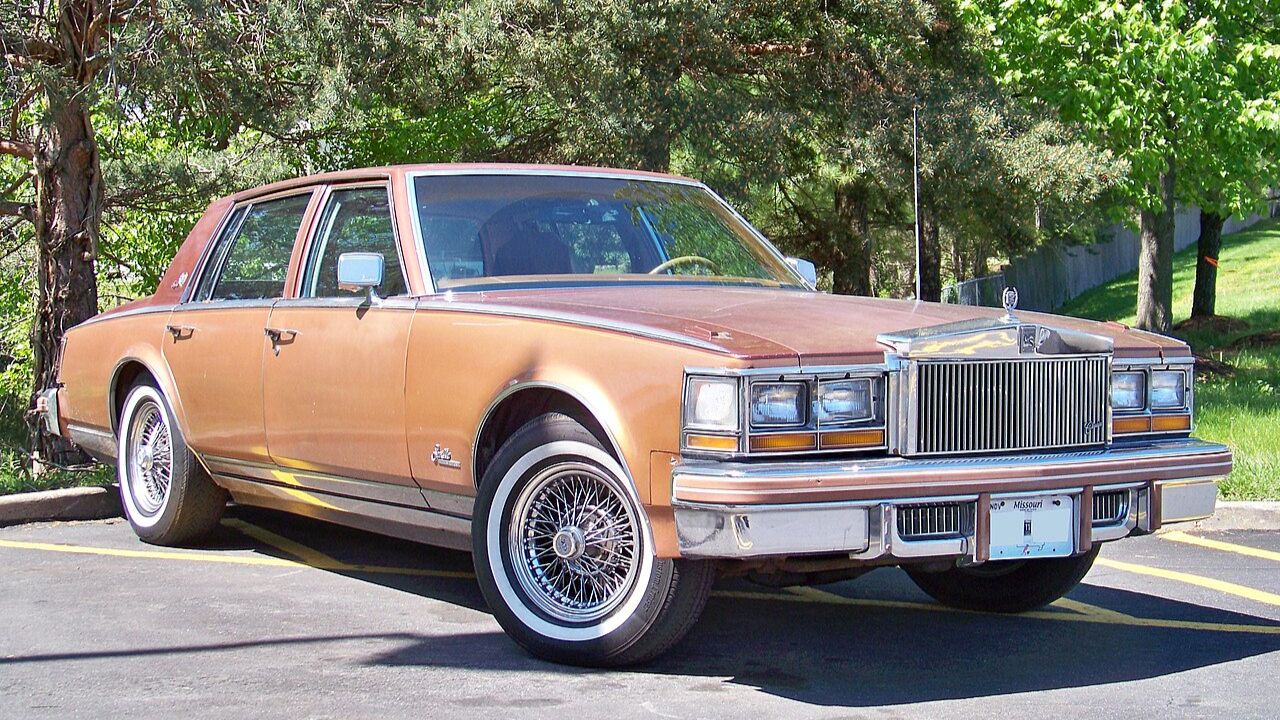
The 1975 Cadillac Seville marked a pivotal shift in Cadillac’s design philosophy, departing from the brand’s traditional aesthetics. This transition was not merely a stylistic choice, but rather a response to evolving market demands and consumer preferences. The Seville aimed to redefine the luxury sedan segment, signaling a new era for Cadillac as it sought to appeal to a younger, more diverse clientele.
The Historical Context of Cadillac Design
Cadillac has long been synonymous with American luxury, boasting an impressive lineage of vehicles that exemplified opulence and style. Models like the Cadillac Eldorado and the Fleetwood series dominated the roads through the 1960s, showcasing the brand’s commitment to lavish interiors and powerful performance. These vehicles emphasized size and grandeur, often featuring tail fins and chrome accents that became emblematic of the luxury automotive market during that time.
However, the landscape began to change dramatically in the early 1970s due to the oil crisis and shifting economic conditions. These factors prompted consumers to reconsider their purchasing decisions, leading to a demand for smaller, more fuel-efficient vehicles. Cadillac, historically associated with larger, gas-guzzling cars, found itself at a crossroads. The brand had to adapt to meet new consumer expectations while still maintaining its prestigious image.
The Birth of the Seville
The introduction of the Seville in 1975 marked a significant departure from Cadillac’s established design conventions. As a compact luxury sedan, the Seville was strategically developed to attract a younger demographic that was beginning to dominate the market. The design team faced numerous challenges, including how to encapsulate Cadillac’s signature luxury while embracing a more modern, compact form. This was a delicate balancing act, as they needed to retain the brand’s identity while innovating to capture the attention of new buyers.
European luxury cars heavily influenced the Seville’s design philosophy. The compact dimensions and elegant styling of vehicles like the Mercedes-Benz 280 and BMW 2002 served as models for Cadillac’s new direction. The Seville incorporated these influences into its design, aiming for a more sophisticated and refined aesthetic that contrasted sharply with its predecessors. This shift was not just about size; it represented a broader rethinking of what luxury could mean in the context of the 1970s.
Design Features That Set the Seville Apart
The Cadillac Seville’s exterior styling was a notable departure from the bold, finned designs of previous models. Instead of the exaggerated features that characterized earlier Cadillacs, the Seville adopted a more understated elegance, with a smooth silhouette and a refined front grille. The design included a sloping roofline that contributed to a more streamlined appearance, appealing to the sensibilities of a changing consumer base. The introduction of the “bustle-back” rear end gave it a unique identity that set it apart from any other Cadillac of its time.
Inside, the Seville continued to innovate with a cabin that emphasized comfort and luxury. High-quality materials such as leather upholstery and rich wood accents were employed to create a warm and inviting atmosphere. The layout was designed with the driver in mind, incorporating modern conveniences that reflected the changing expectations of luxury vehicle buyers. Features like power windows, climate control, and advanced audio systems became standard, demonstrating that Cadillac was committed to meeting the needs of its clientele.
The Impact of Market Research
Market research played a crucial role in shaping the Seville’s design and overall strategy. Cadillac’s management recognized the importance of consumer feedback and conducted extensive demographic studies to understand the evolving preferences of their target audience. This information revealed a clear shift towards smaller vehicles that offered both luxury and efficiency. The Seville was developed in direct response to these findings, as Cadillac sought to position itself competitively against rival brands that were successfully capturing market share.
Competitors like the Lincoln Continental and the BMW 5 Series were not just offering luxury; they were redefining it for a new era. Cadillac’s response was to create a vehicle that could stand toe-to-toe with these models while still retaining its distinctive brand identity. The Seville was thus designed to fulfill this need, blending the prestige of the Cadillac name with a more contemporary approach to automotive design.
Marketing Strategies and Public Reception
The marketing campaign for the Seville was as innovative as the car itself. Cadillac aimed to capture the attention of a younger audience while reassuring traditional customers that the brand’s essence remained intact. The advertising emphasized the Seville’s unique blend of luxury and modernity, portraying it as the perfect vehicle for the discerning driver who desired both style and substance. Commercials highlighted the Seville’s features, showcasing its elegant design and advanced technology, which appealed to a new generation of car buyers.
Public reception was initially mixed. Critics lauded the Seville for its design and innovation, but traditional Cadillac enthusiasts were less enthusiastic, often expressing concern over the departure from the classic Cadillac aesthetic. Over time, however, the Seville began to establish its own identity within the Cadillac lineup. Its portrayal in various media, including television and print ads, helped solidify its status as an iconic model in Cadillac’s history.
Technical Specifications and Performance
The engineering advancements that accompanied the Seville’s design were significant. It was equipped with a 5.7-liter V8 engine, providing a balance of power and fuel efficiency that was increasingly important in the context of the 1970s oil crisis. The vehicle featured a front-wheel-drive layout, which was relatively uncommon for luxury sedans at the time, enhancing handling and ride comfort. This technical shift not only improved performance but also contributed to the Seville’s unique driving experience.
Compared to previous Cadillac models, the Seville’s performance metrics were a mixed bag. While it delivered adequate power and smooth handling, some critics pointed out that its performance didn’t quite match the expectations set by earlier, more powerful Cadillacs. The challenge of balancing luxury with the demand for fuel efficiency was evident, leading to a car that was innovative for its time, but still faced scrutiny from enthusiasts who longed for the brawny performance characteristics of Cadillac’s past.
Criticism and Controversies
The Legacy of the 1975 Cadillac Seville The 1975 Cadillac Seville ultimately left a lasting impact on the brand’s trajectory and future designs. It set the stage for Cadillac’s exploration of the compact luxury market, demonstrating that there was a viable path for the brand outside its traditional offerings. The Seville’s unique blend of luxury and modern design influenced subsequent models, paving the way for Cadillac’s continued evolution in the years to come. Furthermore, the Seville helped to establish Cadillac’s presence in a segment that was increasingly dominated by European competitors. Its introduction signaled a willingness to adapt and innovate, reinforcing Cadillac’s commitment to luxury while acknowledging the changing landscape of the automotive market. As the automotive industry continued to evolve, the lessons learned from the Seville would inform Cadillac’s design philosophy for decades, helping to shape the brand into the modern luxury automaker it is today.
More from Fast Lane Only