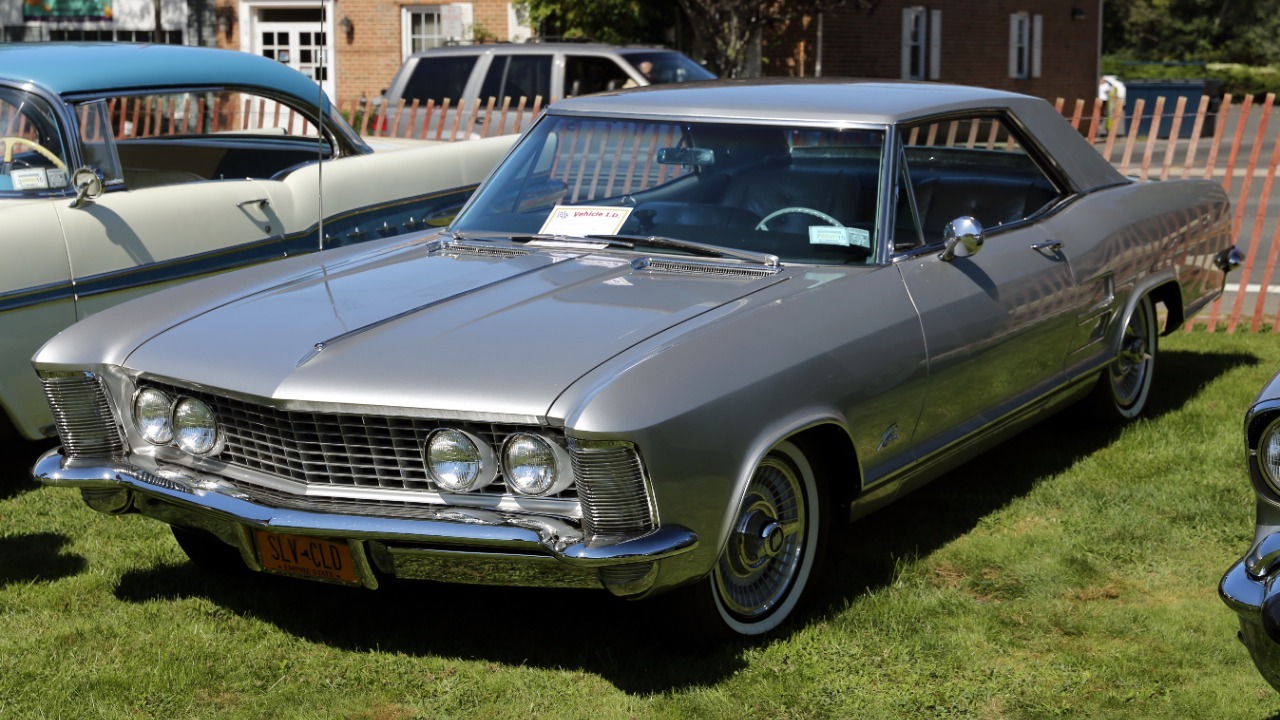
The 1963 Buick Riviera is not only a classic car but also a symbol of innovation and luxury in the automotive industry. Its intriguing design and unique features tell a captivating story that reflects the cultural and technological shifts of the early 1960s. As we delve into its origins, innovative technology, cultural impact, challenges, legacy, and preservation efforts, it becomes clear why this vehicle remains a cherished icon among enthusiasts and collectors alike.
The Birth of the Riviera: Concept and Design
The genesis of the 1963 Buick Riviera can be traced back to General Motors’ famous Motorama events in the 1950s, where concept cars were unveiled to the public, showcasing futuristic designs that often influenced production models. The Riviera was born from this creative environment, with its design heavily influenced by the sleek, aerodynamic shapes that were becoming popular across the automotive landscape. Chief designer Bill Mitchell played a pivotal role in creating the Riviera, envisioning a car that would blend luxury, performance, and style in a way that had not been done before.
Mitchell’s vision was to infuse the Riviera with a European flair while maintaining the power and presence expected from an American luxury vehicle. This blend of European styling and American muscle gave the Riviera its distinctive character, allowing it to stand out in a crowded market. The car’s sweeping lines, bold grille, and the iconic “boat tail” rear design were revolutionary, pushing the boundaries of conventional automobile aesthetics and setting new standards for luxury vehicles.
Innovative Features and Technology
One of the most striking features of the 1963 Buick Riviera is its unique “boat tail” design. This aerodynamic shape not only contributed to the car’s striking appearance but also offered tangible benefits in terms of performance. The design reduced wind resistance, allowing for improved fuel efficiency and handling. The Riviera was also notable for its use of advanced materials and engineering techniques, which were cutting-edge for the time. Buick utilized a body-on-frame construction method that enhanced durability while allowing for a smoother ride.
Under the hood, the Riviera was powered by a robust 401 cubic inch (6.6 liters) V8 engine, which delivered an impressive 325 horsepower. This engine was a marvel of engineering, featuring a high-compression design that provided excellent performance without sacrificing reliability. The Riviera could accelerate from 0 to 60 mph in just over eight seconds, a remarkable feat for a vehicle of its size and class. The combination of innovative design, powerful performance, and luxurious features made the Riviera a standout model in the Buick lineup.
The Cultural Impact of the Riviera in the 1960s
The 1960s were a transformative period in American culture, characterized by a burgeoning youth movement and a redefinition of the American Dream. The Buick Riviera quickly became associated with this cultural shift, emerging as a symbol of status and success for affluent buyers. Its sleek design and powerful performance resonated with a generation eager to embrace freedom and express individuality through their choice of vehicles.
The Riviera’s impact extended beyond the showroom floor and into popular media. It made appearances in various films and television shows, further cementing its status as a cultural icon. The car was featured in shows like “Route 66,” where it captured the spirit of adventure and the open road. It also influenced fashion and lifestyle trends, as celebrities and affluent individuals embraced the Riviera as a must-have accessory that signified sophistication and a taste for the finer things in life.
Challenges and Controversies
Despite its initial success, the 1963 Buick Riviera faced several challenges that impacted its production and legacy. Early models were plagued by production issues, including quality control problems that led to consumer dissatisfaction. Feedback from buyers prompted Buick to make design adjustments in subsequent years, aiming to improve reliability and performance. These challenges highlighted the difficulties that manufacturers faced in balancing innovation with consumer expectations.
Additionally, the automotive landscape was changing rapidly during the 1960s, with new regulations and market trends shaping consumer preferences. The introduction of safety and emissions regulations in the late 1960s posed challenges for manufacturers like Buick, forcing them to adapt quickly. Competition from other luxury brands, such as Cadillac and Lincoln, intensified, prompting Buick to rethink its marketing strategies and product offerings to maintain its relevance in a competitive marketplace.
Legacy and Collectibility of the 1963 Riviera
Today, the 1963 Buick Riviera holds a revered place among classic car collectors and enthusiasts. Its combination of elegant design, advanced technology, and cultural significance makes it a sought-after model in the classic car market. Factors such as rarity, condition, and provenance play a significant role in determining its value, with well-preserved models fetching impressive prices at auctions and private sales.
The rise of online communities and social media platforms has further fueled interest in the Riviera. Enthusiasts can connect through forums, social media groups, and dedicated websites, sharing restoration tips, stories, and experiences. Events like car shows and classic car meets provide opportunities for owners to showcase their vehicles and celebrate their shared passion for this iconic model. Enthusiasts can explore the Riviera’s legacy through resources like Robb Report, which delves into the car’s history and its impact on the automotive landscape.
The Riviera Today: Restoration and Preservation Efforts
Restoring a 1963 Buick Riviera is both a challenging and rewarding endeavor. Owners often face difficulties sourcing original parts, as many components have become rare over the years. Skilled restorers employ a variety of techniques to bring these classic cars back to their former glory, focusing on maintaining authenticity while ensuring modern reliability. Techniques such as frame-off restoration, where the body is removed from the chassis for thorough inspection and repair, are common among serious restorers.
Notable restorers and shops have made significant contributions to preserving the Riviera’s legacy. Their expertise helps maintain the integrity of these vehicles while enhancing their performance and durability. Clubs and organizations dedicated to the Buick Riviera, such as the Riviera Owners Association, play a crucial role in promoting restoration efforts and sharing knowledge among enthusiasts. These communities organize events and exhibitions that celebrate the Riviera’s history, ensuring that the story of this remarkable vehicle continues to be told.
More from Fast Lane Only
- Unboxing the WWII Jeep in a Crate
- 15 rare Chevys collectors are quietly buying
- 10 underrated V8s still worth hunting down
- Police notice this before you even roll window down
*Research for this article included AI assistance, with all final content reviewed by human editors.