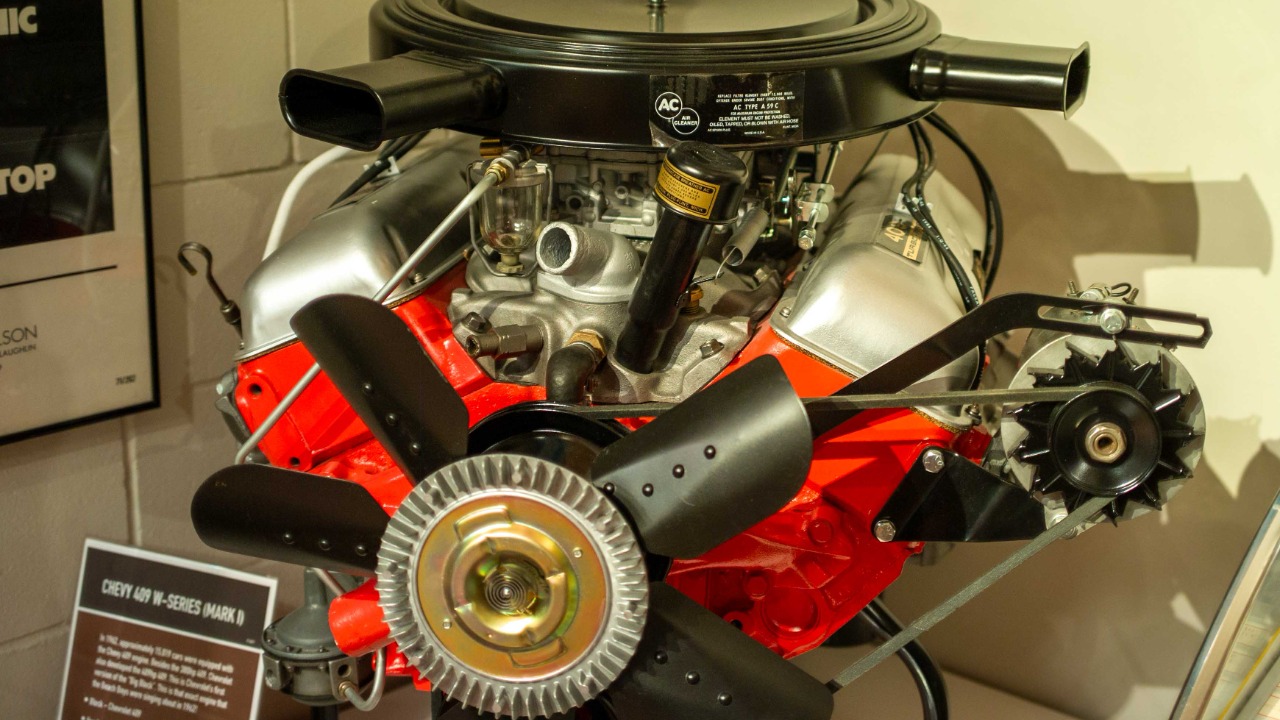
The story of Chevrolet’s early radical power is a fascinating tale of innovation and rebellion in the automotive world. From humble beginnings, Chevrolet’s engineers and designers pushed boundaries that would change the face of American muscle cars forever.
The Birth of Chevrolet: A Radical Vision
Founded in 1911 by Louis Chevrolet and William C. Durant, Chevrolet emerged as a serious contender in the burgeoning American automobile market. At the time, Ford dominated with its Model T; however, Chevrolet aimed to carve out its niche by offering a blend of performance, style, and affordability. Louis Chevrolet, a race car driver and engineer, had a bold vision for what cars could be—powerful, innovative, and accessible. His commitment to engineering excellence was instrumental in establishing Chevrolet as a brand synonymous with performance.
The first Chevrolet model, the Classic Six, debuted in 1913 and showcased features that were advanced for its time, such as a six-cylinder engine and a more sophisticated suspension system. This model not only marked Chevrolet’s entry into the automotive scene but also set the stage for future innovations. The impact of Chevrolet’s initial offerings was significant, as they established the brand as a serious competitor to Ford and laid the groundwork for the engineering advancements that would follow.
Innovative Engineering and Design
Chevrolet’s early models were characterized by groundbreaking engineering innovations that would define the brand. One notable advancement was the introduction of overhead valves, which allowed for greater efficiency and performance in the engine. This technology was relatively rare at the time and gave Chevrolet vehicles a performance edge that attracted attention from consumers and racing enthusiasts alike. The engineering team, including influential figures like Ed Cole and Zora Arkus-Duntov, championed innovative ideas that pushed the boundaries of what was possible in automotive design.
Racing played a crucial role in shaping Chevrolet’s design philosophy and performance goals. The brand’s involvement in motorsports not only provided a testing ground for new technologies but also helped establish a performance-oriented image. Chevrolet’s racing success, particularly in events like the Indianapolis 500, showcased the capabilities of its vehicles and generated excitement among consumers. This commitment to performance became a hallmark of the brand and influenced its engineering decisions for decades to come.
The Rise of the Small Block Chevy
The introduction of the small block V8 engine in 1955 marked a turning point in automotive history. This revolutionary engine was compact, lightweight, and versatile, allowing it to be used in a variety of Chevrolet models—from family sedans to high-performance sports cars. The small block’s design not only provided impressive horsepower but also facilitated easy modifications, making it a favorite among car enthusiasts and racers. Its significance cannot be overstated; the small block V8 became a cornerstone of the muscle car movement and solidified Chevrolet’s reputation as a performance leader.
The cultural impact of the small block engine was profound, particularly during the muscle car era of the 1960s. Models like the Chevrolet Camaro and the Chevelle SS became icons of American car culture, embodying the spirit of freedom and rebellion that defined the time. The small block V8 engine was not just a mechanical marvel; it was a symbol of power and performance that resonated with a generation. Its versatility allowed it to adapt to various racing styles, further solidifying its status in both competitive and consumer markets. For a deeper dive into the history of this iconic engine, I recommend checking out this detailed overview.
Chevrolet and the Performance Revolution
As the muscle car craze took off in the 1960s, Chevrolet responded with a series of iconic models that would leave a lasting legacy. The introduction of the Camaro in 1966 and the reimagined Corvette exemplified Chevrolet’s commitment to performance and innovation. These vehicles were designed not just for speed but also for style, capturing the imagination of car enthusiasts and the general public alike. The Camaro, in particular, was positioned as a direct competitor to the Ford Mustang, and its success helped solidify Chevrolet’s place in the muscle car market.
The influence of motorsports on Chevrolet’s marketing and engineering strategies cannot be overstated. Success in racing events provided valuable data and insights that informed the design of consumer vehicles. The brand leveraged its racing achievements to create a powerful narrative around its products, emphasizing performance and reliability. This focus on motorsports helped differentiate Chevrolet from its competitors, allowing the brand to carve out a unique identity in a crowded marketplace.
Legacy and Influence on Modern Performance Cars
The radical innovations of early Chevrolet models laid the groundwork for contemporary performance vehicles. The principles established by Chevrolet’s engineers continue to influence modern automotive design, with an emphasis on performance, efficiency, and technological advancement. Classic models, such as the Camaro and Corvette, still hold a special place in the hearts of car enthusiasts and collectors, serving as a testament to Chevrolet’s rich history and commitment to innovation.
Moreover, Chevrolet’s performance division has evolved over the years to keep pace with changing consumer demands and technological advancements. Today, the company offers a range of performance vehicles that incorporate modern engineering techniques while paying homage to its storied past. From the supercharged Corvette Z06 to the track-ready Camaro ZL1, Chevrolet continues to push the boundaries of performance in the automotive industry.
A Continuing Story of Innovation
Chevrolet’s journey from radical beginnings to its current status in the automotive world is a testament to its commitment to innovation and performance. The brand’s early engineers and designers laid the foundation for what would become one of the most recognizable names in the automotive industry. As we reflect on the legacy of Chevrolet power, it’s essential to appreciate the historical significance while looking forward to future advancements.
Preserving the history of Chevrolet’s radical innovations is crucial as we move toward a future filled with new technologies and challenges in the automotive space. Whether it’s through classic car shows, enthusiast clubs, or modern technology, there are countless ways to explore and celebrate Chevrolet’s enduring legacy. I encourage readers to dive into the world of Chevrolet power, whether that means restoring a classic model or simply appreciating the engineering marvels that have shaped the automotive landscape over the years.
More from Fast Lane Only
- Unboxing the WWII Jeep in a Crate
- 15 rare Chevys collectors are quietly buying
- 10 underrated V8s still worth hunting down
- Police notice this before you even roll window down
*Research for this article included AI assistance, with all final content reviewed by human editors.