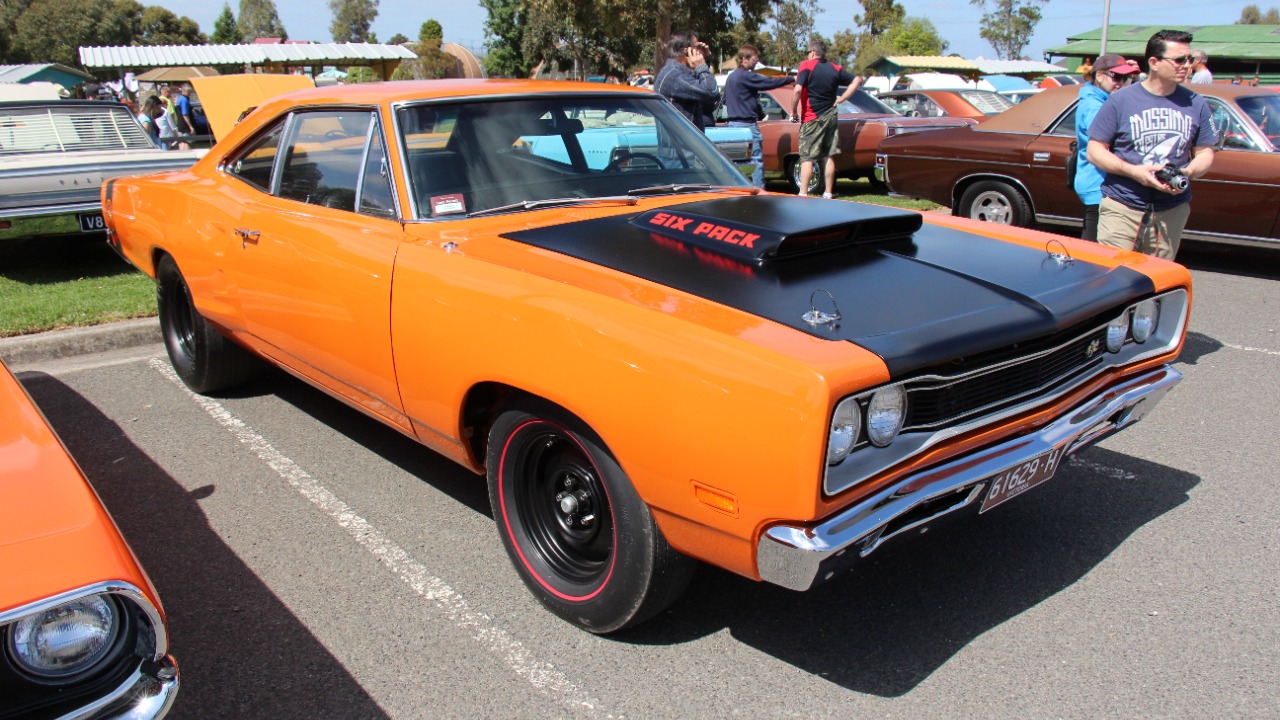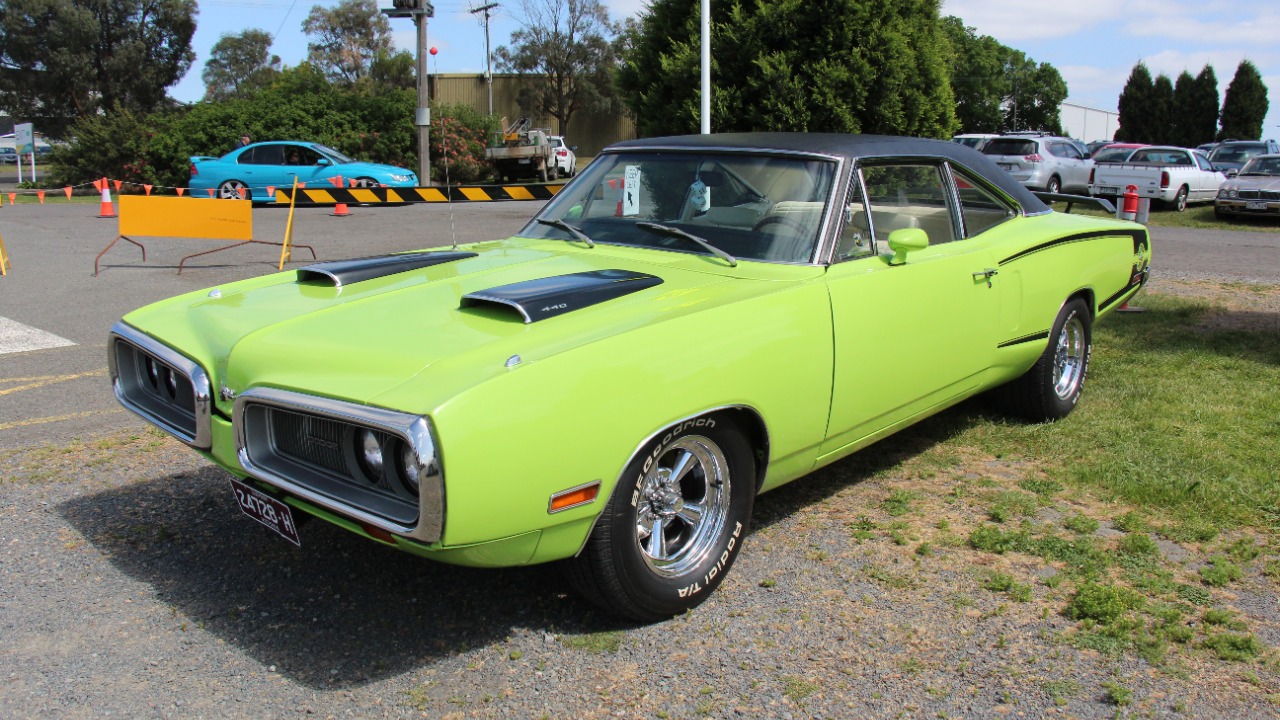
The 1970 Dodge Super Bee is more than just a classic muscle car; it’s a symbol of a unique era in American automotive history. The Super Bee represents a blend of raw power, distinctive design, and an adventurous spirit that defined the muscle car movement of the late 1960s and early 1970s. Its story is one filled with innovation, cultural significance, and a few quirky twists that make it a fascinating subject for car enthusiasts and historians alike.
The Birth of the Super Bee
The Dodge Super Bee was introduced in 1968 as a response to the growing popularity of muscle cars in the United States. Chrysler Corporation recognized a demand for a budget-friendly performance car that could compete with the likes of the Ford Mustang and Chevrolet Camaro. The Super Bee was developed as a trim package for the Dodge Coronet, making it accessible to a broader audience while still delivering the thrill of high horsepower.
Key figures in the development of the Super Bee included engineers like Carl Cameron, who played a significant role in the car’s design. Cameron’s vision was to create a vehicle that would not only stand out in terms of performance but also have an eye-catching aesthetic. The Super Bee was built on the B-body platform, which allowed for various engine options and configurations, ultimately leading to its reputation as a powerful contender in the muscle car segment.
Design Features and Performance
The Super Bee is renowned for its bold design features that capture the essence of the muscle car era. One of its most recognizable elements is the “C-stripe” that runs across the body, adding to its aggressive stance. The car was offered in a variety of vibrant colors, including the iconic “Plum Crazy” and “Hemi Orange,” appealing to buyers looking for something that stood out in a crowd. These design choices were a deliberate move to attract younger consumers who valued individuality and flair.
When it comes to performance, the 1970 Super Bee did not disappoint. Engine options ranged from the standard 383 cubic inch V8 producing 335 horsepower to the legendary 426 Hemi V8, which cranked out an astounding 425 horsepower. The Super Bee was capable of achieving a 0-60 mph time of around 6.3 seconds, which was impressive for its time. This combination of style and performance helped set the Super Bee apart from its competitors, such as the Chevrolet Chevelle SS and the Pontiac GTO, which also boasted formidable engines but lacked the same distinctive flair.
Marketing and Cultural Impact
The marketing strategies employed to promote the Super Bee were as bold as the car itself. Dodge positioned the Super Bee not just as a car but as a lifestyle choice. Advertisements often featured young, energetic drivers and highlighted the car’s performance capabilities. One memorable campaign was the “Bee Line” promotion, which showcased the Super Bee racing down highways and participating in drag races, appealing to the thrill-seeking demographic of the time.
The cultural impact of the Super Bee extended beyond advertisements; it was featured in various movies and television shows, solidifying its status in popular culture. For example, the Super Bee made appearances in films like “The Fast and the Furious” franchise, which reignited interest in classic muscle cars among newer generations. Collectors and enthusiasts often share anecdotes about their experiences with the Super Bee, underscoring its legacy as a cherished piece of American automotive history. Many view it as a symbol of freedom and rebellion, encapsulating the spirit of the 1970s.
Special Editions and Variants
In addition to its standard offerings, the Super Bee saw the release of various special editions that further contributed to its mystique. One of the most unusual variants was the “Dodge Super Bee ‘Demon’,” which was introduced in the late 1970s as a limited-edition model. This version featured unique design elements and performance enhancements that made it a sought-after collectible among enthusiasts. Limited production runs like these not only created a sense of exclusivity but also significantly increased the car’s value over time.
Fan theories and myths surrounding these special editions add to the intrigue of the Super Bee. Some collectors speculate about the existence of prototype models, while others share stories of rare options that were supposedly available but never officially documented. These tales contribute to the rich tapestry of the Super Bee’s history and fuel the passion of collectors who hunt for these unique variants. For more on some of the most bizarre special edition muscle cars, you can check out this link.
The Super Bee’s Place in Automotive History
The Dodge Super Bee holds a significant place in the broader narrative of American muscle cars. It represents a time when performance and style took precedence over practicality, capturing the imagination of a generation. However, the 1973 oil crisis would dramatically alter the landscape for muscle cars, leading to a decline in production and consumer interest. The Super Bee was phased out after 1971, as rising fuel prices and changing regulations made high-performance vehicles less appealing to the average buyer.
Despite its decline, the Super Bee’s legacy endures. Recent market trends show a resurgence of interest in classic muscle cars, with the Super Bee fetching impressive prices at auctions and drawing attention from new collectors. The nostalgia for this era, combined with the car’s unique design and performance capabilities, ensures that the Super Bee remains a revered name among automotive enthusiasts. The enduring popularity can be partially attributed to the car’s rich history and the stories that surround it, making it a topic of ongoing fascination among collectors and historians alike.
Restoration and Modern-Day Relevance
Restoring a 1970 Dodge Super Bee can be both a challenging and rewarding endeavor. Many enthusiasts take on restoration projects to bring these classic vehicles back to their former glory, and the process often involves sourcing rare parts and meticulously recreating original specifications. The excitement of uncovering hidden features or restoring a unique paint job can make the journey worthwhile, even if it requires a significant investment of time and resources.
For those considering a restoration or looking to add a Super Bee to their collection, there are important tips to keep in mind. First and foremost, it’s crucial to research the specific model year and its unique features, as some variations can significantly impact value and repair needs. Engaging with the enthusiast community can also provide invaluable insights and resources. Whether it’s through forums or local car clubs, connecting with other Super Bee owners can lead to the discovery of rare parts and expert advice.
In today’s automotive landscape, the influence of the Super Bee can be seen in modern muscle car designs. Manufacturers often draw inspiration from the bold aesthetics and powerful performance of classic models, integrating these elements into their current offerings. The Super Bee’s legacy continues to shape the direction of muscle cars, reminding us of the excitement and freedom that comes with hitting the open road in a high-performance vehicle.
More from Fast Lane Only
- Unboxing the WWII Jeep in a Crate
- 15 rare Chevys collectors are quietly buying
- 10 underrated V8s still worth hunting down
- Police notice this before you even roll window down
*Research for this article included AI assistance, with all final content reviewed by human editors.