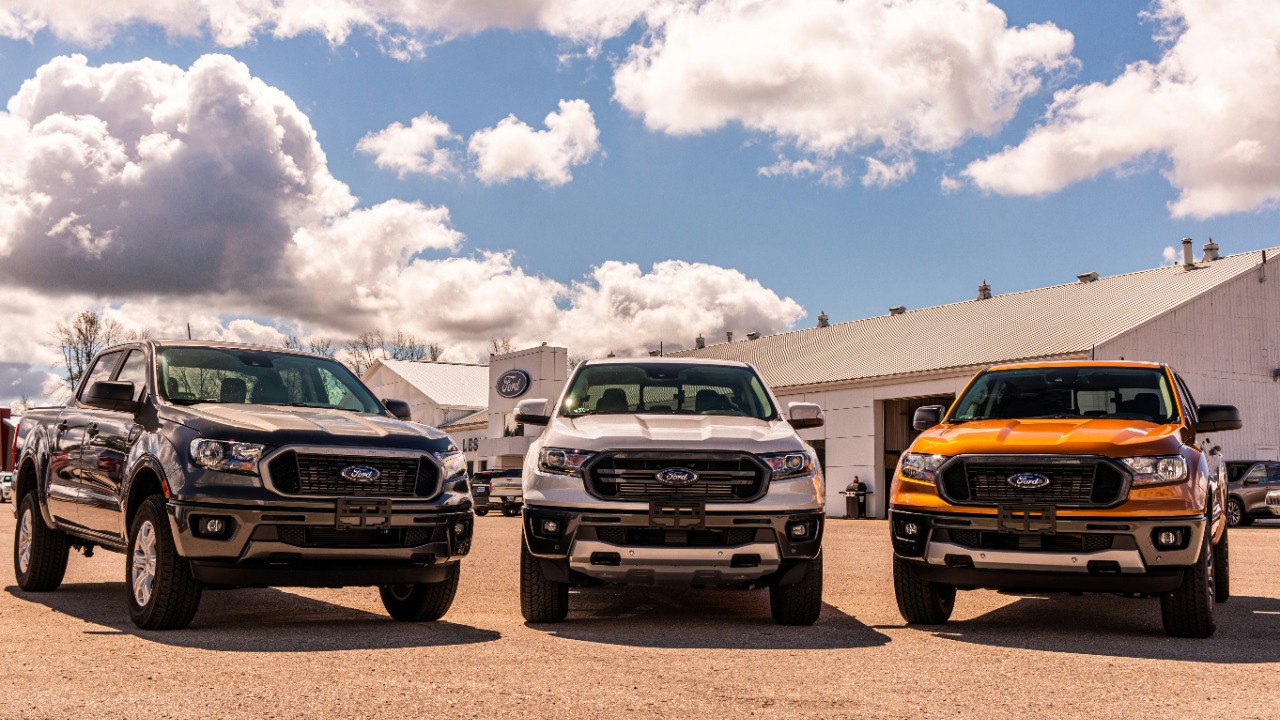
Pickup loyalists who once treated a new truck as a predictable, if painful, expense are now confronting window stickers that feel almost surreal. The price shock has been so abrupt that longtime buyers, from contractors to suburban families, are rethinking whether a full-size rig still fits their budgets at all. What once felt like a blue-collar staple now looks uncomfortably close to a luxury purchase.
That sticker shock stems from a web of forces that stretch from dealership lots to freight yards and federal policy debates. Consumer demand for bigger vehicles, higher material and labor costs, and a reshaped trucking industry have all pushed transaction figures into territory that would have sounded far-fetched only a few model years ago.
From workhorse to luxury purchase
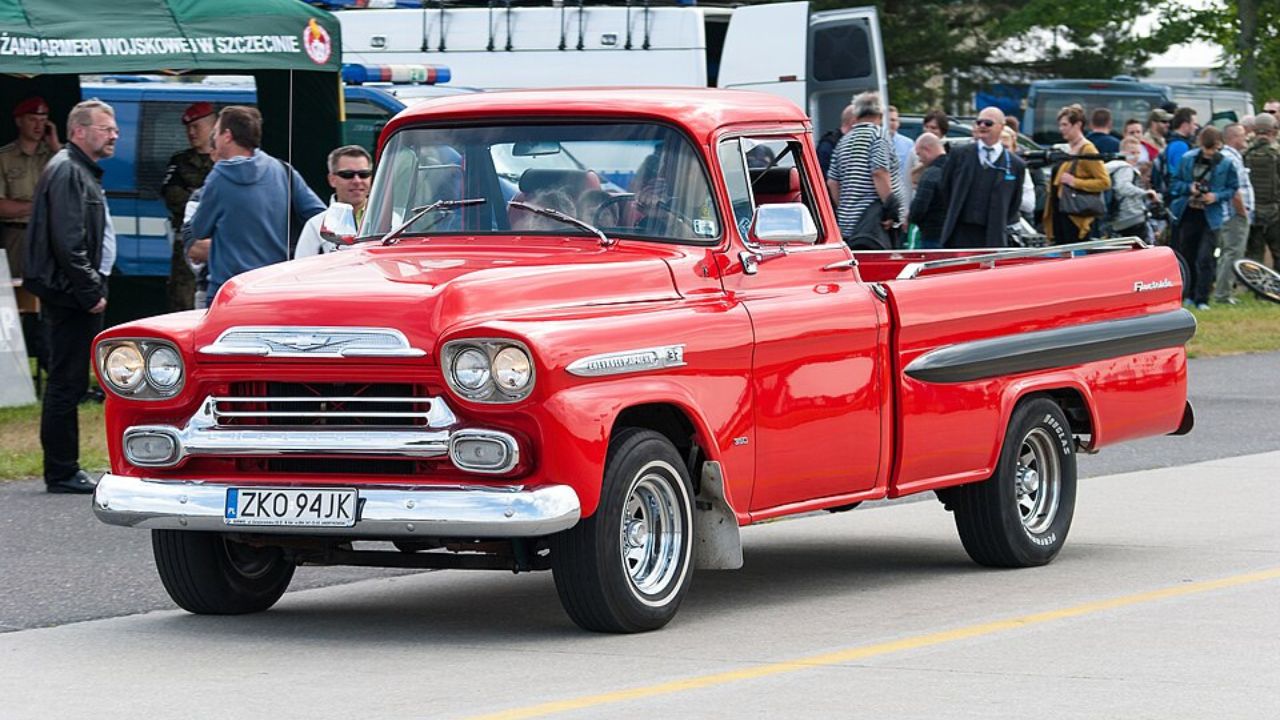
The most jarring change for veteran truck buyers is how quickly the segment has drifted upmarket. Recent data on new-vehicle pricing shows that the average MSRP for full-size pickups has topped $70,000, a figure that would once have belonged to German luxury sedans rather than domestic work trucks. Analyst Marcus Amick has pointed to the way strong appetite for large pickups and every size of SUV has given manufacturers the confidence to keep ratcheting up prices even as some smaller cars have seen discounts return. For a buyer who remembers paying half that amount for a well-equipped half-ton, the new numbers feel less like inflation and more like a different market entirely.
This shift has been reinforced by a deliberate move away from bare-bones trims and toward high-margin variants loaded with leather, screens, and off-road packages. Commentators such as Justin Fischer have argued that automakers had been moving away from blue-collar buyers for years by trimming low-profit configurations and emphasizing premium models, observing that the entry-level customer was no longer the center of the truck business. The result is a lineup where the eye-catching models in advertisements are often the most expensive, and where the affordable versions exist mostly on paper or in extremely limited numbers on the lot.
Economic pressure and freight headwinds
Behind the consumer-facing sticker price, the broader trucking sector is wrestling with its own financial squeeze. Industry analysts have identified economic pressure as the biggest challenge facing carriers and dealers, describing a prolonged freight recession and record-high operating costs in summaries of the industry’s current state. Higher costs for fuel, insurance, maintenance, and compliance do not stay on company spreadsheets; they filter into what fleets are willing to pay for new iron and how aggressively they bid on used units, which in turn shapes the market that individual buyers encounter.
Forecasts for heavy-duty demand add another layer of complexity. According to North American commercial vehicle forecasts, uneven growth in freight-generating sectors and uncertainty around United States economic policy are expected to weigh on orders for new Class 8 tractors. At the same time, a separate Class 8 Truck forecast notes that Infrastructure and Construction Support and Vocational Class demand could stay relatively firm thanks to ongoing public spending. That split picture encourages manufacturers to keep prices high on specialized and vocational rigs, even as they watch long-haul orders more cautiously, which again supports a higher overall price environment instead of a broad-based correction.
How price shock is reshaping buyers’ choices
For individual shoppers, the most immediate impact is at the finance office. As monthly payments climb, affordability has become a central concern for households who still need a truck for work, towing, or family use. Reporting on affordability concerns has described how automakers are experimenting with smaller trims, loyalty incentives, and longer loan terms to retain price-sensitive customers. Other analysts have warned that a K-shaped economy is emerging in the auto market, noting that new vehicle purchases are becoming a luxury for a growing share of households and that more consumers are delaying big-ticket decisions.
That pressure has pushed many would-be new-truck buyers into the used market instead. Analysts tracking wholesale auctions report that average used car prices remain elevated by historical standards and caution that shoppers should be prepared to pay more for used vehicles due to sustained wholesale pricing. Separate analyses of consumer behavior highlight a surge in buyers choosing used pickups instead of new ones, noting that soaring new-truck prices have made pre-owned options more attractive and that understanding these trade-offs can help shoppers balance ownership against other financial priorities.
Why relief remains elusive
Even as some online commentators talk about a coming correction, the underlying cost structure suggests that a rapid plunge in prices is unlikely. One widely shared video about a potential truck market crash warned that a 2026 downturn could hit certain models hardest, while also illustrating how emotionally charged debates over popular trucks such as the F-150 have become. Another video analysis of a 2026 Chevy Silverado details purchase costs and dealer add-ons, underscoring that even aggressive negotiation can only modestly reduce a significantly higher base price. Together, these voices capture a market where shoppers are hunting for tactical wins, not waiting for a structural reset.
More from Fast Lane Only