Night driving has become a flashpoint in the debate over automotive technology, as more drivers say the latest headlights are less a safety upgrade and more a source of glare and anxiety. Complaints about being dazzled are rising just as carmakers tout sharper beams and longer reach as essential protections for motorists. That clash of experiences helps explain why some drivers insist modern headlights are getting worse, even as engineers argue the opposite.
Behind that frustration lies a mix of design choices, regulatory lag and human biology that does not adapt as quickly as vehicle technology. The result is a kind of arms race on the road, where one driver’s clearer view can translate into another driver’s momentary blindness. Understanding how that happened is the first step toward deciding what, if anything, should change.
The LED revolution and why headlights look harsher
Modern headlamps have shifted from the softer glow of halogen to the sharper output of light emitting diodes, and that change alone has transformed how oncoming traffic looks. Earlier generations relied on filament bulbs that produced a relatively warm, slightly yellow beam, while most new cars now use LEDs that emit a cooler, bluer light that the human eye often perceives as harsher. Technical explanations of this shift point out that the new bulbs are more energy efficient and can be packaged in slimmer housings, which designers favor and manufacturers rely on to meet efficiency targets.
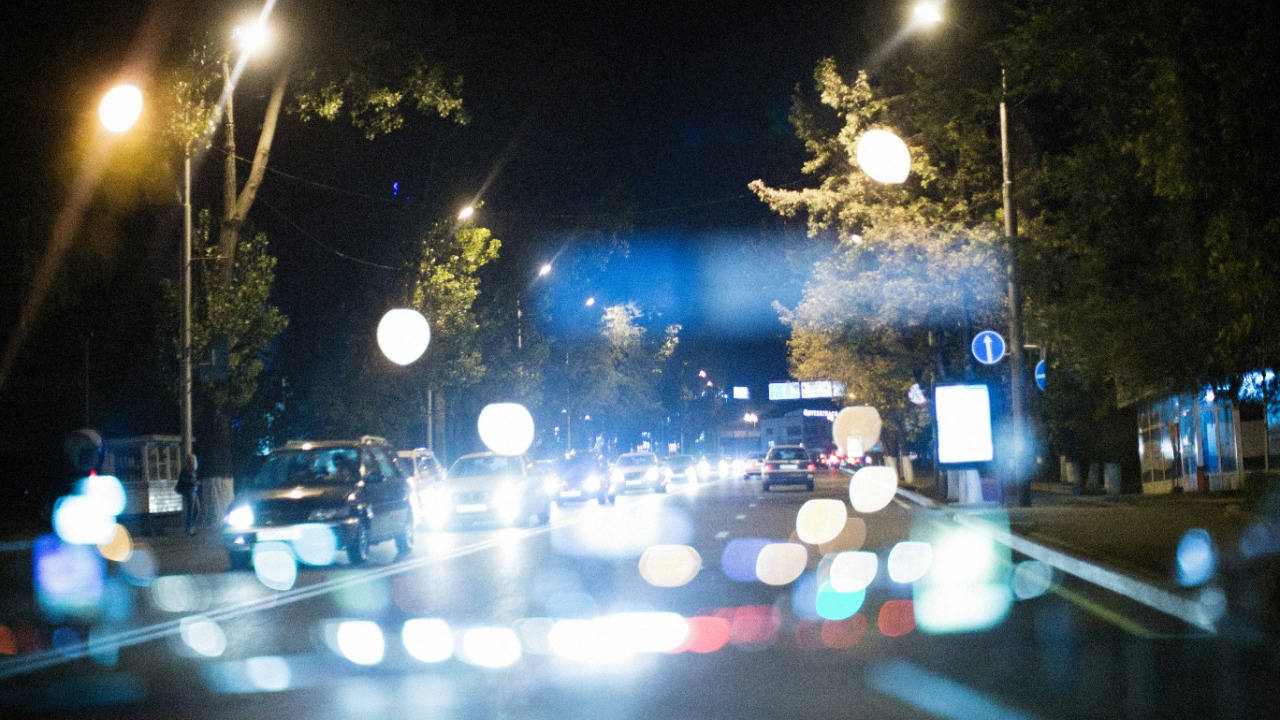
To drivers on the receiving end, however, that efficiency can feel academic compared with the shock of a bright, bluish beam cutting through the dark. The higher color temperature of many LED units makes them appear more intense than older halogens even when measured light output is similar, and the crisp cutoff patterns that engineers praise can translate into a hard edge of light that hits directly at eye level if the car is even slightly misaligned. As more vehicles adopt these systems, the visual character of the road has shifted from a diffuse amber wash to a series of concentrated white pools, which some motorists interpret as evidence that lighting has gone too far.
Drivers say they are being dazzled, not protected
The sense that something has changed is not just anecdotal grumbling from a few irritated commuters. One widely shared discussion in a nostalgia driving group captured this sentiment, with participants arguing that the issue is not just technology but also entitled driver attitudes when people leave full beams on or fit unapproved aftermarket units. That level of dissatisfaction suggests a broad perception problem that extends well beyond a niche of enthusiasts or older drivers. Many respondents described being temporarily dazzled when a newer SUV or pickup approached on a dark, unlit road, and some reported avoiding night journeys altogether because of glare.
Similar complaints have surfaced in reader callouts and social media threads, where motorists describe feeling disoriented, anxious or even physically pained when strong beams hit their eyes. One widely shared discussion in a nostalgia driving group captured this sentiment, with participants arguing that the issue is not just technology but also entitled driver’s attitude when people leave full beams on or fit unapproved aftermarket units. Consumer feedback gathered by independent testers echoes this divide, with many readers insisting that modern car headlights seem to be getting brighter and that their own eyes struggle to adjust to lower light levels again after a glare event.
Safety benefits that engineers say drivers overlook
While frustration dominates many driver surveys, engineers and safety specialists argue that modern lighting has delivered real gains. Advocates for the technology point out that newer systems allow motorists to see further down the road, identify pedestrians or cyclists earlier and avoid hazards that older halogens might not reveal in time. In one assessment of current models, the Insurance Institute for Highway Safety (IIHS) found that headlight performance varied widely between vehicles and that higher-rated systems were associated with lower crash rates at night, suggesting that well-designed beams can translate into fewer collisions.
Manufacturers also stress that cars fitted with LED lights can improve road safety by helping drivers see better, especially in poor weather or on rural roads without street lighting. Thomas Broberg, described as a senior adviser on safety, has argued that these systems offer clearer illumination and can be combined with sensors to adapt the beam pattern in real time. Yet research has found that three quarters of drivers surveyed felt that oncoming headlights were making night driving harder, which illustrates the central dilemma: the same technology that extends a driver’s view of the road can also make that driver a source of discomfort for everyone else.
Design, height and human vision all play a role
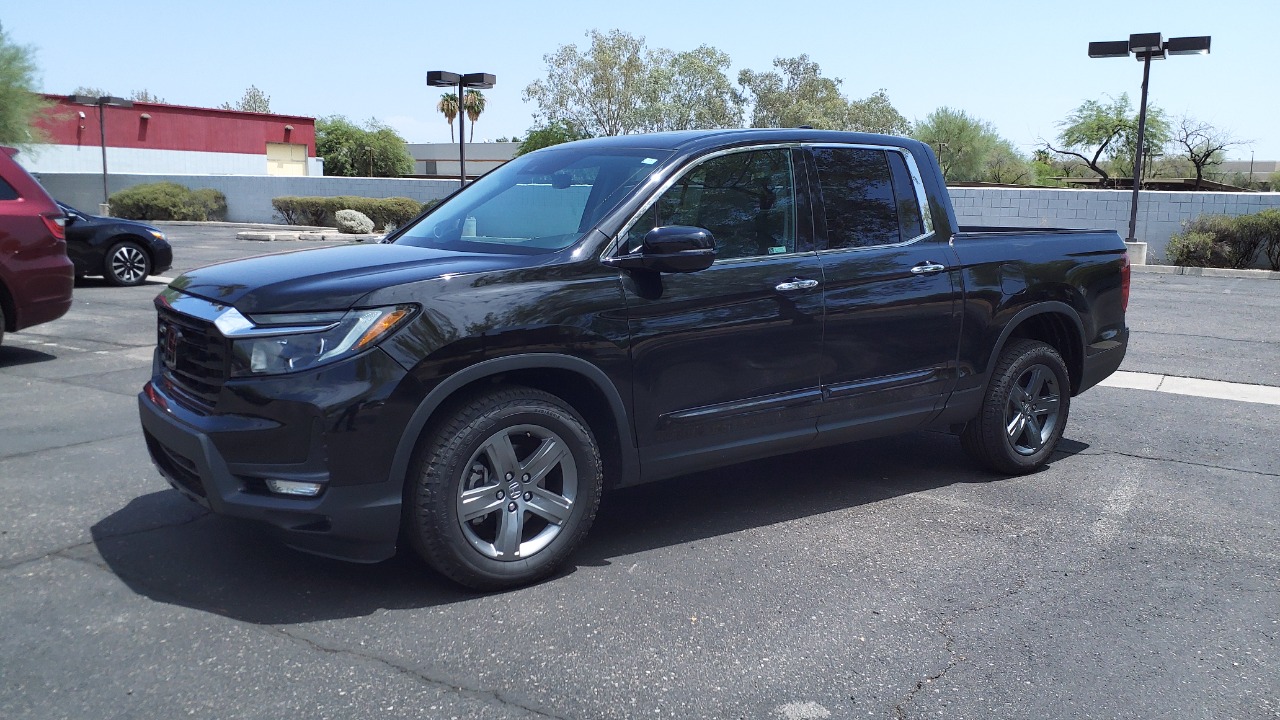
Experts who study vehicle design say the glare problem is not caused by a single factor but by several trends arriving at once. Dale Harrow, identified as a professor of automotive design, has remarked that headlights have moved far from the “kind of brown glow” produced by filament bulbs decades ago and are now “a lot brighter but also a lot clearer.” That clarity, combined with taller vehicles such as SUVs and pickups, means the light source often sits higher and closer to the eye line of drivers in smaller cars. Even when lamps meet legal standards in a test lab, the real world mix of vehicle heights, road dips and loads can tilt beams just enough to create intense hotspots in oncoming mirrors and windshields.
Human biology amplifies the effect. As people age, their pupils respond more slowly to changes in light, and the lenses in their eyes scatter more of the incoming beam, which increases the halo around bright points. Analyses of glare have highlighted that older drivers are therefore more likely to feel overwhelmed by oncoming headlights, especially when they have just left a well lit area and their eyes have not yet adapted to darkness. Some specialists have pointed to this interaction between newer vehicles and older drivers as a key factor, echoing broader discussions that certain combinations of road users experience glare more intensely than others.
Why regulation and fixes lag behind the complaints
Regulators are now under pressure to respond, but the rules that govern headlight brightness and beam patterns were written when filament bulbs dominated and SUVs were far less common. In the United Kingdom, officials have announced that headlights will be reviewed after drivers complained of being “blinded” by oncoming traffic, a move framed as a response to growing public concern. At the same time, technical committees point out that many of the most dazzling vehicles still comply with existing standards, which suggests that any change would require not just stricter limits but a rethink of how those limits account for vehicle height, real world road conditions and the spectral qualities of LED light sources.
In the United States, a debate has emerged over whether headlights are actually too bright or not bright enough, with some experts arguing that current regulations still do not fully account for the potential of adaptive systems that could reduce glare while preserving visibility. One analysis cited a 2021 report that called for clearer rules to regulate LED light sources and beam patterns, yet progress has been slow. Consumer advocates and safety researchers have begun to call for more transparent testing, better alignment checks during inspections and public education on proper use of high beams, while drivers continue to trade stories of being temporarily blinded and pulling over to wait for their vision to return, echoing the complaints that first pushed the issue into the spotlight.
More from Fast Lane Only