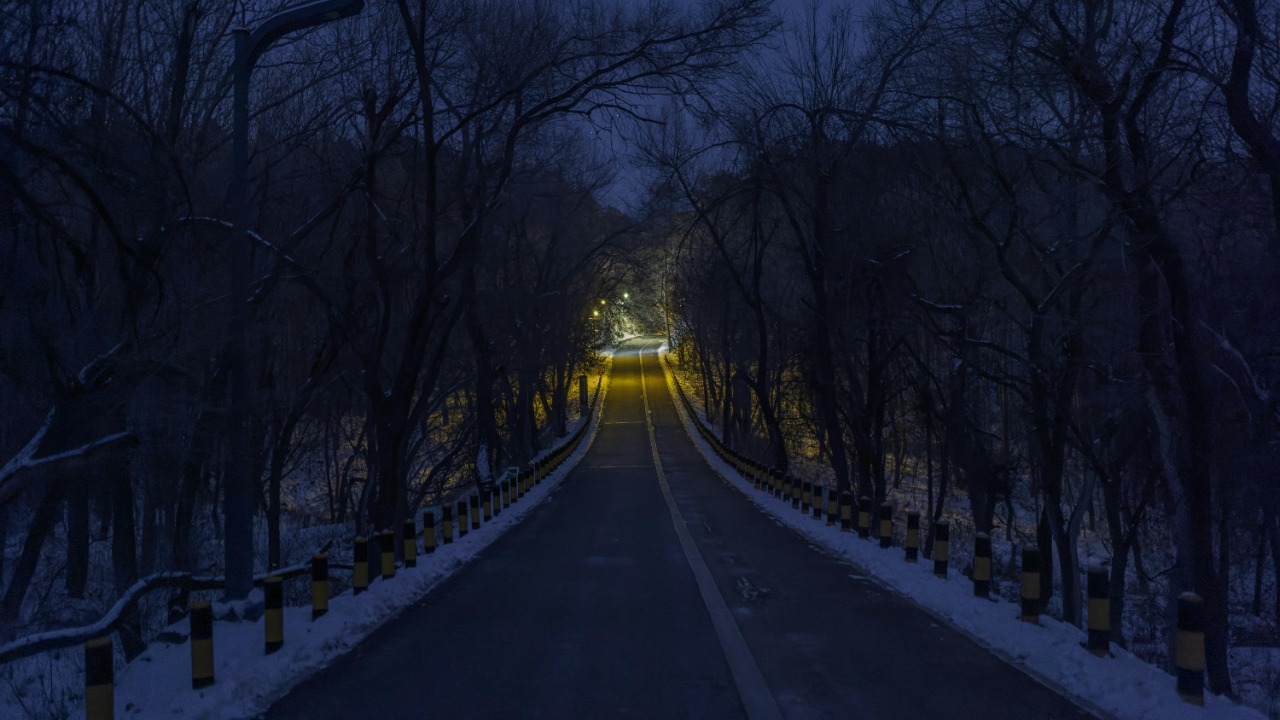
Every long haul driver can name stretches of asphalt that feel different after dark, where a missed curve or a sudden shadow can turn a routine run into a crisis. Those routes, often beautiful in daylight, become the places even seasoned truckers quietly plan to avoid at night when they can.
They do it for hard reasons, not superstition. Night driving amplifies every hazard, from wildlife and fatigue to blind curves and narrow shoulders, and the most experienced drivers learn which roads stack those risks in ways that are not worth the freight rate.
Why night magnifies danger on already risky roads
Veteran drivers describe a simple rule of thumb: if a road feels unforgiving in daylight, it turns hostile after sunset. Darkness cuts reaction time, hides subtle pavement changes, and makes it harder for eyes to adapt when oncoming traffic blinds them. Safety specialists stress that Driving at night presents unique challenges because Darkness limits how far ahead drivers can see and how well their eyes adjust to low light conditions.
Crash data backs up what truckers feel in their gut. The National Highway Traffic Safety Administration reports that the frequency of traffic fatalities is three times greater at night, a gap that grows on rural highways with poor lighting and limited escape routes. Legal analysts who study truck crashes describe The Risks of a Dark Road at Night, noting that Even the best lit roads never match daytime visibility, which leaves truckers with less margin when a car cuts in or a curve tightens unexpectedly.
Mountain passes and cliffside corridors that punish mistakes
High elevation routes sit at the top of many drivers’ personal no go lists after dark. Long grades, hairpin turns, and minimal shoulders leave little room for error when a fully loaded rig weighs upward of 80,000 pounds. In one widely shared account of treacherous corridors, drivers describe roads where a single mistake can send an 18 wheeler tumbling 600 feet down a cliff, a scenario that feels far more likely when black ice, fog, or glare from oncoming headlights hides the edge.
Those same mountain passes often combine steep descents with runaway truck ramps that appear only at the last second in the dark. Even experienced operators who know their engine braking limits sometimes choose to park before a summit rather than drop into an unfamiliar canyon at midnight. Safety trainers who coach new drivers on night work note that If you work in the trucking industry, driving at night may be inevitable, but they urge extra caution on routes where a missed downshift or a moment of inattention can have irreversible consequences.
Wildlife corridors and rural stretches with heavy animal strikes
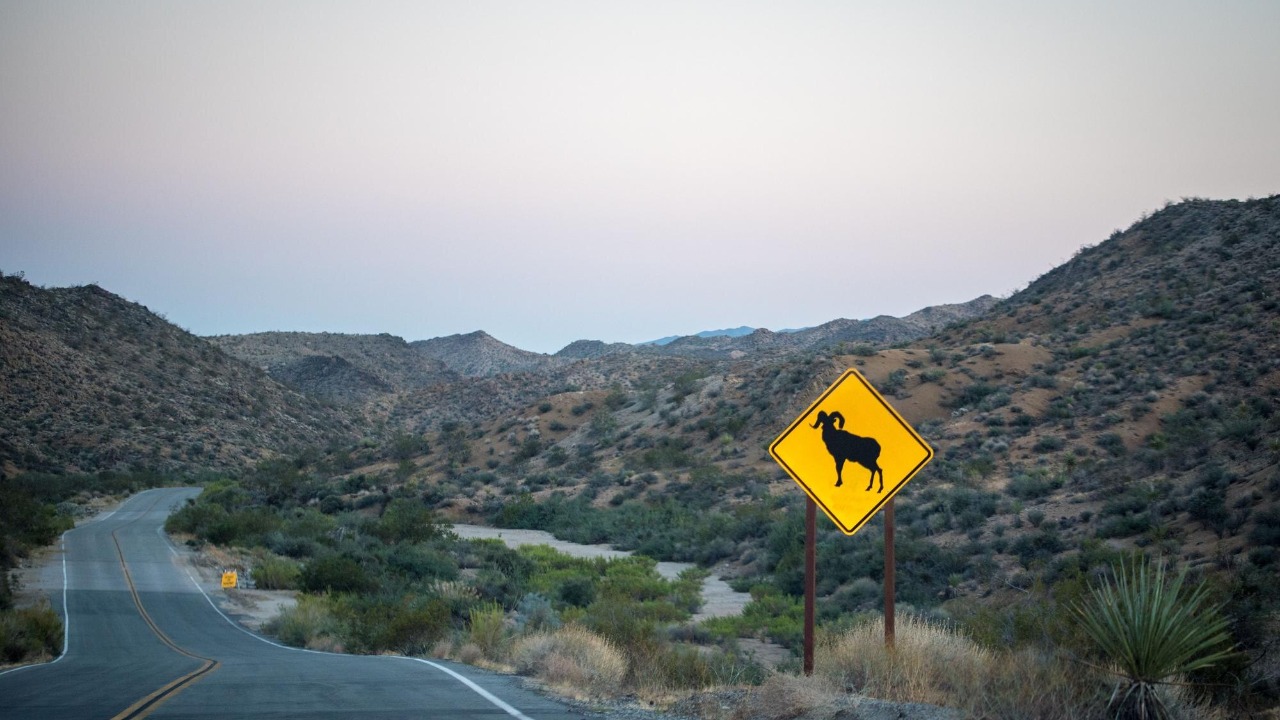
Rural highways that cut through forests, farmland, and open range can feel deceptively quiet at night. Traffic thins, but the risk from animals surges. Safety guidance for commercial drivers highlights Some challenges of driving a semi truck at night, including Increased movement from wildlife. While there are fewer vehicles on the road, a deer or elk can appear with no warning in the high beams, leaving a driver to choose between a hard brake, a swerve, or a collision.
Insurance data underlines how concentrated that risk becomes in certain seasons. In October, November and December, drivers have a 1 in 109 chance of striking an animal on the road, according to State Farm. That probability climbs on two lane corridors without median barriers, where a swerve to avoid a deer can send a tractor trailer into oncoming traffic or off a narrow shoulder. For many truckers, those odds are enough to shift schedules so they cross known wildlife corridors at dawn instead of midnight.
Urban bottlenecks, holiday chaos, and roads that never sleep
Not every dreaded night route winds through mountains or forests. Some of the most stressful stretches run straight through major metro areas where congestion never really clears. Even when traffic volumes drop, construction zones, confusing lane shifts, and aggressive late night drivers can turn a beltway into a gauntlet. Night specialists who share their experiences online describe how certain cities feel manageable most of the year but become no go zones on specific dates, with one Oct thread featuring a Top 1 percent Commenter who avoids driving on New Ye because of unpredictable traffic and impaired motorists.
Urban freight corridors also suffer from chronic fatigue pressure. Drivers who fight through late night congestion often struggle to find safe parking once they clear the city limits. Veteran operators describe Never ending searches for a spot, a pattern some call Ending Lot Circling In truck stops that are already full. Seasoned drivers know that every extra lap around a crowded lot eats into rest time and raises the odds of a fatigue related mistake on the next leg.
Fatigue corridors where drowsy driving collides with dark geometry
Some highways earn a bad reputation not because of terrain or traffic, but because of how they intersect with human biology. Long, straight stretches that run through the night encourage monotony and drowsiness, especially in the early morning hours when circadian rhythms hit their lowest point. Safety advocates warn that Many people assume driving at night is just driving with headlights, when in reality it represents an entirely different risk category that demands more planning and discipline.
Legal and safety experts point out that even modest curves or lane shifts can become deadly when fatigue sets in. On these fatigue corridors, a gentle bend that feels trivial at noon can send a drifting rig into a ditch at 3 a.m. Analysts who study crash patterns emphasize that traffic fatalities spike after dark in part because tired drivers misjudge closing speeds and lane position. For that reason, many truckers schedule breaks before known trouble segments so they do not hit the most monotonous miles at their sleepiest point.
Hidden hazards in roadside right-of-ways and narrow shoulders
Even when pavement looks smooth, the space around it can hide serious threats. Narrow shoulders, steep ditches, and cluttered medians leave truckers with nowhere to go when something goes wrong. Infrastructure researchers note that the United States has millions of miles of roadways and millions of acres of roadside right of ways, much of it unmanaged or poorly lit. On tight two lane roads, that space can conceal disabled vehicles, debris, or even pedestrians until a truck is almost on top of them.
Night specialists train drivers to treat those margins as part of the hazard landscape, not empty space. Guidance on Keeping Your Eyes Ahead stresses that When driving in the dark, maintaining focus on the road ahead becomes even more critical. Trainers also warn that sudden Red brake lights or hazard flashers can mask other obstacles near the fog line. On roads with minimal shoulders and deep ditches, many truckers simply refuse to roll at night unless freight schedules leave no alternative.
How veteran truckers adapt when they cannot avoid risky routes
Even the most cautious drivers cannot always dodge these dangerous corridors. Freight deadlines, limited parking, and rigid appointment windows often force them onto roads they would rather cross in daylight. Experienced operators respond by tightening their routines, from pre trip inspections to strict limits on how long they drive without a break. Safety coaches urge drivers to review night specific guidance regularly, noting that drivers who haul freight day and night benefit from periodic refreshers on vision and fatigue management.
Many also rethink their assumptions about risk. Dash cam advocates point out that driving at night belongs in its own risk category, not as a simple extension of daytime habits. Legal guides on truck crashes stress that even the best lit roads still hide hazards that only appear in the last seconds before impact. For many truckers, that understanding shapes a quiet hierarchy of routes, with some roads reserved for daylight whenever possible and others approached at night only with heightened focus, slower speeds, and a clear escape plan in mind.