The world of automotive design has seen many vehicles come and go, but a select few roadsters have transcended mere functionality to become cultural icons. By examining the blend of design, performance, and social context, we can uncover the unusual reasons behind the legendary status of certain roadsters that have captivated enthusiasts and collectors alike.
Design Innovation and Aesthetic Appeal
One of the most significant factors that set certain roadsters apart is their groundbreaking design elements. Vehicles like the 1961 Jaguar E-Type and the Porsche 911 are prime examples of how streamlined shapes and distinctive features can elevate a car from mere transportation to an object of desire. The E-Type, with its elongated body and sweeping curves, was not just a marvel of engineering; it was a work of art that captured the imagination of a generation. This focus on aesthetic appeal has a direct impact on consumer perception. A beautifully designed car can evoke emotions and desires that go beyond mere practicality, making it more appealing to potential buyers.
Moreover, the intersection of aesthetics and engineering creates a lasting impression on car enthusiasts and collectors. The Porsche 911, for instance, is celebrated not only for its performance but also for its iconic silhouette that has remained largely unchanged for decades. This consistency has fostered a sense of nostalgia and loyalty among fans, reinforcing the model’s status as a timeless classic. The design elements of these roadsters are not just about looks; they signify a philosophy of automotive craftsmanship that resonates with generations of drivers.
Cultural and Historical Context
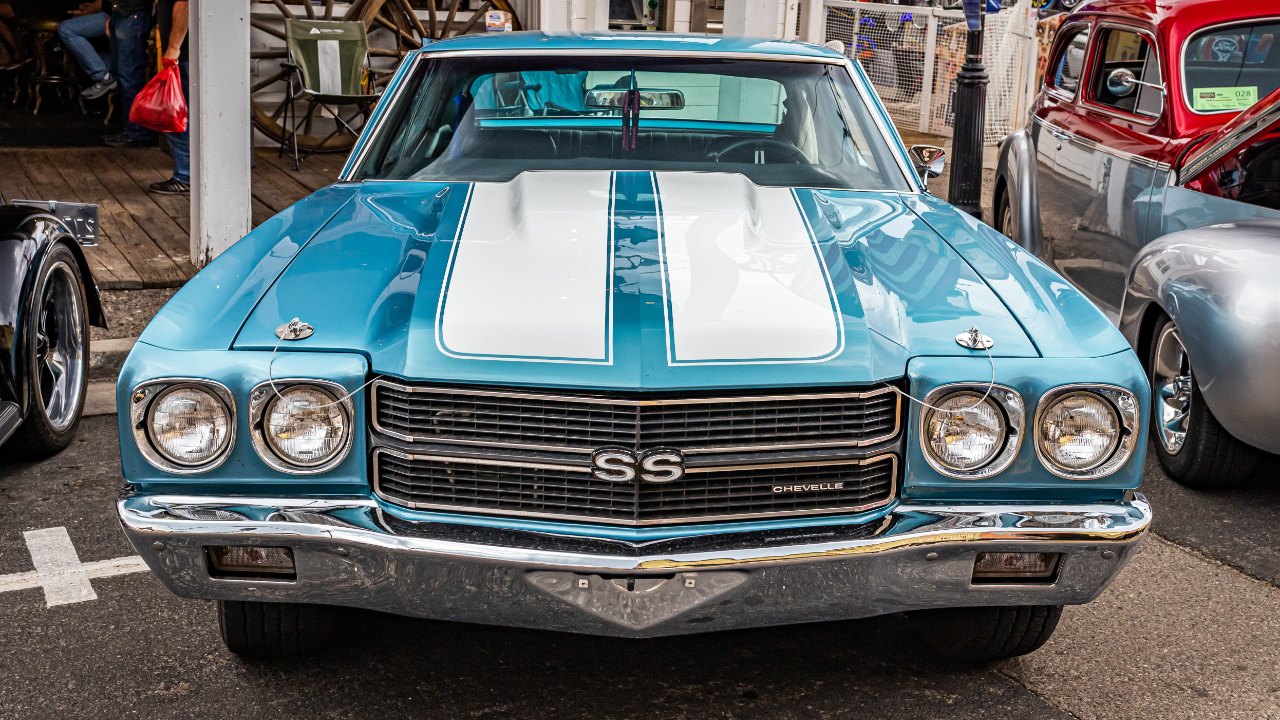
The rise of iconic roadsters cannot be separated from the socio-political environment of their times. The post-war boom in the 1950s and 1960s saw a surge in car culture, particularly in America. As families flocked to suburban neighborhoods, the automobile became a symbol of freedom and mobility. Roadsters like the Ford Mustang captured this zeitgeist, embodying the spirit of youth and rebellion. With their sleek designs and powerful engines, these cars were not just modes of transportation; they were statements of individuality and aspiration.
Additionally, roadsters reflected contemporary trends in fashion, music, and lifestyle, making them symbols of aspiration. The 1960s and 1970s saw a wave of popular culture that celebrated not only the automobile but also the lifestyle that came with it. Movies like “Bullitt,” featuring Steve McQueen in a Mustang, immortalized the car in the public imagination, linking it to themes of adventure and freedom. These cultural touchstones helped solidify the status of certain models, embedding them into the fabric of American life.
Performance and Engineering Excellence
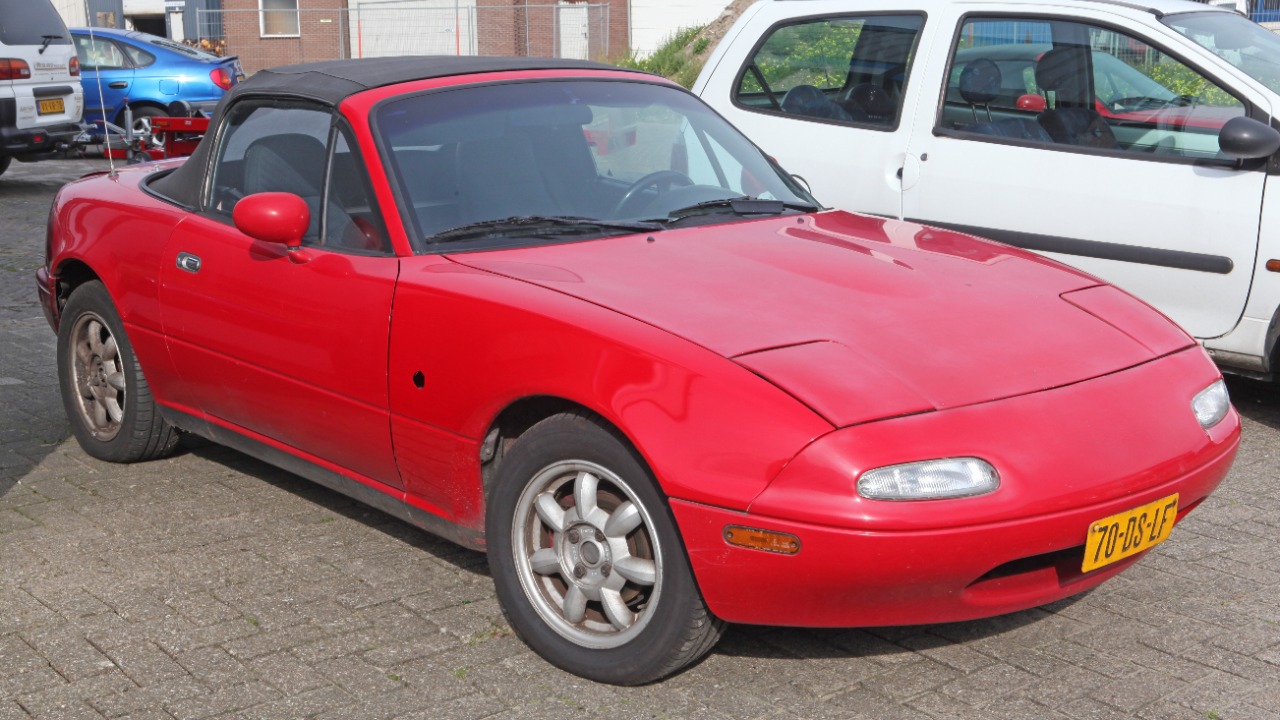
The legendary status of certain roadsters is also attributed to their engineering excellence and performance. Innovations in powertrains, suspension systems, and handling capabilities have set benchmarks for what a roadster can achieve. For instance, the Mazda MX-5 has long been celebrated for its lightweight construction and superb handling, making it a favorite among driving purists. It’s a great example of how performance metrics can elevate a car’s desirability, turning an ordinary model into an icon.
Furthermore, certain roadsters have made their mark on the racing world, achieving notable successes that have further enhanced their reputation. The Chevrolet Corvette, for example, has a storied history in motorsports, with its achievements in events like the 24 Hours of Le Mans establishing it as a powerhouse. The combination of engineering prowess and competitive success creates an allure that resonates with both casual drivers and hardcore enthusiasts, ensuring that these vehicles remain in the public eye.
Celebrity Endorsement and Pop Culture
The influence of celebrity ownership and endorsements cannot be understated when examining the iconic status of certain roadsters. Famous personalities have long been associated with specific models, and their endorsements have significantly boosted a car’s appeal. Steve McQueen’s passion for the Porsche 917, for instance, not only showcased the vehicle’s performance capabilities but also linked it to the allure of Hollywood glamour and adventure. Such associations often turn cars into symbols of success, making them more desirable to the average consumer.
Pop culture references further immortalize certain roadsters in the public imagination. Songs, television shows, and films have celebrated these cars, embedding them into the collective consciousness. Whether it’s the classic rock anthems that sing the praises of the Mustang or cinematic moments that feature the Corvette in high-speed chases, these cultural references contribute to the cars’ legendary status. The combination of celebrity endorsements and pop culture has created a feedback loop that amplifies the desirability of these roadsters.
Community and Enthusiast Culture
The role of car clubs and enthusiast gatherings is crucial in promoting and preserving the legacy of iconic roadsters. These communities serve as platforms for sharing knowledge, experiences, and passion for specific models. Events such as the annual Pebble Beach Concours d’Elegance bring together enthusiasts from around the world to celebrate automotive excellence, showcasing everything from vintage classics to modern marvels. These gatherings help maintain the enthusiasm surrounding certain models, ensuring that their stories continue to be told.
Grassroots movements, such as local car shows and rallies, further foster a sense of community among enthusiasts. Social media platforms have transformed the way fans interact, allowing for the sharing of photos, stories, and tips related to their favorite roadsters. This online engagement has created a global network of enthusiasts who can connect over their shared love for these vehicles, further solidifying their status as cultural icons.
Legacy and Influence on Future Models
Iconic roadsters have left an indelible mark on the automotive industry, influencing the design and engineering of subsequent vehicles. Modern roadsters often draw inspiration from classics like the Jaguar E-Type and the Mazda MX-5, adopting stylistic cues and performance benchmarks that have stood the test of time. The design principles established by these roadsters continue to inspire a new generation of automotive engineers and designers, ensuring that the legacy of these icons lives on.
Moreover, these models set standards for performance and aesthetics that remain influential today. The balance of form and function seen in the Porsche 911 is a benchmark that many manufacturers strive to achieve. This ongoing legacy influences consumer expectations, pushing manufacturers to innovate while still paying homage to the classics that paved the way for modern vehicles.
More from Fast Lane Only
- Unboxing the WWII Jeep in a Crate
- 15 rare Chevys collectors are quietly buying
- 10 underrated V8s still worth hunting down
- Police notice this before you even roll window down
*Research for this article included AI assistance, with all final content reviewed by human editors.