The design of cars has evolved significantly over the years, with various features reflecting both functionality and aesthetics. One of the more unusual design choices has been the use of reverse-opening doors, commonly known as “suicide doors,” which have sparked intrigue and conversation among car enthusiasts and casual drivers alike.
History of Reverse-Opening Doors
The origins of reverse-opening doors can be traced back to the early days of the automobile. In the 1920s, luxury brands like Lincoln and Cadillac began incorporating these doors to facilitate easier access to the rear seats. The term “suicide door” emerged due to safety concerns; if the doors were to open while the vehicle was in motion, it could pose significant risks to passengers. Despite the ominous name, the design was favored for its practicality, allowing passengers to enter and exit the vehicle more easily, especially in tight spaces.
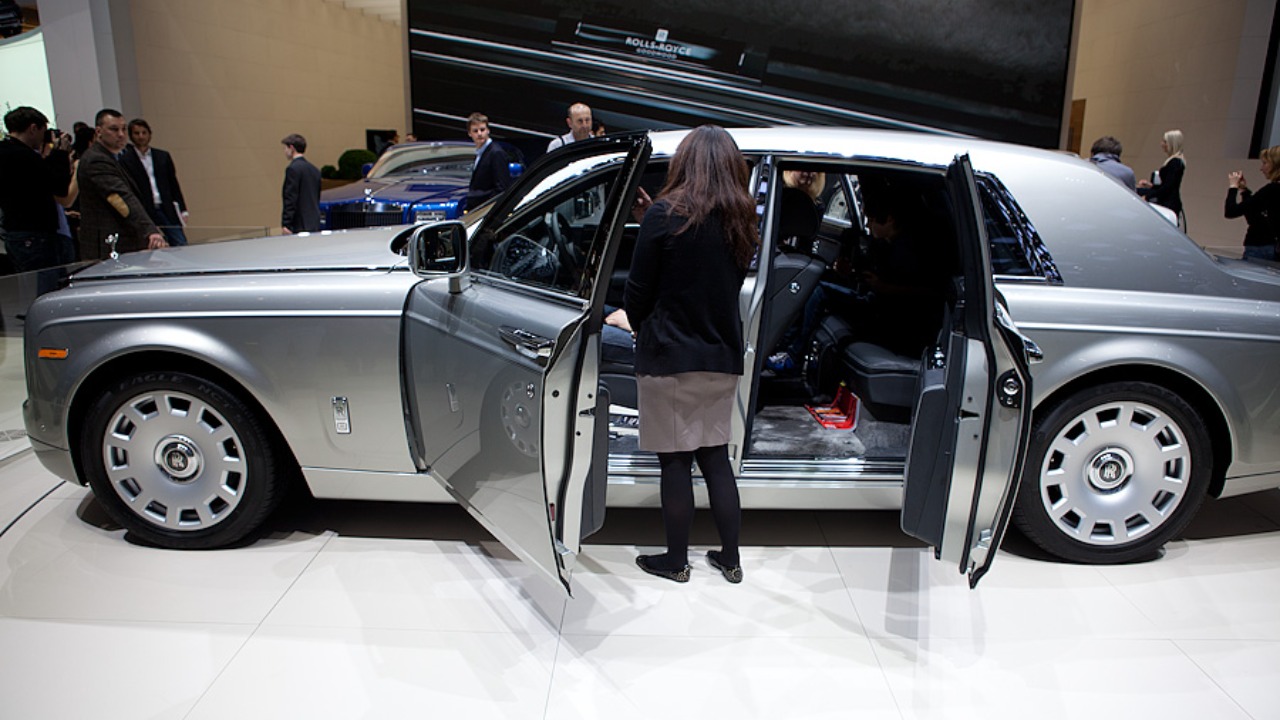
As the decades progressed, reverse-opening doors saw a resurgence in the mid-20th century, particularly in luxury vehicles and sports cars. The late 1950s and early 1960s showcased models like the Ford Thunderbird and the Chrysler 300, both of which featured this unique door design. Fast forward to the 21st century, and we see modern iterations that have embraced this style, such as the Mazda RX-8 and the Rolls-Royce Phantom. These models have redefined the aesthetics of reverse-opening doors, combining classic design with modern engineering.
Design and Functionality
One of the most significant advantages of reverse-opening doors is the accessibility they provide. The unique design allows for easier entry and exit, particularly in cramped parking situations. With the doors swinging outward rather than inward, passengers can step in or out without having to navigate around the door itself. This is especially beneficial for families with children or for assisting elderly or disabled individuals who may require a bit more room to enter or exit comfortably.
In addition to practicality, reverse-opening doors also contribute to the aesthetic appeal of a vehicle. They create a distinctive silhouette that sets a car apart from the crowd, enhancing its overall design. Nostalgia plays a role here as well; many car enthusiasts are drawn to the classic designs of yesteryear. The presence of suicide doors can evoke a sense of timelessness in a modern vehicle, giving it a unique character that resonates with those who appreciate the history of automotive design.
Safety Concerns
While reverse-opening doors offer numerous benefits, they are not without their safety concerns. One of the most significant risks is the potential for the doors to open unintentionally while driving. Historical accounts of accidents related to suicide doors have contributed to a perception of danger surrounding their use. For instance, there have been reports of doors flying open while a vehicle was in motion, leading to injuries or worse. These incidents have understandably made some drivers wary of cars that feature this design.
However, modern automotive engineering has made significant strides in addressing these safety concerns. Innovations in door locking mechanisms and hinge designs have been implemented to ensure that reverse-opening doors remain securely closed while the car is in motion. Manufacturers are also adhering to strict automotive safety standards that account for the unique mechanics of suicide doors. This evolution in safety technology has helped to mitigate many of the risks historically associated with this design.
Psychological Effects and Cultural Impact
The presence of unconventional automotive features can evoke a range of psychological responses. For some, reverse-opening doors may instill a sense of anxiety. This phenomenon, often referred to as “automobile anxiety,” can stem from fears associated with unfamiliar designs. Individuals may feel uneasy about the functionality of the doors, worrying about their ability to operate them or the potential safety risks associated with them. A study on related fears highlights how unconventional designs in vehicles can exacerbate these feelings, leading to apprehension among potential buyers.
Conversely, reverse-opening doors have also achieved a level of cultural significance that adds to their allure. Their portrayal in films and television has contributed to a mystique surrounding this design choice. Cars with suicide doors often symbolize luxury and exclusivity, appearing in high-profile movies and series that showcase opulence and sophistication. This cultural representation reinforces their desirability, creating an association with wealth and status that appeals to many consumers.
Modern Applications and Future Trends
In recent years, several car manufacturers have introduced models featuring reverse-opening doors, signaling a renewed interest in this design. The resurgence can be seen in vehicles like the Rolls-Royce Cullinan and the updated Mazda RX-8, both of which have incorporated this feature to varying degrees of success in the market. The unique design not only enhances accessibility but also attracts buyers looking for something different in an increasingly homogenous automotive landscape.
Looking ahead, the future of reverse-opening doors in automotive design remains uncertain. There is potential for these doors to become more mainstream as manufacturers continue to innovate and address safety concerns. However, they may also remain a niche feature that appeals primarily to luxury and sports car markets. As consumer preferences evolve and the automotive industry shifts towards electric and hybrid vehicles, the integration of reverse-opening doors may depend on how well they can adapt to new technologies and designs.
As we navigate this intriguing intersection of design and functionality, it will be fascinating to observe how reverse-opening doors continue to evolve within the automotive landscape. Will they become a standard feature across various vehicle segments, or will they retain their status as a symbol of luxury and exclusivity? Only time will tell, but the conversation around these unique doors is far from over.
More from Fast Lane Only
- Unboxing the WWII Jeep in a Crate
- 15 rare Chevys collectors are quietly buying
- 10 underrated V8s still worth hunting down
- Police notice this before you even roll window down
*Research for this article included AI assistance, with all final content reviewed by human editors.