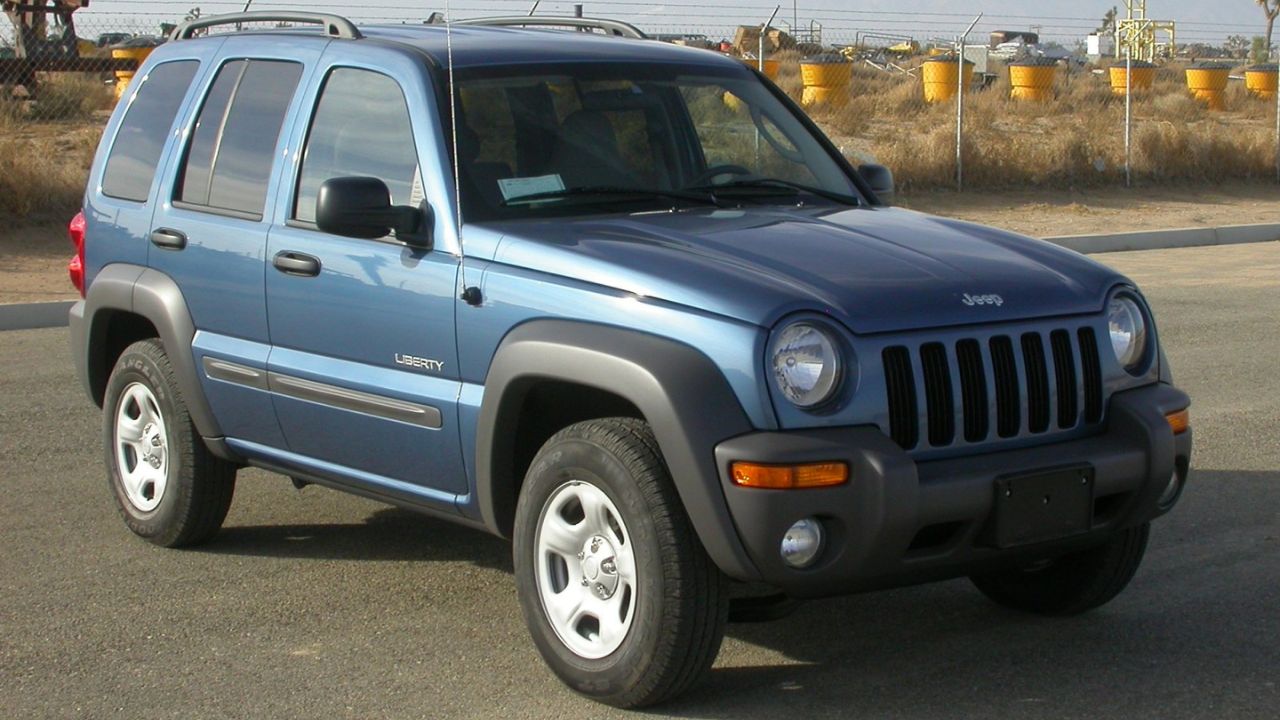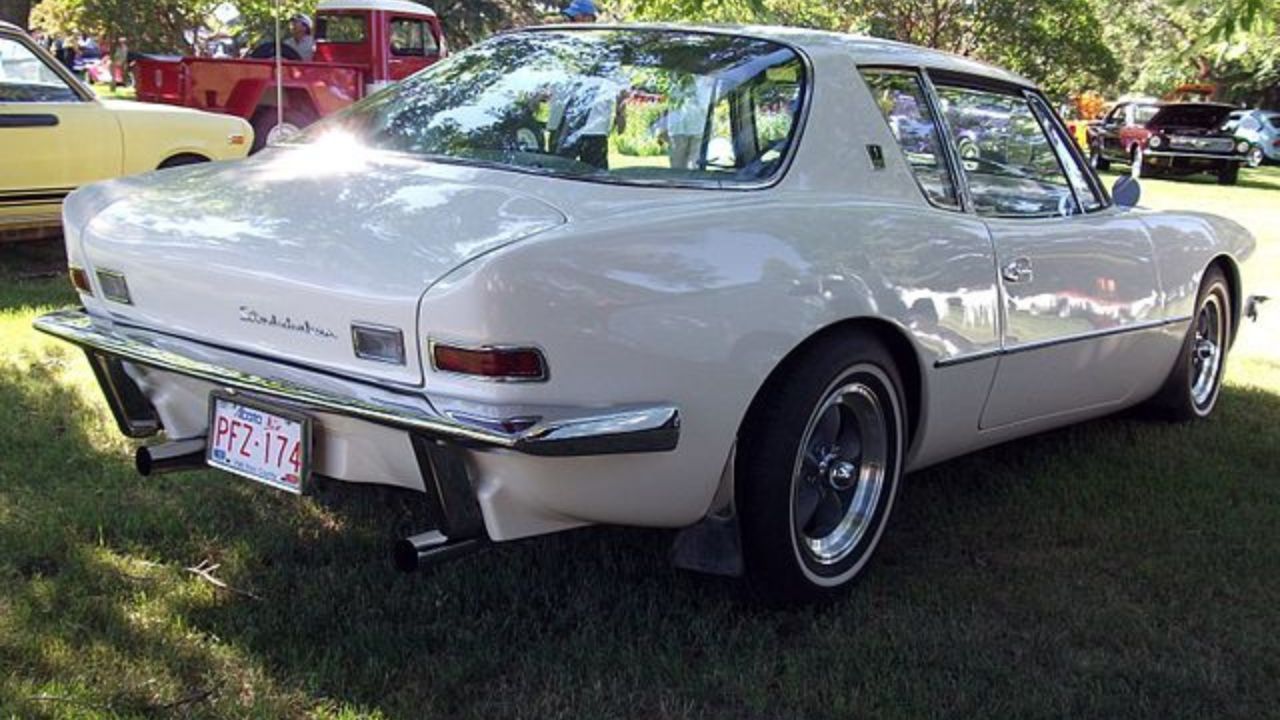
Automobiles have often mirrored the priorities of the people who built and drove them. As America experienced economic shifts, technological advances, and changing lifestyles, its cars evolved alongside those transformations. These models captured defining moments in the country’s history, reflecting how the nation adapted to new challenges and opportunities.
Ford Model A
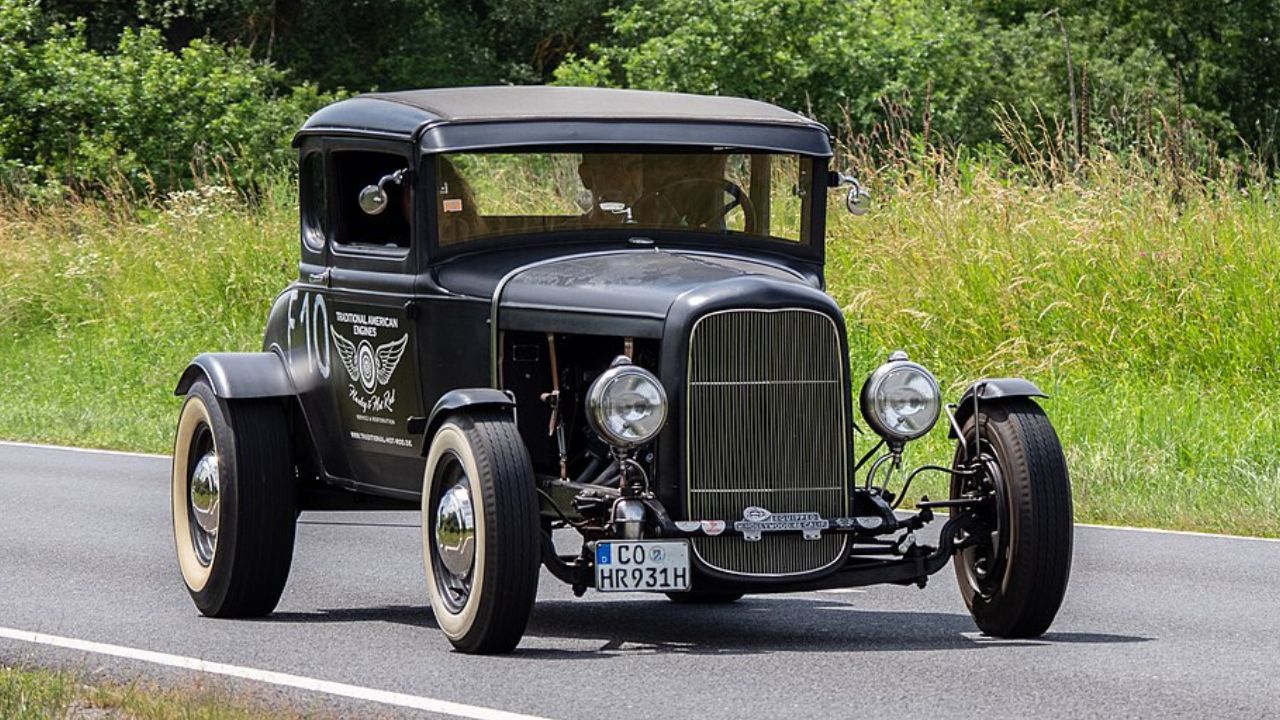
The Ford Model A marked America’s transition from the pioneering days of motoring to a more mature automotive industry. Offering improved comfort, modern styling, and greater performance than its predecessor, it reflected growing consumer expectations during the late 1920s. The Model A demonstrated that practical transportation could also provide refinement and everyday convenience.
Chevrolet Bel Air
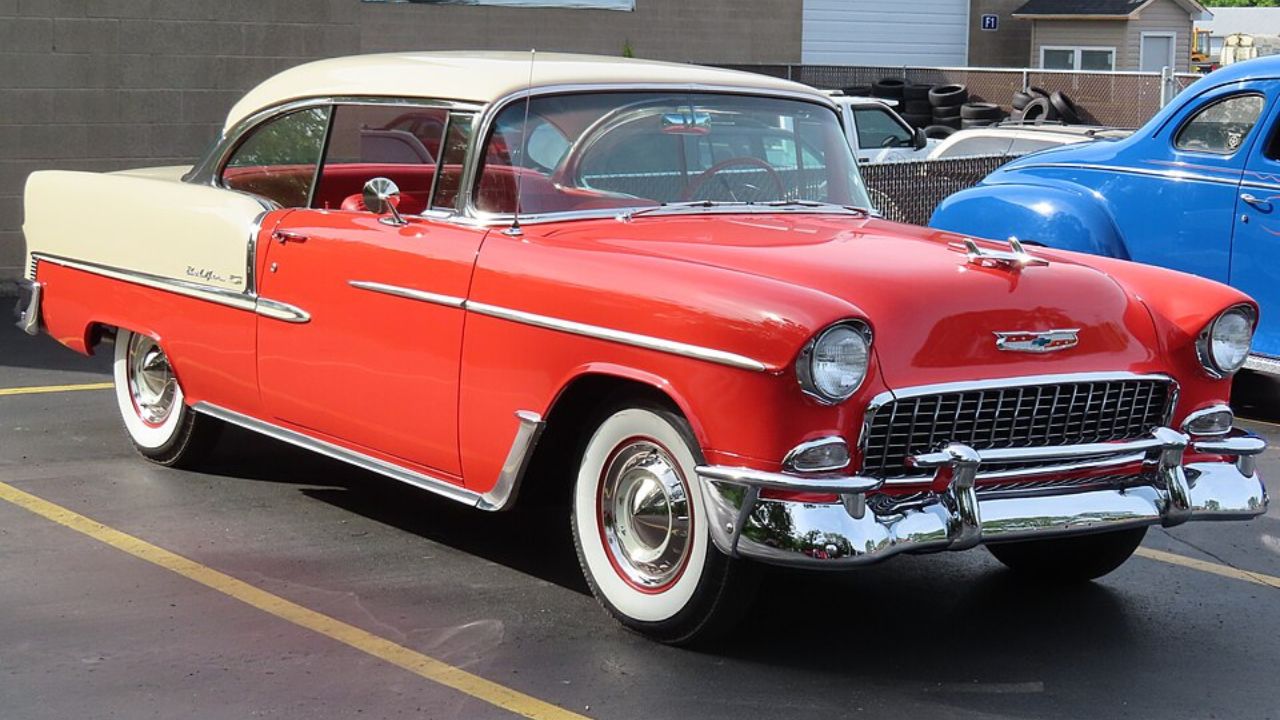
The Chevrolet Bel Air became a symbol of postwar optimism as American families embraced suburban living and rising prosperity. Its stylish design, powerful V8 options, and increasing comfort reflected the confidence of the 1950s. The Bel Air captured an era when automobiles became expressions of personal success as much as transportation.
Studebaker Avanti
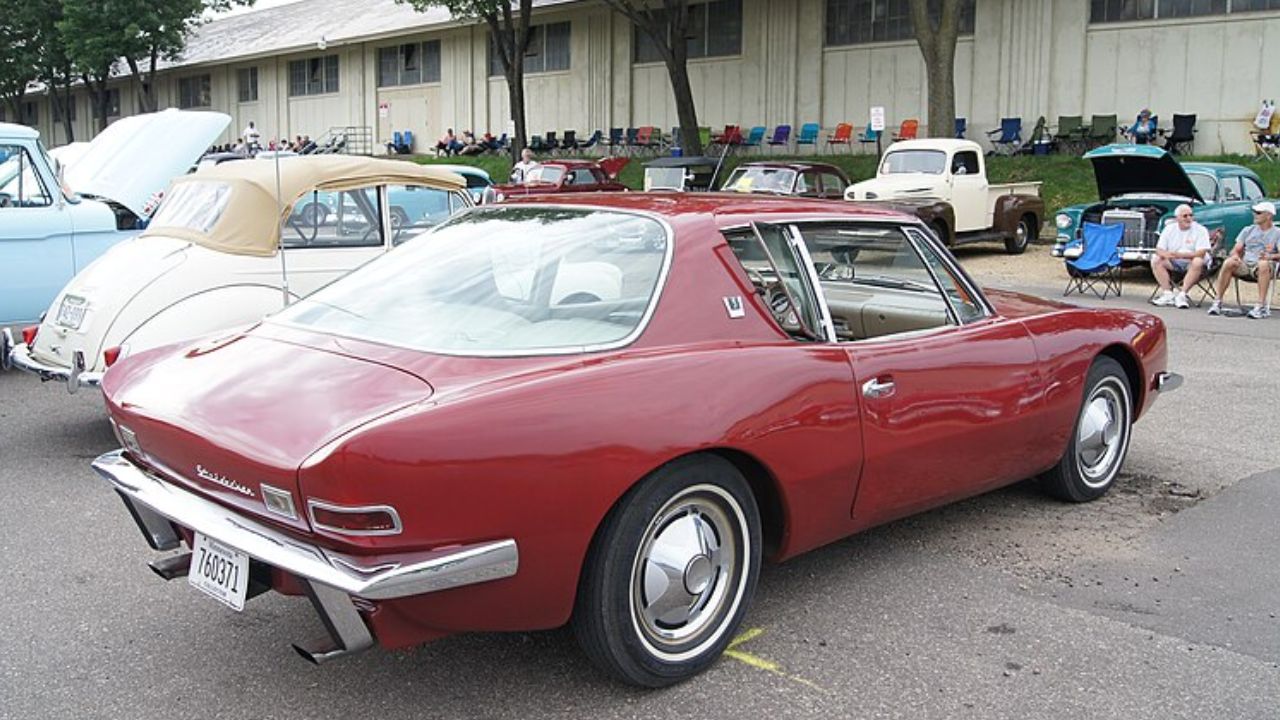
The Studebaker Avanti showcased bold thinking during a period of intense competition among American automakers. Featuring advanced safety concepts and futuristic styling, it challenged conventional design despite Studebaker’s financial struggles. The Avanti reflected a willingness to innovate even as the domestic automotive landscape underwent significant change.
Ford Mustang
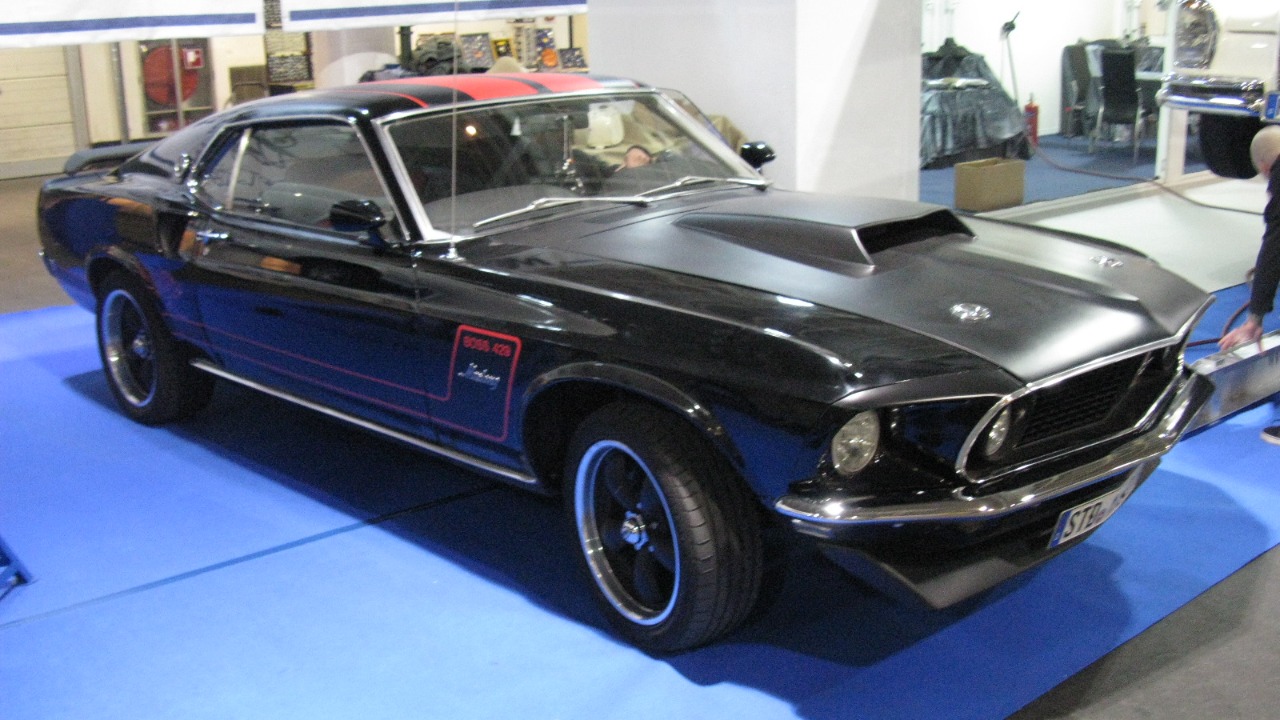
The Ford Mustang introduced an affordable performance car aimed at younger buyers during the 1960s. Its combination of sporty styling, customization options, and accessible pricing reflected a generation seeking greater individuality. The Mustang’s success reshaped the American automotive market and inspired an entirely new class of vehicles.
Oldsmobile Toronado

The Oldsmobile Toronado demonstrated how American engineering could embrace unconventional solutions while maintaining luxury and performance. Its front-wheel-drive layout challenged long-standing industry traditions and reflected growing interest in advanced automotive technology. The Toronado showed that innovation could thrive within established domestic brands.
AMC Pacer
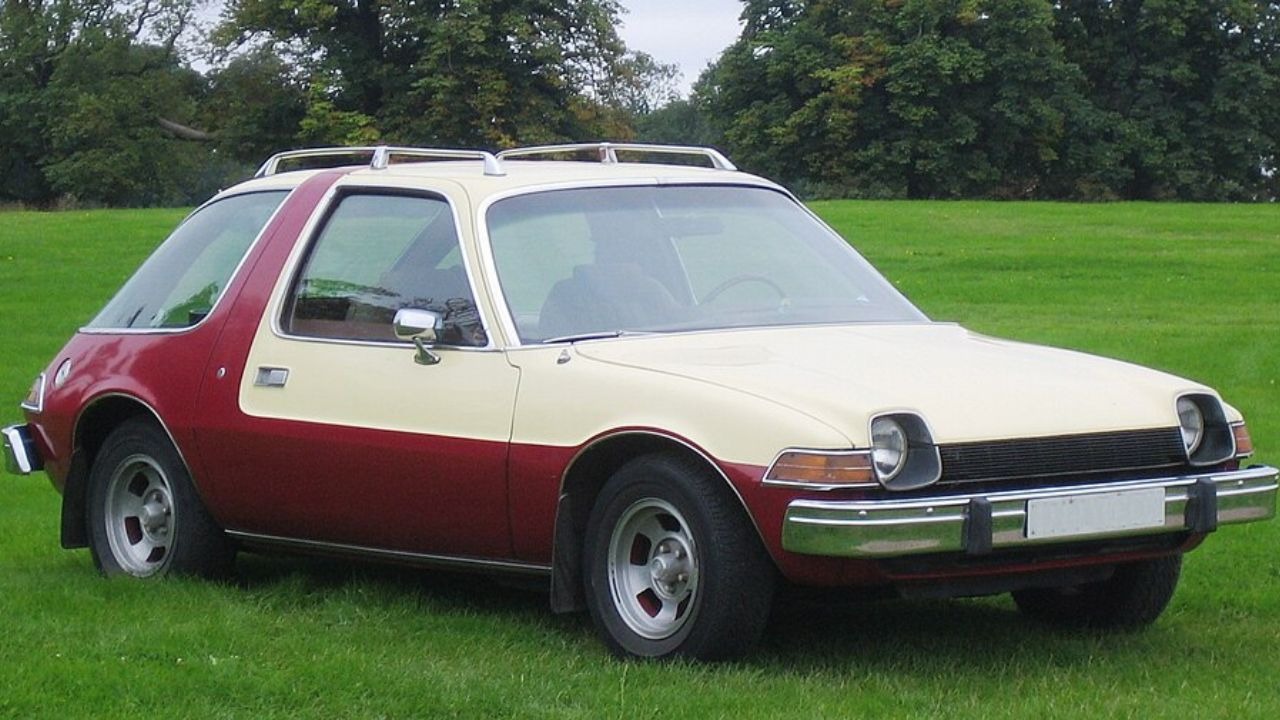
The AMC Pacer represented changing priorities during the fuel-conscious 1970s by emphasizing interior space within compact exterior dimensions. Its distinctive styling reflected an era of experimentation as automakers searched for new ideas. Although initially divisive, the Pacer remains a memorable symbol of a rapidly evolving automotive marketplace.
Chrysler Minivan

The Chrysler Minivan reflected shifting family lifestyles during the 1980s by prioritizing practicality, flexibility, and passenger comfort. Its spacious cabin and front-wheel-drive design made everyday transportation more convenient for growing households. The vehicle’s success permanently influenced how manufacturers approached family-oriented transportation.
Saturn SL

The Saturn SL represented General Motors’ effort to respond to changing consumer expectations for quality, efficiency, and value. Built with innovative manufacturing techniques and polymer body panels, it reflected a renewed focus on competing with imported compact cars. The Saturn SL symbolized Detroit’s willingness to rethink traditional production methods.
Tesla Model 3

The Tesla Model 3 reflects America’s transition toward electrification, software-driven technology, and new approaches to vehicle ownership. By making electric vehicles accessible to a broader audience, it accelerated industry investment in battery-powered transportation. The Model 3 illustrates how changing environmental priorities and technological innovation continue to reshape the American automotive landscape.
More from Fast Lane Only
- Unboxing the WWII Jeep in a Crate
- 15 rare Chevys collectors are quietly buying
- 10 underrated V8s still worth hunting down
- Police notice this before you even roll window down
*Research for this article included AI assistance, with all final content reviewed by human editors