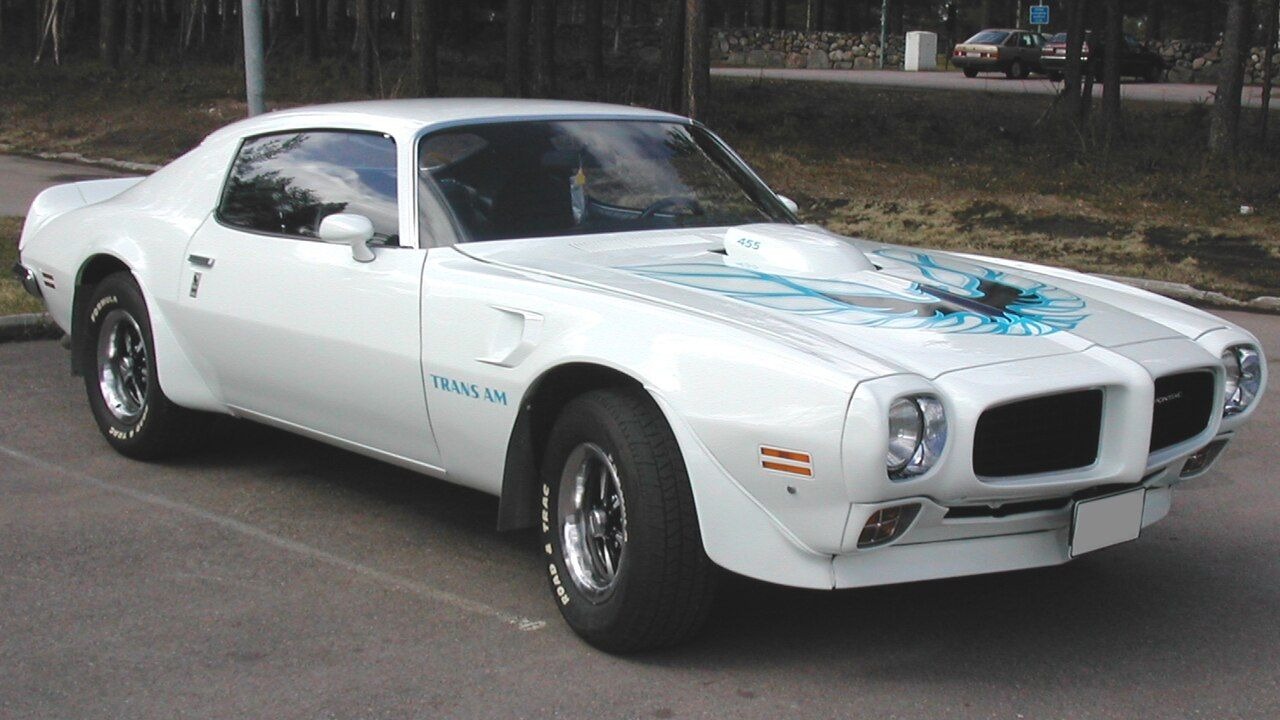
The 1973 Pontiac Trans Am is more than just a muscle car; it symbolizes an era of American automotive culture that blended speed, style, and rebellion. However, its rise to icon status can be attributed to an unusual twist in history that intertwined it with popular culture, particularly film and music.
Historical Context of the 1973 Pontiac Trans Am
The early 1970s were a tumultuous time for the American automotive industry, marked by the oil crisis and the introduction of stringent emissions regulations. The oil embargo of 1973 led to skyrocketing fuel prices and a national shift in consumer sentiment towards fuel efficiency. This seismic shift had a profound impact on muscle cars, which were traditionally celebrated for their power and performance. The 1973 Pontiac Trans Am was one of the last models produced during the golden age of American muscle cars, and its specifications reflected both the enduring appeal of high performance and the necessity for compliance with new regulations.
The introduction of the 1973 model brought about some significant changes compared to its predecessors. While earlier models boasted powerful engines capable of delivering impressive horsepower, the 1973 Trans Am faced limitations due to the tightening regulations on emissions. The 1973 model featured a slightly toned-down version of the iconic 455 cubic inch V8 engine, resulting in a decrease in horsepower but still retaining enough muscle to thrill enthusiasts. This model was a representation of a transitional phase, where traditional performance metrics were increasingly challenged by regulations, yet the spirit of the muscle car persisted.
Design Features that Captivated Enthusiasts
The 1973 Pontiac Trans Am is easily recognizable by its striking design elements, which have become iconic in their own right. The “screaming chicken” hood decal, a bold graphic that adorned the hood of most Trans Am models, became a symbol of power and rebellion. The aggressive body lines and distinctive front fascia gave the car a menacing stance on the road, appealing to a generation that valued both aesthetics and performance. These design features captured the imagination of car enthusiasts and solidified the Trans Am’s place in automotive history.
Under the hood, enthusiasts could choose from several engine options, including the legendary Super Duty SD-455, which, despite being less powerful than earlier models, still delivered a thrilling driving experience. The SD-455 set itself apart with its robust torque and acceleration, making it a standout option for performance seekers. Innovations in design, such as improved aerodynamics and a focus on driver comfort, further distinguished the Trans Am from its competitors, ensuring that it remained a sought-after vehicle even as the muscle car era began to wind down.
The Role of Pop Culture in Elevating the Trans Am
The cultural significance of the 1973 Pontiac Trans Am was amplified through its prominent feature in the film “Smokey and the Bandit,” released in 1977. Starring Burt Reynolds, the film showcased the Trans Am as a symbol of freedom and rebellion, capturing the essence of the American spirit. The car’s high-speed chases and iconic black-and-gold color scheme made it an unforgettable character in its own right, leading to a surge in popularity for the model. This film helped cement the Trans Am’s status as a cultural icon and a must-have for car enthusiasts.
Beyond the silver screen, the Trans Am found its way into rock music as well, making appearances in music videos and lyrics by popular artists. Bands and musicians often used the car to represent a carefree lifestyle, further embedding it in the fabric of American pop culture. Celebrity endorsements, including ownership by notable figures, only added to the allure of the Trans Am, making it a vehicle that many aspired to own. Its representation in various media solidified the Trans Am’s position not just as a car, but as a cultural phenomenon.
Impact of the Pontiac Trans Am on American Car Culture
The Pontiac Trans Am played a pivotal role in shaping the identity of the 1970s muscle car movement, embodying the era’s spirit of power, speed, and style. It became synonymous with rebellion against conformity, appealing to a generation that valued individuality and self-expression. The Trans Am’s aggressive styling and performance capabilities made it a desirable choice among young drivers, creating a lasting legacy that resonated with automotive enthusiasts for decades to come.
As Pontiac positioned itself as a performance brand, the Trans Am became a cornerstone of its identity. The car’s success in both sales and popularity helped to define Pontiac’s image as a manufacturer of high-performance vehicles, setting the stage for later models that would carry on the Trans Am’s legacy. Additionally, the establishment of Trans Am clubs and communities fostered a dedicated fan base, allowing enthusiasts to share their passion and appreciation for this iconic vehicle, further enriching American car culture.
Collectibility and Market Trends
The 1973 Pontiac Trans Am has become a highly sought-after collector’s item, with its value fluctuating significantly over the decades. As the nostalgia for classic muscle cars has grown, so too has the interest in the Trans Am, particularly among those who remember its cultural impact. Collectors often seek out well-preserved models or those with unique specifications, leading to a competitive market for this iconic vehicle.
Factors contributing to the desirability of the 1973 model include its unique place in automotive history as one of the last true muscle cars produced before the industry shifted towards more fuel-efficient options. Its limited production numbers and distinctive features, such as the Super Duty engine option, further enhance its appeal to collectors. When compared to other classic cars, the Trans Am often holds its own, with prices that can sometimes rival those of more traditionally celebrated models. The ongoing restoration and customization trends among enthusiasts also contribute to its market value, as individuals seek to personalize their Trans Ams while preserving their historical significance.
Challenges Faced by Pontiac and the Trans Am Line
Despite its popularity, the Pontiac Trans Am faced numerous challenges in the wake of changing regulations and market conditions. The oil crisis of 1973 significantly impacted muscle car production, leading to a decline in sales as consumers increasingly gravitated towards fuel-efficient vehicles. Pontiac, like many manufacturers, had to adapt to these changes, resulting in a shift in focus away from high-performance models toward more practical options.
The 1973 oil crisis was a turning point for the automotive industry, and the Trans Am line was not immune to its effects. Sales suffered, and Pontiac struggled to maintain the allure of its performance vehicles amid rising fuel prices and changing consumer preferences. This decline ultimately led to a reduction in production numbers and a shift in the company’s strategy, marking the beginning of a downturn for the iconic Trans Am series that would affect its legacy for years to come.
The Legacy of the 1973 Pontiac Trans Am Today
Today, the 1973 Pontiac Trans Am remains relevant in modern automotive culture, often celebrated in contemporary media and car shows. Its distinctive design and performance capabilities continue to capture the imagination of enthusiasts and collectors alike. The car serves as a symbol of nostalgia, representing a bygone era of American automotive history that many still cherish.
Restoration and customization trends among enthusiasts have kept the spirit of the Trans Am alive, with many owners investing time and resources into bringing these classic vehicles back to their former glory. Whether it’s through meticulously restoring a 1973 model to its original specifications or customizing it with modern technology, the passion for the Trans Am endures. This enduring legacy not only highlights the car’s significance in automotive history but also solidifies its place as an icon for future generations to appreciate.
More from Fast Lane Only