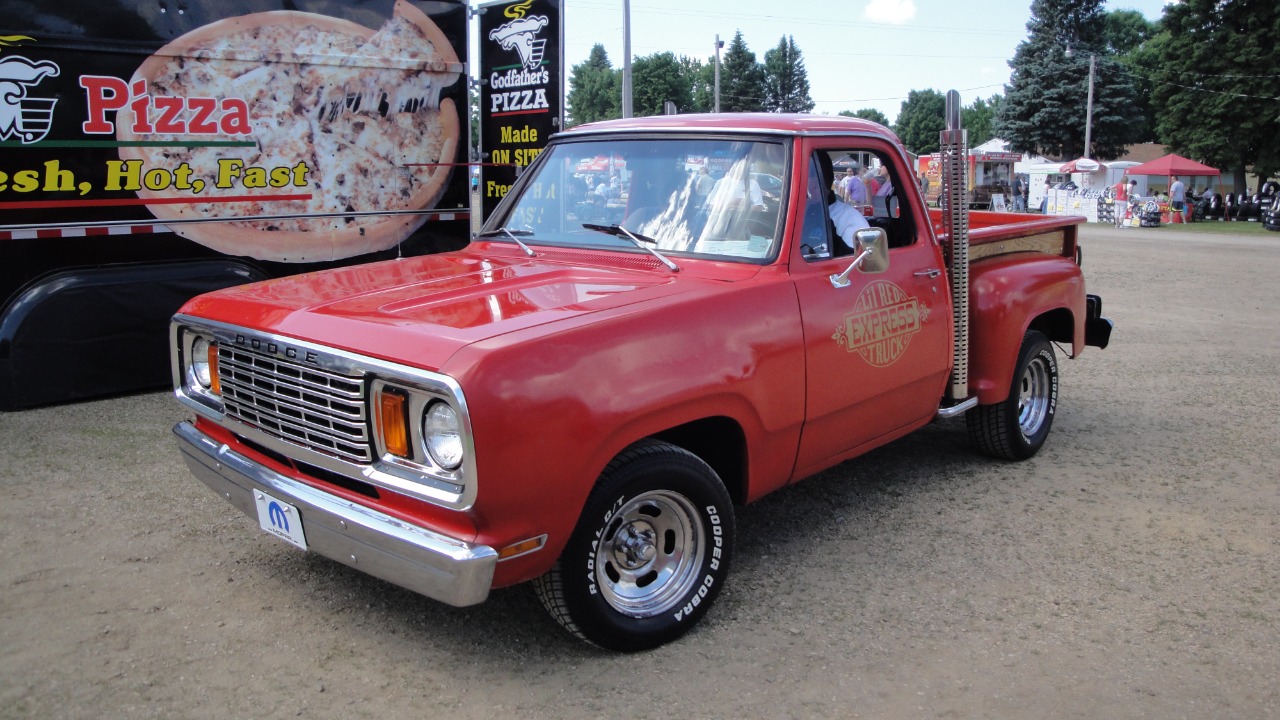
The 1978 Dodge Lil Red Express is a unique vehicle that defied the norms of its time, combining the utility of a pickup truck with the performance of a muscle car. It not only challenged the traditional muscle car paradigm but also managed to embarrass many of its contemporaries, reshaping perceptions of American automotive performance. By blending practicality with power, the Lil Red Express carved out a distinctive niche in a rapidly changing automotive landscape.
The Rise of the Muscle Car Era
The muscle car phenomenon in the 1960s and early 1970s marked a golden era for American automotive culture. Vehicles like the Ford Mustang, Chevrolet Camaro, and Pontiac GTO became symbols of speed, power, and youthful rebellion. These cars were characterized by their high-performance engines, aggressive styling, and a focus on straight-line speed—a thrilling allure that captivated car enthusiasts and the general public alike.
However, the oil crisis of the early 1970s, combined with stricter emissions regulations, began to stifle the muscle car market. As consumers became more concerned with fuel efficiency and practicality, manufacturers were forced to pivot. This shift led to a decline in the production of high-powered muscle cars, and the landscape of American automotive performance began to change dramatically. The once-dominant muscle cars faced challenges not only from rising fuel prices but also from a growing interest in more utilitarian vehicles.
The Birth of the Dodge Lil Red Express
Amidst this backdrop of declining muscle car production, the Dodge Lil Red Express emerged as a surprising contender in the late 1970s. Launched in 1978, the Lil Red Express was a radical departure from the traditional pickup truck, combining elements of both workhorse utility and performance. Designed to appeal to a new demographic—those seeking both capability and excitement—the Lil Red Express offered features that set it apart. Its distinctive design included a bright red paint job, wood paneling, and dual exhaust stacks, making it an eye-catching alternative to the more subdued trucks of the time.
The marketing strategy behind the Lil Red Express was equally innovative. Dodge targeted younger buyers and performance enthusiasts who were looking for something different. Instead of emphasizing towing capacity or payload, the advertising highlighted speed, agility, and a rebellious spirit, effectively positioning the Lil Red Express as both a practical vehicle and a muscle car in disguise. This approach resonated with consumers during a time when traditional muscle cars were fading from the spotlight.
Performance Specifications and Innovations
The heart of the Lil Red Express was its formidable 360 cubic inch V8 engine, producing an impressive 225 horsepower. This engine was a standout feature that allowed the truck to accelerate from 0 to 60 mph in just 7.5 seconds, a remarkable feat for a vehicle in its class at that time. In comparison, many traditional muscle cars were struggling to match this performance due to the aforementioned fuel regulations and emissions standards. The Lil Red Express managed to maintain its muscle car roots while offering the practicality of a pickup truck, effectively blurring the lines between the two segments.
Innovative features such as dual exhaust and a unique styling package contributed to its performance and aesthetics. The truck’s design, with its high stance and bold lines, not only appealed to the eye but also contributed to its speed. While traditional muscle cars were often associated with flashy aesthetics and loud engines, the Lil Red Express brought a more utilitarian approach without sacrificing performance. Its ability to haul cargo while still delivering muscle car-like acceleration was a game-changer in the automotive landscape.
The Cultural Impact of the Lil Red Express
The Lil Red Express quickly became a symbol of American ingenuity and a testament to the evolving nature of performance vehicles. It represented a shift in consumer preferences during a time when practicality was becoming increasingly important. The truck’s unique blend of style and performance resonated with a generation that valued both capability and excitement. As a result, the Lil Red Express played a significant role in the rise of performance trucks in automotive culture, paving the way for future models that would continue this trend.
In pop culture, the Lil Red Express often found itself compared to contemporaneous muscle cars, such as the Pontiac Trans Am and Chevrolet Camaro. Featured in various automotive magazines and television shows, it captured the imagination of car enthusiasts and casual observers alike. Its distinctiveness made it a conversation starter, and anecdotes from car enthusiasts about racing their Lil Red Express against traditional muscle cars became commonplace, further cementing its place in the automotive lexicon.
Competition with Traditional Muscle Cars
Head-to-head comparisons between the Lil Red Express and iconic muscle cars of the era reveal the truck’s surprising capabilities. For instance, against the Pontiac Trans Am, known for its performance and aggressive styling, the Lil Red Express proved that a pickup could hold its own on the street. Many consumers found that, despite its practical design, the Lil Red Express offered a level of performance that rivaled the traditional muscle cars, leading to a shift in consumer preferences. Car enthusiasts often shared stories of racing against cars they once considered superior, only to be surprised by the Lil Red Express’s acceleration and handling.
Consumer perceptions were also influenced by the truck’s versatility. Many buyers opted for the Lil Red Express not just for its performance but also for its ability to serve multiple purposes. Whether it was hauling gear for a weekend adventure or simply navigating daily commutes, the Lil Red Express provided a compelling alternative to the traditional muscle car. This adaptability, combined with its performance capabilities, allowed it to capture a loyal following among a demographic that was increasingly interested in both speed and functionality.
Criticism from Muscle Car Purists
Despite its success, the Lil Red Express faced criticism from traditional muscle car purists who questioned its legitimacy as a muscle car. Many enthusiasts argued that true muscle cars should be coupes or sedans, emphasizing speed and performance above all else. The notion that a pickup truck could embody the muscle car spirit was met with skepticism, leading to a divide within the automotive community. Critics often pointed to the truck’s practical design as evidence that it lacked the raw, unadulterated performance that defined classic muscle cars.
The backlash from traditionalists sparked debates about the very definition of a muscle car. Some enthusiasts maintained that the Lil Red Express was simply a clever marketing ploy, arguing that it should not be included in the same category as legendary muscle cars like the Chevrolet Chevelle or the Ford Mustang. However, the truck’s performance metrics and cultural impact challenged these notions, forcing many to reconsider their definitions of performance vehicles and what constituted the muscle car legacy.
Legacy and Collectability of the Lil Red Express
Today, the Lil Red Express holds a special place in the classic car market, with collectors and enthusiasts alike recognizing its unique contribution to automotive history. As interest in classic trucks has surged, the Lil Red Express has become increasingly desirable among collectors. Factors contributing to its collectability include its limited production numbers, distinctive styling, and performance specifications that still impress enthusiasts today. The truck’s status as a symbol of the late 1970s automotive culture further enhances its appeal, making it a sought-after piece of American automotive history.
The Lil Red Express also paved the way for future performance trucks, demonstrating that pickup trucks could offer more than just utility. As manufacturers began to take notice, we saw a rise in performance-oriented trucks in the coming decades, with models like the Ford Lightning and Chevy Silverado SS emerging from the influence of the Lil Red Express. Its legacy continues to resonate, reminding enthusiasts of a time when innovation and performance converged in unexpected ways.
The Future of Performance Trucks
The legacy of the Lil Red Express has had a lasting impact on the development of modern performance trucks. Today, manufacturers are increasingly looking to blend utility with speed, creating vehicles that cater to both work and play. As technology advances, the performance truck segment is poised to continue evolving, with electric and hybrid options entering the fray. The trend towards high-performance trucks is likely to grow, reflecting the changing preferences of consumers who value versatility and excitement.
Looking ahead, the rivalry between traditional muscle cars and modern performance trucks will likely intensify. As manufacturers push the boundaries of performance and design, the lines between these two segments will continue to blur. The Lil Red Express serves as a reminder of the potential for innovation in the automotive industry and the enduring appeal of vehicles that challenge conventional wisdom. The future of performance trucks appears bright, with a legacy rooted in the bold design and performance that the Lil Red Express introduced to the world.
More from Fast Lane Only