The Dodge Coronet, a classic American muscle car, has long been celebrated for its powerful performance and bold design. However, it became a topic of controversy due to an unusual combination of factors that transcended its mechanical prowess, igniting discussions around cultural identity and automotive legacy.
The Origins of the Dodge Coronet
The Dodge Coronet made its debut in 1949 as a full-size automobile, initially positioned as a family car. Over the decades, it evolved significantly, transitioning into one of the notable muscle cars of the 1960s. The first-generation Coronet was characterized by its clean lines and simple styling, but it was the 1965 model that marked a pivotal turning point. It introduced a more performance-oriented approach, featuring a range of powerful V8 engines and a design that appealed to the burgeoning muscle car market.
By the late 1960s, the Coronet had firmly established itself as a powerhouse in the automotive world, particularly with models like the 1968-1970 Coronet R/T. These versions included aggressive styling cues, such as a more pronounced front grille and a streamlined body, which contributed to their reputation as formidable competitors in the muscle car wars. The Coronet’s evolution not only bolstered Dodge’s brand identity but also solidified its place in automotive history as a symbol of American engineering prowess and performance.
The Controversial Model Years
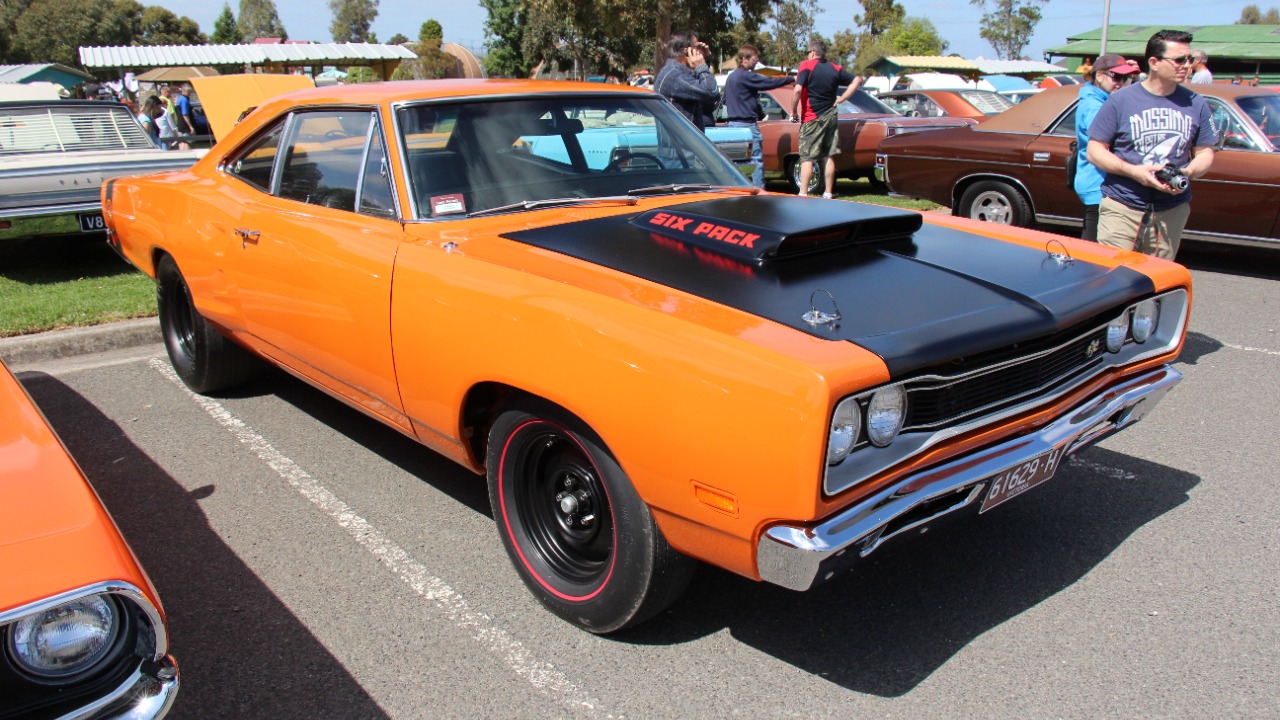
The 1968-1970 Dodge Coronet models ignited intense debates among car enthusiasts and collectors, primarily due to their radical design changes and performance features. The 1968 model introduced a significantly more aggressive look, which was met with mixed reactions from the public. Some praised its bold styling and powerful engine options, while others felt that the design strayed too far from the classic muscle car aesthetics that had defined the Coronet’s earlier years. The introduction of the Coronet Super Bee in 1968 further amplified this controversy, as it was aimed at younger drivers looking for an affordable performance car, leading to discussions about the target demographic and the brand’s evolving identity.
Amidst the muscle car wars of the late 1960s and early 1970s, the Coronet found itself at the center of a fierce competition among American automakers. With rivals like the Ford Mustang and Chevrolet Camaro making waves, the Dodge Coronet had to continually adapt to maintain its relevance. The introduction of the 440 and 426 HEMI engines showcased Dodge’s commitment to performance, but it also sparked debates regarding the environmental impact and safety of high-performance vehicles during a time of growing awareness about these issues.
Racial and Cultural Symbolism
The association of the Dodge Coronet with various cultural movements and social issues of the time added layers to its controversy. During the late 1960s, the car became emblematic of the youth culture and the countercultural movements that were sweeping across the United States. The Coronet’s raw power and rebellious spirit resonated with a generation eager to break free from societal norms. However, its popularity also sparked discussions about race and class, particularly as the muscle car became a symbol of both aspiration and exclusion in different communities.
Different demographic groups embraced or rejected the Coronet for various reasons. For some, it represented freedom and power, while for others, it became a reminder of the socio-economic divides that existed within American society. The car’s association with certain subcultures, such as street racing and the burgeoning car culture of the time, led to unintended consequences, including increased scrutiny from law enforcement and negative media portrayals. These dynamics contributed to a complex narrative around the Coronet, making it more than just a vehicle but rather a cultural artifact steeped in the issues of its time.
Media Influence and Controversy
Automotive journalism and popular media played significant roles in shaping the public perception of the Dodge Coronet. During its peak, magazines like “Motor Trend” and “Car and Driver” extensively covered the Coronet, highlighting its performance capabilities and design features. However, the portrayal was often polarized, with some reviews praising the car’s engineering while others criticized it for its high-speed reputation, which was sometimes linked to reckless driving and dangerous behavior. Specific instances, such as the Coronet’s association with infamous figures in street racing, further fueled the controversy surrounding its image.
Films and television series also contributed to the Coronet’s controversial status. For instance, its appearances in movies like “The Fast and the Furious” franchise showcased the car’s enduring appeal but also reinforced its connection to illegal street racing activities. These portrayals often glamorized the reckless lifestyle associated with muscle cars, complicating the public’s perception of what the Dodge Coronet represented. The duality of its image—as both a performance icon and a vehicle entwined with controversy—highlighted the intricate relationship between media representation and automotive culture.
The Legacy and Modern Reinterpretation
Today, the Dodge Coronet is viewed as both a collector’s item and a cultural artifact, reflecting the complexities of its history. As interest in classic muscle cars has revived, the Coronet has found a new audience among car enthusiasts and collectors. Events like the Muscle Car and Corvette Nationals showcase the Coronet alongside other legendary vehicles, sparking discussions about its place in automotive history. Collectors are often drawn to specific models, such as the unrestored 1970 Coronet R/T, which is noted for its unique features and limited production numbers, emphasizing the car’s legacy as a coveted piece of Americana. You can read more about this particular model here.
Current debates among enthusiasts often center around the interpretations and restorations of the Coronet. With the rise of aftermarket modifications and restorations, the question of authenticity versus personal expression has become a hot topic. Some purists argue for maintaining the original specifications and designs, while others advocate for modern upgrades that enhance performance and safety. This dialogue reflects broader trends within the automotive community, where the line between restoration and customization continues to blur.
The Dodge Coronet in Context
The multifaceted reasons behind the Dodge Coronet’s controversy reveal the intricate relationship between automotive culture and societal dynamics. From its origins as a family car to its evolution into a powerful muscle machine, the Coronet’s significance extends beyond mere performance. It has become a vessel for discussions about race, class, and identity in America, embodying the aspirations and tensions of a generation.
As we reflect on the Coronet’s legacy, its ongoing relevance in discussions about American automotive culture becomes increasingly evident. The car has not only influenced modern design but also serves as a reminder of the complexities that surround cultural symbols. The Dodge Coronet, with its storied past, continues to inspire conversations about what it means to be an American car—both in terms of engineering excellence and cultural significance.
More from Fast Lane Only
- Unboxing the WWII Jeep in a Crate
- 15 rare Chevys collectors are quietly buying
- 10 underrated V8s still worth hunting down
- Police notice this before you even roll window down
*Research for this article included AI assistance, with all final content reviewed by human editors.