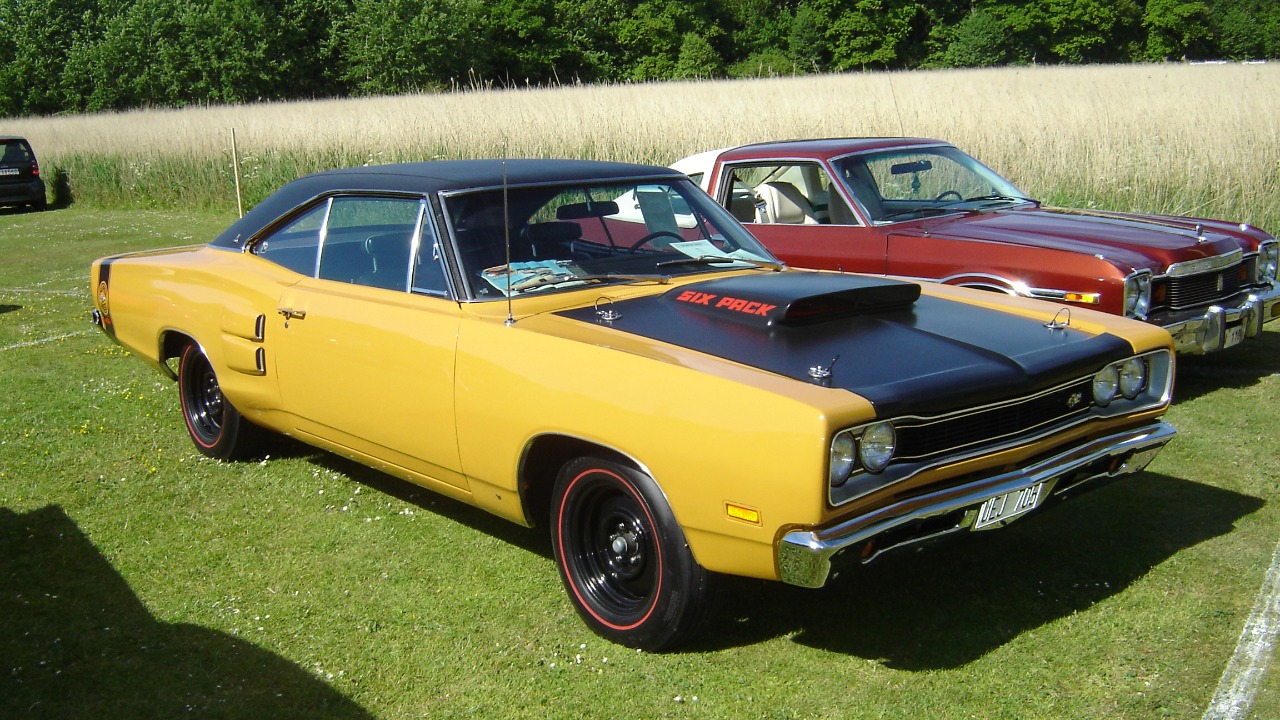
The Dodge Super Bee, a classic American muscle car, has garnered a cult following since its inception in the late 1960s. However, its legacy took a controversial turn due to unexpected ties and cultural implications that continue to spark debate among automotive enthusiasts and historians alike.
The Birth of the Dodge Super Bee
The Dodge Super Bee was introduced in 1968 as a budget-friendly option in the muscle car market. Positioned as a stripped-down version of the more expensive Dodge Charger, the Super Bee offered raw power without the hefty price tag. It was built on the B-body platform, which provided a solid foundation for high-performance modifications. The Super Bee was equipped with a range of robust engine options, including the legendary 426 HEMI and the 440 cubic inch V8, allowing it to compete fiercely against rivals like the Chevrolet Chevelle SS and Ford Mustang.
What set the Super Bee apart from its competitors was not just its performance specs but also its distinctive design elements. Featuring a bold, aggressive stance, the car sported a unique “bumblebee” stripe, which became an iconic visual cue for the model. The Super Bee’s marketing strategy emphasized its accessibility, appealing to younger drivers and those looking to experience the thrill of muscle car performance without breaking the bank. This approach helped cultivate a passionate fan base, one that still celebrates the model decades later.
Controversial Associations in Pop Culture
The Super Bee has made memorable appearances in various films and music, solidifying its status as a pop culture icon. One of its most notable appearances was in the 2001 film “The Fast and the Furious,” where it was featured as a high-performance street racing vehicle. This portrayal, while exciting, also tied the Super Bee to the underground street racing scene, a culture often viewed with skepticism due to safety and legal implications. In music, the Super Bee has been referenced in numerous songs, including tracks by artists like Kid Rock and The Black Keys, where its mention is often associated with rebellion and freedom.
However, these representations have not been without controversy. While many celebrate the Super Bee’s role in American car culture, others criticize its depiction in media as glamorizing reckless behavior. Lyrics that reference the car often emphasize speed, power, and a carefree lifestyle, which can evoke mixed feelings among audiences. The duality of admiration and criticism surrounding the Super Bee illustrates how pop culture can shape perceptions of vehicles and their associated lifestyles.
Racial and Social Implications
As the Super Bee became a staple in certain subcultures, particularly within the street racing community, it also took on complex social and racial implications. The car is often celebrated in predominantly male, youthful circles, where it symbolizes freedom and individuality. Yet, its association with street racing has led to a narrative that intertwines with issues of race and class. Critics argue that the portrayal of the Super Bee and similar cars in media often perpetuates stereotypes surrounding socio-economic status and criminality.
Supporters of the Super Bee argue that it represents a rich tradition of American car culture, highlighting the ingenuity and craftsmanship of the era. They assert that the car should not be judged solely by its association with street races but rather celebrated for its engineering and historical significance. This tension underscores the broader conversation about how vehicles can serve as symbols in social movements, reflecting the complexities of identity and culture in America.
Environmental Concerns and Changing Attitudes
In recent years, growing environmental awareness has shifted perceptions of classic muscle cars, including the Dodge Super Bee. With modern movements advocating for sustainability and reduced carbon footprints, traditional muscle cars face increasing scrutiny due to their fuel consumption and emissions. The Super Bee, with its powerful V8 engines, is often criticized for contributing to environmental degradation, sparking debates among car enthusiasts and environmentalists alike.
As electric vehicles gain popularity, the nostalgic allure of classic cars like the Super Bee is juxtaposed against the urgent need for sustainable practices in the automotive industry. Many collectors are now faced with the dilemma of balancing their passion for classic cars with the reality of environmental responsibility. This has led to innovative solutions, such as electric conversions of classic models, which aim to preserve the essence of vehicles like the Super Bee while addressing modern sustainability concerns.
The Super Bee’s Legacy and Future
The controversy surrounding the Dodge Super Bee has undoubtedly impacted its market value and collector interest. As awareness grows about the implications of muscle car ownership, the Super Bee has become a sought-after collector’s item, with pristine models fetching impressive prices at auctions. However, the car’s history of controversy has also created a divide among collectors, with some prioritizing historical significance while others focus on the car’s performance and aesthetics.
Despite the challenges posed by changing societal attitudes and environmental concerns, the enthusiasm for classic cars remains strong. Many collectors and enthusiasts continue to advocate for the preservation of muscle cars like the Super Bee, arguing that they represent a vital part of automotive history. Moving forward, the Super Bee brand may find new life through reinterpretation, potentially embracing electric technology while retaining its classic appeal. As the automotive landscape evolves, the legacy of the Super Bee will likely continue to spark debate, inspiring both admiration and critical reflection.
More from Fast Lane Only
- Unboxing the WWII Jeep in a Crate
- 15 rare Chevys collectors are quietly buying
- 10 underrated V8s still worth hunting down
- Police notice this before you even roll window down
*Research for this article included AI assistance, with all final content reviewed by human editors.