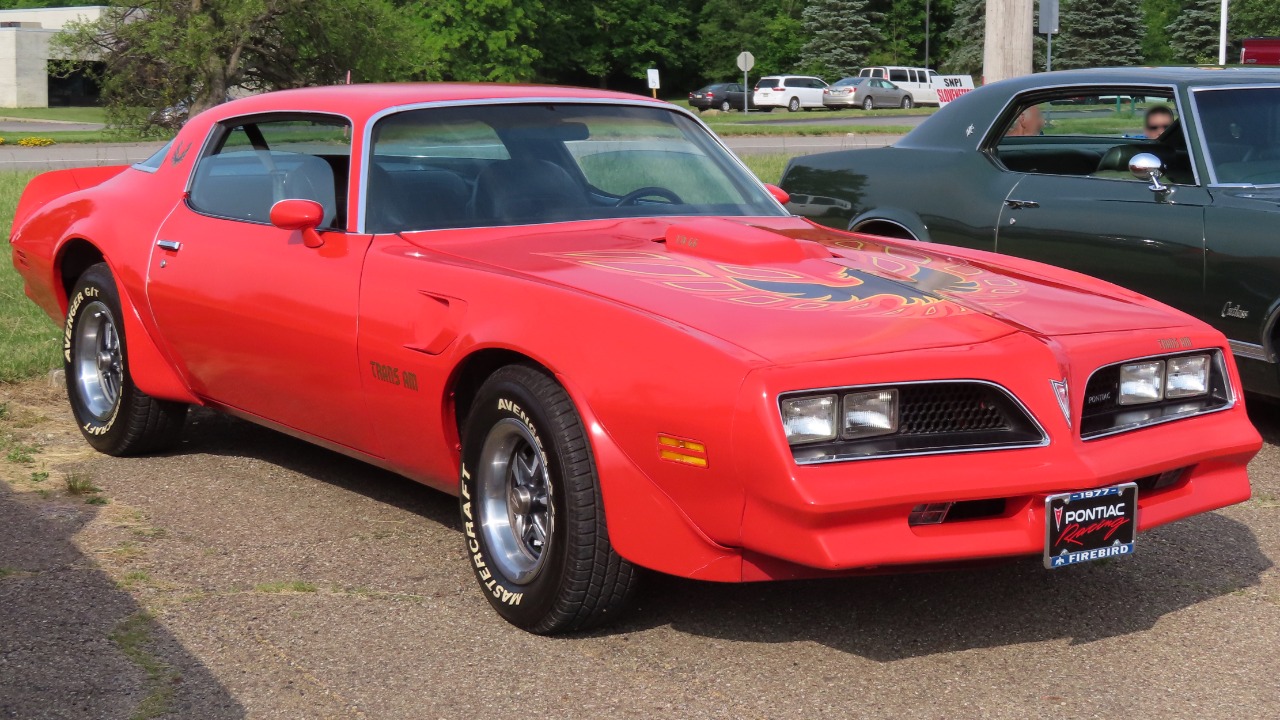
The Pontiac Trans Am, an iconic American muscle car, became embroiled in controversy not merely for its performance but due to its unexpected ties to popular culture and societal perceptions. The allure of the Trans Am is undeniable, but it also raised questions about responsibility and the values we attach to speed and power. I aim to explore the unusual reasons behind the Trans Am’s contentious reputation, unraveling how it became a focal point in discussions about automotive culture and social values.
The Birth of a Legend: Pontiac Trans Am’s Origins
The Pontiac Trans Am was introduced in 1969 as a performance variant of the Pontiac Firebird, designed to cater to the growing demand for powerful, stylish cars. With its bold design and enhanced performance features, the Trans Am quickly captured the hearts of car enthusiasts. The initial model featured a distinctive front-end design, functional hood scoops, and a powerful V8 engine, establishing a blueprint for future iterations. The Trans Am was not just another muscle car; it was a statement, a symbol of rebellion against the mundane.
Marketing strategies played a crucial role in the Trans Am’s rise to fame. Pontiac positioned the car as a symbol of American muscle, tapping into the cultural zeitgeist of the late 1960s and early 1970s. The Trans Am was promoted through daring advertisements that emphasized speed, power, and freedom, appealing to a generation eager for excitement and adventure. The car’s association with the burgeoning counterculture movement further solidified its status as an emblem of rebellion, allowing it to stand out in a crowded automotive landscape.
Cultural Impact: The Trans Am in Film and Media
The Pontiac Trans Am became a cultural phenomenon largely due to its prominent role in the “Smokey and the Bandit” film series. Released in 1977, the first film featured Burt Reynolds driving a black Trans Am, which became iconic almost overnight. This portrayal not only elevated the car’s status in popular culture but also contributed to its desirability among consumers. As the film showcased high-speed chases and daring stunts, the Trans Am became synonymous with excitement and freedom, embodying the spirit of the era. The film’s success helped cement the Trans Am’s place in automotive history, turning it into a must-have vehicle for many.
Beyond the silver screen, the Trans Am made appearances in numerous television shows, solidifying its status as a pop culture icon. From “Knight Rider,” where a modified Trans Am aided in crime-fighting, to various music videos and commercials, the car’s sleek lines and powerful presence captivated audiences. This media representation significantly influenced public perception, making the Trans Am a desirable object of aspiration. As viewers connected with the car’s persona, it became a symbol of independence and rebellion, further enhancing its allure.
Controversy and Criticism: The Dark Side of the Trans Am
Despite its popularity, the Pontiac Trans Am faced criticism for its association with reckless driving and dangerous behavior. As depicted in various films and television shows, the car’s high performance often glamorized speed and power, leading to concerns about the potential dangers of driving such a vehicle. The backlash against this glamorization intensified during the oil crisis of the 1970s when societal values began to shift. As fuel prices soared and environmental awareness grew, the muscle car era, including the Trans Am, came under scrutiny.
The public response to the Trans Am and similar vehicles reflected changing attitudes toward automotive performance and responsibility. Critics argued that the emphasis on speed and power contributed to a culture of reckless driving, leading to accidents and fatalities. Additionally, the rise of environmental concerns further fueled the criticism, as many began to view gas-guzzling muscle cars as symbols of excess and irresponsibility. This shift in societal values placed the Trans Am in a controversial light, challenging its status as an automotive icon.
The Trans Am’s Evolution: From Muscle Car to Collector’s Item
As the automotive landscape evolved, so too did the Pontiac Trans Am. By the 1980s, changing regulations and a shift in consumer preferences led to a decline in the production of traditional muscle cars. The Trans Am transformed from a mainstream performance vehicle into a niche collector’s item. The introduction of fuel-efficient models and a growing interest in environmentally friendly cars marked a significant turning point for the automotive industry. The Trans Am, once celebrated for its power and speed, had to adapt or risk being left behind.
Despite these challenges, the Trans Am experienced a resurgence of interest in the 1990s and early 2000s, fueled by a growing nostalgia for classic cars. Enthusiasts and collectors began to appreciate the design and engineering of the earlier models, leading to a renewed demand for vintage Trans Ams. Classic car shows and auctions often feature these iconic vehicles, highlighting their place in automotive history. The transition from a mainstream muscle car to a coveted collector’s item showcases the lasting impact of the Trans Am and its ability to adapt to changing market conditions.
Legacy and Reassessment: The Trans Am Today
Today, the Pontiac Trans Am is viewed through a multifaceted lens. While it retains its status as a collector’s item, contemporary culture also grapples with the ongoing debates surrounding automotive performance, safety, and environmental responsibility. The Trans Am serves as a reminder of a bygone era of American automotive history, where power and speed were paramount. However, the legacy it leaves behind is complex, intertwining nostalgia with critical reflections on the implications of performance-driven vehicles.
The ongoing reassessment of the Trans Am reflects broader societal changes, as car enthusiasts navigate the balance between admiration for classic performance and awareness of environmental concerns. Many collectors appreciate the craftsmanship and engineering of the Trans Am while also recognizing the importance of safety and sustainability in modern automotive design. As discussions around automotive performance evolve, the Trans Am remains a pivotal figure in the narrative of American muscle cars, symbolizing both the thrill of the open road and the responsibility that comes with it.
More from Fast Lane Only
- Unboxing the WWII Jeep in a Crate
- 15 rare Chevys collectors are quietly buying
- 10 underrated V8s still worth hunting down
- Police notice this before you even roll window down
*Research for this article included AI assistance, with all final content reviewed by human editors.