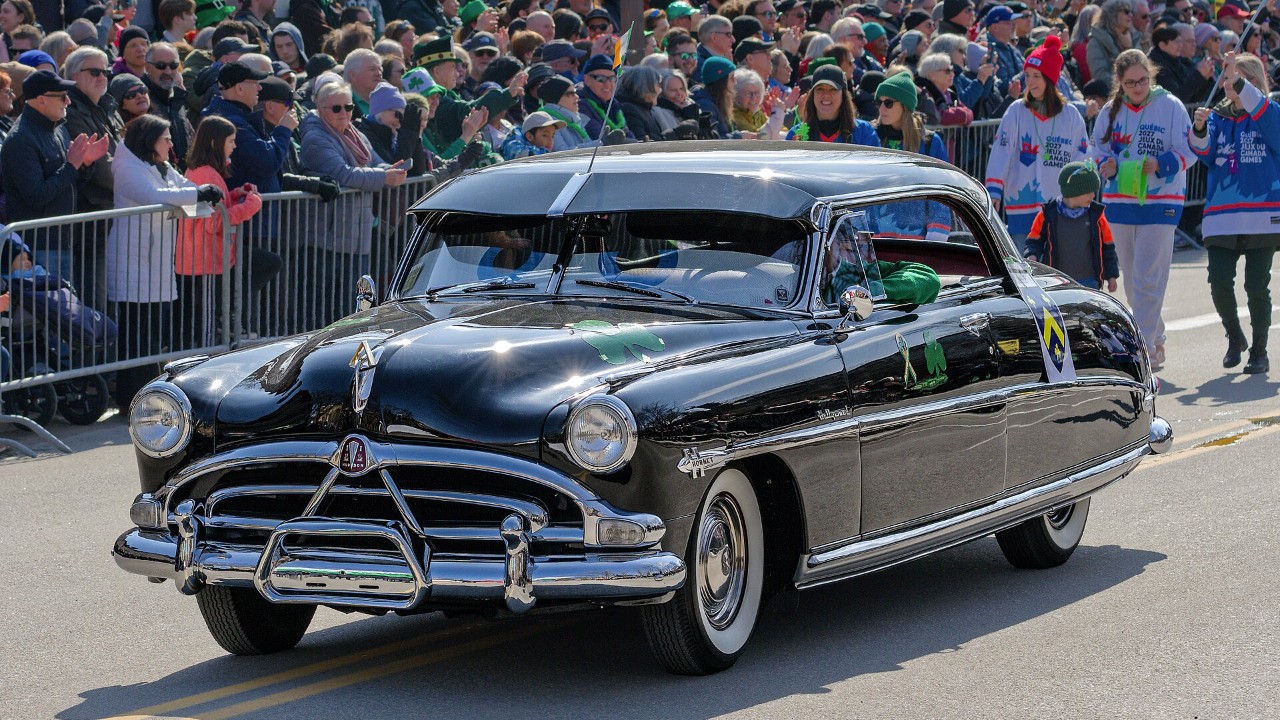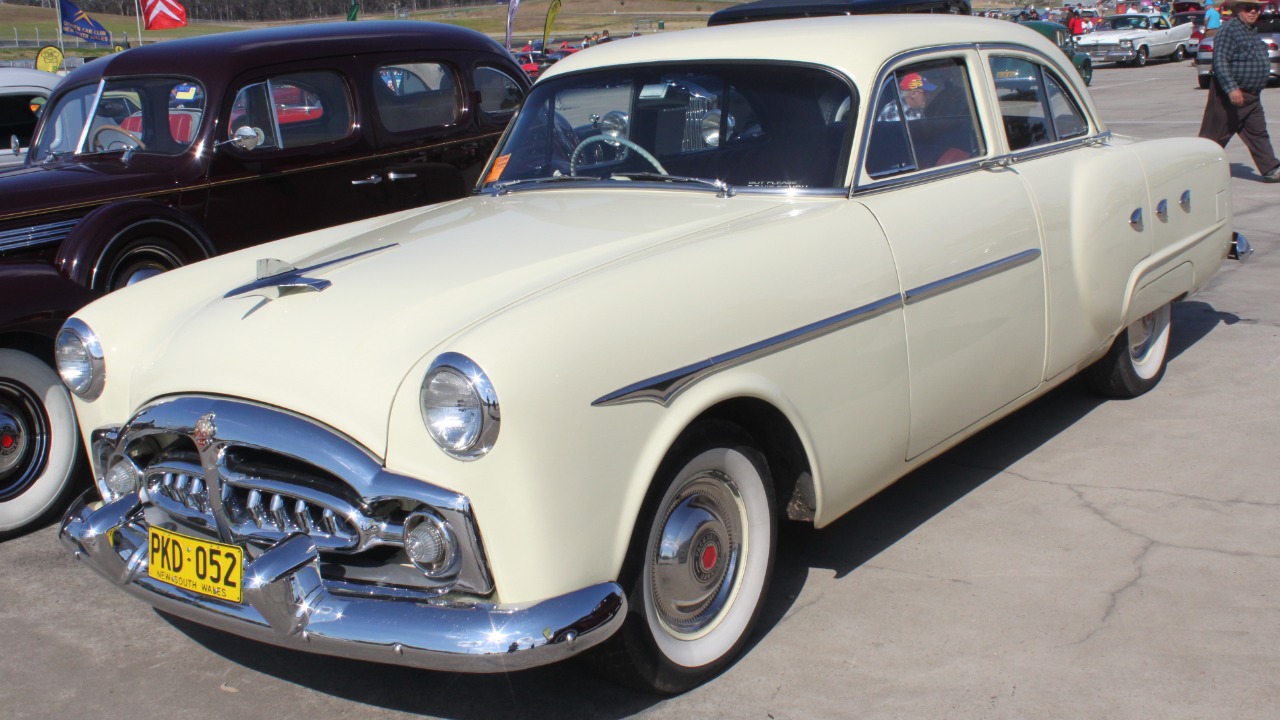
The 1950s Packard holds a special place in the automotive history books, often overshadowed by its more famous contemporaries. With its unique styling, engineering prowess, and cultural significance, this classic car deserves renewed attention from collectors and enthusiasts alike.
The Golden Era of Packard
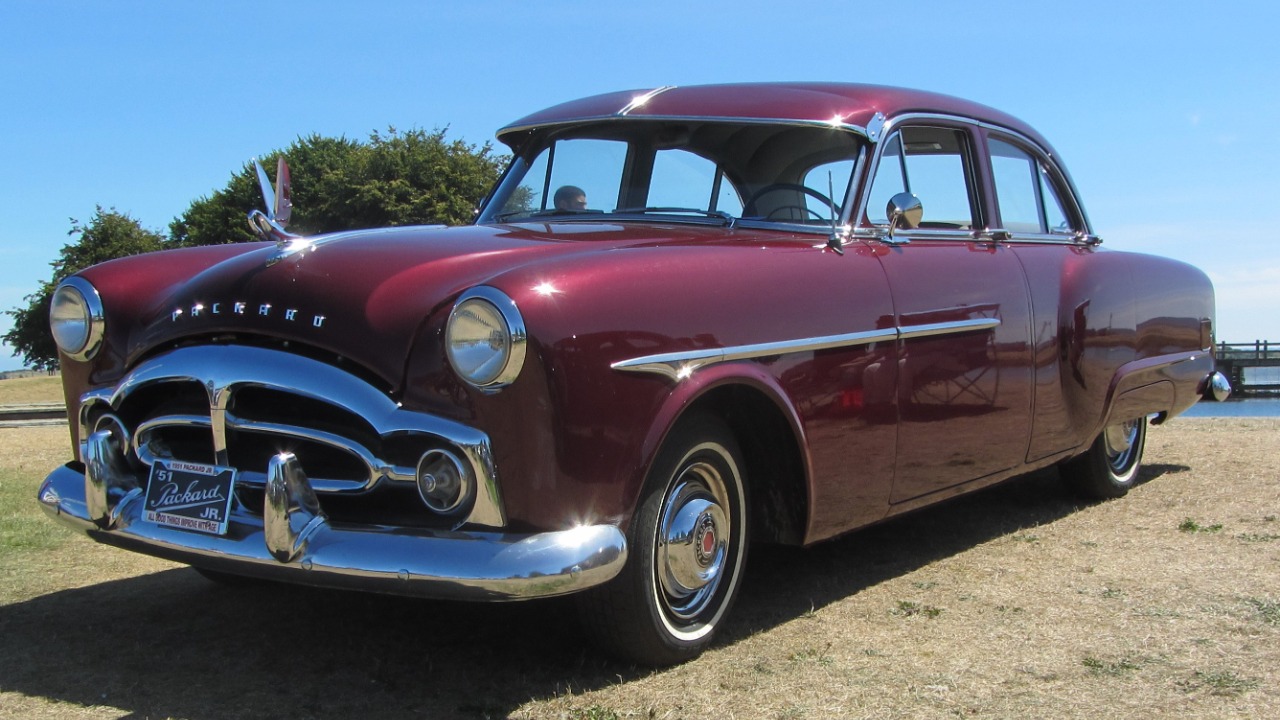
In the 1950s, Packard was a name synonymous with luxury and innovation. The brand, which had built a reputation for quality and prestige in the pre-war era, continued to be a symbol of American automotive excellence in the post-war years. Consumers and the industry at large held Packard in high regard, viewing it as a manufacturer that delivered not only style but also reliability and performance. This reputation was a key factor in Packard’s ability to compete with other luxury brands of the time. Packard’s commitment to technological innovation set it apart from many of its contemporaries. The marque introduced several engineering advancements during the 1950s, including developments in suspension systems and automatic transmissions. These innovations not only enhanced the driving experience for Packard owners but also left a lasting impact on the automotive landscape. As a result, Packard’s engineering prowess during this era continues to be celebrated by enthusiasts and historians alike.
Design and Aesthetics
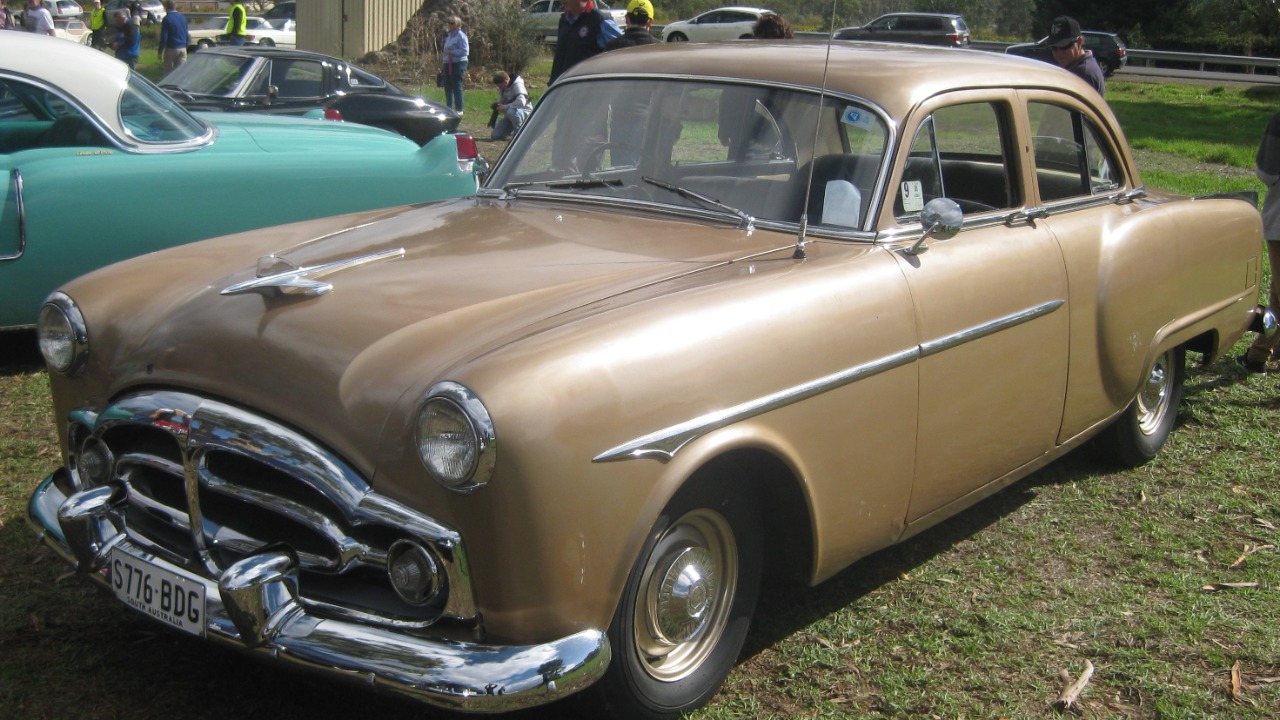
The design of the 1950s Packard is one of its most distinguishing features. The brand embraced the era’s design trends, incorporating sleek lines and bold chrome accents that set it apart from competitors. Elements such as the distinctive grille, elongated body, and luxurious interiors contributed to Packard’s iconic status. These design choices were a reflection of the optimism and innovation that characterized the post-war period, making the cars not just a mode of transport but a statement of style. Among the various models, Packard’s “Woodies” stand out for their unique craftsmanship and aesthetic appeal. These station wagons, with their wooden paneling, became a cultural icon in their own right. The allure of Packard’s Woodies lies in their combination of functionality and artistry, capturing the imagination of collectors and enthusiasts. The cultural significance of these models is evident in their continued popularity and the nostalgia they evoke.
Cultural Impact and Legacy

Owning a Packard in the 1950s was more than just possessing a vehicle; it was a symbol of status and success. The brand was intertwined with American culture, appearing frequently in media and popular culture. From movies to advertisements, the Packard was often depicted as the car of choice for the affluent and the stylish. This cultural symbolism added another layer to the brand’s allure, making it a coveted possession among the elite. Despite its early success, Packard faced challenges leading to its decline in the late 1950s. Competition from other luxury brands, economic shifts, and internal challenges contributed to the brand’s eventual downfall. However, the legacy of Packard endures, influencing modern automakers with its emphasis on quality and innovation. The brand’s impact on design and engineering continues to be felt, underscoring its lasting significance in the automotive world.
The Collector’s Perspective
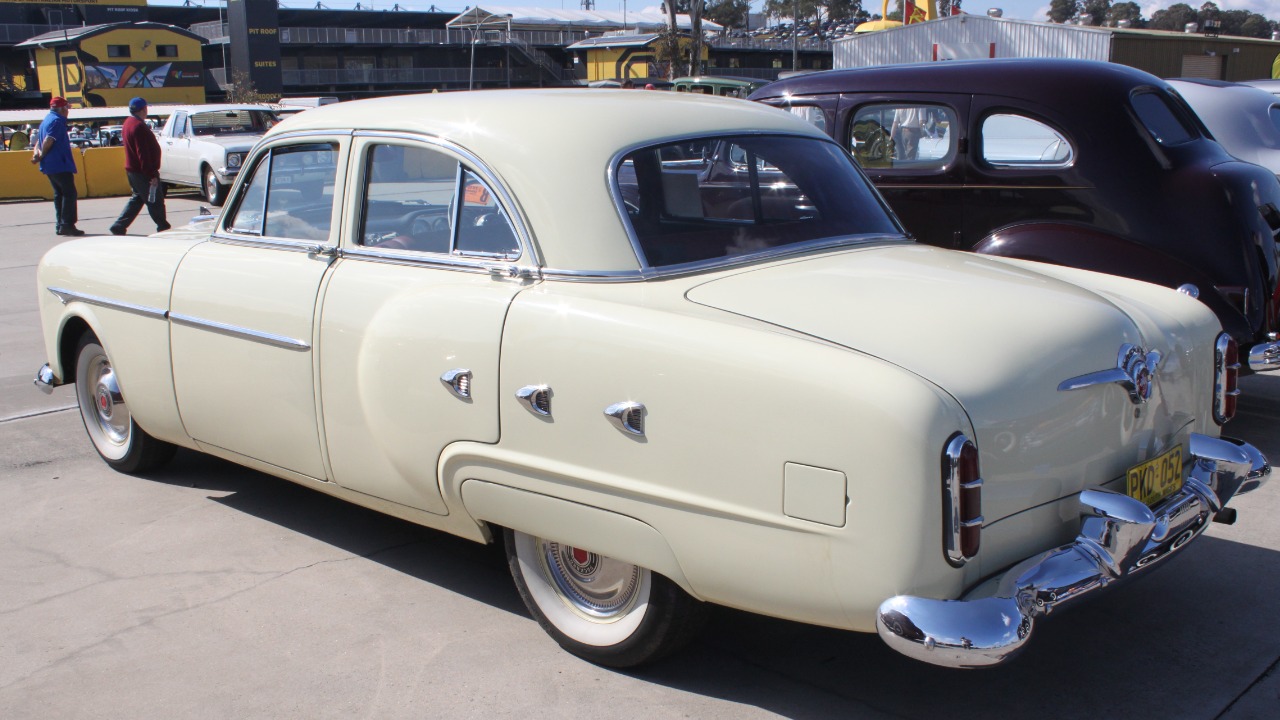
For collectors, the 1950s Packard represents a unique opportunity to own a piece of automotive history. The rarity and desirability of these models make them highly sought after in the classic car market. Collectors value the Packard not only for its historical significance but also for its potential as an investment. The enduring appeal of these cars lies in their combination of style, engineering, and heritage, making them a prized addition to any collection. Potential collectors interested in purchasing a vintage Packard should consider several factors. It’s important to be aware of the specific model’s condition and authenticity. Restoration can present challenges, but it also offers opportunities to preserve and enhance a classic vehicle. Expert insights and resources, such as forums and communities dedicated to Packard, can provide valuable guidance for those embarking on this journey.
A Second Look at the 1950s Packard
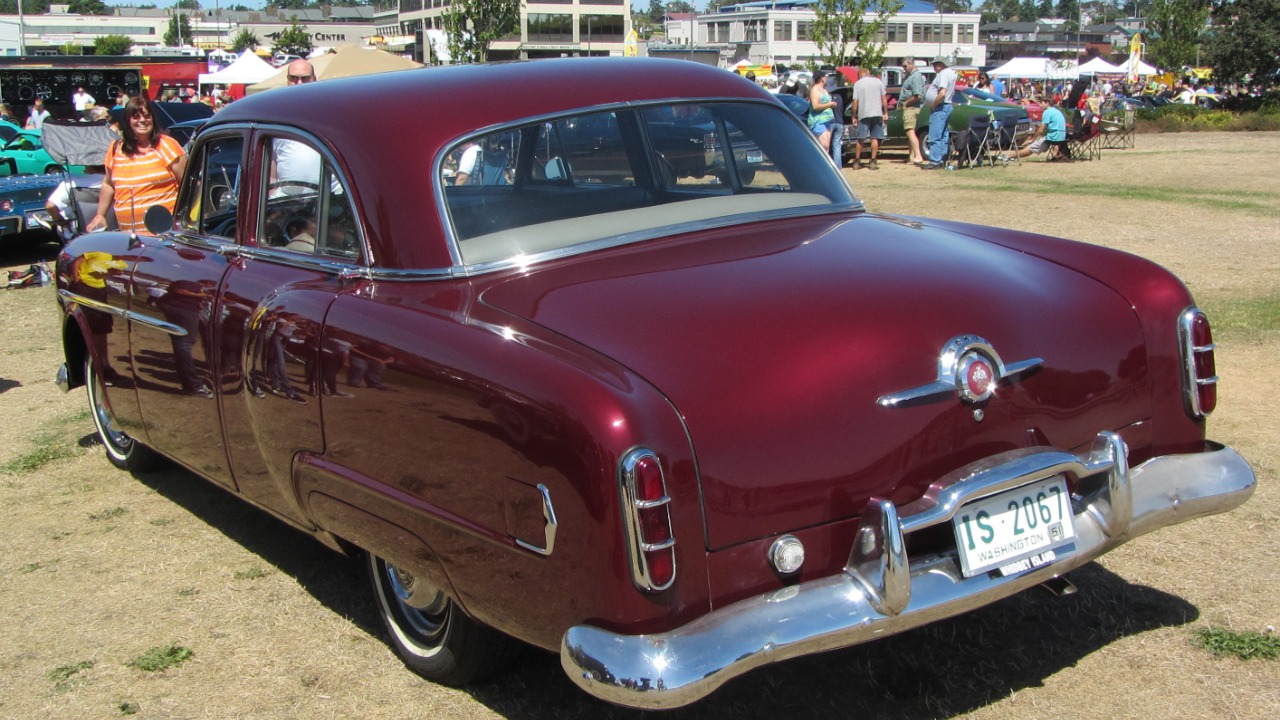
Revisiting the 1950s Packard allows us to appreciate its role in shaping automotive history. The brand’s contributions to design and engineering continue to inspire and influence modern automotive trends. By examining the innovations and aesthetics that defined the Packard, we can gain a deeper understanding of its impact on the industry and its potential to inspire future designs. Car enthusiasts and historians are encouraged to delve into the rich history of Packard, exploring its cultural and technological contributions. The importance of preserving these classic vehicles cannot be overstated. By celebrating the legacy of the Packard, we not only honor a bygone era of automotive excellence but also ensure that these remarkable cars continue to inspire and captivate future generations. For those interested in a deeper exploration, the cultural impact of the Packard offers a fascinating perspective on its influence.
Like Fast Lane Only’s content? Be sure to follow us.
Here’s more from us:
*Created with AI assistance and editor review.