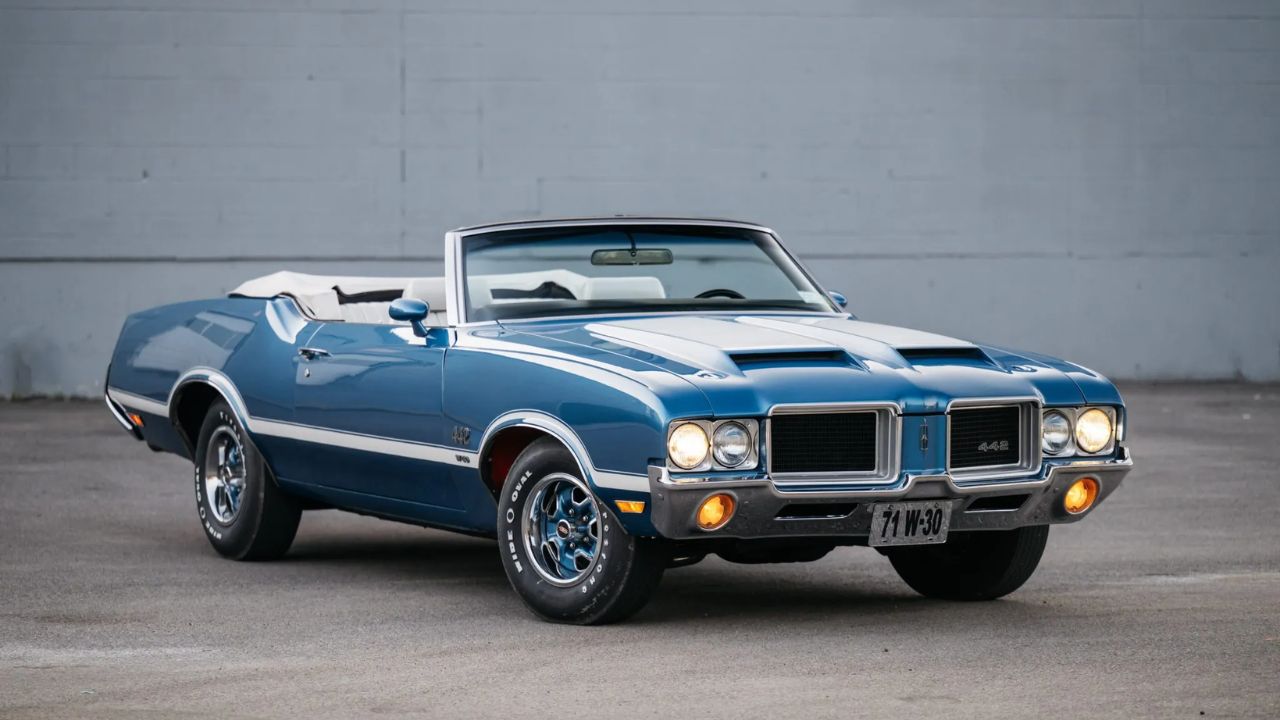
The early 1970s muscle car era is often remembered for flashy graphics, loud advertising, and raw straight-line dominance. But some of the most capable machines of the period didn’t rely on attention—they relied on engineering. The Oldsmobile 442 W-30 is one of those cars, a factory-built performance package that delivered serious power without needing to shout about it.
What happened
By 1971, the muscle car landscape was changing fast. Insurance costs were rising, emissions rules were tightening, and compression ratios across Detroit were beginning to drop. Despite this, Oldsmobile continued refining its performance identity through the 442 lineup, culminating in the W-30 package.
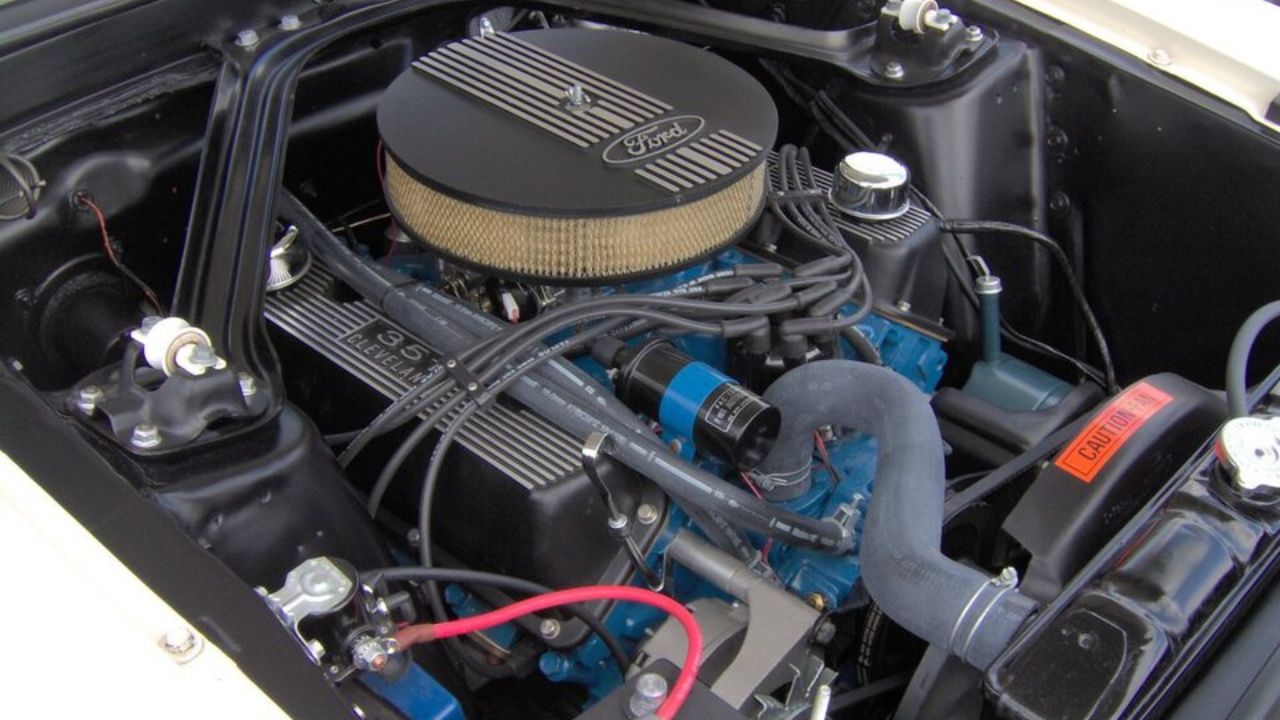
The heart of the Oldsmobile 442 W-30 was a 455 cubic-inch V8, tuned for strong low-end torque rather than peak horsepower. Official ratings from the era placed output around 300 horsepower (gross), but the real story was torque delivery. The engine produced massive pulling power at low RPM, making the car feel far quicker in real-world driving than many higher-revving competitors.
The W-30 package added functional performance upgrades rather than cosmetic changes. Cold-air induction routed through the fiberglass hood, revised camshaft tuning, and improved breathing helped the engine maintain strong performance even under demanding conditions. Unlike some muscle cars that prioritized image, the 442 W-30 was built with purpose-driven hardware.
On the road, the car delivered the kind of acceleration that defined early-1970s American performance. It wasn’t a high-revving engine—it was a torque machine. From a stop, the big-block V8 moved the coupe with authority, especially in low-traction conditions where tire technology of the era often struggled to keep up with engine output.
Styling remained relatively restrained compared to competitors. The 442 didn’t rely on extreme stripes or exaggerated aero elements. Instead, it projected a more mature performance image—one that suggested capability rather than advertising it.
Why it matters
The significance of the Oldsmobile 442 W-30 comes from its place in the final years of unrestricted American muscle performance. As regulations and insurance pressures increased, many manufacturers began dialing back compression ratios and advertised horsepower figures. The W-30 package represented one of the last strong factory expressions of big-block muscle before the industry shifted toward detuning.
It also highlighted Oldsmobile’s engineering-focused approach. While other brands often leaned heavily into branding and visual identity, Oldsmobile built performance into the drivetrain itself. The result was a car that often surprised drivers who underestimated it based on its understated appearance.
The 442 platform also benefited from a reputation for balance within the muscle car segment. Despite its size and power, it was known for being more controlled and refined than some of its more aggressive competitors. This made it appealing not just for straight-line performance, but also for drivers who wanted usable road manners alongside speed.
In the broader muscle car story, the W-30 represents a turning point. It sits at the intersection between the unfiltered horsepower wars of the 1960s and the restricted, emissions-conscious era that followed. That timing gives it historical importance beyond just its performance numbers.
What to watch next
Today, the Oldsmobile 442 W-30 is increasingly recognized as a high-value collector piece within the early-1970s muscle car category. Interest has grown as enthusiasts focus more on torque-heavy big-block cars that represent the end of an era rather than the peak of horsepower ratings.
Originality is now a major factor in value. Cars with matching-numbers drivetrains, factory-correct W-30 components, and documented histories are significantly more desirable than modified examples. As with many muscle cars of this era, survival rates are relatively low due to decades of hard use and performance modifications.
The broader 442 lineup continues to attract attention, but W-30-equipped cars stand at the top of the hierarchy due to their factory performance intent and relative rarity. They are increasingly seen not just as classic muscle cars, but as historical benchmarks of pre-emissions American engineering.
Looking ahead, demand for cars like the Oldsmobile 442 W-30 is likely to remain strong as collectors continue shifting interest toward authentic, factory-built performance machines from the final golden age of muscle. Its reputation has evolved from a quietly capable street performer into one of the defining examples of early-1970s American torque-driven engineering.
More from Fast Lane Only