Hey, what were you doing at 23? Maybe you were still figuring things out, finishing up a degree, or working a part-time job just to cover rent near campus.
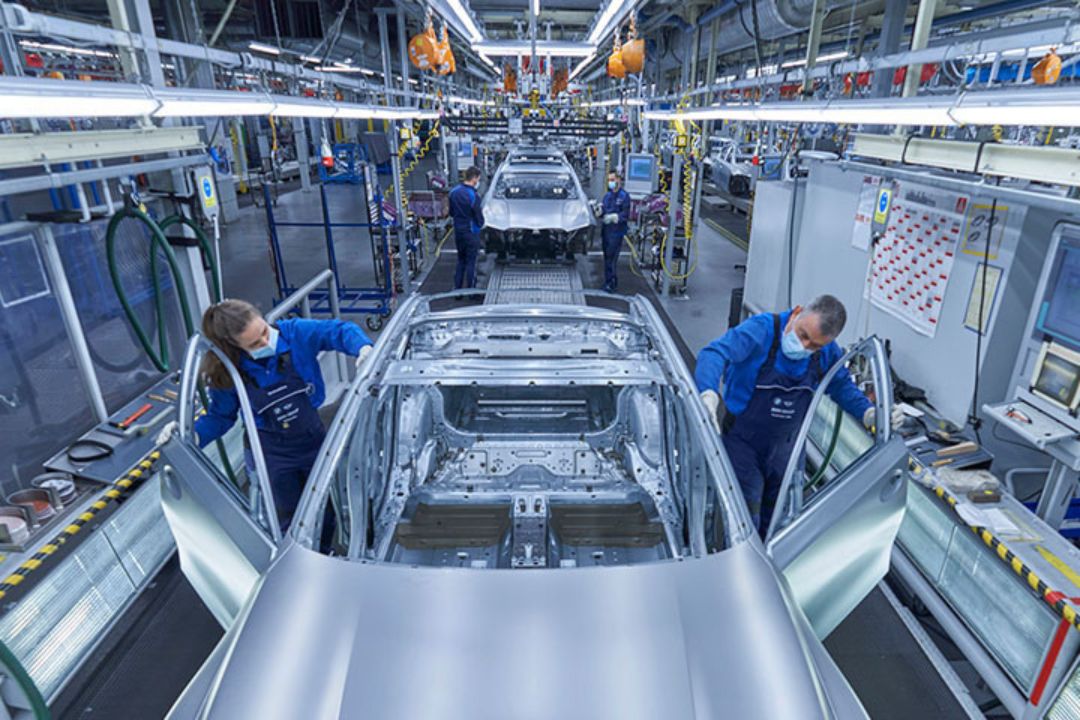
Moritz skipped that whole script. While his friends were signing up for another semester, he walked straight past university and into an apprenticeship at BMW. Now he’s a full-time mechatronics technician at the company’s Munich factory, and he’s already earning more than a lot of his university-track peers.
So did betting on a factory floor instead of a classroom actually pay off? Here’s what his day looks like, what he actually does, and what that paycheck really adds up to.
The Job: Part Detective, Part Mechanic
Moritz didn’t ease into this. He went from finishing school straight into hands-on training at BMW, and a year later he’s fully in it: a four-day workweek, 24 paid vacation days a year, and union backing most entry-level workers only dream about.
His actual job is part detective work, part hands-on repair. When a finished BMW rolls off the line with something wrong, it lands on his desk to diagnose and fix before it ever reaches a customer. That can mean squeezing into tight, awkward spots just to reach a faulty part. Once it’s swapped in, the car doesn’t just get waved through. It goes straight to the plant’s test track, where Moritz drives it over deliberately rough patches built to shake loose anything still hiding. Only then does it get cleared to leave.
He does all of this at BMW’s Munich plant, which sits right in the middle of the city instead of some sprawling industrial lot on the outskirts. The place has been building cars since 1922, not long after BMW got its start making airplane engines back in 1916. Around 6,500 people work there today, and the plant turned out roughly 170,000 vehicles in 2025 alone.
Okay, Let’s Talk Money
That 4,400 euro figure is gross pay, before taxes. His real take-home is closer to 2,750 to 2,820 euros a month, plus a union package that adds a Christmas bonus, vacation pay, and performance bonuses on top.
In dollars, that gross number lands around the $5,000 mark, though it shifts with the exchange rate day to day. Between the shorter workweek, the vacation days, and the bonuses, it’s still a strong package.
Was Skipping University Worth It?
Moritz says he has zero regrets. He’s watched friends stay in school while still leaning on part-time jobs to cover the basics, while he’s had steady income and real stability this whole time. That doesn’t mean he took the easy way out. Early mornings, physical troubleshooting, and full responsibility for getting a repair right before a car ships out are demanding in a completely different way than exam season ever was.
And he’s not closing the door on school for good. Moritz is about to start a work-study degree program that runs alongside his BMW job, stacking real classroom theory on top of everything he’s already learned with his hands.
His story isn’t proof that university is pointless for everyone. It’s one guy’s bet that paid off, and it worked because he paired an apprenticeship with a strong union job at a major automaker. What stands out is the order he did things in: work first, build stability, then go back for the degree on his own terms. For Moritz, that order seems to have worked out well.
More from Fast Lane Only: