In a world where pickups keep getting bigger screens, more sensors, and more complicated problems, one old truck has been quietly making newer models look a little… dramatic. It’s the kind of story that pops up in parking lots and hardware-store lines: “You won’t believe what’s still running.” And then, sure enough, there it is—paint faded, interior worn in like a favorite jacket, engine starting without negotiation.
What makes it newsworthy isn’t that an older vehicle survived. It’s that it kept doing the job while newer trucks—some with far fewer miles—were sidelined by issues that sound suspiciously like “computer says no.” This is less a nostalgic fairy tale and more a practical reminder: sometimes the simplest tools stick around the longest.
A truck that doesn’t ask for much
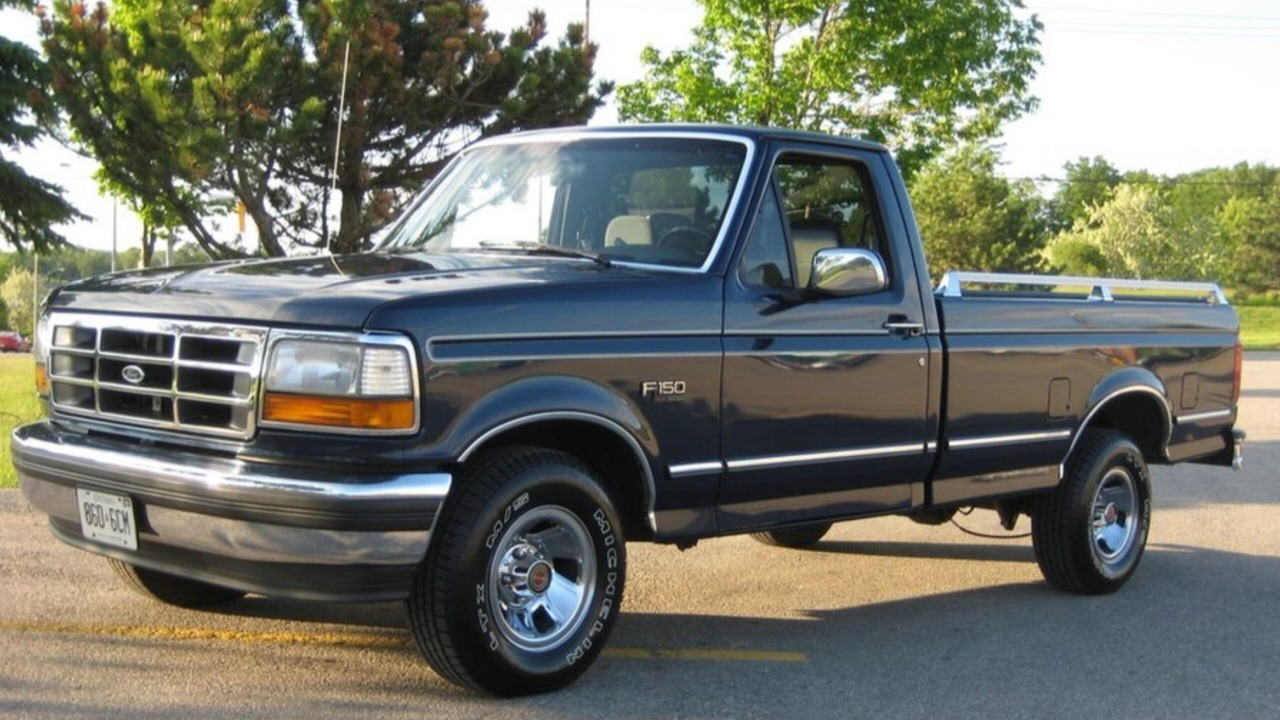
The classic pickup at the center of this story isn’t presented as a museum piece. It’s a working truck that’s hauled lumber, moved trailers, and done the unglamorous stuff that actually defines “truck life.” It starts early, runs hot, idles in traffic, and still shows up the next day like it didn’t read the memo about aging gracefully.
It doesn’t have a giant touchscreen trying to be a phone. It doesn’t need a subscription to keep features turned on. And when something feels off, the fix usually involves basic parts, basic tools, and a little patience—not a software update and a prayer.
When “new” became the risky option
Over the past few years, owners of newer pickups have gotten used to a strange pattern: the truck is strong, comfortable, and capable… until it suddenly isn’t. One day the dash lights up like a Christmas display. Another day it drops into limp mode with no warning, even though the engine sounds fine.
It’s not that modern trucks are bad. They’re often impressive. But as vehicles gained more electronics and interconnected systems, a small issue could ripple into a big one—especially when parts are backordered or diagnostics require special equipment.
The old-school formula: fewer points of failure
Part of the classic truck’s staying power comes down to a boring, beautiful idea: less stuff to break. A simpler fuel system, fewer modules, fewer sensors, and fewer features that can disable the whole vehicle when they get confused. The truck doesn’t need a network of computers to agree on reality before it’ll drive to the job site.
That simplicity also means problems tend to be physical and visible. A worn belt squeals. A weak battery struggles. A leaky hose leaves evidence on the driveway instead of an error code buried in a menu.
Repairs you can actually finish
One reason this truck outlasted newer models is that it’s fixable in a way that feels almost quaint now. If it needs an alternator, you can usually get one the same day. If it needs a starter, you’re not waiting for a specialized unit tied to a specific software configuration.
That repairability matters more than people think. A truck doesn’t retire because it’s old; it retires because it becomes inconvenient. When it’s easier to keep it running than to replace it, the old truck keeps winning—quietly, stubbornly, and with a little grease under its fingernails.
Maintenance habits that pay interest
Longevity isn’t luck, and this truck didn’t survive on vibes alone. The basics were handled: oil changes on time, fluids checked, small leaks fixed before they became big ones. It’s the unsexy routine that keeps engines happy and transmissions from turning into expensive mysteries.
There’s also a certain mindset at play. When a vehicle is older, people tend to listen to it more—odd noises get investigated instead of ignored. That attention adds up, like compound interest but with gaskets and spark plugs.
Meanwhile, newer trucks ran into modern headaches
The newer models that tapped out didn’t necessarily have catastrophic engine failures. Often it was a chain of smaller, modern problems: sensor faults that triggered shutdowns, electronic steering or braking warnings that demanded immediate service, or emissions-related issues that caused derates. In some cases, the mechanical parts were fine, but the truck wouldn’t cooperate until a module was replaced or reprogrammed.
And when parts availability is tight, a “small” fix can sideline a truck for weeks. That’s the real sting for people who depend on a pickup for work. A vehicle can be technologically advanced and still be practically useless if it’s stuck waiting for a component the size of a deck of cards.
The comfort trade-off no one talks about
To be fair, the old truck isn’t winning every category. Newer pickups are quieter, safer, and more comfortable. They’ve got better crash structures, smarter traction systems, and cabins that feel like a living room with cupholders.
But comfort can hide complexity. The more features layered into a vehicle, the more systems have to communicate flawlessly. When they do, it’s great. When they don’t, you start missing the days when “turn it off and back on” wasn’t a legitimate repair strategy.
Why this story keeps showing up right now
There’s a reason stories like this are circulating more often: people are keeping vehicles longer. Prices are up, interest rates sting, and a lot of folks would rather maintain what they’ve got than roll the dice on something new. In that climate, an older truck that just keeps running becomes more than a curiosity—it becomes a plan.
It also taps into a broader fatigue with fragile convenience. People like technology, but they also like reliability. If a classic pickup can deliver that reliability with fewer surprises, it starts to look less like a relic and more like a smart choice.
What drivers are taking away from it
No one’s saying everyone should abandon modern trucks and hunt for a decades-old workhorse. But this story is nudging buyers to ask better questions: How repairable is it? How dependent is it on proprietary software? What happens if a key part is unavailable for a month?
The classic truck’s real lesson isn’t “old is always better.” It’s that durability isn’t just horsepower or towing capacity—it’s the ability to keep moving when things go wrong. And sometimes, the truck that wins is the one that doesn’t need to be clever about it.
Out on the road, the old pickup keeps doing what it’s always done. It rumbles, it rattles a little, and it doesn’t pretend to be anything other than a tool. Newer trucks will keep evolving, and plenty of them will last a long time too—but this one has already earned its headline by simply refusing to quit.
More from Fast Lane Only