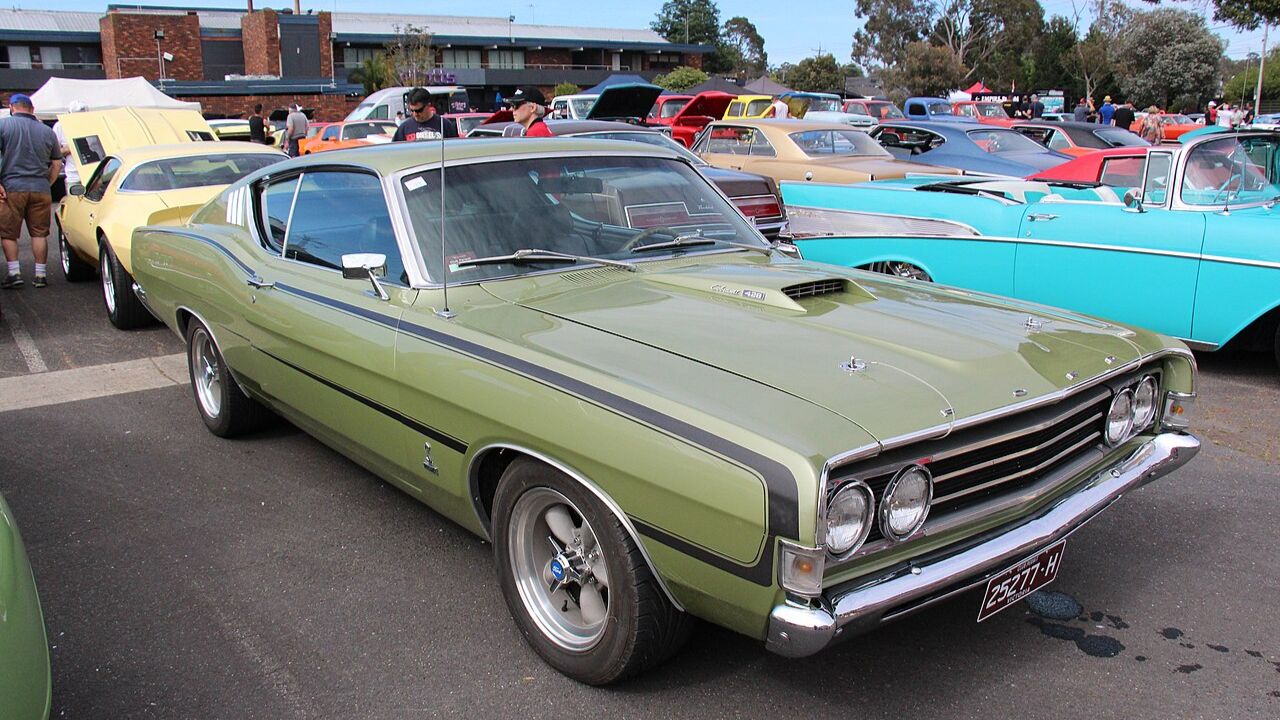
In the golden age of American muscle cars, iconic names like Mustang and Camaro often overshadowed their lesser-known counterparts. However, one forgotten Ford muscle car not only held its own but consistently outperformed some of the bigger names in its era, offering a unique blend of power, performance, and affordability.
The Rise of Muscle Cars in America
The muscle car phenomenon emerged in the United States during the 1960s and 1970s, a time when automotive manufacturers sought to capture the hearts of young, performance-minded drivers. This era was marked by a fierce competition among automakers to produce vehicles that were not only fast but also stylish and affordable. Muscle cars were characterized by their mid-sized bodies, powerful V8 engines, and a focus on straight-line performance. Brands like Ford, Chevrolet, and Dodge led the charge, creating vehicles that became symbols of freedom and rebellion.
As these cars gained popularity, they became intertwined with American culture, featured in movies, music, and advertisements. The muscle car craze was fueled by a growing youth culture that valued speed, style, and a sense of adventure. Events like drag racing and car shows became commonplace, solidifying the muscle car’s place in the hearts of many. It was a time when horsepower reigned supreme, and the roar of a V8 engine was music to the ears of enthusiasts across the nation.
Introducing the Forgotten Ford Muscle Car
The Ford model that deserves recognition is the Ford Torino, produced between 1968 and 1976. Initially introduced as a mid-size car, the Torino quickly evolved into a formidable muscle car option for enthusiasts. When it was launched, the Torino received a warm welcome, thanks to its sleek styling and robust performance capabilities. Ford’s marketing strategy cleverly positioned the Torino as a more affordable alternative to the Mustang, allowing those who desired a powerful ride to experience the thrill of muscle cars without breaking the bank.
What set the Torino apart from its competitors was its range of engine options, which included the high-performance 429 Cobra Jet V8. This engine was capable of delivering an impressive output of 370 horsepower, making the Torino a serious contender on the streets and the racetrack. Additionally, the car’s design embraced aerodynamic lines, offering not just a powerful engine but also a stylish appearance that appealed to a broad audience. With its blend of performance and practicality, the Torino carved out a niche for itself in the competitive muscle car market.
Power and Performance: The Numbers Don’t Lie
The Ford Torino’s performance specifications are a testament to its capabilities. The range of engines offered included everything from a 302 cubic inch V8 to the aforementioned 429 Cobra Jet. The latter not only provided robust horsepower but also contributed to the car’s overall performance metrics. In terms of acceleration, the Torino could go from 0 to 60 mph in under 6 seconds, a remarkable feat for its time. This performance was not just theoretical; the Torino found success on the racetrack, notably in NASCAR, where it earned a reputation as a reliable and fast competitor.
Handling and braking were also key strengths of the Torino. Its suspension system was designed to provide a smooth ride while maintaining agility, allowing drivers to navigate both city streets and winding roads with confidence. The braking system was equally impressive, with front disc brakes becoming standard on many models, providing superior stopping power. In races and performance benchmarks, the Torino consistently outperformed many of its more famous contemporaries, proving that it was not just another muscle car, but a serious performance vehicle.
Design and Features That Captivated Enthusiasts
The Ford Torino’s design was one of its most appealing aspects. With its long hood and short rear deck, the Torino embodied the classic muscle car aesthetic while integrating modern design elements. Unique features, such as the ‘Coke bottle’ shape and distinctive grille, helped it to stand out in a crowded market. The car’s aggressive stance and bold color options made it a favorite among enthusiasts who appreciated not just speed but also style.
Inside, the Torino was designed with driver comfort in mind. It boasted a spacious cabin with modern features for its time, including optional vinyl upholstery and a high-quality sound system. Technological innovations included advanced instrumentation, providing drivers with essential data at a glance. Customization options allowed buyers to choose from various trim levels and packages, ensuring that each Torino could be tailored to individual preferences. This focus on design and features played a significant role in attracting a diverse group of buyers and solidifying the Torino’s place in automotive history.
Comparison with Other Popular Muscle Cars
When comparing the Ford Torino with other muscle cars like the Ford Mustang and Chevrolet Camaro, it becomes evident that the Torino offered a unique proposition. While the Mustang was often seen as the quintessential pony car, the Torino provided a more spacious and practical alternative. Performance-wise, the Torino’s 429 Cobra Jet outperformed the Mustang’s 351 Cleveland in several metrics, particularly in acceleration and top speed. On the other hand, the Camaro, launched in 1967, was Ford’s direct competitor in the pony car segment, yet the Torino’s mid-size design offered a different driving experience that appealed to a different audience.
In terms of market positioning, the Torino was priced competitively, making it accessible to a broader demographic. While the Mustang and Camaro were marketed towards younger buyers seeking sporty performance, the Torino attracted families and individuals looking for a powerful car without sacrificing space or comfort. This strategic positioning allowed the Torino to capture a unique segment of the muscle car market, although it ultimately wasn’t enough to maintain its prominence as consumer preferences shifted.
Factors Leading to Its Obscurity
Despite its impressive capabilities, the Ford Torino fell into obscurity for several reasons. One of the primary factors was the changing landscape of the automotive market during the late 1970s. As fuel prices surged and insurance costs for muscle cars skyrocketed, consumer interest began to shift towards smaller, more fuel-efficient vehicles. Ford, like many manufacturers, had to adapt to these changing preferences, leading to a decline in the production of traditional muscle cars.
Additionally, the marketing strategy that initially propelled the Torino into the limelight shifted over the years. As the Mustang continued to evolve and innovate, Ford poured resources into promoting its flagship model, leaving the Torino to fade into the background. The combination of market changes and a lack of promotional support contributed to its dwindling recognition among car enthusiasts. As new models emerged and consumer tastes evolved, the Torino’s legacy was overshadowed by its more famous counterparts.
Restoration and Collectibility Today
Today, the Ford Torino is experiencing a resurgence among collectors and automotive enthusiasts. There is a growing demand for well-restored examples, and prices have begun to rise as more people recognize its significance in American automotive history. Classic car shows often feature the Torino, where enthusiasts gather to celebrate its performance and unique design. The community surrounding this model is passionate, with clubs dedicated to preservation and restoration efforts, ensuring that the Torino’s legacy continues.
Finding parts for restoration can be a challenge, but the increasing interest in the Torino has led to a rise in aftermarket suppliers and dedicated restoration services. Enthusiasts often share tips and resources online, making it easier for new owners to maintain and restore their vehicles. The combination of a supportive community and a growing market for classic muscle cars suggests that the Ford Torino will not only be remembered but celebrated in the years to come.
Influence on Modern Muscle Cars
The influence of the Ford Torino can be seen in contemporary muscle car designs. Elements such as aggressive styling, powerful engine options, and a focus on performance have persisted in modern iterations of muscle cars, including the latest versions of the Mustang and Camaro. Manufacturers have drawn inspiration from the Torino’s blend of performance and style, recognizing the importance of balancing power with aesthetics.
As interest in classic muscle cars continues to rise, the Torino serves as a reminder of the innovation and excitement that characterized this era. Events celebrating vintage muscle cars often feature the Torino, showcasing its importance as a precursor to modern designs. The resurgence of interest in classic muscle cars speaks to a wider cultural appreciation for the past, ensuring that models like the Torino will not be forgotten but rather cherished for their contributions to automotive history.
Final Thoughts on Its Legacy
Reflecting on the importance of remembering lesser-known muscle cars, it’s clear that vehicles like the Ford Torino played a significant role in shaping the automotive landscape of their time. While it may not have the same level of recognition as the Mustang or Camaro, the Torino’s performance, design, and affordability make it a noteworthy part of American muscle car history. The lasting impact this model has had on car enthusiasts is evident in the growing interest and appreciation for its legacy.
Encouragement to explore and appreciate this hidden piece of automotive history should resonate with anyone interested in classic cars. The Ford Torino may have been overshadowed by its more famous counterparts, but it remains a testament to the creativity and innovation that defined the muscle car era. By revisiting these forgotten models, we not only honor their contributions but also enrich our understanding of automotive history.
More from Fast Lane Only