The automotive industry is witnessing a significant shift as traditional engine designs fade from the market. One engine type that has been on the decline is the internal combustion engine (ICE), particularly those with configurations like the V6 and V8. This article examines the decline of these once-common engine types, exploring their history, contemporary relevance, and the factors contributing to their obsolescence.
Historical Overview of Engine Designs
The evolution of engine types has been a fascinating journey, stretching back to the earliest days of the automobile. Initially, vehicles were powered by simple steam engines, but the invention of the internal combustion engine in the late 19th century revolutionized transportation. By the mid-20th century, configurations such as the V6 and V8 became synonymous with power and performance, capturing the imagination of car enthusiasts and everyday drivers alike.
Key milestones in automotive engineering paved the way for the popularity of these engine configurations. The introduction of the Ford Model T in 1908 marked a shift towards mass production and accessibility, while post-war innovations in the 1950s and 1960s celebrated the muscle car era, characterized by powerful V8 engines. Over the decades, these engines became a hallmark of American automotive culture, often associated with speed and freedom.
However, as the industry has progressed, newer alternatives have emerged. Turbocharged four-cylinder engines and hybrid systems have gained traction, offering comparable performance with improved fuel efficiency. These advancements have prompted a reevaluation of traditional engine designs, leading to a decline in their production and use in modern vehicles.
The Anatomy of the Disappearing Engine
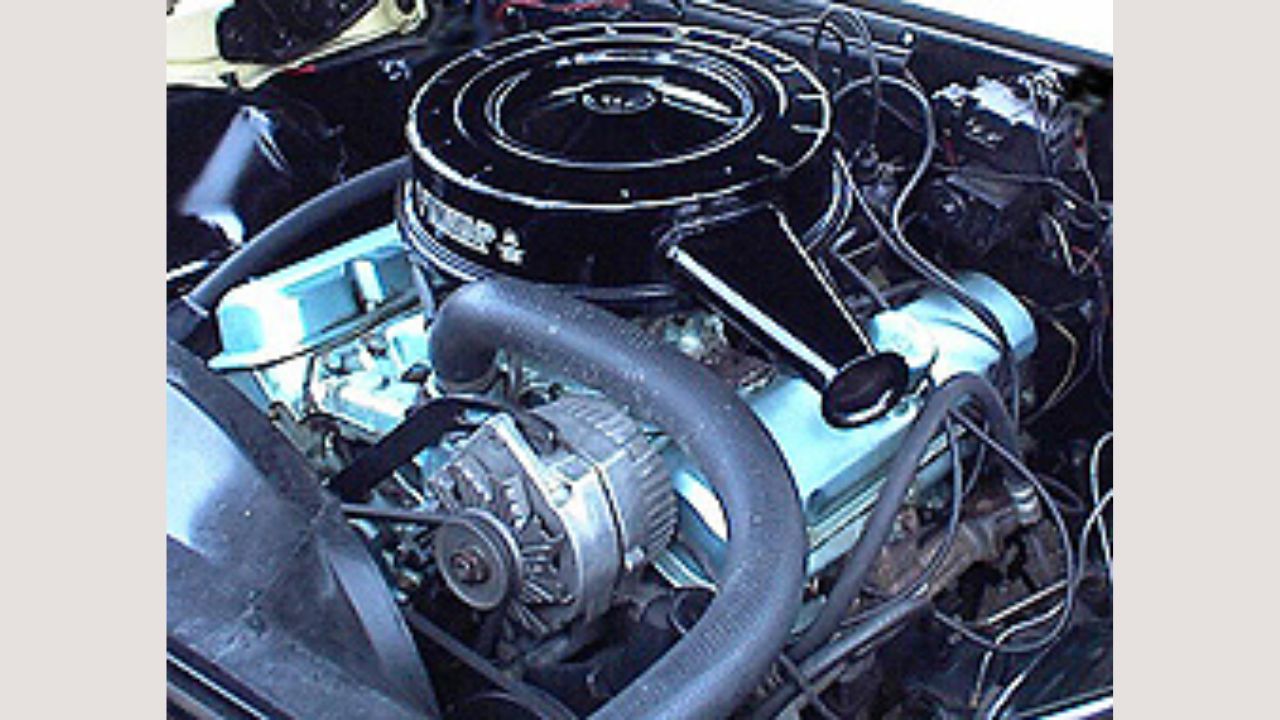
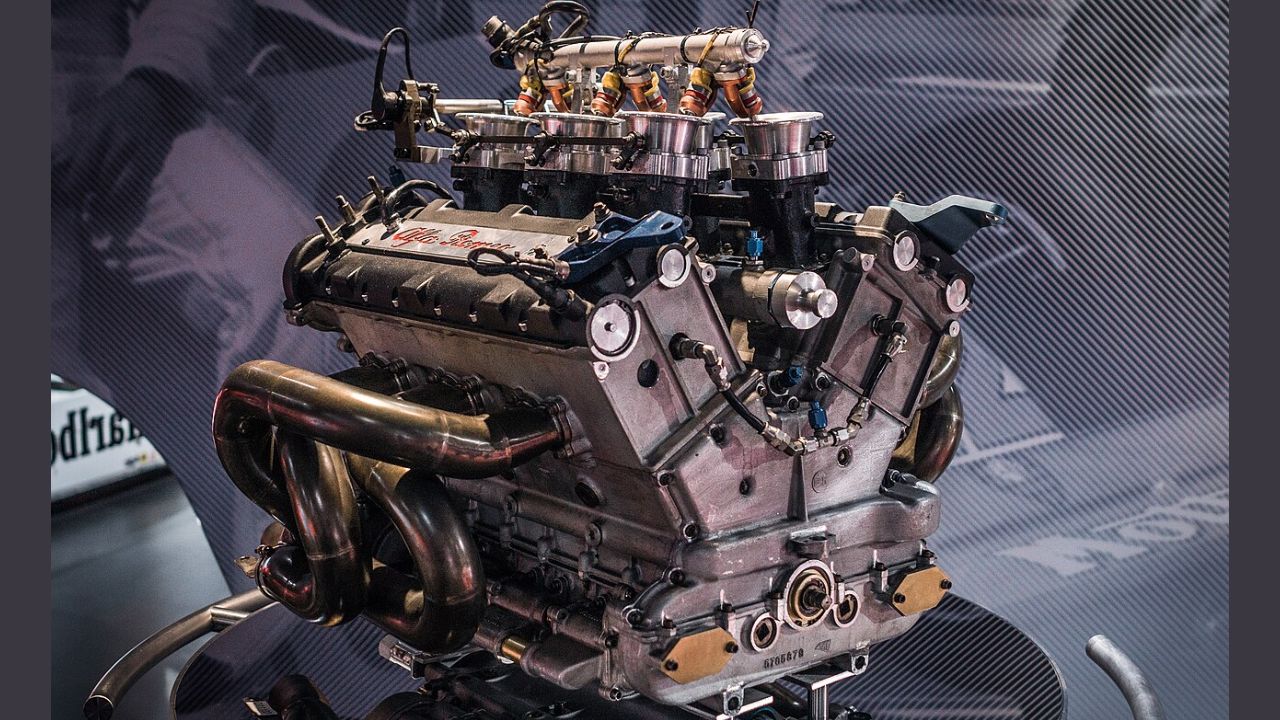
The engine design in question, particularly the V8, has long been celebrated for its performance characteristics. A typical V8 engine features eight cylinders arranged in a V shape, allowing for a balance of power and smooth operation. With displacements often exceeding 5.0 liters, these engines have provided impressive horsepower figures, making them a favored choice for trucks and sports cars.
Unique features of the V8 engine include its ability to produce high torque at low RPMs, which translates to robust acceleration and towing capabilities. Popular vehicles like the Ford F-150 and Chevrolet Silverado have relied on these engines for their performance and capability. However, as manufacturers strive for greater fuel efficiency and lower emissions, many are shifting away from traditional V8 designs in favor of smaller, more efficient engines.
Reasons for Decline
The decline of traditional engine designs can be attributed to several key factors. First and foremost, advancements in technology have led to the development of more efficient engine designs. Turbocharging, for instance, allows smaller engines to produce power comparable to larger ones while consuming less fuel. This shift has made it increasingly difficult for larger engines, such as the V8, to compete in terms of efficiency.
Environmental regulations also play a significant role in this decline. Stricter emissions standards have pushed manufacturers toward cleaner alternatives, such as electric and hybrid vehicles. The automotive industry is under pressure to reduce its carbon footprint, leading to a decrease in the production of high-emission vehicles that rely on traditional internal combustion engines. This shift aligns with growing consumer demand for environmentally friendly options.
Market demand is another critical factor. Consumers are increasingly favoring hybrid and electric vehicles, which offer lower operating costs and reduced environmental impact. As automakers respond to this shift, the once-dominant V8 and similar engines are being phased out in favor of more sustainable options.
Impact on Automotive Performance
The performance metrics associated with the disappearing V8 engine highlight its strengths and weaknesses. Known for their power and acceleration, V8 engines have traditionally excelled in towing and hauling capacities, making them popular choices for trucks and SUVs. However, as newer engine designs emerge, the performance landscape is evolving.
For instance, turbocharged four-cylinder engines provide a compelling alternative, delivering similar horsepower figures while significantly improving fuel efficiency. In many cases, these modern engines outperform V8s in terms of miles per gallon, contributing to a growing consumer preference for smaller, more efficient vehicles. A comparative analysis of the Ford F-150’s V8 engine versus its turbocharged EcoBoost variant illustrates this trend, showcasing how manufacturers are recalibrating performance expectations.
Consumer perceptions of performance are also changing. Drivers are now more informed about the advantages of newer engine technologies. The smoothness and responsiveness of hybrid systems, combined with their eco-friendly credentials, have led many to reconsider their long-standing loyalty to traditional V8 engines.
Environmental Considerations
The pressure on manufacturers to adapt to emission standards has never been more pronounced. Governments worldwide are implementing stricter regulations to combat air pollution and climate change, which is leading manufacturers to rethink their engine designs. The V8’s higher emissions profile makes it less viable in today’s regulatory environment.
Sustainability has become a cornerstone of the automotive industry, with many manufacturers committing to carbon neutrality goals. This commitment is driving innovation in alternative fuel sources, such as electric and hydrogen-powered vehicles. As carmakers pivot toward sustainable practices, the environmental impacts of continuing to use older engine technologies, like the V8, are becoming increasingly evident.
As the industry moves forward, the need to balance performance with environmental responsibility will shape the future of engine design. The shift away from traditional internal combustion engines is not merely a trend but a necessary evolution driven by global sustainability goals.
Case Studies of Vehicles Phasing Out This Engine
Notable car models that once utilized the V8 engine are undergoing significant redesigns to adapt to changing consumer preferences. The Chevrolet Camaro, a classic muscle car, has seen a marked shift in its engine lineup, with newer models offering turbocharged four-cylinder options alongside the traditional V8. This strategy allows Chevrolet to cater to a diverse audience while responding to market demands for efficiency.
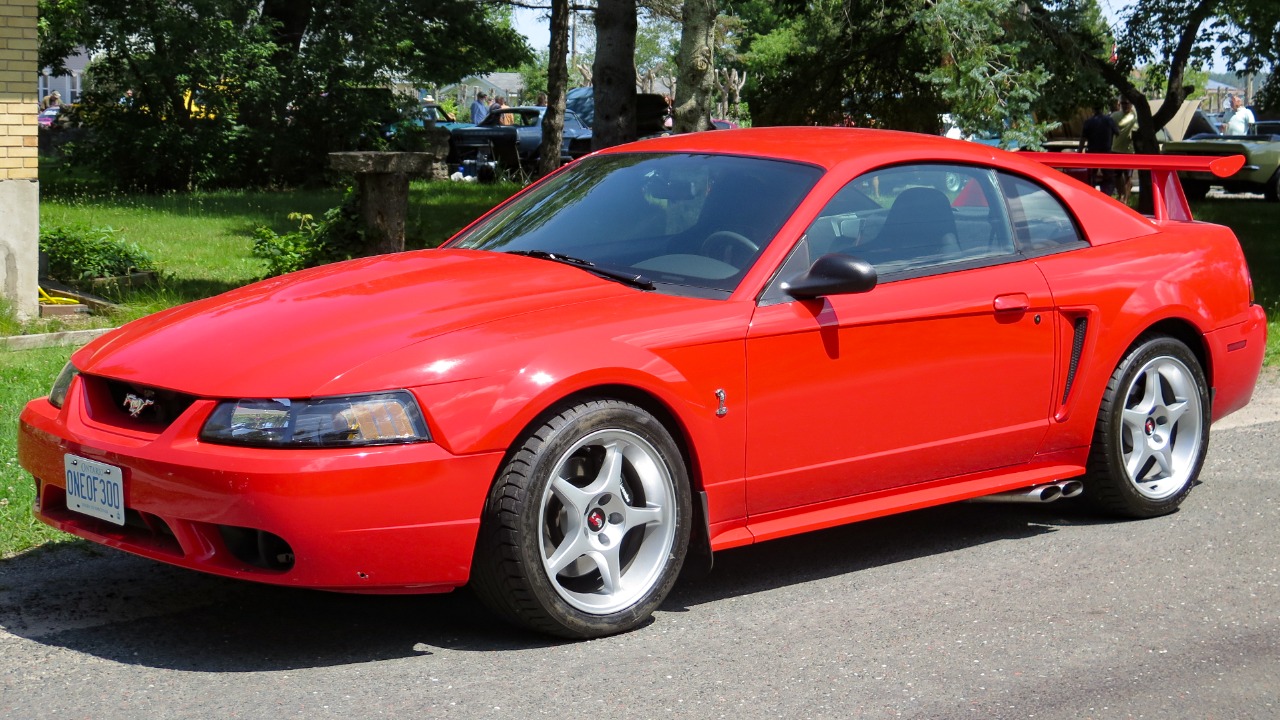
Similarly, the Ford Mustang has embraced this shift, introducing EcoBoost variants that appeal to consumers seeking performance without compromising on fuel economy. Manufacturer strategies for transitioning to new engine types are becoming increasingly evident as car companies recognize the need to innovate to remain competitive.
Consumer responses to these changes have been mixed. While some enthusiasts lament the decline of the V8, others appreciate the benefits of newer technologies. As the automotive landscape continues to evolve, the market will likely see a greater acceptance of hybrid and electric vehicles, further accelerating the decline of traditional engine designs.
The Future of Engine Design
Trends shaping the future of automotive engineering indicate a continued move toward hybrid systems and alternative fuels. With advancements in battery technology and electric drivetrains, the potential for fully electric vehicles is becoming more viable than ever. Manufacturers are investing heavily in research and development to create sustainable alternatives that meet consumer demands for performance and efficiency.
The future of engine design may also include innovations in hydrogen fuel cells, which present a promising avenue for reducing emissions while maintaining performance. As the industry embraces these technologies, predictions about what engine designs will dominate in the coming years center on the transition away from traditional internal combustion engines toward more sustainable options.
As a result, the automotive landscape is poised for significant transformation, with a focus on cleaner, more efficient technologies. This shift underscores the importance of adaptation in a rapidly changing market.
The Collector’s Market and Nostalgia
The appeal of classic vehicles featuring the now-disappearing V8 engine design remains strong among car enthusiasts. The sound, power, and aesthetic of classic muscle cars evoke a sense of nostalgia that is hard to replicate with modern designs. In the collector’s market, vehicles like the 1969 Chevrolet Camaro or the 1970 Ford Mustang continue to fetch impressive prices, highlighting the enduring allure of these traditional engines.
Insights into the collector’s market reveal a robust interest in restoring classic vehicles, with many enthusiasts dedicating time and resources to bring these machines back to life. Restoration trends often focus on maintaining the authenticity of the original engine design, which can command a premium in the market. Nostalgia plays a significant role in shaping perceptions of automotive history, creating a longing for the days when V8 engines ruled the roads.
As the industry progresses, the balance between honoring the past and embracing the future will be crucial for collectors and enthusiasts alike. The disappearing engine designs serve as a reminder of the rich history of automotive engineering and the ongoing evolution of vehicle technology.
More from Fast Lane Only