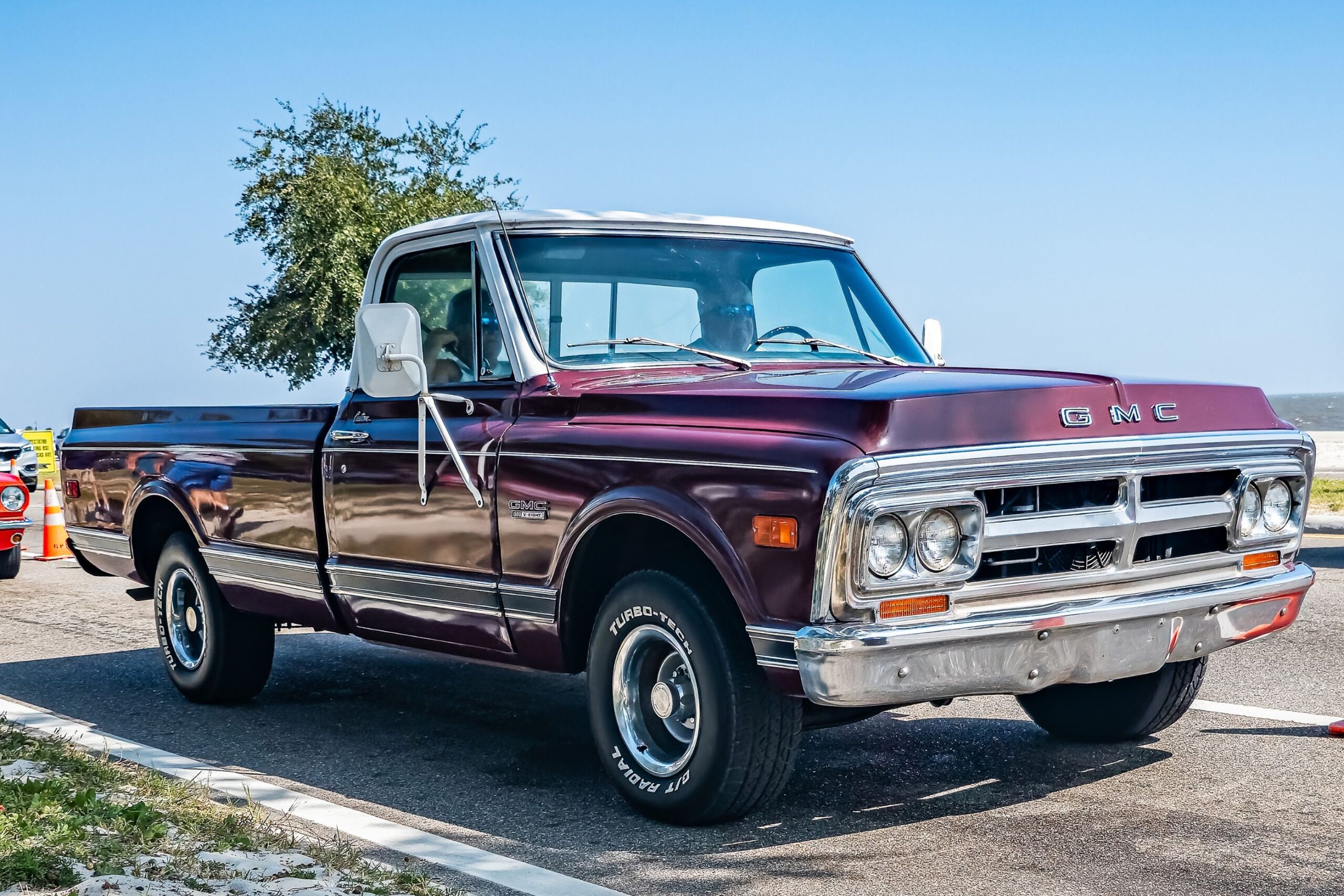
A classic car enthusiast recently found himself in a surprising predicament after entrusting a local shop with his prized 1969 GMC K1500. When he unexpectedly spotted his cherished vehicle driving across town, it sparked a series of questions and concerns about trust, responsibility, and the handling of vintage cars by repair shops.
The Trust Placed in Automotive Shops
When it comes to vintage vehicles, selecting a reputable repair shop is crucial. These classic cars require a specialized touch, not just any mechanic can handle them. Owners of vintage cars, like the 1969 GMC K1500, often spend years searching for the right parts and investing in painstaking restorations. Therefore, handing the keys over to someone else demands a significant level of trust. Car owners expect their vehicles to be treated with the utmost care and respect, whether the shop is fixing the engine or simply changing the oil.
The dynamic between car owners and automotive specialists is built on this trust. Car owners believe that when they leave their vehicles, they will be stored safely and worked on with diligence. Common practices include outlining the scope of work, getting estimates, and setting clear timelines. The expectation is that the vehicle remains untouched except for the agreed-upon repairs. However, the unexpected can happen, as demonstrated in our tale of the GMC K1500, leading to doubts about the trustworthiness of even the most reputable shops.
The 1969 GMC K1500: A Vintage Treasure
The 1969 GMC K1500 is more than just a truck; it’s a piece of automotive history. Known for its robust design and powerful performance, this classic model has a dedicated following. For enthusiasts, owning such a vehicle is not just about the drive but also about preserving a piece of the past. The K1500 represents an era when trucks were built to last, with a rugged aesthetic that modern vehicles often lack. For many, it’s a labor of love to maintain these vehicles, often involving a significant emotional and financial investment.
Maintaining and restoring a classic like the K1500 is no easy feat. Challenges include sourcing original parts and finding mechanics skilled in vintage vehicle repair. Unlike modern cars, which can be hooked up to computers for diagnostics, these classics require a hands-on approach and a deep understanding of their unique mechanics. Owners must be vigilant about whom they trust with their cars, knowing that even a simple mistake can lead to costly repairs. The investment goes beyond money; it’s about preserving history and ensuring that these beautiful machines can still be appreciated by future generations.
The Unexpected Sighting
The shock of seeing his truck cruising down a busy street was a moment of disbelief for the owner. It was one of those “is this really happening?” scenarios. He had left the vehicle at the shop for routine maintenance, never imagining it would be out on the town without his consent. His initial reaction was a mix of anger and confusion, prompting him to immediately try to verify the situation. Was there a reasonable explanation, or was his trust truly misplaced?
The sighting raised legal and ethical questions. If a shop uses a customer’s car without permission, it can be seen as a breach of contract, not to mention a violation of trust. The owner was left to wonder about the implications of this unauthorized use. Was the car being tested after a repair, or was someone simply taking it for a joyride? The lack of clear communication and consent made this incident all the more troubling, highlighting the need for transparency and accountability in such situations.
Investigating the Incident
Determined to get to the bottom of this unexpected situation, the owner approached the shop with a mix of frustration and curiosity. His first course of action was to speak directly with the shop manager to voice his concerns and seek an explanation. The shop’s response was crucial in determining the next steps. Were they aware of the car’s unauthorized use, or was this an isolated incident involving a rogue employee? The owner needed answers, and he needed them fast.
The shop’s explanation was that the car had been taken out for a “routine test drive” to ensure that the repairs were successful. However, this did little to ease the owner’s mind, especially since he had not been informed beforehand. Surveillance footage and eyewitness accounts played a significant role in unraveling the truth. Video evidence showed the car being driven at times inconsistent with a simple test drive, raising further questions about the shop’s practices. The incident underscored the importance of clarity and honesty in customer relations.
The Aftermath and Lessons Learned
The fallout from this incident could have several outcomes. The owner might choose to take legal action, seeking compensation or remediation from the shop. On the other hand, the shop might offer an apology and take steps to rectify the situation, such as providing a discount or free future services. Regardless of the resolution, the incident serves as a wake-up call for both parties involved, highlighting the need for mutual respect and clear communication.
For the broader automotive repair industry, this situation serves as a cautionary tale. It emphasizes the importance of transparency in all dealings and reminds shops that trust, once broken, can be incredibly hard to rebuild. Car owners, for their part, can learn from this experience by taking extra precautions when leaving their vehicles for service. This might include setting clear agreements about test drives and ensuring that all terms are documented. Trust is a two-way street, and both owners and shops must work together to maintain it.
Maintaining Trust in Automotive Services
For car owners, verifying a shop’s credibility and trustworthiness is essential. One way to do this is by seeking recommendations from fellow vintage car enthusiasts or checking online reviews and ratings from reliable sources like the Better Business Bureau. Visiting the shop in person and discussing their experience with vintage vehicles can also provide valuable insights. A transparent shop will have no issues discussing their credentials and showing their portfolio of past work.
Communication is key in maintaining a positive relationship between car owners and repair shops. Owners should feel comfortable discussing their expectations and asking questions about the service process. Setting clear terms and agreements upfront, including the scope of work and test drive policies, can prevent misunderstandings. Additionally, building a community with other vintage car enthusiasts can offer support, share advice, and provide additional resources for finding trustworthy shops. By fostering these connections, car owners can better protect their prized possessions and ensure they receive the care they deserve.
More from Fast Lane Only