The world of classic muscle cars is filled with iconic names and models, yet some gems remain hidden in plain sight. One such vehicle is the Chevrolet Monte Carlo, a big-block muscle car often overlooked by collectors despite its impressive performance and rich history.
The Legacy of the Chevrolet Monte Carlo
The Chevrolet Monte Carlo made its debut in 1970 as a personal luxury coupe, a unique blend of performance and comfort that quickly caught the attention of car enthusiasts. It was designed to compete with other personal luxury cars while retaining the muscle car essence that defined the era. With its smooth lines and aggressive stance, the Monte Carlo promised a different experience for owners who craved both speed and style. Over the years, the Monte Carlo evolved through several generations, each bringing its own set of features and design philosophies, yet the big-block variants from the early years remain particularly noteworthy.
During its production run, the Monte Carlo played a significant role in the muscle car era, especially in the 1970s when big-block engines became a statement of power. The car’s association with NASCAR racing, particularly under the hood of Dale Earnhardt’s championship-winning machine, further cemented its status in automotive history. Collectors and enthusiasts often regard the Monte Carlo as a classic, yet many overlook its potential as a true muscle car, overshadowed by more commonly celebrated models from the era.
Performance Specs that Impress
The Chevrolet Monte Carlo boasted an array of big-block engine options, particularly during its earlier years. The iconic 454 cubic inch (7.4L) V8 engine, introduced in 1970, was a standout choice, offering incredible power and torque. With a factory rating of 365 horsepower, this big-block engine provided an exhilarating driving experience that rivaled many of its contemporaries. Additionally, the Monte Carlo offered other engine choices, such as the 402 cubic inch V8 and the 396 cubic inch V8, which also contributed to its reputation as a formidable muscle car.
When comparing the performance metrics of the Monte Carlo with more recognized muscle cars, such as the Chevrolet Camaro or the Pontiac GTO, it’s easy to see why it deserves more recognition. For example, while the Camaro was celebrated for its lighter weight and agility, the Monte Carlo excelled in straight-line speed and comfort, making it an appealing option for those who wanted a powerful ride without sacrificing luxury. The Monte Carlo’s ability to combine performance with a touch of elegance makes it a unique contender in the muscle car arena.
Rarity and Collectibility
Despite its impressive specs and historical significance, the Chevrolet Monte Carlo has seen a decline in production numbers over the years, contributing to its rarity in the collector market. There were only about 60,000 units produced in its inaugural year of 1970, and as subsequent generations introduced more features and varying engine options, collectors began to gravitate toward other models. The limited production of certain special editions, like the Monte Carlo SS, has only added to its mystique and allure, making it a sought-after piece for serious collectors.
Factors contributing to the Monte Carlo’s rarity include the lack of recognition compared to other muscle cars, combined with the passage of time and the natural decline of interest in older models. Many enthusiasts are unaware of the big-block options available in the Monte Carlo, leading to an undervaluation in the collector market. As a result, the Monte Carlo remains a hidden treasure for those willing to seek it out, presenting an opportunity for collectors looking to invest in a vehicle that’s still relatively affordable compared to other muscle cars.
The Big-Block Engine: A Powerhouse
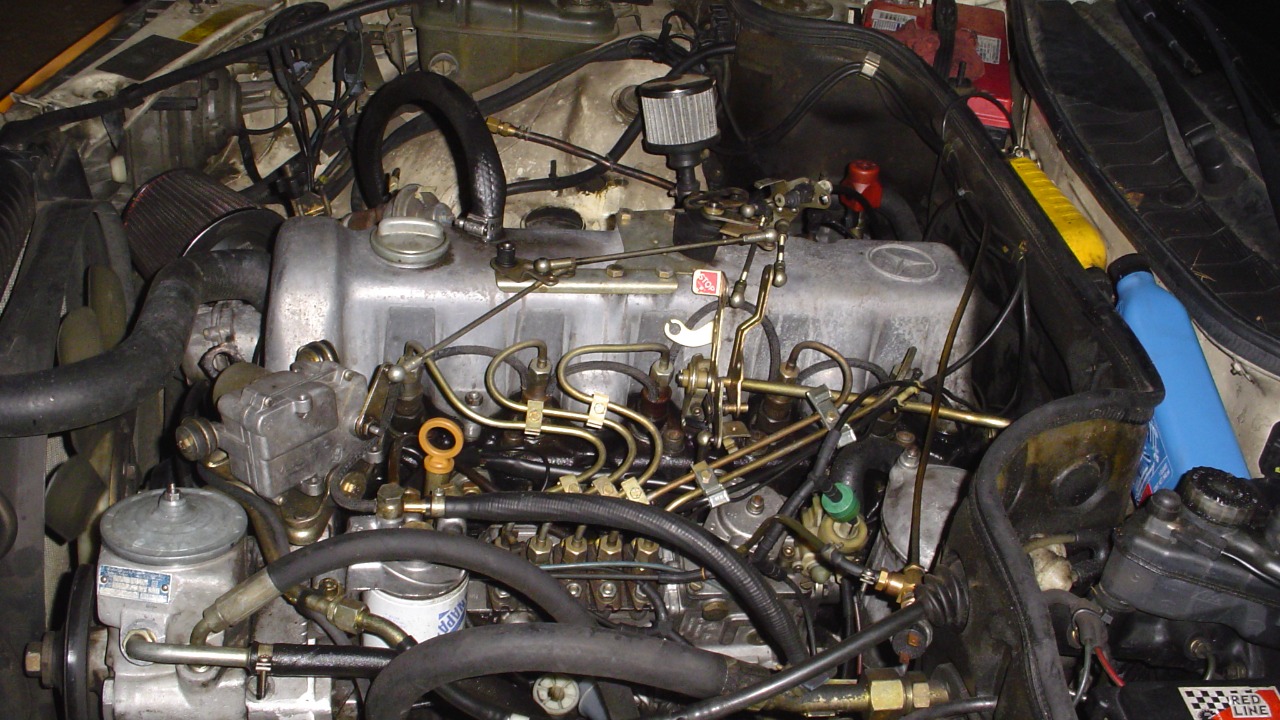
The big-block engines used in the Chevrolet Monte Carlo, especially the 454 cubic inch variant, are a testament to American engineering prowess. This powerhouse engine was designed for performance, delivering ample horsepower and torque that allowed the Monte Carlo to tackle both the highway and the racetrack with ease. The 454’s robust design and impressive performance characteristics make it a favorite among gearheads, with many enthusiasts opting to restore or modify these engines for enhanced performance.
One of the fascinating aspects of the big-block engine is its tuning potential. Many owners have discovered that with the right modifications, such as improved exhaust systems or upgraded carburetors, they can unlock even more power from these already formidable engines. The aftermarket support for big-blocks is extensive, providing a plethora of options for those looking to enhance their Monte Carlo’s performance. Whether it’s drag racing or cruising down the highway, the big-block engine makes the Monte Carlo a versatile and thrilling ride.
The Overlooked Appeal of Styling
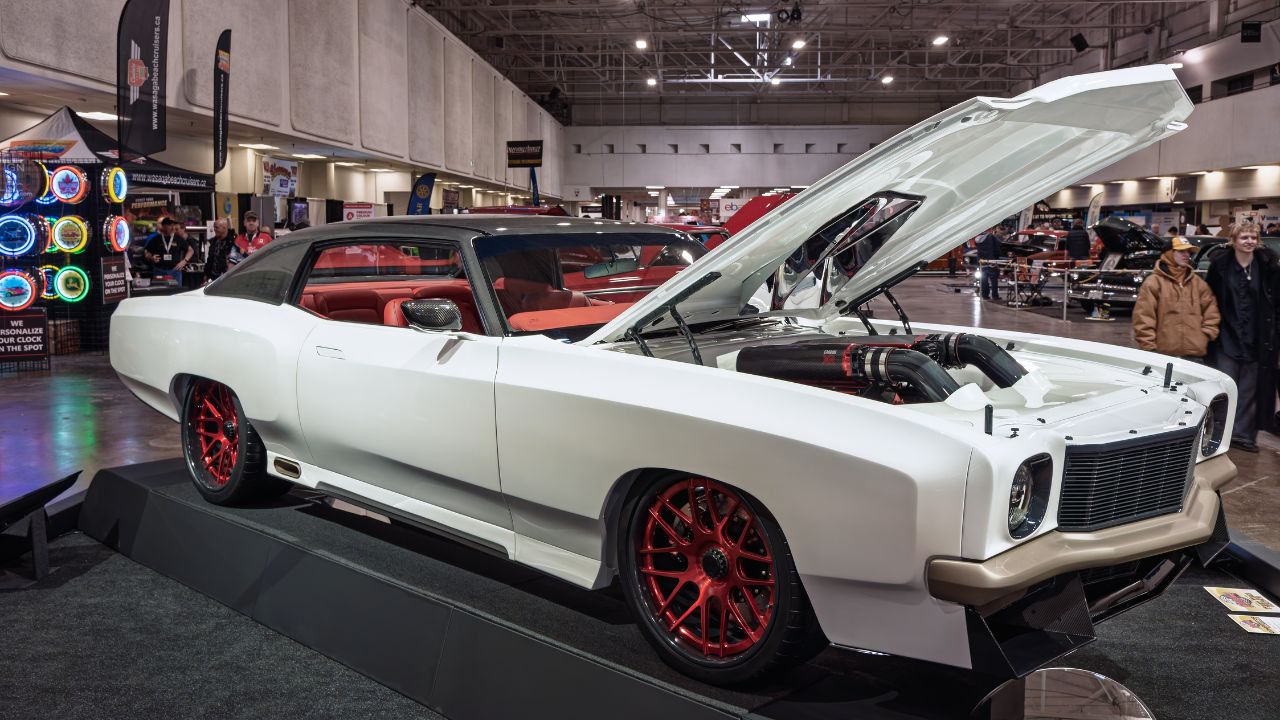
The Monte Carlo’s design elements set it apart from the more aggressive styling of typical muscle cars. With its long hood, short rear deck, and elegant lines, the Monte Carlo exudes a sense of sophistication while still maintaining an aggressive stance. The personal luxury coupe design allowed for a more refined interior compared to other muscle cars, catering to drivers who appreciated comfort alongside performance. The available trim levels, such as the Monte Carlo SS, further enhanced its aesthetic appeal, featuring unique decals, sportier suspensions, and distinctive wheel designs.
Special editions of the Monte Carlo, such as the 1983 Aerocoupe, introduced aerodynamic enhancements that improved both performance and style. This model was designed with NASCAR in mind, featuring a unique rear window and a distinctive shape that set it apart from its predecessors. Collectors appreciate these special editions not just for their rarity but for their historical significance in the evolution of the Monte Carlo and their contribution to its legacy among muscle cars.
Market Trends and Pricing
Current market trends indicate a growing interest in the Chevrolet Monte Carlo, particularly among collectors who recognize its undervalued status in the muscle car community. While prices for classic muscle cars have skyrocketed in recent years, the Monte Carlo remains relatively affordable, offering an excellent entry point for new collectors. Depending on the condition, model year, and rarity of specific editions, prices can range from a few thousand dollars to much more for pristine, fully restored examples.
As collectors become more aware of the Monte Carlo’s unique attributes and potential for appreciation, demand is likely to increase. Investing in a Monte Carlo, particularly a big-block variant, can prove to be a wise decision for those looking to diversify their classic car portfolio. The potential for appreciation, combined with the enjoyment of owning a piece of automotive history, makes the Monte Carlo a compelling option for collectors.
Restoration and Maintenance Considerations
Restoring a Chevrolet Monte Carlo can be both a rewarding and challenging experience. While many parts are still available through aftermarket suppliers, finding specific components for certain models can require patience and persistence. For those considering a restoration project, it’s essential to evaluate the vehicle’s condition and determine the extent of work needed. Many enthusiasts choose to tackle the restoration themselves, allowing for a deep personal connection to the car, while others may prefer to enlist the help of professionals.
Tips for maintaining a Monte Carlo include joining online forums and communities dedicated to the model, where members share advice, resources, and even parts for sale. Websites like Hot Rod provide valuable information about the history and restoration of the Monte Carlo, while social media platforms like Facebook can connect you with local car clubs and enthusiasts. Whether you’re looking for restoration tips or simply want to share your love for the Monte Carlo, these communities can be invaluable resources.
Community and Culture Surrounding the Monte Carlo
The community surrounding the Chevrolet Monte Carlo is vibrant and passionate. Various clubs and forums exist where enthusiasts gather to share their experiences, showcase their vehicles, and seek advice on restoration and maintenance. Events dedicated to classic cars often feature Monte Carlos, allowing owners to connect and celebrate their shared appreciation for this unique muscle car.
Social media has played a significant role in fostering this community, with groups on platforms like Facebook dedicated specifically to Monte Carlo enthusiasts. Sharing photos, restoration projects, and personal stories, these groups help to cultivate a sense of belonging among collectors. Additionally, events such as car shows and cruise nights provide opportunities for Monte Carlo owners to show off their prized vehicles, further building camaraderie and appreciation for this often-overlooked muscle car.
Why the Monte Carlo Deserves More Recognition
With its rich history, impressive performance specs, and unique design, the Chevrolet Monte Carlo deserves a more prominent place in the muscle car conversation. Collectors should consider adding this remarkable vehicle to their collections, not only for its potential as an investment but also for the joy it can bring. Many collectors have shared personal anecdotes highlighting their love for the Monte Carlo, often citing its blend of performance and luxury as a key factor in their appreciation.
As awareness grows, the Monte Carlo stands poised for a resurgence in recognition within the collector community. It offers a unique alternative to more mainstream muscle cars, inviting enthusiasts to explore its qualities and history. The combination of rarity, performance potential, and community support makes the Monte Carlo a compelling choice for muscle car aficionados, ensuring that its legacy continues to thrive.
More from Fast Lane Only