The allure of classic cars captivates enthusiasts and collectors, yet some models have become so rare that they are virtually unseen on modern roads. These vehicles carry historical significance, limited production origins, and exceptional collector value, making them some of the most sought-after machines in automotive history.
The Definition of Classic Cars
To classify a car as a “classic,” criteria include age, rarity, and historical significance. Generally, a classic car is at least 20 to 25 years old and retains original features or has been restored to factory condition. However, classifications vary by organization, with groups such as the Classic Car Club of America defining classics as vehicles produced between 1915 and 1948, emphasizing engineering and design excellence.
Classic cars are often distinguished from vintage and antique vehicles. Vintage models typically refer to those built between 1919 and 1930, while antique vehicles are generally over 45 years old. These distinctions help define rarity and collectibility in today’s market.
A Brief History of Classic Cars
The evolution of automotive manufacturing in the early 20th century established the foundation for today’s classic car culture. The Ford Model T revolutionized transportation in 1908, making cars widely accessible. In the following decades, brands such as Packard and Cadillac advanced luxury and performance design.
Post-World War II manufacturing introduced more powerful engines, bold styling, and innovative engineering. Key milestones, including Cadillac’s early V8 development and the Chevrolet Corvette’s 1953 debut, shaped modern collector interest and performance expectations.
The Rarest Classic Cars
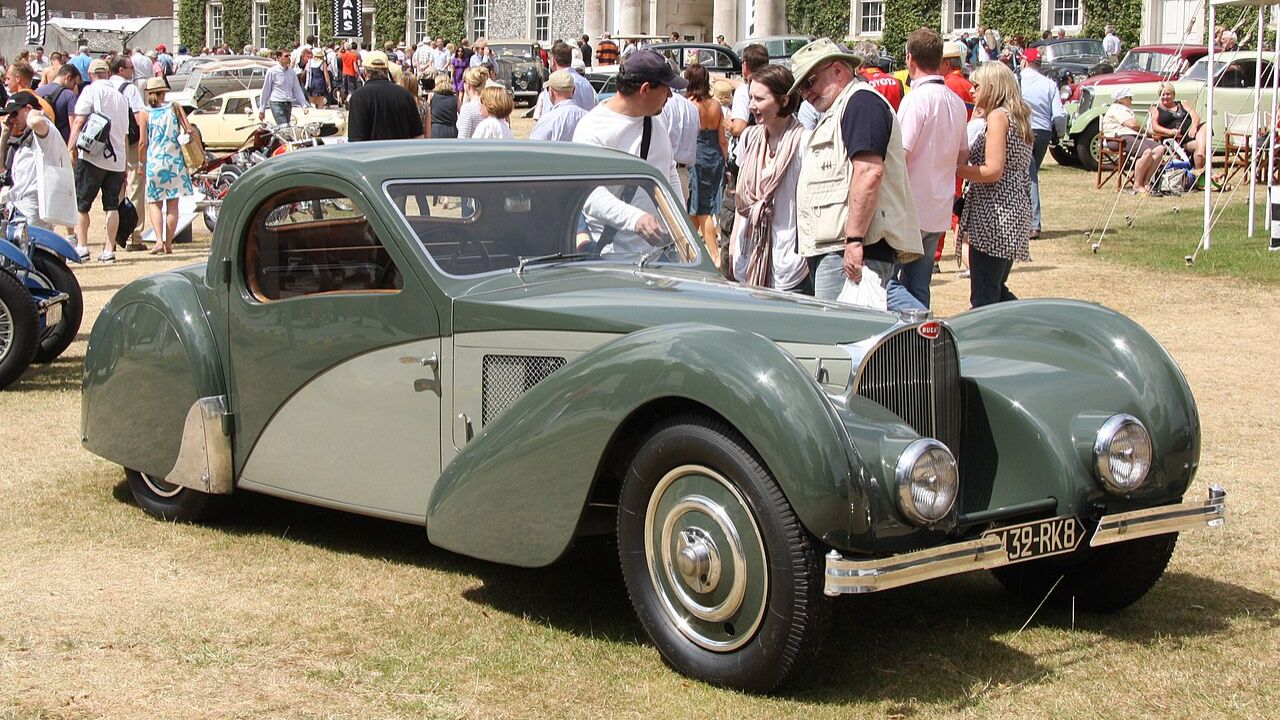
Among the rarest classic cars ever produced is the Bugatti Type 57SC Atalante, manufactured between 1937 and 1940. With only about 17 units built, it is regarded as one of the most exclusive pre-war automobiles. Its streamlined design, advanced engineering, and exceptional performance make it one of the most valuable collector vehicles in existence.
Another highly rare example is the Ferrari 410 Superamerica, produced in the late 1950s with only around 20 units built. Featuring a V12 engine and luxury-focused design, it remains a benchmark of exclusivity and performance.
Scarcity in these vehicles is driven by limited production runs, wartime economic constraints, and historical significance. Auction results from events such as Pebble Beach and RM Sotheby’s demonstrate how provenance, condition, and rarity significantly influence market value.
Collectibility and Investment Potential
Rare classic cars are widely considered alternative investment assets. Their value often appreciates over time, particularly when originality, documentation, and historical ownership are preserved.
Models with celebrity ownership or competition history typically command higher prices. Auctions and private sales continue to push valuations upward, reinforcing their status as collectible assets rather than standard vehicles.
The Role of Preservation and Restoration
Preserving classic cars requires careful restoration practices and sourcing of authentic components. Many original parts are no longer produced, creating challenges for restorers and increasing reliance on specialized suppliers.
Expert restoration shops prioritize authenticity, often preserving original paint, interiors, and mechanical components. This approach maintains both historical integrity and market value.
Cultural Impact of Classic Cars
Classic cars have significantly influenced popular culture, appearing in films, music, and visual art. Movies such as American Graffiti and The Fast and the Furious franchise highlight their cultural appeal and timeless design.
Beyond media, these vehicles represent freedom, nostalgia, and craftsmanship. Owners often form deep emotional connections with their cars, treating them as both mechanical assets and personal history.
The Modern Shift in Automotive Trends
The rise of electric vehicles is reshaping automotive culture, influencing how classic cars are preserved and modified. Some enthusiasts now explore electric conversions to maintain usability while adapting to modern regulations.
Despite this shift, demand for original classic cars remains strong, driven by nostalgia and historical appreciation.
Challenges Faced by Classic Car Enthusiasts
Ownership of classic cars presents challenges including regulatory compliance, emissions restrictions, and difficulty sourcing parts. Insurance valuation and maintenance costs also add complexity.
Despite these issues, enthusiast communities remain active, sharing knowledge and resources through events and online platforms.
How to Experience Classic Cars Today
Classic cars can be experienced at major automotive events such as the Pebble Beach Concours d’Elegance and Goodwood Festival of Speed. Museums and exhibitions also provide access to rare models.
Digital platforms and social media further expand access, allowing enthusiasts to explore, research, and connect with collectors worldwide.
More from Fast Lane Only