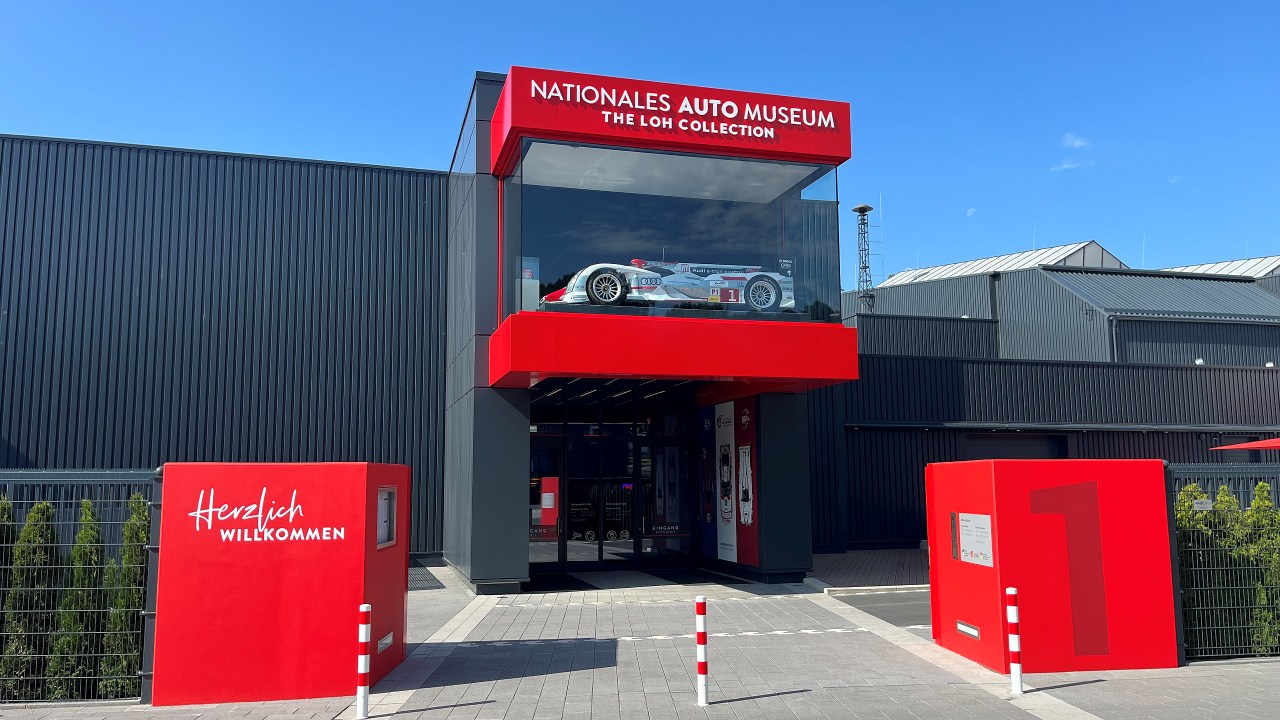
The doors to one of the world’s most valuable car stashes have swung open, turning a once private trove of hypercars and racing legends into a public spectacle valued at $1.5 billion. In a quiet corner of Germany, billionaire industrialist Friedhelm Loh has transformed his personal passion into a museum-scale statement about speed, design, and national automotive pride.
What was once a hidden collection is now presented as a curated journey through motorsport history and modern performance, from historic icons to cutting edge prototypes. By inviting visitors into his Nationales Automuseum, Loh is not only showcasing rare machinery, he is also reshaping how Germany presents its automotive heritage to the world.
The billionaire behind the Nationales Automuseum
Friedhelm Loh has long been known in Germany as a powerful industrial figure, but it is his life as a car obsessive that now takes center stage. The Nationales Automuseum, described as the brainchild of Prof. Dr. Friedhelm Loh, reflects a collector who has spent years assembling not just expensive cars, but a narrative about engineering ambition and competition. Reporting on The Nationales Automuseum underscores that this is the project of a German entrepreneur who has poured personal energy into turning a private passion into a public institution.
What sets Loh apart is the scale and openness of his commitment. Coverage of Friedhelm Loh’s $1.5 billion car collection makes clear that he is not content to let the cars sit unseen in storage near Frankfurt. Instead, he has framed the museum as a living, evolving space that will change over time, with cars rotating in and out so repeat visitors encounter new stories on every trip. That decision, backed by a fortune and a professor’s title, signals a collector who wants to be remembered not only for what he owns, but for how he shares it.
A $1.5 billion trove of hypercars and racing legends
The headline figure is staggering: reports consistently describe the Loh Collection as a $1.5 billion or $1.5 Billion assembly of machinery, a valuation that places it among the most valuable car collections on the planet. Accounts of the Inside the $1.5 Billion Loh Car Collection experience describe an ultra dense lineup of hypercars, prototypes, and race winners that would be headline attractions on their own in any other museum. Instead of a handful of halo cars, visitors walk into a hall where almost every chassis could anchor a major exhibition.
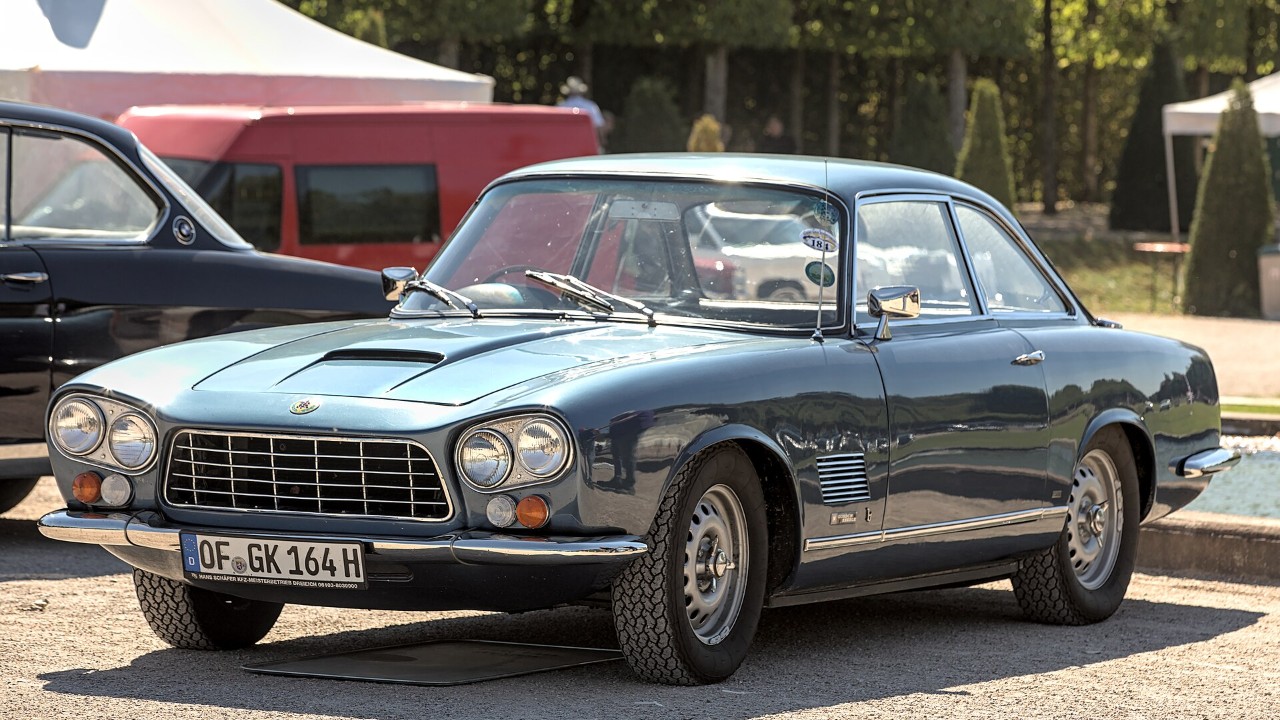
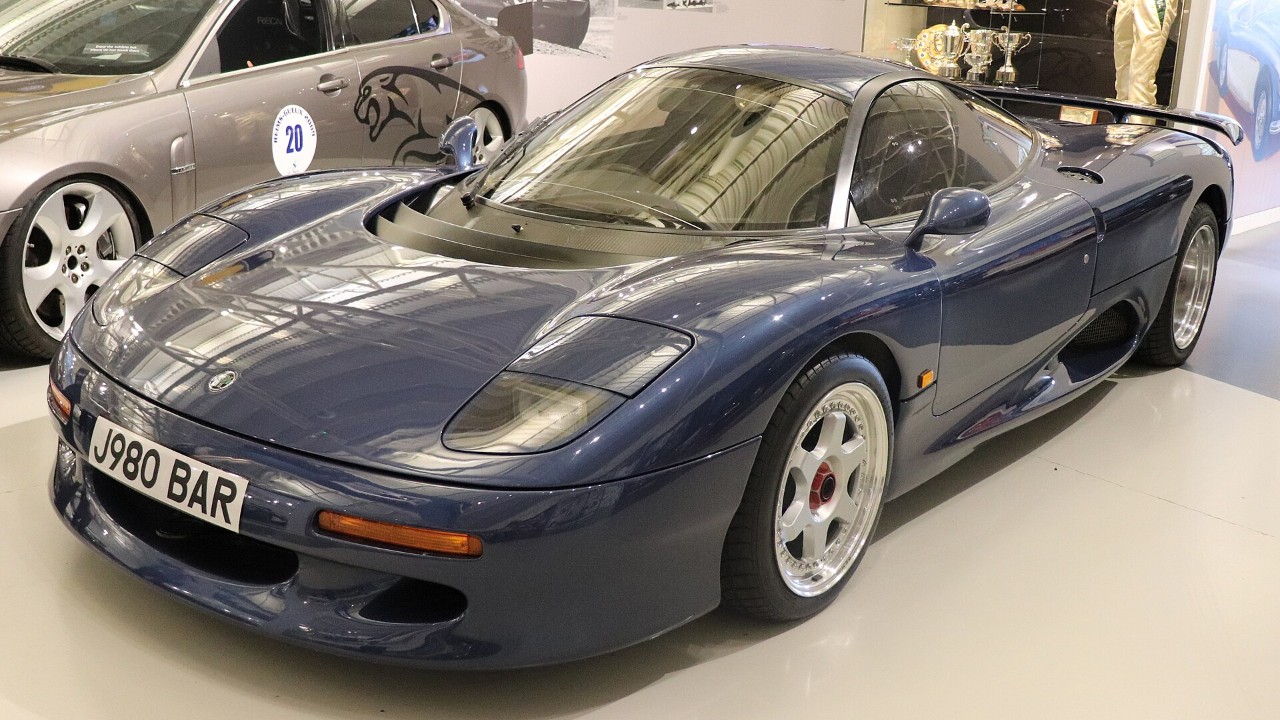
Within that valuation sit names that define modern performance culture. Reporting on the Loh Collection highlights Paganis and McLarens sharing floor space with F1 and Le Mans race cars, described as true legends on wheels. Other coverage of the German Billionaire Opens $1.5 Billion Supercar Collection notes that historic icons like the Ferrari F40 and Mercedes-Benz CLK GTR sit alongside the latest supercars, creating a lineup that compresses decades of performance development into a single walkable space.
From private hoard to public museum near Frankfurt
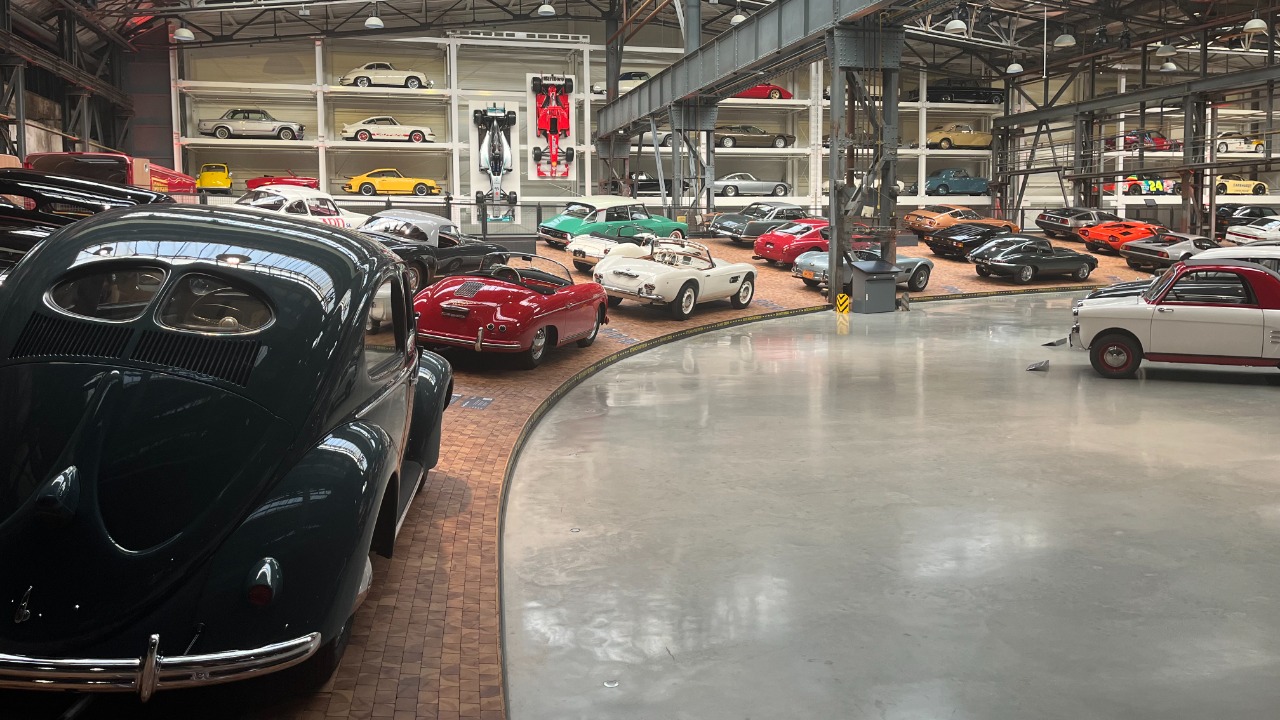
For years, the Loh Collection existed as a kind of whispered legend in enthusiast circles, a private hoard somewhere in Germany that few would ever see. That changed when Loh decided to open the Nationales Automuseum to visitors near Frankfurt, turning what had been a personal garage on steroids into a structured museum experience. Coverage of Friedhelm Loh’s $1.5 billion car collection situates the museum in that region and emphasizes that this is now a destination for the public, not just a playground for a single owner and his guests.
The shift from secrecy to accessibility is not just symbolic, it is baked into how the museum operates. Reporting that a Billionaire does not keep his $1.5B car collection to himself underscores that Loh wants everyone to visit, with a display that changes throughout the year. That rotation means the museum is not a static snapshot, but a program that can highlight different eras, technologies, or racing stories over time, a structure that encourages repeat visits and keeps the collection in active conversation with its audience.
Icons of speed, from Ferrari F40 to Mercedes-Benz CLK GTR
Any serious car museum lives or dies by its hero pieces, and Loh’s lineup reads like a greatest hits album of late twentieth century and early twenty first century performance. Reports on the German Billionaire Opens $1.5 Billion Supercar Collection highlight the Ferrari F40, a car that still defines the analog supercar ideal, and the Mercedes-Benz CLK GTR, a homologation special born from top level racing. Placing those two side by side instantly tells visitors that this is not a museum of replicas or near misses, but a place where the most coveted chassis on earth are treated as everyday exhibits.
Those icons are only the start. The broader Inside the reporting describes an Ultra Rare Nationales Automuseum and the Billionaire Reshaping automotive heritage, with hypercars, prototypes, and BMW touring cars woven into the story. When combined with accounts of Paganis and McLarens and dedicated F1 and Le Mans machinery, the picture that emerges is of a collection that does not just chase price tags, but deliberately connects road going exotica with the competition cars that inspired them.
Germany’s latest automotive pilgrimage site
By opening his doors, Loh has effectively created a new pilgrimage site in Germany for anyone who cares about speed, design, or motorsport history. Earlier coverage of an astonishing private car collection becoming Germany’s latest museum framed the site as one of the world’s greatest private car collections turned public, located in Dietzhölztal-Ewersbach between major cities. That context matters, because it shows how the Nationales Automuseum is positioned not as a niche side trip, but as a serious cultural destination within the country’s broader tourism and heritage map.
For Germany, a nation whose identity is tightly bound to brands like Mercedes, BMW, and Porsche, the emergence of the Nationales Automuseum as an Ultra Rare Nationales Automuseum and the Billionaire Reshaping automotive heritage adds a new layer to how the country tells its industrial story. The Next Chapter framing around The Nationales Automuseum suggests that this is not just a static hall of fame, but a forward looking institution that can adapt as new technologies and racing eras emerge. In that sense, Loh’s $1.5 billion commitment is not only a monument to what cars have been, it is a bet that the story of speed will keep evolving, and that Germany should have a front row seat to tell it.