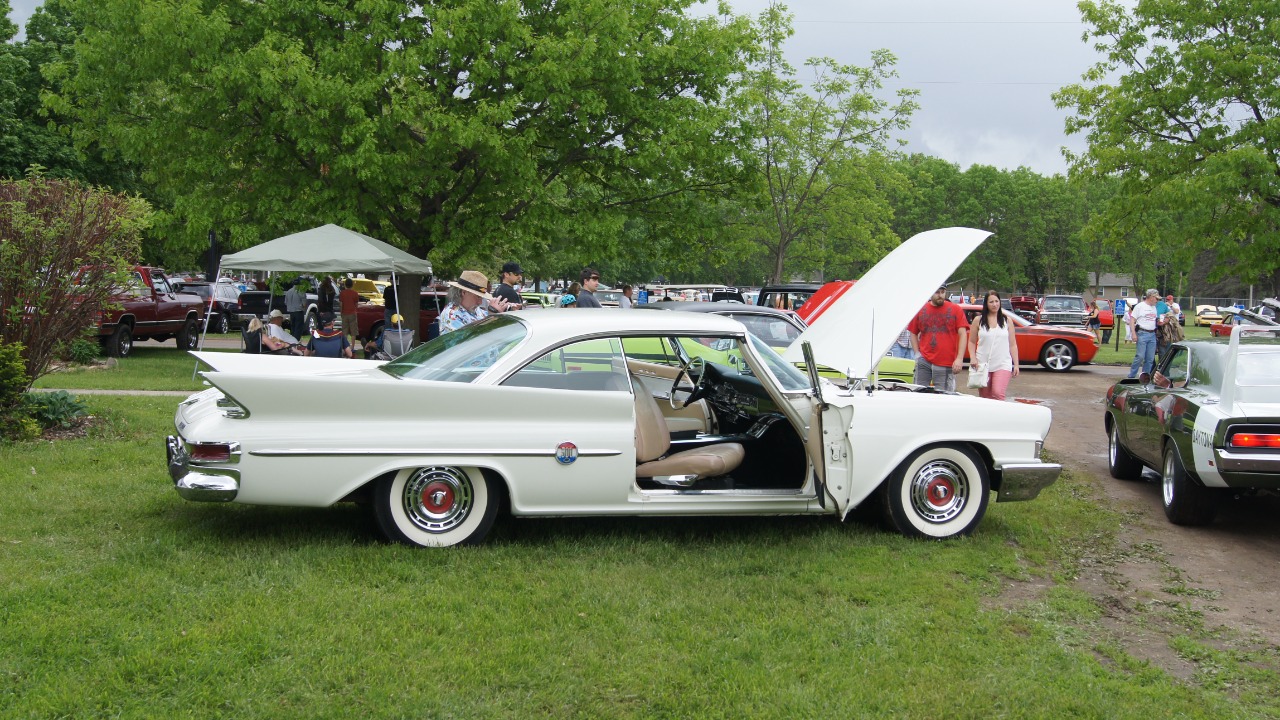
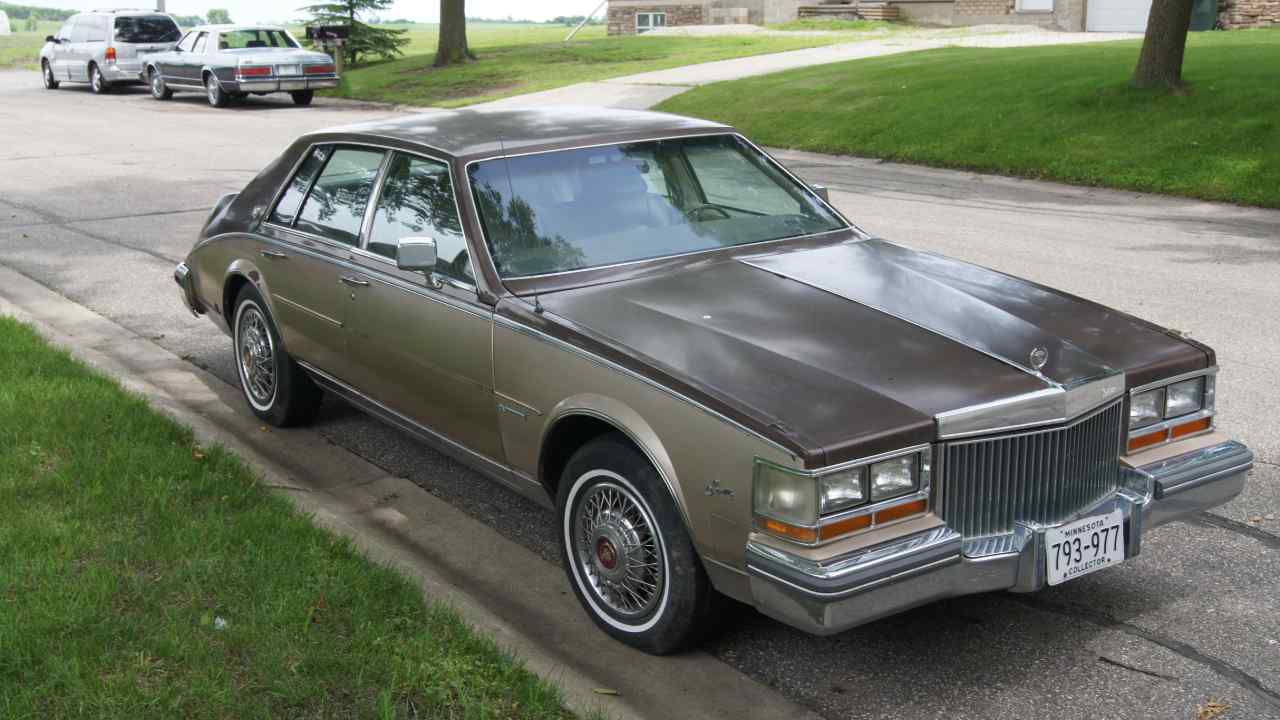
The Mopar brand has long been synonymous with power, performance, and a unique style that resonates with car enthusiasts. Among its impressive lineup, one particular model has quietly emerged as one of the rarest muscle cars ever built, capturing the attention of collectors and fans alike.
The Legacy of Mopar Muscle Cars
Mopar, a term derived from “Motor Parts,” has been a significant player in the American automotive landscape since the early days of muscle cars. Its history is marked by a relentless pursuit of power and performance, establishing itself as a brand that resonates deeply with car enthusiasts. The muscle car era of the 1960s and 1970s saw the rise of iconic models like the Dodge Charger and the Plymouth Barracuda, which not only defined the brand but also set a standard for performance vehicles across the globe.
In a landscape dominated by speed and style, Mopar muscle cars became cultural icons, celebrated in films, music, and even art. Their unique designs and powerful engines captured the imagination of a generation, creating a loyal fan base that continues to thrive today. The Mopar community is more than just a group of car owners; it’s a vibrant network of enthusiasts who share a passion for the brand’s rich history and its contributions to the automotive world.
The Discovery of the Rare Model
The journey to unearthing this rare Mopar model began when a group of enthusiasts stumbled upon an old barn in rural America. Inside, covered in dust and neglect, was a vehicle that few had seen in person—a pristine example of a limited-production version of a Mopar model that had been nearly forgotten. Initial interest sparked when VIN research confirmed its authenticity, revealing a production number that placed it among the rarest of its kind.
Collectors and enthusiasts shared anecdotes of their encounters with this unique vehicle, each story adding to its mystique. Many recounted the thrill of discovering a seemingly lost piece of automotive history, while others expressed their disbelief at the model’s rarity. As news spread within the community, the car quickly became a topic of discussion, with enthusiasts eager to learn more about its specifications and performance capabilities.
Specifications That Set It Apart
This rare Mopar model boasts a variety of unique features that distinguish it from more common counterparts. For instance, it may include special trim options, unique engine configurations, or even rare paint colors that were only available for a limited run. These specifications not only enhance its aesthetic appeal but also contribute to its desirability among collectors. The vehicle’s rarity is often underscored by its production numbers; while thousands of other models rolled off the assembly line, this particular version might have seen only a handful produced.
When compared to more common models from the same era, the differences become even more pronounced. For example, while the standard Dodge Challenger might have been equipped with a 318 V8 engine, this rare model could have featured a high-performance 426 HEMI engine, making it a true powerhouse on the road. Technical specifications like these not only add to its allure but also make it a sought-after item for investors and enthusiasts alike.
Performance and Driving Experience
The driving experience of this rare Mopar model is something that many owners can attest to. With engine options that may include high-output V8s, the performance metrics are impressive. Acceleration times that rival contemporary sports cars are not uncommon, and the handling can be described as agile yet powerful, allowing for a driving experience that is both thrilling and enjoyable.
Testimonials from owners further highlight the unique driving experience. Many describe the feeling of being behind the wheel of such a rare vehicle as exhilarating, with each drive feeling like a special occasion. Comparisons to other muscle cars often reveal that while many vehicles of the era offered power, this specific model stands out for its combination of performance and rarity, making it a prized possession in any collection.
The Role of Collectors and Enthusiasts
The Mopar community is vibrant, with collectors and enthusiasts dedicated to preserving the legacy of these iconic vehicles. Profiles of passionate collectors reveal a deep commitment to understanding and maintaining the history of their cars. Many attend community events, car shows, and meetups specifically focused on rare Mopar vehicles, where they gather to share stories, tips, and resources.
Social media has played a crucial role in connecting these enthusiasts, allowing them to share their knowledge and experiences with a broader audience. Platforms like Facebook and Instagram have become hubs for Mopar lovers, with groups dedicated to discussions surrounding rare models and restoration projects. The sense of camaraderie among collectors fosters a spirit of collaboration, encouraging individuals to celebrate their shared passion for Mopar history.
Market Value and Investment Potential
The market for rare Mopar models has seen significant interest in recent years, with current trends indicating a growing appreciation for these vehicles among collectors. Auction prices for specific models have reached impressive heights, often reflecting their rarity and desirability. For example, a 1971 Plymouth Barracuda with a HEMI engine recently sold for over $1 million, showcasing the potential investment value of these classic cars.
Historical auction prices provide insight into the increasing value of this rare Mopar model. As more collectors enter the market and interest continues to grow, predictions for future value suggest that these vehicles could see even higher prices down the line. This potential for appreciation makes owning a rare Mopar not only a passion project but also a savvy investment for the future.
Restoration and Preservation Challenges
Restoring a rare Mopar model comes with its own set of challenges. Common issues faced during the restoration process often include sourcing original parts, as many components may no longer be in production. Enthusiasts are advised to prioritize authenticity, as the value of a restored vehicle can greatly diminish if non-original parts are used. Experts recommend thorough research and networking with other collectors to find quality original parts, which can be crucial for maintaining the vehicle’s value.
Preserving the authenticity of a rare model is vital, not only for its market value but also for historical significance. Restoration experts often emphasize the importance of keeping the vehicle’s original paint, interior, and mechanical components intact whenever possible. The balance between restoration and preservation can be delicate, but it is essential for maintaining the integrity of these classic cars.
Notable Stories and Anecdotes
The history of this rare Mopar model is filled with legendary stories that add to its allure. Many enthusiasts recount tales of memorable road trips taken in these powerful vehicles, each journey steeped in nostalgia and excitement. From cruising down the highway to participating in local car shows, these experiences create lasting memories that are often shared among fellow Mopar enthusiasts.
Interviews with previous owners frequently reveal a deep emotional connection to the vehicle. Many share how owning this rare model has not only been a hobby but also an avenue for forming friendships and connecting with other car lovers. Each story contributes to the rich tapestry of the Mopar legacy, celebrating the passion and dedication of those who have come before and continue to champion these remarkable vehicles.
As interest in rare Mopar models continues to grow, so too does the importance of preserving their stories and experiences. From their powerful engines to their unique designs, these vehicles represent a significant chapter in automotive history that deserves to be celebrated and remembered.
More from Fast Lane Only