There’s always that one powertrain that never seems to headline the posters, yet somehow keeps popping up in cars people swear are “way quicker than they have any right to be.” For a while, that engine was hiding in plain sight: a small, turbocharged four-cylinder that quietly became the go-to cheat code for strong real-world speed. It wasn’t exotic, it didn’t need a halo car to justify its existence, and it rarely got the kind of attention that follows a V8 badge.
But if you’ve ever driven—or raced against—one of the cars that carried it, you probably remember the feeling. The throttle response was eager, the midrange pulled harder than expected, and the whole package felt like it was engineered by someone who wanted to surprise you. The engine’s calling card wasn’t drama; it was results.
The “surprisingly quick” pattern people kept noticing
It started as a forum whisper and turned into a repeated observation: certain models consistently punched above their weight. Owners would post quarter-mile slips that looked a little too good for the brochure numbers, or share dyno charts that hinted the factory was being conservative. Then friends would take a quick ride and come back saying, “That thing moves.”
What made it funny is that these weren’t always the cars you’d expect. Sometimes the engine showed up in practical shapes—sedans and crossovers—where you’d assume the mission was commuting, not entertaining. Yet in the real world, where passing power and midrange torque matter more than peak horsepower bragging rights, it kept delivering.
A small turbo four that got the basics very right
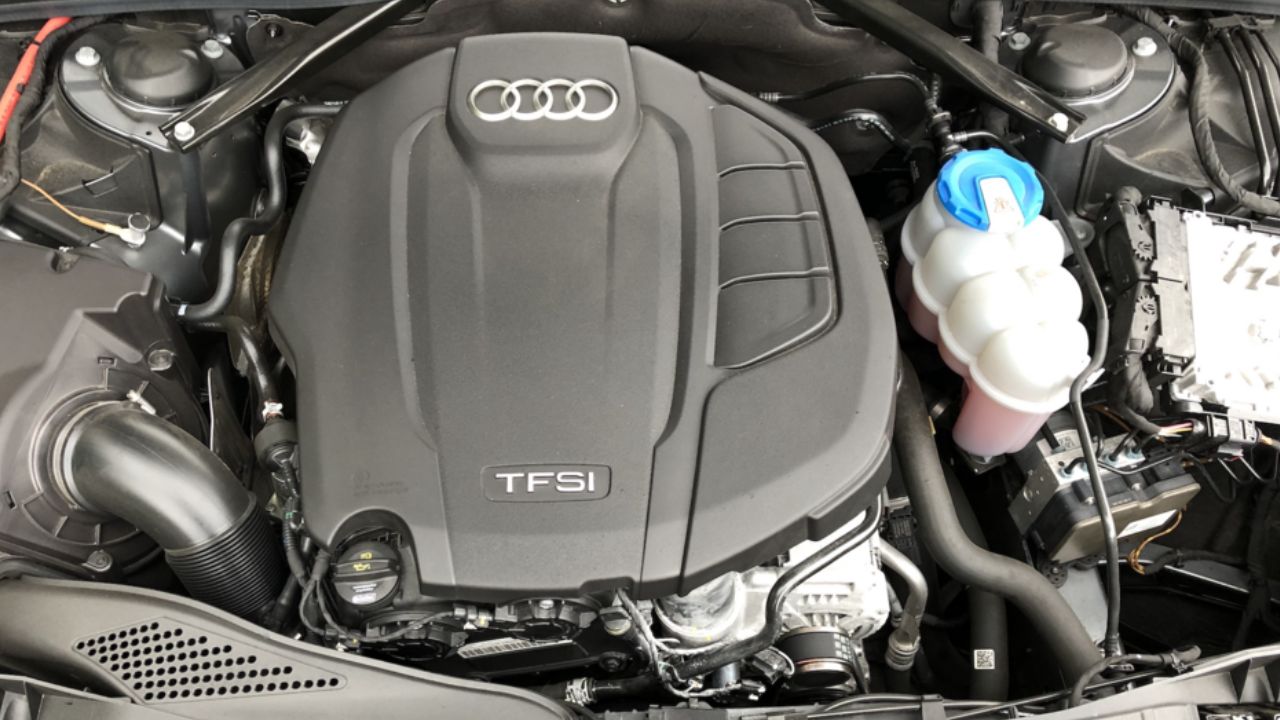
The overlooked hero here is the modern 2.0-liter turbocharged inline-four, most famously the EA888 family used across a huge range of vehicles. “Huge range” is not an exaggeration: it’s been the beating heart in everything from sporty compacts to near-luxury crossovers. It’s the kind of engine you might miss because it doesn’t have a romantic configuration, but it’s been engineered and re-engineered until it became ridiculously competent.
The recipe is straightforward: direct injection, an efficient turbo setup, and a torque curve that shows up early and sticks around. Instead of needing to rev to the moon, it gives you that shove right where most people drive—2,000 to 5,000 rpm. That’s the zone where daily driving turns into “wait, are we already at that speed?”
Why factory numbers often felt… conservative
A big part of the engine’s reputation came from how it behaved versus what the spec sheet promised. Manufacturers have plenty of reasons to underrate output—model hierarchy, drivetrain protection, fuel quality variability, emissions targets, and the simple desire to avoid warranty fireworks. So you’d get an official number that looked modest, paired with real-world performance that didn’t match the humble tone.
Add in the fact that turbo engines can feel stronger in the midrange than their peak rating suggests, and it’s easy to see how the “secretly fast” legend grew. You don’t need a heroic redline when you’ve got a wave of torque arriving early. It makes everyday acceleration feel effortless, which is basically the most addictive kind of quick.
It wasn’t just fast—it was tunable in a way that felt unfair
This is where the engine really earned its cult following. With the right software calibration, many versions of this 2.0T could pick up meaningful power without internal modifications. People weren’t just chasing a few extra horses; they were unlocking an entirely different personality, often with nothing more than a tune and a couple of sensible supporting parts.
The result was an engine that could act polite during the week and then behave like it had something to prove on the weekend. That “switchable” character—civil when you want it, spicy when you don’t—helped it show up in cars that embarrassed more expensive machinery. It’s hard not to respect an engine that can be both responsible and mischievous.
The quiet advantage: it paired well with modern transmissions
Part of outperforming expectations isn’t just horsepower; it’s how the whole drivetrain works together. This engine often came matched with quick-shifting automatics and dual-clutch gearboxes that kept it right in the meat of its torque band. Even in more ordinary automatic setups, the broad torque curve made the gearing feel smarter than it had any right to.
And when it was paired with all-wheel drive, the “surprise” factor got even bigger. A launch that doesn’t waste time spinning tires turns modest power into strong numbers. Suddenly a practical-looking car is leaving the line like it’s late for something important.
Where it kept showing up (and why people kept underestimating it)
One reason this engine stayed overlooked is simple: it was everywhere. When an engine appears in a lot of models, it stops feeling special, even if it’s excellent. It also blended into trims and badges that didn’t scream performance, so people assumed it was just another efficient four-cylinder doing its best.
But it kept landing in vehicles with well-tuned chassis, solid brakes, and refined interiors—cars that didn’t need to shout to be good. The engine didn’t have to carry the whole experience; it simply elevated it. That’s a sneaky way to create a reputation, because the car feels “sorted,” and the engine is the part you don’t realize you’re praising.
Reliability: mostly solid, with a few well-known footnotes
No engine becomes this widespread without being broadly dependable, and the 2.0T’s track record has generally been strong—especially in later iterations. Still, “solid” doesn’t mean “flawless,” and this one has had recurring themes depending on the generation and application. Things like carbon buildup on intake valves (a common direct-injection quirk), water pump and thermostat housing leaks, and occasional timing-related concerns have all been part of the conversation.
The good news is that most of these issues are well understood now. Shops know what to look for, parts availability is good, and owners have decades of collective experience documenting symptoms and fixes. In other words, it’s not the kind of engine that leaves you guessing; it’s the kind that rewards basic maintenance and a little awareness.
Why it kept beating expectations in the real world
On paper, a 2.0-liter four-cylinder doesn’t sound like the stuff of legends. In practice, it’s the perfect tool for modern driving: strong midrange, quick spool, easy passing power, and efficiency that doesn’t demand you suffer. It made cars feel lighter than they were and quicker than their badges suggested.
And maybe that’s the secret: it wasn’t chasing bragging rights, it was chasing usable performance. The engine didn’t need to be rare or romantic to be great. It just needed to show up, do the job better than expected, and quietly make a lot of drivers wonder why they ever thought “2.0 turbo” was the boring option.
More from Fast Lane Only