At one point in automotive history, American roads were filled with cars that looked longer, lower, and more expressive than anything seen today. Designers were not just building transportation—they were shaping identity through metal, chrome, and exaggerated proportions. Then, almost without ceremony, one of the most distinctive design trends faded away. There was no single announcement or dramatic shift. It simply disappeared as regulations, economics, and consumer priorities changed what a “modern” car should look like.
When cars became rolling statements instead of machines
During the mid-20th century, styling was as important as engineering for manufacturers like General Motors. Vehicles were designed to stand out from a distance, often using bold chrome accents, sweeping body lines, and dramatic proportions that emphasized presence over efficiency.
This era produced cars that were intentionally emotional in design. Buyers weren’t just choosing transportation—they were choosing status, optimism, and personality expressed through automotive form.
The trend peaked when styling departments had nearly as much influence as engineering teams.
The rise of exaggerated proportions and visual drama
One of the most recognizable design directions of the era was the push toward exaggerated styling cues. Cars grew longer, wider, and lower, even when mechanical necessity didn’t require it.
Common elements included:
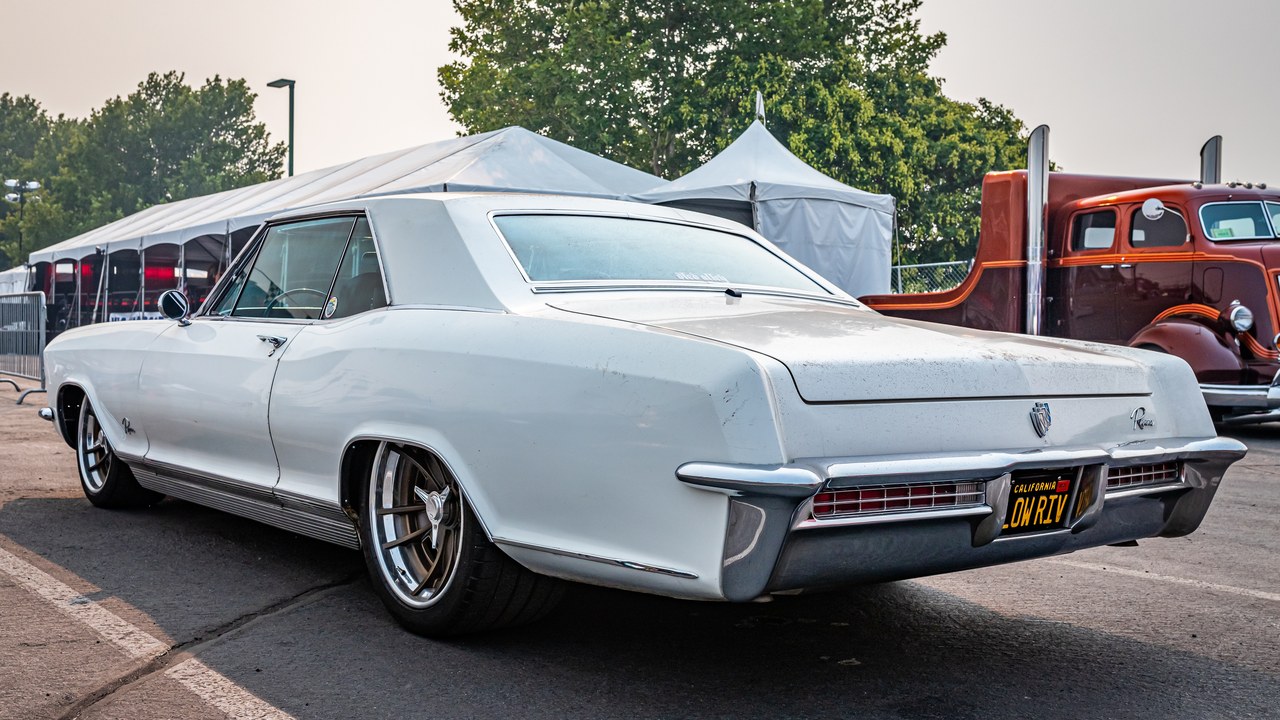
Long rear overhangs that emphasized luxury and length
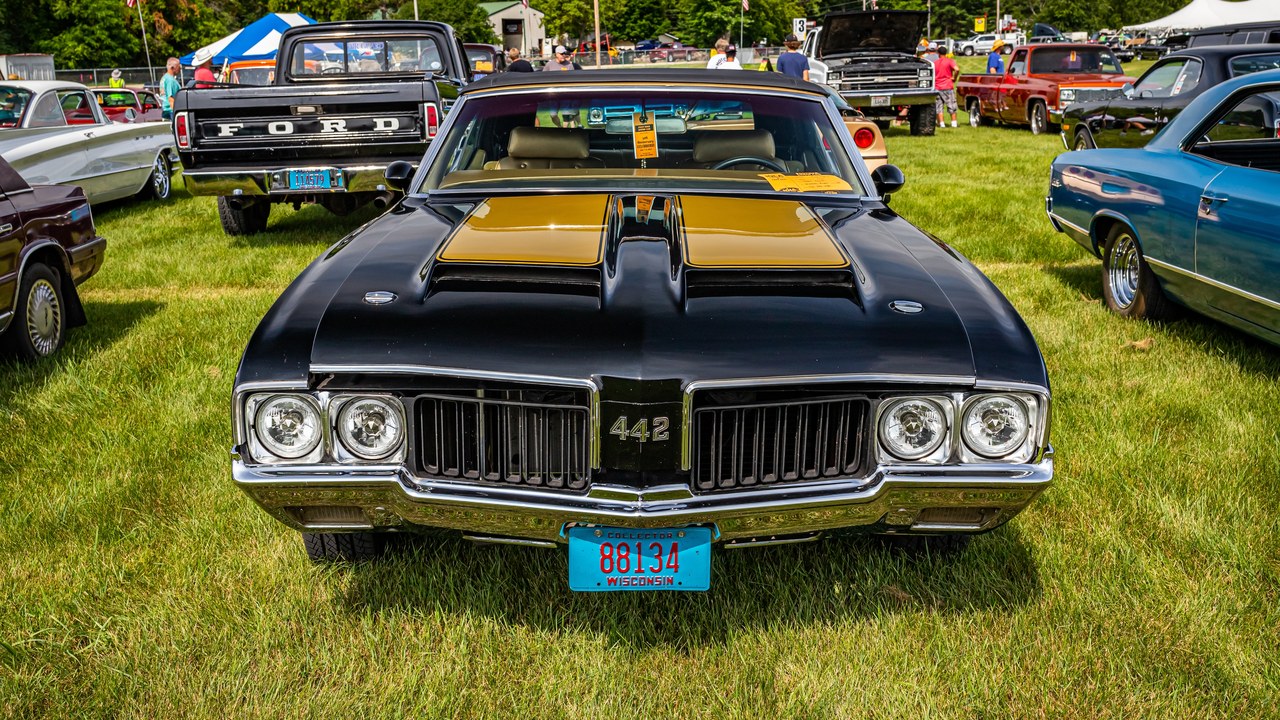
Front ends designed with heavy chrome “faces”
Fins and sculpted panels that suggested motion even when parked
Cabins pushed forward or backward to create dramatic silhouettes
These design choices created a visual language that defined American automotive identity for decades.
Why the trend worked so well at the time
This styling philosophy succeeded because it matched the cultural mood. Postwar prosperity, expanding highways, and rising suburban life created demand for vehicles that felt aspirational rather than purely functional.
Designers were encouraged to push boundaries because customers responded positively to visual boldness. In many cases, styling alone could drive sales even when mechanical changes were minimal.
The car became a personal billboard of success and individuality.
When regulations began reshaping design priorities
The decline of this design trend was not sudden, but it became inevitable as safety and emissions regulations tightened.
New requirements began to influence exterior design in ways that styling departments could not ignore. Higher bumper standards, lighting regulations, and crash safety requirements gradually reduced the freedom designers once had.
At the same time, fuel efficiency concerns pushed manufacturers toward smaller, lighter, more aerodynamic shapes. The era of visually extravagant proportions became harder to justify both economically and technically.
Why consumers adapted faster than expected
Interestingly, buyers did not resist the change as strongly as some designers expected. While there was nostalgia for older styling, consumers gradually accepted the new direction because it offered practical benefits.
Improved fuel economy, better handling, and lower ownership costs became more important than visual excess. Over time, these priorities reshaped expectations of what a “good-looking” car should be.
The definition of beauty in automotive design quietly evolved.
The disappearance of design identity on the road
As styling became more standardized globally, many of the distinctive regional design traits that once defined American cars began to fade. Vehicles from different manufacturers started to share similar proportions and design cues due to shared regulations and aerodynamic constraints.
This convergence made cars more efficient and safer, but less visually distinct than the bold designs of earlier decades.
Why the trend is still remembered today
Even though the design philosophy disappeared from mainstream production, it remains highly influential in automotive culture. Classic cars from that era are now admired precisely because they represent a level of stylistic freedom that no longer exists in modern manufacturing.
Collectors and enthusiasts often point to those designs as symbols of an era when creativity was less restricted by regulation and efficiency requirements.
When a design era ends without a farewell
Unlike technological shifts that arrive with clear milestones, design trends often fade gradually. There is no single model year that marks the end. Instead, changes accumulate until the old language no longer feels current.
That is what happened with this once-dominant American styling trend. It didn’t fail, and it wasn’t rejected. It simply became incompatible with the direction the industry was heading.
And so it quietly left the roads, replaced by a new design philosophy that prioritized efficiency over expression, function over drama, and restraint over excess.
More from Fast Lane Only
- Unboxing the WWII Jeep in a Crate
- 15 rare Chevys collectors are quietly buying
- 10 underrated V8s still worth hunting down
- Police notice this before you even roll window down
*Research for this article included AI assistance, with all final content reviewed by human editors