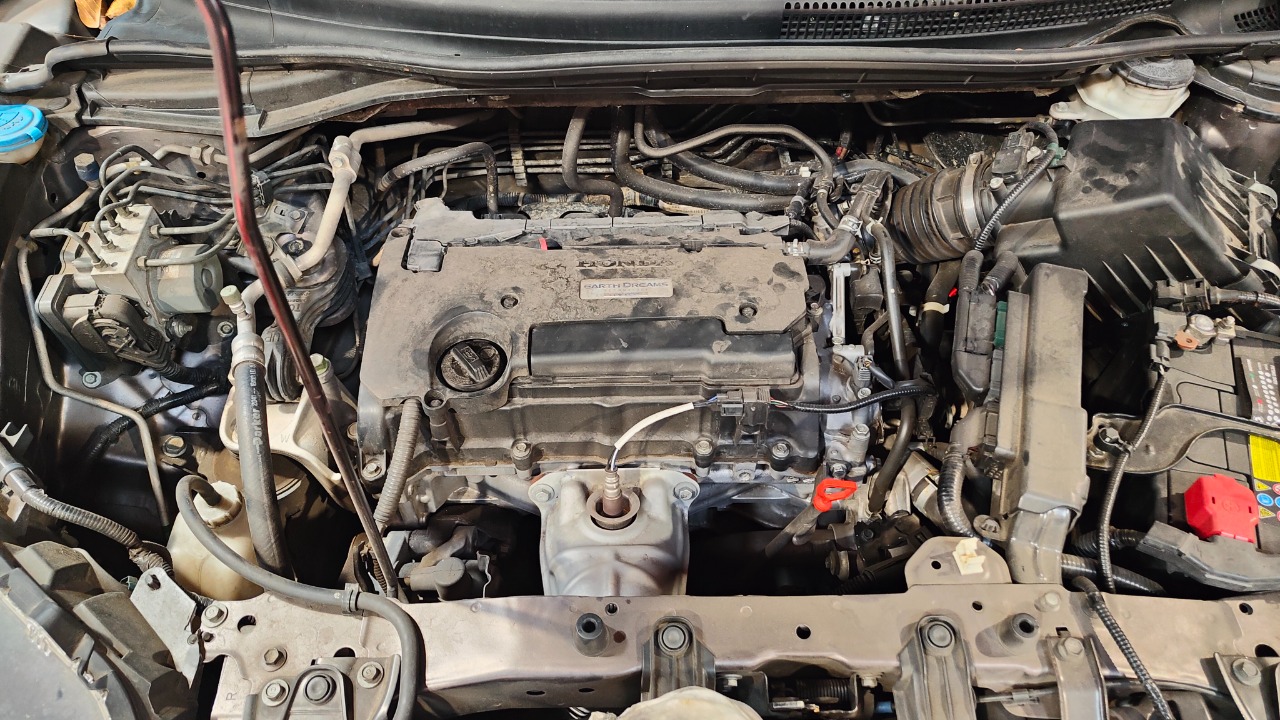
Not all engines wear out in the same way. Two vehicles can roll off the production line with similar specifications, yet decades later one still runs smoothly while the other feels tired, noisy, or oil-hungry. Mechanics see this pattern often, and the difference is rarely explained by mileage alone. Instead, it comes down to a combination of design philosophy, operating conditions, and how an engine was treated during its life.
What surprises many people is that “aging well” is not always about being the most advanced engine. In many cases, the engines that last longest are the ones that were built with simplicity and tolerance in mind.
Simpler engines often age more gracefully
One of the biggest factors in engine longevity is mechanical simplicity. Engines with fewer moving parts, lower stress levels, and conservative tuning tend to tolerate wear better over time.
Older naturally aspirated engines are a good example. With fewer sensors, no turbochargers, and less complex fuel and ignition systems, there are simply fewer components that can degrade or fail. Even as internal wear increases, these engines often continue running because their design allows more margin for deterioration.
Mechanics often describe them as “forgiving” engines—able to keep functioning even when not in perfect condition.
Low-stress engineering creates long-term durability
Some engines are designed with performance headroom that is never fully used in normal driving. Components like pistons, crankshafts, and bearings are built stronger than necessary for everyday operation.
When an engine consistently operates below its stress limits, wear occurs more slowly. This is why certain long-running engines develop reputations for extreme longevity—they were never pushed close to their maximum capacity in typical use.
In contrast, engines designed for maximum efficiency or output from smaller displacement units often operate closer to their limits, which increases long-term stress.
Operating temperature stability matters more than most people think
Engines that consistently reach and maintain stable operating temperatures tend to age better than those subjected to frequent short trips or temperature fluctuations.
When an engine reaches proper temperature, oil flows correctly, moisture evaporates, and internal clearances stabilize. This reduces wear on critical components like piston rings, valve seals, and bearings.
Engines that rarely reach full operating temperature often accumulate moisture and fuel residue internally, which accelerates sludge formation and corrosion over time.
Oil quality and consistency define internal cleanliness
One of the strongest predictors of engine aging is how well it maintains internal cleanliness. Oil is responsible for carrying away heat, lubricating moving parts, and suspending contaminants.
Engines that receive regular oil changes with the correct specification tend to develop far fewer internal deposits. Over time, this directly affects how smoothly they continue running.
Mechanics frequently see that engines with consistent oil maintenance retain compression and smooth operation far longer than those with irregular service histories—even if both have similar mileage.
Driving style shapes internal wear patterns
How an engine is driven has a major impact on how it ages internally.
Smooth acceleration, moderate load operation, and allowing the engine to warm up properly all reduce stress on internal components. Aggressive driving, repeated cold starts under load, and constant short trips increase wear rates significantly.
Interestingly, engines that experience consistent, moderate use often age more evenly than those subjected to extreme or irregular driving patterns.
Even wear distribution helps the engine feel “healthier” at higher mileage.
Heat is the silent aging accelerator
Excess heat is one of the most damaging long-term factors for any engine. High operating temperatures accelerate oil breakdown, harden seals, and increase friction between components.
Engines with good cooling system design—efficient radiators, stable thermostats, and effective oil cooling—tend to age more slowly because they avoid prolonged heat stress.
Mechanics often note that overheating events, even if brief, can significantly shorten long-term engine life.
Manufacturing tolerance and build philosophy matter
Not all engines are built with the same philosophy. Some manufacturers prioritize tight efficiency margins, while others design for durability under a wide range of conditions.
Engines with slightly looser tolerances can sometimes age better because they allow more room for thermal expansion and wear. Tight-tolerance engines may feel smoother when new but can become more sensitive as components wear.
This is why some older engine designs continue running reliably long after newer, more complex engines begin showing issues.
Fuel system design influences long-term health
Fuel delivery systems also play a role in how engines age. Port-injection systems help keep intake valves cleaner because fuel washes over them during operation.
Direct-injection systems, while more efficient, can lead to carbon buildup on intake valves over time. This can affect airflow and combustion quality if not properly managed.
Engines that maintain cleaner intake systems naturally retain better performance characteristics as they age.
Maintenance history creates the biggest difference
Even the best-designed engine will age poorly if neglected. Regular oil changes, proper coolant maintenance, and timely replacement of filters all contribute to long-term durability.
Conversely, inconsistent maintenance can quickly erase the advantages of even the most robust engine design.
Mechanics often emphasize that maintenance is the single most important factor in how an engine ages, outweighing even engineering differences in many real-world cases.
Why some engines feel “tight” even at high mileage
Some high-mileage engines still feel smooth and responsive because their internal wear has remained even and controlled. Compression remains balanced, oil consumption stays low, and internal deposits are minimal.
This is usually the result of good design combined with consistent maintenance and moderate driving conditions.
Instead of deteriorating in a noticeable way, these engines age gradually and predictably.
Harsh aging happens when factors combine
Engines that age poorly often suffer from a combination of issues: short trips, infrequent oil changes, overheating events, and high-stress driving.
When these factors overlap, wear accelerates unevenly. Some components degrade faster than others, leading to rough operation, reduced efficiency, and visible performance loss.
Mechanics often see this pattern in engines that were not necessarily “bad,” but simply exposed to unfavorable conditions over time.
The real secret: balance over extremes
The engines that age best are rarely the most powerful or the most advanced. Instead, they are the ones that operate within a balanced range of temperature, load, and maintenance consistency.
Moderate engineering stress, stable operating conditions, and disciplined upkeep combine to slow down the natural process of wear.
In the end, the surprising truth is simple: engines do not age well because they are special—they age well because everything around them stayed consistent long enough for them to survive.
More from Fast Lane Only
- Unboxing the WWII Jeep in a Crate
- 15 rare Chevys collectors are quietly buying
- 10 underrated V8s still worth hunting down
- Police notice this before you even roll window down
*Research for this article included AI assistance, with all final content reviewed by human editors