In recent years, the automotive world has witnessed a seismic shift as turbocharged four-cylinder engines have begun to redefine what it means to be a muscle car. This evolution has surprised enthusiasts and challenged the long-held notion that muscle cars must be powered by massive V8 engines. The rise of turbocharged four-cylinders represents not just a change in technology but a broader transformation in the automotive landscape, where performance and efficiency can coexist.
The Rise of the Turbo Four-Cylinder
The muscle car era, traditionally dominated by roaring V8 engines, has long been synonymous with raw power and high displacement. Classic models like the Ford Mustang and Chevrolet Camaro relied on these larger engines to deliver exhilarating speed and performance. However, as environmental regulations tightened and fuel prices surged, the automotive industry began exploring alternatives that could offer both power and efficiency. This search for a balance led to the emergence of turbocharged four-cylinder engines.
Technological advancements in engine design, turbocharging, and fuel injection have made it possible for smaller engines to produce impressive horsepower and torque figures. Modern turbocharged engines utilize advanced materials and engineering techniques to minimize weight and maximize performance. As a result, these engines can deliver the kind of thrilling driving experience typically associated with larger V8s while also improving fuel efficiency—a key consideration for today’s consumers.
The growing market demand for fuel efficiency has prompted automakers to rethink their approach to muscle cars. Consumers increasingly prioritize eco-friendly options without sacrificing performance, leading to a renewed interest in turbocharged four-cylinder models. This shift reflects a broader trend in the automotive industry, where sustainability and performance are no longer mutually exclusive.
The Game-Changer: Specifications and Performance
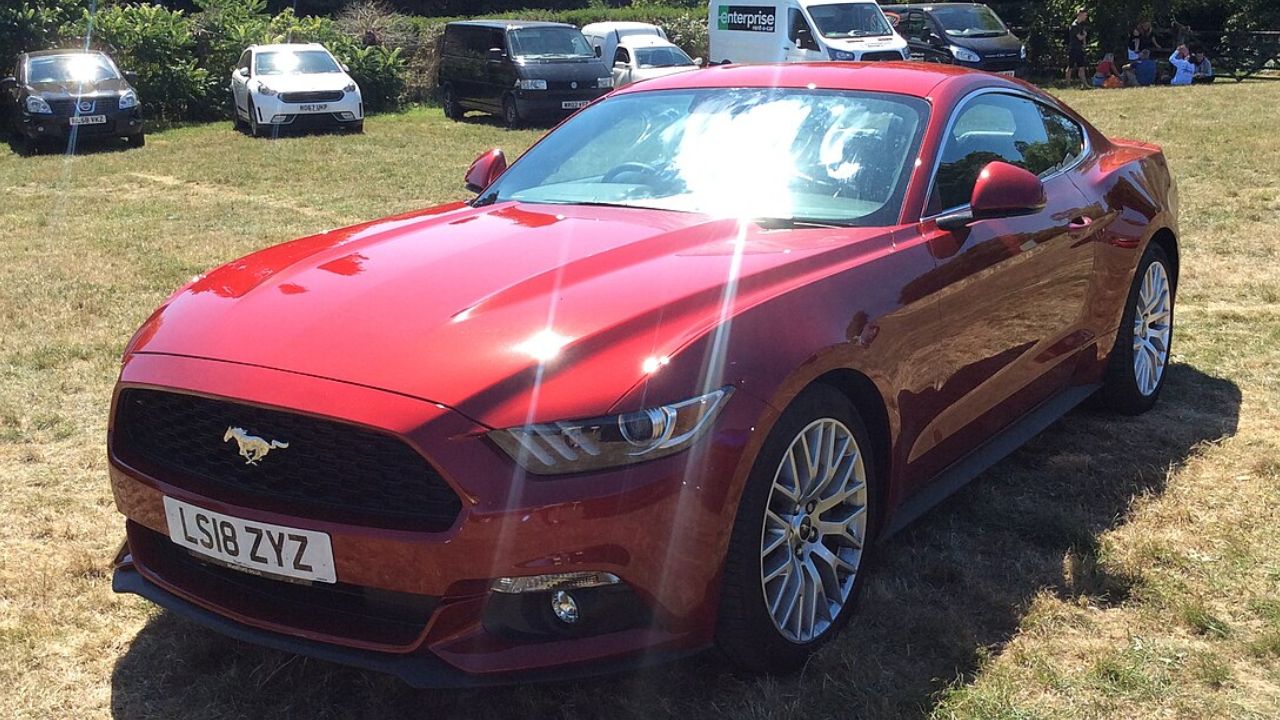
One turbocharged four-cylinder engine that has captured the attention of enthusiasts is the 2.3-liter EcoBoost engine found in the Ford Mustang. This powerhouse delivers an impressive 310 horsepower and 350 lb-ft of torque, allowing it to achieve a 0-60 mph time of just 5.1 seconds. Such performance metrics challenge the dominance of traditional V8 offerings, suggesting that smaller engines can indeed hold their own on the racetrack.
Real-world testing results further showcase the capabilities of turbocharged four-cylinders. For instance, a recent comparison demonstrated that the Mustang’s EcoBoost engine not only outperformed its V8 counterpart in certain acceleration tests but also delivered better fuel economy. This kind of performance is a game-changer for those who may have been skeptical about the viability of four-cylinder engines in the muscle car segment.
Moreover, the tuning potential of turbocharged engines is another attractive feature. Many aftermarket companies now specialize in performance upgrades for turbocharged models, allowing enthusiasts to extract even more power from their engines. This adaptability is appealing to those looking to personalize their vehicles while enjoying the benefits of modern engineering.
Comparative Analysis: Four-Cylinders vs. V8s
Comparisons between turbocharged four-cylinders and traditional V8s have become a hot topic in the automotive community. Various drag race results have revealed that turbocharged engines can compete fiercely against their larger counterparts. Notably, a recent event highlighted how the Ford Mustang EcoBoost managed to outperform a Chevrolet Camaro SS in a head-to-head drag race, underscoring the growing prowess of four-cylinder engines in high-performance scenarios. For more details on this, you can read about the drag race results that surprised many.
Insights from automotive experts reveal several advantages of turbocharged engines, including lighter weight and better fuel economy. The weight-to-power ratio is a critical factor in performance; a lighter engine can often deliver quicker acceleration and improved handling characteristics. In a world where every ounce matters on the racetrack, the turbocharged four-cylinder often comes out ahead, particularly in competitive scenarios where agility is as important as raw power.
However, it’s important to acknowledge the limitations of turbocharged engines. For instance, while they excel in acceleration and fuel efficiency, they may not provide the same visceral experience that many enthusiasts crave from a V8 engine. The distinctive growl of a high-displacement V8 is challenging to replicate, leading some purists to remain loyal to traditional muscle cars despite the performance advantages of turbocharged models.
Cultural Impact: Shifting Perceptions in the Muscle Car Community
The introduction of turbocharged four-cylinders has significantly influenced muscle car culture, prompting a reevaluation of what constitutes a true muscle car. As enthusiasts witness the capabilities of these smaller engines, many are beginning to embrace the notion that muscle cars can be both powerful and efficient. Social media platforms, particularly Facebook groups and automotive forums, have become hotspots for discussions about this evolving landscape, with members sharing their experiences and opinions on the latest models.
Testimonials from car enthusiasts and industry professionals illustrate this cultural shift. One member of a popular Facebook group remarked, “I was skeptical about turbocharged engines, but after driving the Mustang EcoBoost, I’m sold! It’s quick, responsive, and surprisingly fun.” This sentiment is echoed across various platforms, where the turbocharged four-cylinder is increasingly seen as a legitimate contender in the muscle car arena.
The role of social media in shaping these perceptions cannot be overstated. Online communities allow enthusiasts to share their stories, experiences, and performance upgrades, fostering a sense of camaraderie among those who appreciate the evolution of muscle cars. As more people share their positive experiences with turbocharged engines, the stigma surrounding smaller displacement engines is gradually fading.
Case Studies: Models That Are Leading the Charge
Several notable models featuring turbocharged four-cylinder engines are making waves in the muscle car market. The Ford Mustang EcoBoost, for instance, has garnered significant attention for its combination of performance and efficiency. With its turbocharged 2.3-liter engine, it offers a thrilling driving experience while remaining accessible to a wider audience.
Similarly, the Chevrolet Camaro 2.0 Turbo has carved out its niche, offering 275 horsepower and a 0-60 mph time of around 5.4 seconds. User reviews often praise its handling and agility, further solidifying the case for turbocharged models in the muscle car segment. As manufacturers continue to innovate, it’s likely we’ll see even more models featuring turbocharged engines, appealing to both traditionalists and newcomers alike.
Automakers are also adapting their marketing strategies to attract a broader audience. Highlighting the performance specs and fuel efficiency of turbocharged models has become a focal point in advertising campaigns. By showcasing these vehicles in dynamic driving scenarios, manufacturers hope to change perceptions and encourage enthusiasts to consider the benefits of turbocharged performance.
Technology Behind the Power: Innovations in Engine Design
The advancements in engineering that have made turbocharged four-cylinder engines so competitive are impressive. Modern turbochargers utilize advanced materials and designs, allowing for quicker spool-up times and reduced turbo lag. This means drivers can enjoy immediate throttle response without the delay that often plagued earlier turbocharged models.
As turbocharging technology continues to evolve, manufacturers are integrating performance tuning options and aftermarket enhancements that cater to enthusiasts. Many companies now offer performance chips and tuning software specifically designed for turbocharged engines, enabling drivers to unlock additional power and customize their driving experience.
Additionally, the development of variable geometry turbochargers has further minimized turbo lag, providing a smoother power delivery across a broader range of RPMs. This innovation enhances the overall driving experience, making turbocharged engines more appealing to a wider audience. As technology progresses, the potential for further improvements in turbocharged performance seems limitless.
Environmental Considerations: Eco-Friendly Performance
Turbocharged four-cylinder engines also represent a step forward in terms of environmental sustainability. These engines typically produce lower emissions compared to their larger V8 counterparts, making them a more eco-friendly choice for performance enthusiasts. The shift towards turbocharging is not just about performance; it reflects a growing awareness of environmental considerations in the automotive industry.
The balance of performance and sustainability is increasingly important to consumers. Many car buyers are looking for vehicles that align with their values, seeking out options that deliver both excitement and reduced environmental impact. Turbocharged engines fit this bill, allowing drivers to enjoy the thrill of a muscle car without compromising on their commitment to sustainability.
Consumer perceptions of environmentally friendly vehicles are also evolving. As more people recognize that performance and eco-friendliness can coexist, the appeal of turbocharged four-cylinder muscle cars continues to grow. This transformation in consumer attitudes is reshaping the market, encouraging manufacturers to prioritize sustainable performance solutions.
The Future of Muscle Cars: Where Do We Go From Here?
The future of muscle cars appears bright, with turbocharged engines poised to play a significant role in shaping the landscape. As automakers invest in research and development, we can expect to see even more powerful and efficient turbocharged models hitting the market. The potential for hybrid and electric muscle cars also adds an exciting dimension to the future of performance vehicles.
Electric vehicles (EVs) are already making their mark in the automotive industry, raising questions about how they will impact traditional muscle car dynamics. While some enthusiasts may be hesitant to embrace the electric revolution, advancements in EV technology promise to deliver exhilarating performance that could rival even the most powerful V8s. The integration of electric motors could provide instant torque and acceleration, creating a new breed of high-performance muscle cars.
Expert opinions suggest that the muscle car community will continue to evolve, with turbocharged and electric technologies coexisting alongside traditional V8s. As manufacturers adapt to changing consumer preferences and environmental regulations, enthusiasts can expect a diverse range of options that cater to various tastes and performance needs.
Final Thoughts: Embracing Change in the Muscle Car Legacy
The journey of turbocharged four-cylinders in the muscle car realm has been nothing short of remarkable. As these engines carve out their place in automotive history, it’s essential for enthusiasts to reconsider preconceptions about performance and what it means to be a muscle car. Embracing this new wave of performance vehicles opens up exciting possibilities for the future.
Encouragingly, the muscle car legacy is not being erased but rather redefined. As turbocharged four-cylinder engines gain traction, they represent a fusion of modern technology and traditional performance values. For those who love cars, the evolution of muscle cars is not just a change; it’s an opportunity to explore new horizons of speed, efficiency, and innovation.
More from Fast Lane Only
- Unboxing the WWII Jeep in a Crate
- 15 rare Chevys collectors are quietly buying
- 10 underrated V8s still worth hunting down
- Police notice this before you even roll window down
*Research for this article included AI assistance, with all final content reviewed by human editors.