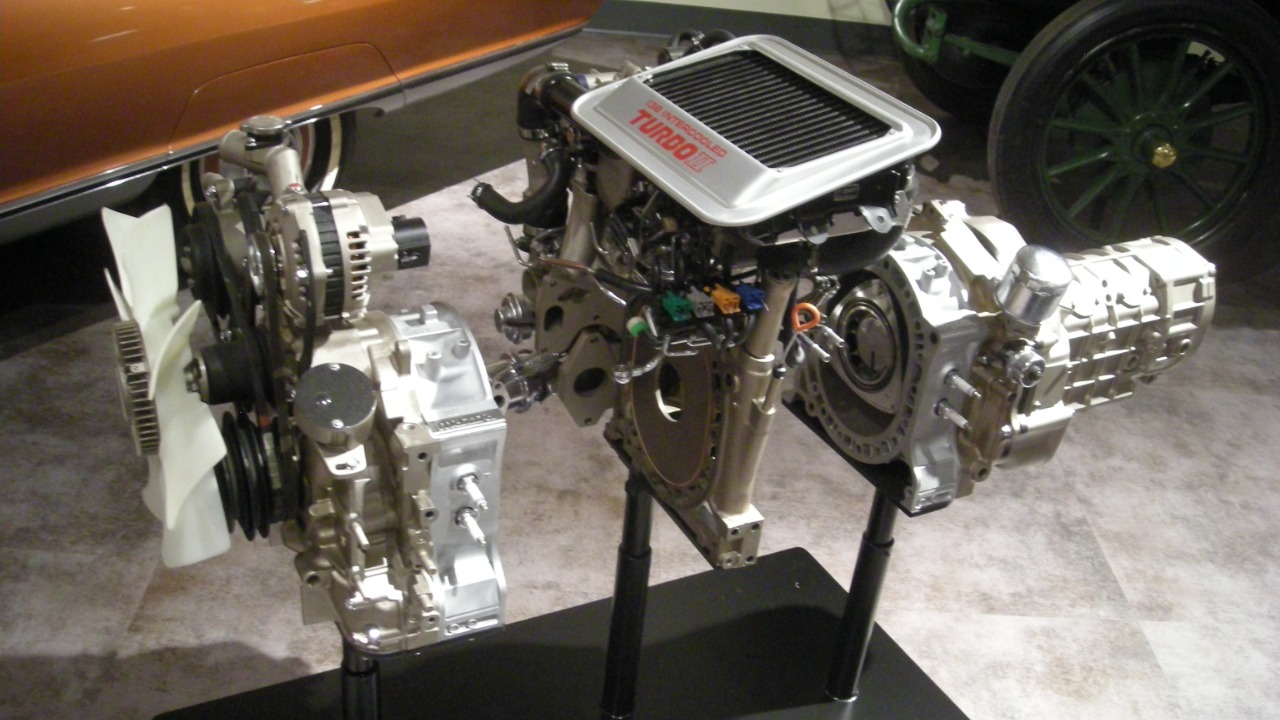
The history of automotive engineering is a graveyard of radical ideas, where many promising technologies have fallen by the wayside. Among these, one mesmerizing, pistonless layout once looked like it would completely replace conventional engines: the Wankel Rotary engine. Developed in the mid-20th century, this innovative design inspired dreams of a more efficient, powerful automotive future that ultimately never materialized in the mainstream market.
The Genius Behind the Rotor: The Rise of the Wankel
Developed by German engineer Felix Wankel in the 1950s, the Wankel Rotary engine promised a revolutionary departure from traditional piston designs. The core engineering concept was both simple and elegant: instead of employing pistons that move up and down in a reciprocating motion, the Wankel engine utilizes a triangular rotor that spins smoothly within an epitrochoidal housing. This unique configuration allows for a continuous cycle of intake, compression, combustion, and exhaust, eliminating the need for many components found in standard internal combustion engines.
What made the Wankel Rotary engine so alluring were its initial benefits. The design offered an unmatched power-to-weight ratio, making it considerably lighter than contemporary piston engines. Its ultra-compact size allowed for greater flexibility in vehicle design, freeing up space for other components or reducing overall weight. Additionally, the engine’s smooth revving characteristics and ability to reach high RPMs with minimal vibration captured the attention of automakers who were eager to explore its potential. With significantly fewer moving parts than traditional piston engines, the Wankel rotary promised lower manufacturing costs and greater reliability.
The Peak of the Revolution: Mazda’s Bold Gamble
As the primary champion of the Wankel Rotary engine, Mazda recognized the potential of this innovative technology and licensed it for their own applications. They meticulously refined the engine, ultimately unleashing a series of iconic sports cars that captured the hearts of enthusiasts around the world. The Mazda RX-7, introduced in 1978, became a defining model for the brand, showcasing the advantages of the rotary design with its lightweight chassis and nimble handling.
One of the most significant milestones in the rotary’s history came in 1991 when Mazda achieved a legendary victory at the 24 Hours of Le Mans with the quad-rotor Mazda 787B. This victory was a testament to the rotary engine’s performance capabilities, proving that it was not just a gimmick but a serious contender on the racetrack. Other automotive giants, such as NSU, Citroën, and General Motors, also experimented with rotary concepts in the 1970s, driven by a shared belief that this layout was the future of automotive design.
The Inherent Flaws: Why the Future Slipped Away
Despite its initial promise, the Wankel Rotary engine faced brutal engineering challenges that ultimately led to its decline in mainstream automotive applications. Three primary technical limitations significantly hindered its widespread adoption:
- Apex Seal Wear: The apex seals, located at the tips of the triangular rotor, constantly wore down against the housing, leading to loss of compression and oil leaks. This wear and tear necessitated frequent maintenance, which was a deterrent for consumers who preferred the reliability of traditional piston engines.
- Thermal Efficiency & Fuel Economy: The unique shape of the combustion chamber resulted in poor thermal efficiency and high oil consumption by design. As a result, many drivers found that rotary engines did not deliver the fuel economy they expected, especially in an era increasingly focused on efficiency.
- The Emissions Death Sentence: Rotary engines naturally burned a small amount of oil to lubricate the seals, resulting in high emissions of unburnt hydrocarbons. As environmental regulations tightened in the late 20th and early 21st centuries, the rotary’s inability to meet these standards became a major obstacle for manufacturers looking to sell vehicles equipped with this engine.
These challenges culminated in the gradual decline of the Wankel engine’s presence in the market, as automakers shifted focus towards more conventional designs that could meet consumer expectations for reliability, efficiency, and environmental compliance.
Rebirth in the Eco-Era: Lessons Learned
Although the rotary engine may have faded from the limelight, its legacy continues to evolve in the modern automotive landscape. Manufacturers are now revisiting the core principles of rotary design, seeking ways to harness its unique characteristics in new applications. Mazda, for instance, has begun to explore the use of the rotary engine as a compact range-extender generator for plug-in hybrid electric vehicles (PHEVs), such as the MX-30 R-EV. This innovative approach leverages the rotary’s small footprint and lightweight design while addressing many of its historical shortcomings.
The rotary engine’s revival as a range extender exemplifies how radical engineering innovations never truly die; they simply wait for the right technological era to find their true purpose. Automotive engineers and designers can learn valuable lessons from the Wankel engine’s journey, emphasizing the importance of adaptability and innovation in an ever-changing landscape.
As we move towards a future increasingly defined by sustainability and efficiency, the ideas behind the Wankel Rotary engine may find new life in the development of hybrid and electric vehicles. By integrating unconventional designs with modern technology, we may yet see a renaissance of the spirit that once inspired the Wankel engine, proving that sometimes the future is just waiting for its moment to shine.