The automotive industry has seen countless innovations over the years, but some of the most significant advancements stem from prototypes that never made it to mass production. Among these prototypes lies a remarkable example that not only influenced the designs of cars we still drive today but also reshaped our perceptions of functionality and style in the automotive world.
The Prototype: A Brief Overview
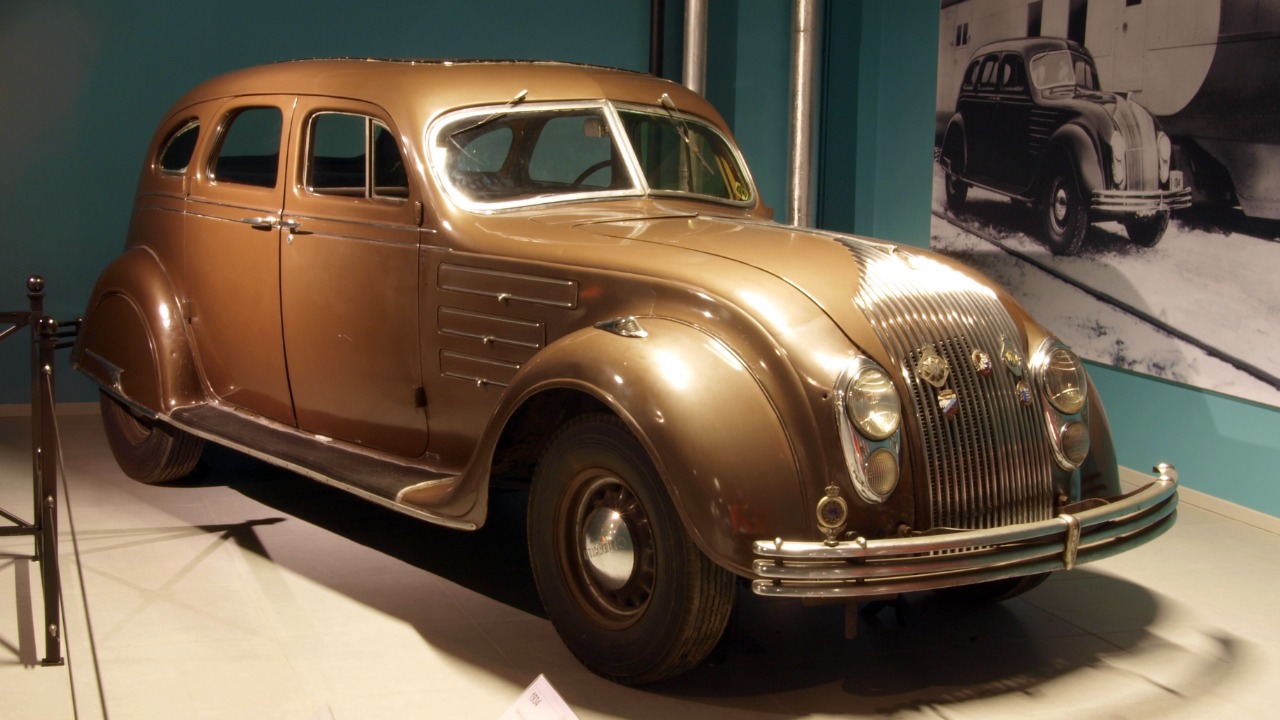
One such prototype is the Chrysler Airflow, introduced in the early 1930s. This model was groundbreaking for its time, featuring a streamlined design that emphasized aerodynamics and efficiency. The Airflow boasted a unique shape, with a low-slung body and a smooth, flowing silhouette that set it apart from the boxy cars of the era. Its interior was equally innovative, offering a spacious cabin that prioritized passenger comfort, along with advanced features like a radio and a heating system—a rarity at that time.
The Chrysler Airflow was developed during a period marked by the Great Depression, a time when the automotive industry was struggling to maintain consumer interest. Designed in 1934 by the talented engineer Carl Breer and his team, the Airflow was intended to target a more affluent market, showcasing Chrysler’s commitment to innovation and luxury. Unfortunately, despite its forward-thinking design, the Airflow did not resonate with consumers as expected, leading to its discontinuation in 1937.
Key Innovations Introduced
The Chrysler Airflow was revolutionary in several respects. Its aerodynamic form was a significant departure from the traditional, angular designs of the time, paving the way for future vehicles that would prioritize fuel efficiency and speed. The prototype introduced a unibody construction, which integrated the body and chassis into a single structure, enhancing both strength and weight distribution. This concept would later be adopted by numerous manufacturers, leading to improved safety and performance in modern vehicles.
Furthermore, the Airflow featured an innovative suspension system, which provided a smoother ride by reducing body roll and improving handling. These design elements can be seen echoed in contemporary cars such as the 2021 Tesla Model S, which combines aerodynamic efficiency with an advanced suspension system to deliver an unparalleled driving experience. Other examples include the 2023 Ford Mustang and the Mazda3, both of which incorporate lessons learned from early prototypes like the Airflow.
Challenges and Limitations
Despite its innovative features, the Chrysler Airflow faced numerous challenges that ultimately led to its decline. One of the main reasons for its failure in the market was the economic climate of the 1930s. Consumers were wary of spending money on luxury items during the Great Depression, and the high price point of the Airflow did not align with the budget constraints of the average buyer. Additionally, the car’s futuristic design was met with skepticism by potential customers who were more accustomed to traditional aesthetics.
Furthermore, the Airflow competed against established models that had already captured consumer loyalty. Brands like Ford and Chevrolet offered more affordable options with established reputations, making it difficult for Chrysler to gain traction with a prototype that was perceived as too avant-garde. This situation highlights the importance of market timing and consumer sentiment, factors that continue to influence automotive design and production today.
Legacy and Influence on Modern Vehicles
Although the Chrysler Airflow did not achieve commercial success, its legacy endures in various aspects of modern automotive design. The principles of aerodynamics and unibody construction that it championed are now standard in the industry, significantly impacting how vehicles are engineered. Manufacturers such as Honda and Toyota have adopted these concepts in models like the Honda Accord and Toyota Camry, which emphasize both efficiency and safety while maintaining a sleek appearance.
The cultural impact of the Airflow also extends beyond mere design elements. It challenged the conventions of automotive styling, encouraging future generations of designers to think outside the box. For instance, the iconic BMW i4 takes cues from early prototypes by blending aerodynamics with electric vehicle technology, showcasing how past innovations can inform the evolution of modern vehicles.
Lessons Learned from the Prototype’s Journey
The journey of the Chrysler Airflow offers valuable insights into the design and development process of automotive prototypes. One key takeaway is the delicate balance between innovation and market viability. While pushing the boundaries of design is essential for progress, it is equally important to consider consumer preferences and market conditions. The Airflow’s experience serves as a reminder that even the most innovative ideas can falter if they do not align with the expectations of the target audience.
Moreover, the Airflow underscores the significance of iterative design. Prototypes are not merely one-off creations; they represent a process of refinement and adaptation. Future automotive innovations can benefit from the lessons learned during the Airflow’s development, particularly in understanding how to integrate consumer feedback into design iterations. By embracing this approach, manufacturers can create vehicles that resonate more deeply with their audiences, ultimately leading to greater success.
Future Implications: What Lies Ahead
As we look to the future of automotive design, the features and principles introduced by the Chrysler Airflow continue to hold relevance. Emerging technologies such as electric and autonomous vehicles are set to evolve the automotive landscape further. The aerodynamic principles that the Airflow championed are becoming increasingly important as manufacturers strive to enhance energy efficiency in electric vehicles. For instance, the streamlined design of the upcoming Ford F-150 Lightning reflects the ongoing influence of aerodynamic considerations.
The integration of advanced technologies, including artificial intelligence and connectivity, will also shape the future of automotive design. As vehicles become smarter and more autonomous, the need for efficient and functional designs will grow. Lessons from the Airflow’s journey will guide designers in creating vehicles that not only meet the needs of modern drivers but also push the envelope of technology and innovation.
In summary, the Chrysler Airflow may not have succeeded in its time, but its impact on the automotive industry is undeniable. By examining its story, we can glean insights that will shape the future of car design, ensuring that the lessons of the past are not forgotten as we move toward a new era of automotive innovation.
More from Fast Lane Only
- Unboxing the WWII Jeep in a Crate
- 15 rare Chevys collectors are quietly buying
- 10 underrated V8s still worth hunting down
- Police notice this before you even roll window down
*Research for this article included AI assistance, with all final content reviewed by human editors.