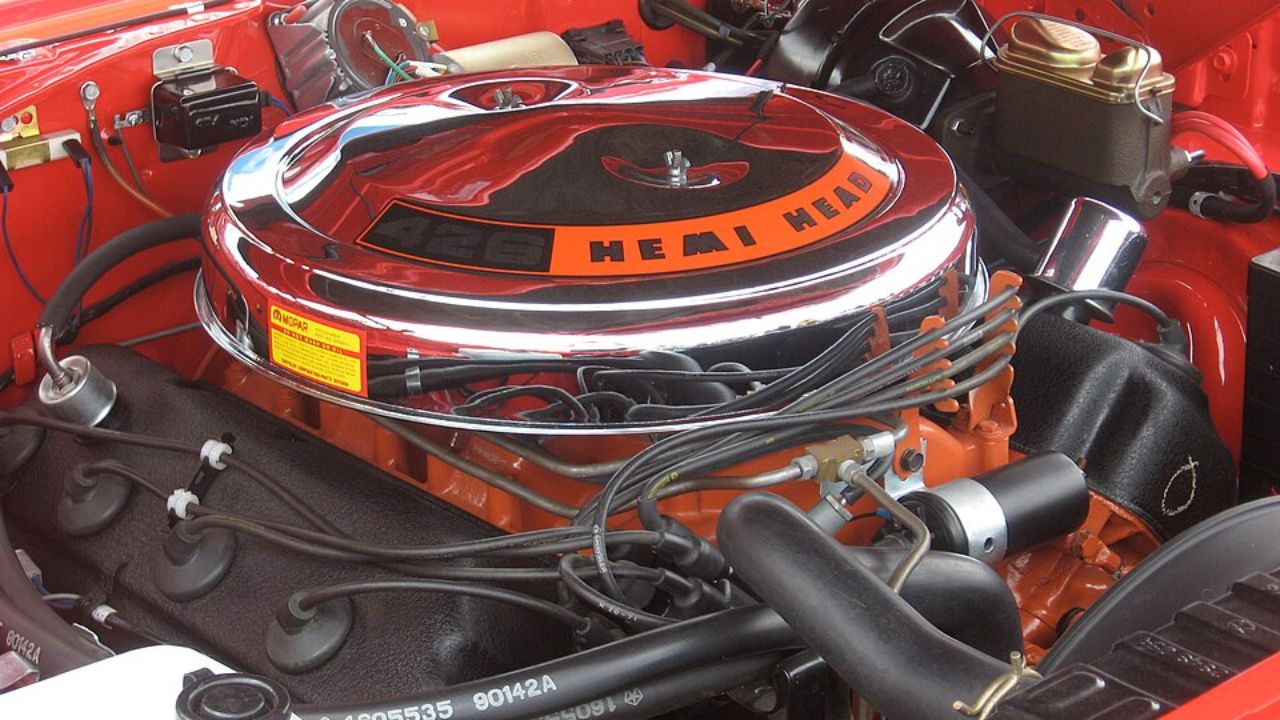
Some engines feel like a quick fling: exciting for a while, then suddenly expensive. But every so often, a vintage V8 shows up that just refuses to quit, the kind that keeps pulling hard even after its peers have started wheezing, smoking, or turning into driveway decorations. It’s not magic—though it can feel that way when a decades-old motor still starts on the first twist and settles into that steady, confident rumble.
This is the story of a V8 that kept delivering power long after others wore out, and why it wasn’t just luck. It came down to smart design, forgiving hardware, and a maintenance style that favored common sense over drama. If you’ve ever wondered why one old engine becomes a legend while another becomes a lesson, it usually starts here.
A V8 that didn’t mind getting older
Plenty of classic V8s made big promises when they were new. High horsepower numbers, bold advertising, and that unmistakable soundtrack. The difference with this one was how it aged: it didn’t demand perfection to keep performing, and it didn’t punish owners for normal wear the way some finicky designs do.
Instead of feeling “tired” at 80,000 miles—soft throttle response, low oil pressure, mystery noises—this engine kept its manners. It still made useful torque where people actually drive, not just where a brochure says the fun begins. And when it did wear, it tended to wear slowly, giving plenty of warning rather than catastrophes.
The design choices that quietly did the heavy lifting
Longevity usually comes from boring decisions that end up being brilliant. A stout bottom end, sensible compression, and a valvetrain that doesn’t treat every cold start like a punishment. This V8 benefited from sturdy castings, conservative engineering margins, and a layout that didn’t overcomplicate the basics.
It also helped that the engine wasn’t trying to be everything at once. Instead of chasing extreme output per cubic inch, it leaned into the classic V8 recipe: displacement, breathing that’s “good enough,” and torque for days. The result was an engine that could make real power without constantly living at the edge of its own tolerances.
Why it kept making power when others faded
Power doesn’t just disappear overnight. It leaks away through worn rings, tired valve seals, sloppy timing chains, carbon buildup, and fueling that drifts out of spec. Many older V8s start losing their spark because small issues stack up—each one manageable, but together they dull the engine’s personality.
This one held on longer because it stayed mechanically “tight” in the places that matter. Good cylinder sealing kept compression healthy, and stable valve timing helped it breathe like it should. Even when it wasn’t perfect, it remained strong enough that a tune-up actually felt like a tune-up, not a desperate attempt to revive a ghost.
The unsung hero: cooling and oiling that didn’t play games
If you want an engine to live, keep it cool and keep it lubricated. That sounds obvious, but plenty of vintage V8s have weak links: marginal cooling at low speeds, oiling systems that don’t love sustained revs, or passages that sludge up if oil changes get “creative.” Once heat and oil starvation show up, the clock starts ticking loudly.
This V8’s cooling and oiling were the kind you could trust on a hot day in traffic. It didn’t require a nervous eye on the temperature gauge every time the road slowed down. And it didn’t need exotic oil or ritual sacrifices—just consistent changes and filters that weren’t bought from the bargain bin of regret.
Maintenance that looked ordinary, but wasn’t
Here’s the funny part: the longest-lasting engines often belong to people who aren’t trying to “hack” maintenance. They change fluids on time, fix small leaks before they become big leaks, and don’t ignore odd sounds just because the radio can drown them out. It’s not glamorous, but it works.
This V8 benefited from that kind of steady care. Ignition parts got replaced before misfires became a personality trait. Belts, hoses, and cooling components didn’t wait for a roadside breakdown to earn attention, and carburetion or fuel delivery stayed close to where it should be instead of slowly wandering off into chaos.
It wasn’t babied—it was used the right way
There’s a myth that old engines last because they’re never driven. In reality, long periods of sitting can be rough: seals dry out, fuel turns stale, and rust starts making quiet plans. A lot of classic V8s die more from inactivity and neglected systems than from honest miles.
This one kept going because it saw regular use. Not constant abuse, not endless redline antics—just frequent, normal driving that kept everything exercised and flowing. Heat cycles happened, oil circulated, and problems showed themselves early, when they were still solvable with a weekend and a parts run.
What drivers noticed behind the wheel
The best compliment an old V8 can get is that it still feels eager. Throttle response stays crisp, and it doesn’t need a running start to merge or climb a grade. When an engine keeps its torque, a car feels lighter than it really is, and that’s the sort of thing that makes people swear it must’ve been “built different.”
Drivers also noticed how consistent it was. No dramatic mood swings between cold and hot, no strange dips in power halfway through a trip. It just did the job—start, idle, pull, cruise—like it hadn’t read the memo about aging out of relevance.
Why some other V8s didn’t make it
Many vintage V8s were great in their own ways, but they had known weak points. Some were prone to overheating when pushed, others suffered from oiling quirks or valvetrain wear that crept up fast. A few were simply tuned to within an inch of their lives, which is fun until it isn’t.
Then there’s the human factor. Missed oil changes, cheap coolant, timing that’s been “close enough” for years, and vacuum leaks treated like harmless background noise. Engines don’t judge, but they do remember, and eventually they collect on every skipped bit of care with interest.
How enthusiasts keep a survivor like this going today
Keeping a durable old V8 strong in the modern world is mostly about respecting the basics. Cooling system refreshes matter more than flashy bolt-ons, and a clean fuel system can feel like an instant upgrade. A healthy ignition setup—good plugs, wires, timing, and a stable distributor or trigger—often restores power people didn’t realize they’d lost.
Owners also tend to watch the small signals: oil pressure trends, temperature habits, and the way it behaves under load. It’s less about obsessing and more about noticing. When you catch issues early, the engine stays in that sweet spot where it feels vintage in sound and character, but modern in reliability.
A reminder that “old” doesn’t have to mean “worn out”
This vintage V8 kept delivering power long after others wore out because it had the right foundation and got the right care. It wasn’t indestructible, just well-designed and allowed to live the kind of life engines were meant to live. And honestly, there’s something satisfying about that—proof that durability isn’t always about fancy tech.
Sometimes it’s about a solid block, sensible engineering, and an owner who treats maintenance like a habit instead of an emergency. Add a little luck, sure. But mostly, it’s a reminder that when the fundamentals are right, even an old V8 can keep pulling like it’s still got something to prove.
More from Fast Lane Only