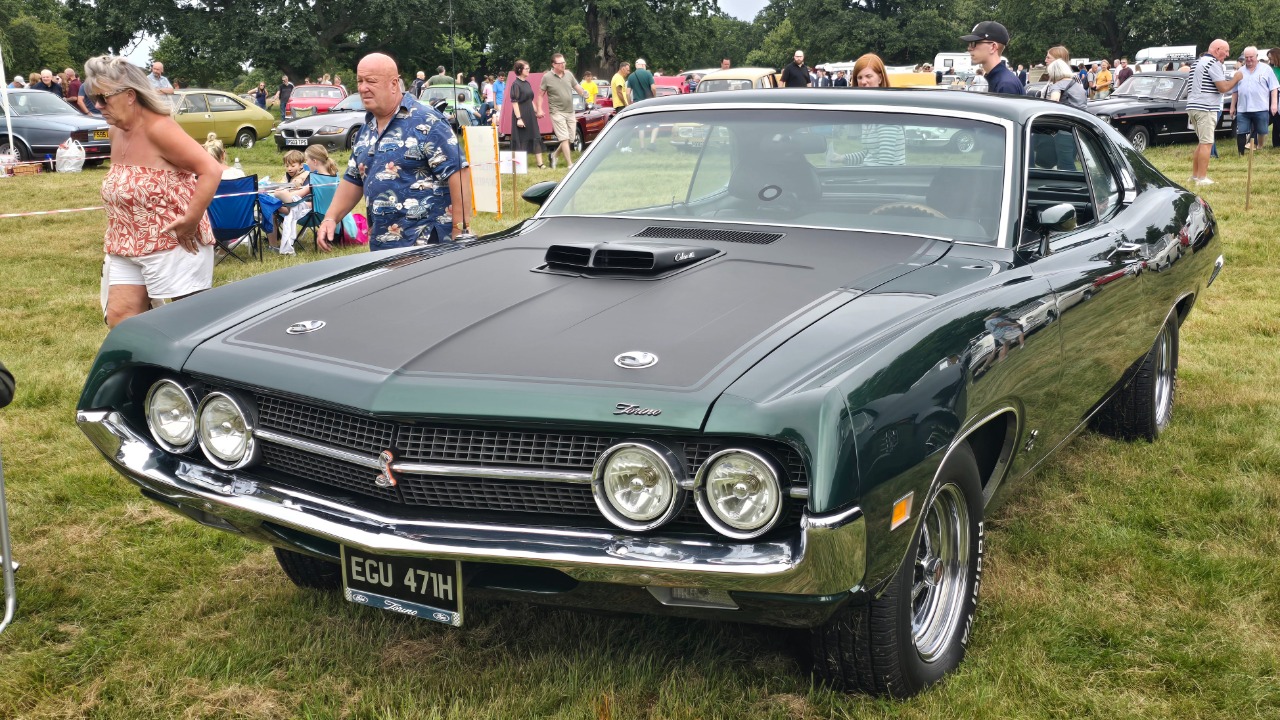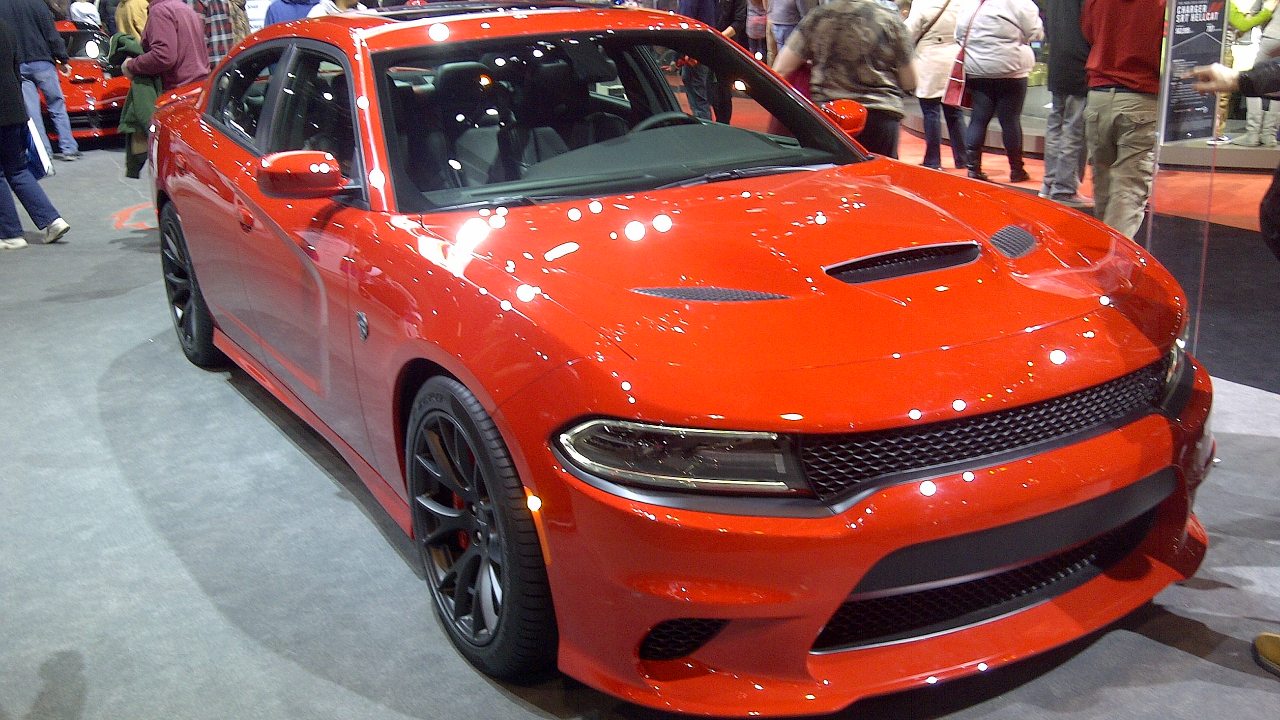
It started the way a lot of good car stories start: someone lining up at a light, expecting a little noise and drama, and then getting way more forward motion than they bargained for. The car in question looked like a classic muscle bruiser—long hood, impatient stance, exhaust that sounded like it had somewhere to be. But what caught drivers off guard wasn’t the looks or the volume. It was the way it yanked itself down the road like it had been keeping a secret.
People who’d written it off as “just another old-school V8” quickly changed their tone after one clean pull. Even drivers in newer performance cars found themselves doing that involuntary second glance, the one that says, “Wait… what was that?” The surprise wasn’t just that it was quick. It was how hard it hit, how early it hit, and how it kept pulling when you thought it would taper off.
A familiar silhouette, an unfamiliar shove
From the curb, it didn’t look like it was trying to be sneaky. Wide tires, a slightly restless idle, and a stance that suggested it didn’t spend much time being gentle on its suspension bushings. Most folks assumed it would be fast in the usual muscle-car way—big sound, decent speed, and a little bit of drama if you got greedy with the throttle.
Instead, drivers described a shove that felt more modern than expected. The kind of acceleration that doesn’t just build; it arrives. One moment you’re rolling, the next your shoulders are introduced to the seatback like they’ve never met before.
It wasn’t just quick—it was eager
The big surprise was how immediate it felt. Some older high-horsepower cars can be a little sleepy until the revs climb, especially if they’re geared tall or tuned for highway cruising. This one didn’t wait around. It jumped forward with the sort of urgency that makes you check whether you accidentally put it in a sport mode that doesn’t exist.
That eagerness matters because it changes how the car feels in real life. You don’t need a perfect launch, a prepped surface, or a long runway to feel it. Even rolling into the throttle at everyday speeds, it pulled like it had somewhere to be and you were already late.
The torque story: why it felt like a punch
When people say a car “pulls hard,” they’re usually talking about torque delivery—how much twist hits the drivetrain, and how quickly it shows up. This muscle car’s magic trick was serving the good stuff early, so the acceleration felt instant instead of theatrical. It didn’t need to scream to feel fast, which is a very particular kind of confidence.
That’s also why it surprised drivers who expected a more old-school experience. Many modern turbo cars hit hard, but they often do it with a ramp-up, a swell, and then a taper. This one felt more like a steady, muscular push that just kept leaning on you.
Gearing and traction made it feel faster than the numbers
Acceleration isn’t only about horsepower—though it definitely helps. Gearing plays a huge role in the “snap” you feel, and a well-chosen set of ratios can make a car feel like it’s always in the sweet spot. This muscle car’s pull felt relentless partly because the drivetrain kept the engine right where it wanted to be.
Then there’s traction, which is basically the difference between a great story and a cloud of tire smoke. Drivers noted that it hooked up better than expected, especially once rolling. When a powerful car actually puts its power down instead of turning it into noise, it suddenly feels like it gained an extra 100 horsepower for free.
It behaved better than the stereotypes
A lot of people expect older or old-school muscle cars to feel loose, floaty, or a little chaotic when you push them. Some of that reputation is earned—big power plus dated suspension design can get spicy fast. But this one didn’t feel like it was trying to swap lanes on its own.
It tracked straighter than expected under hard acceleration, and that boosted confidence. The faster a car feels, the more you notice whether it’s stable, and drivers kept coming back to how planted it felt. In other words, it didn’t just pull hard; it pulled clean.
The sound was familiar, but the speed wasn’t
One funny detail drivers mentioned was the mismatch between what their ears expected and what their bodies felt. That classic V8 soundtrack tells your brain, “Okay, this is going to be loud and fun.” But the rate at which the scenery started moving told a different story, one that sounded like nostalgia and felt like a wake-up call.
It’s the kind of experience that makes passengers do that laugh that’s half joy and half disbelief. You know the one: the “I did not realize it was going to do that” laugh. It’s not fear exactly. It’s just physics arriving earlier than scheduled.
Why it caught other drivers off guard on the street
On public roads, surprises usually come from mismatched expectations. If something looks like a weekend cruiser, people don’t brace for it to surge forward like a modern performance machine. That’s what made this muscle car such a conversation starter—it didn’t advertise the full story unless you knew what to look for.
Drivers in newer cars often assume they’ve got the advantage because technology has moved so far—better traction control, faster shifting, more refined power delivery. And a lot of the time, they’re right. But when an older-looking muscle car delivers a hard, clean pull, it flips the script in a way that’s both hilarious and a little humbling.
The real takeaway: it’s the feel that people remember
Plenty of cars are fast on paper, and plenty of them are quick in a straight line. What made this one stick in people’s minds was the sensation—how immediate it felt, how it didn’t run out of breath, and how it stayed composed while doing it. That combination turns a quick car into a memorable one.
And maybe that’s why the story keeps spreading. Not because it shattered a record or dominated a track day, but because it delivered the kind of unexpected pull that makes drivers talk about it afterward. The best surprises aren’t the ones that shout. They’re the ones that simply take off—and leave you grinning in the rearview mirror.
More from Fast Lane Only