The 1970s was a transformative decade for the automotive industry, with Pontiac standing out as a brand that delivered performance and style. While some models gained legendary status, others flew under the radar despite their remarkable features. Let’s shine a light on those underrated Pontiac coupes from the ’70s that deserve recognition.
Pontiac Grand Am (1973-1975)
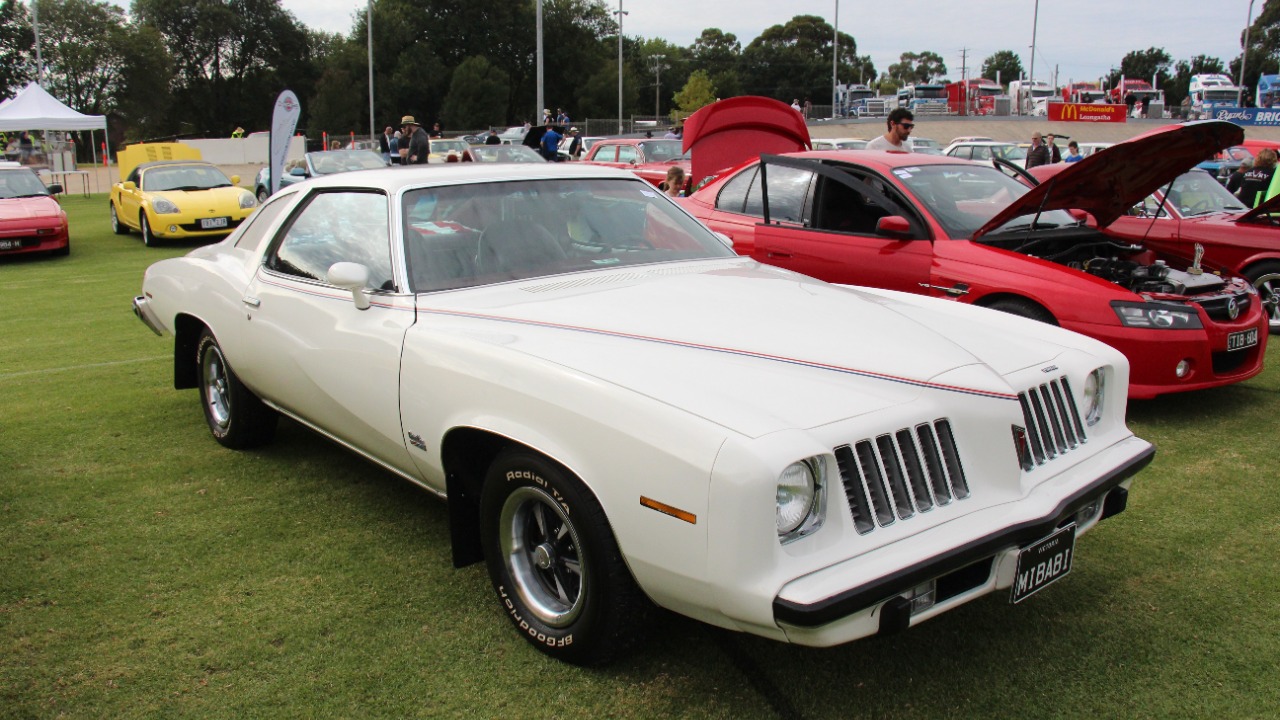
Image Credit: Sicnag – CC BY 2.0/Wiki Commons
The Pontiac Grand Am, produced between 1973 and 1975, showcased sleek design cues that set it apart from its contemporaries. It featured a distinctive front end with a slotted grille and the iconic Pontiac split, along with innovative features like radial-tuned suspension for improved handling. Inside, the Grand Am offered a luxurious interior with elements such as reclining bucket seats and wood-grain accents, elevating its appeal.
Under the hood, the Grand Am came with a variety of engine options, including the robust 6.6-liter V8 that provided impressive power and torque. Its performance was complemented by its handling capabilities, making it a potent competitor on the road. Despite these qualities, the Grand Am struggled to achieve widespread popularity, mainly due to the fuel crisis of the 1970s and shifting consumer preferences toward more fuel-efficient models.
Upon its release, the Grand Am received mixed reviews. While it was praised for its performance and design, it faced tough competition from other Pontiac models and brands. As a result, it didn’t achieve the legendary status of some of its siblings, making it an underrated gem in the classic car community today. For more insights into underrated Pontiac models, check out this in-depth analysis.
Pontiac Ventura GTO (1974)
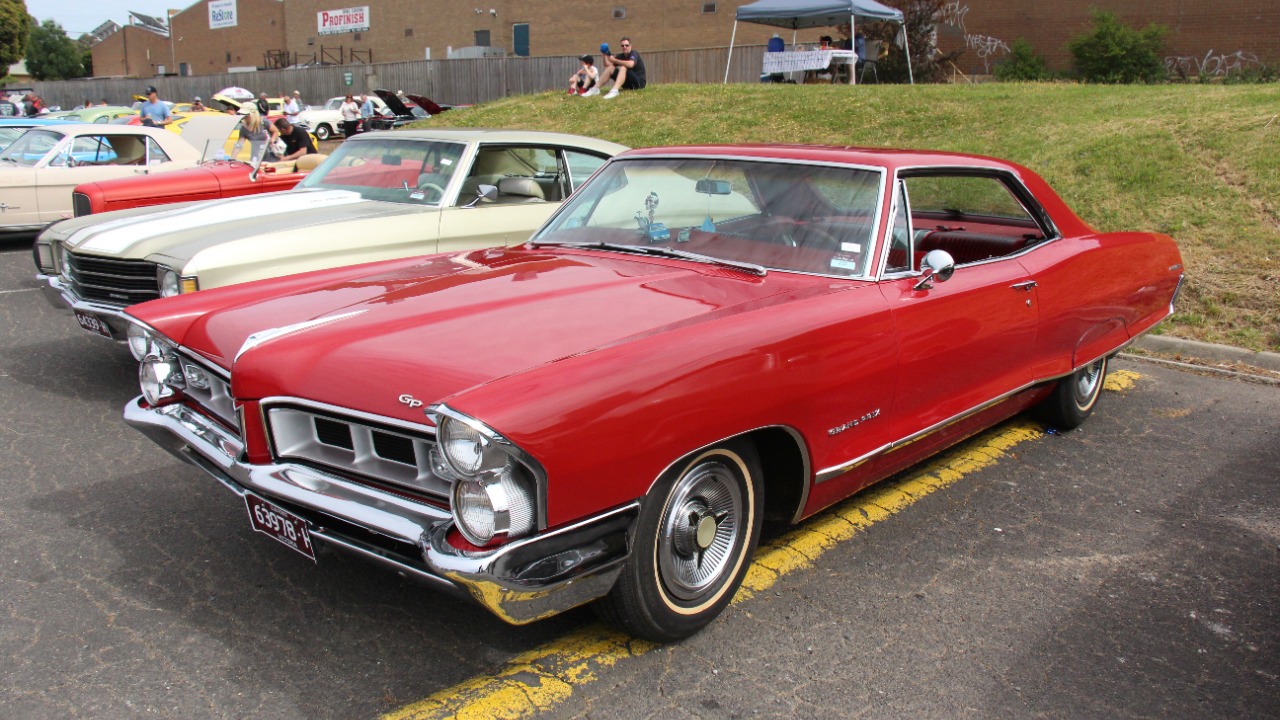
Image Credit: Sicnag – CC BY 2.0/Wiki Commons
The 1974 Pontiac Ventura GTO was a unique offering, featuring a GTO option package that significantly bolstered its performance credentials. This package included a 5.7-liter V8 engine, sport-tuned suspension, and special badging, which transformed the Ventura into a true performance machine. The GTO option package’s impact on performance was substantial, providing enthusiasts with a compact yet powerful coupe that could hold its own against larger muscle cars of the era.
Stylistically, the Ventura GTO stood out with its distinctive front fascia, bold graphics, and sporty interior. These elements combined to create a visually appealing coupe that captured the essence of Pontiac’s performance heritage. Despite its allure, the Ventura GTO was overshadowed by the more renowned GTO models from previous years, limiting its exposure in the muscle car scene.
Today, the Ventura GTO remains a hidden gem for collectors and enthusiasts. Its rarity, combined with its performance credentials, makes it a sought-after model for those looking to own a piece of underrated Pontiac history. Its legacy continues to grow as more collectors recognize its unique contribution to the brand’s storied past.
Pontiac Firebird Esprit (1970-1976)
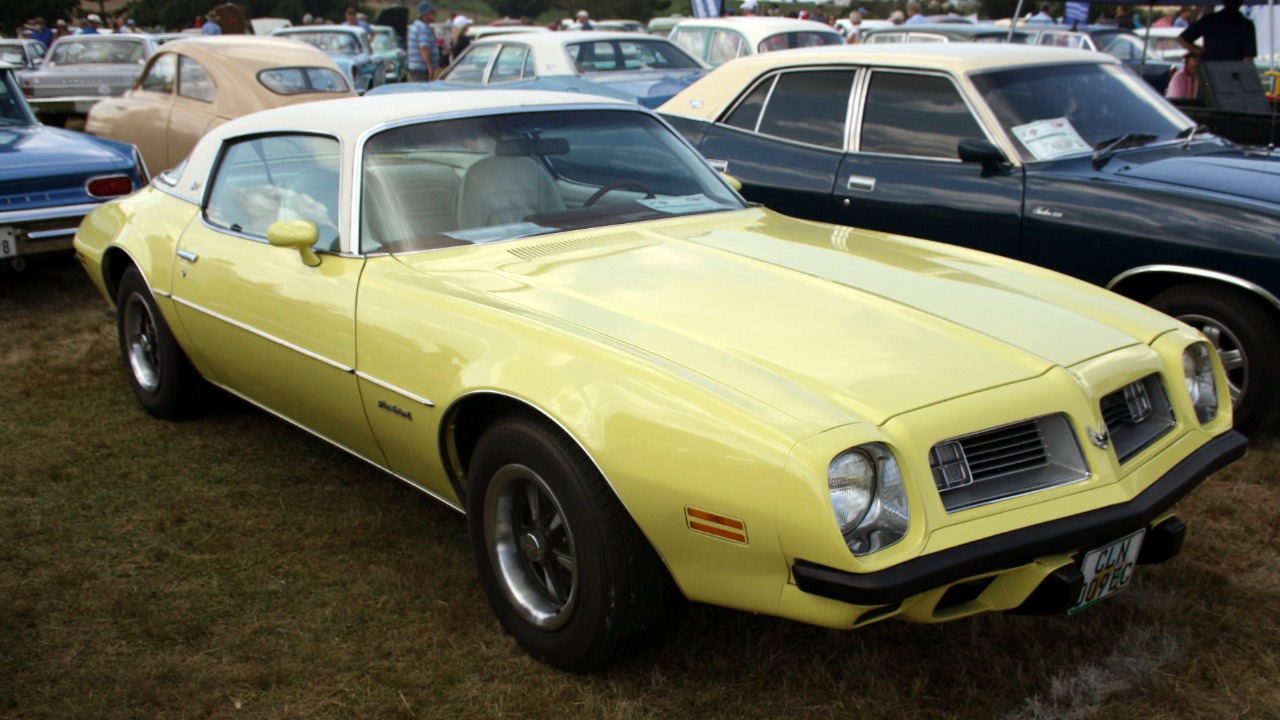
Image Credit: Bob Adams from Amanzimtoti, South Africa – CC BY-SA 2.0/Wiki Commons
The Firebird Esprit was a distinctive variant within the Firebird lineup, known for its refined features and elegance. Unlike its more aggressive siblings, the Esprit focused on luxury and comfort, offering plush interiors and a smoother ride. This model featured unique design elements such as wire wheel covers and a special color palette, which distinguished it from other Firebird models.
Under the hood, the Esprit offered a range of engine options, catering to different performance preferences. From the economical inline-six to the more powerful V8, buyers could choose an engine that best suited their driving style. The availability of these options allowed the Esprit to appeal to a broader audience, balancing performance with everyday usability.
The Firebird Esprit played a significant role in shaping the Firebird legacy. Its emphasis on luxury and comfort resonated with a segment of buyers who desired performance without sacrificing refinement. As a result, the Esprit helped cement the Firebird’s cultural impact during the 1970s, contributing to its enduring popularity among enthusiasts.
Pontiac LeMans (1973-1977)
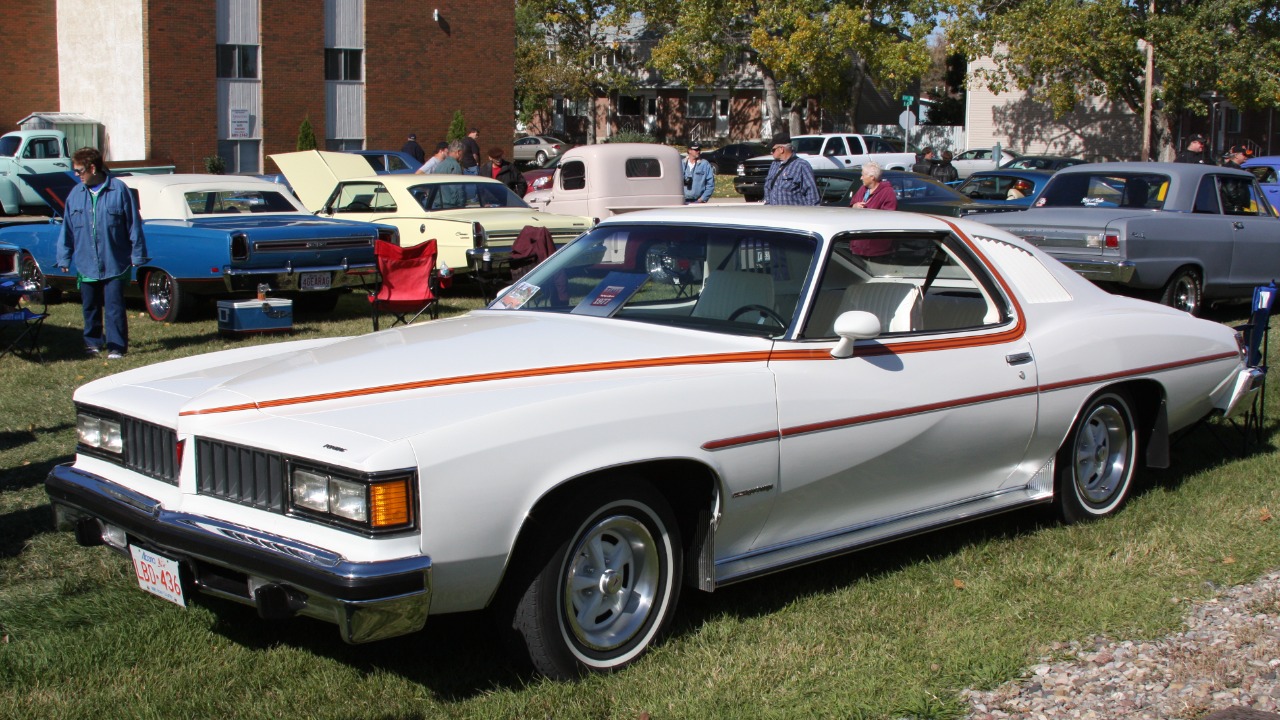
Image Credit: dave_7 from Lethbridge, Canada – CC BY 2.0/Wiki Commons
The Pontiac LeMans underwent significant evolution from 1973 to 1977, with changes in design and engineering that defined its character. The earlier models featured a more angular design, while later iterations embraced smoother lines and a more aerodynamic profile. This evolution reflected the broader industry trends of the time, as automakers sought to balance style with performance.
Performance and reliability were key selling points for the LeMans. It offered a range of engine options, from fuel-efficient inline-sixes to powerful V8s, catering to a diverse set of buyers. The LeMans was known for its dependable performance, making it a popular choice for those seeking a reliable yet stylish vehicle.
Despite its strengths, the LeMans struggled to carve out a distinct identity in Pontiac’s lineup. It was marketed as a versatile model, but this broad positioning may have diluted its impact on the brand’s image. Nevertheless, the LeMans remains a noteworthy model for its contribution to Pontiac’s history, offering a glimpse into a period of transition and adaptation within the automotive industry. For a deeper dive into underappreciated Pontiacs, explore this discussion on classic models.
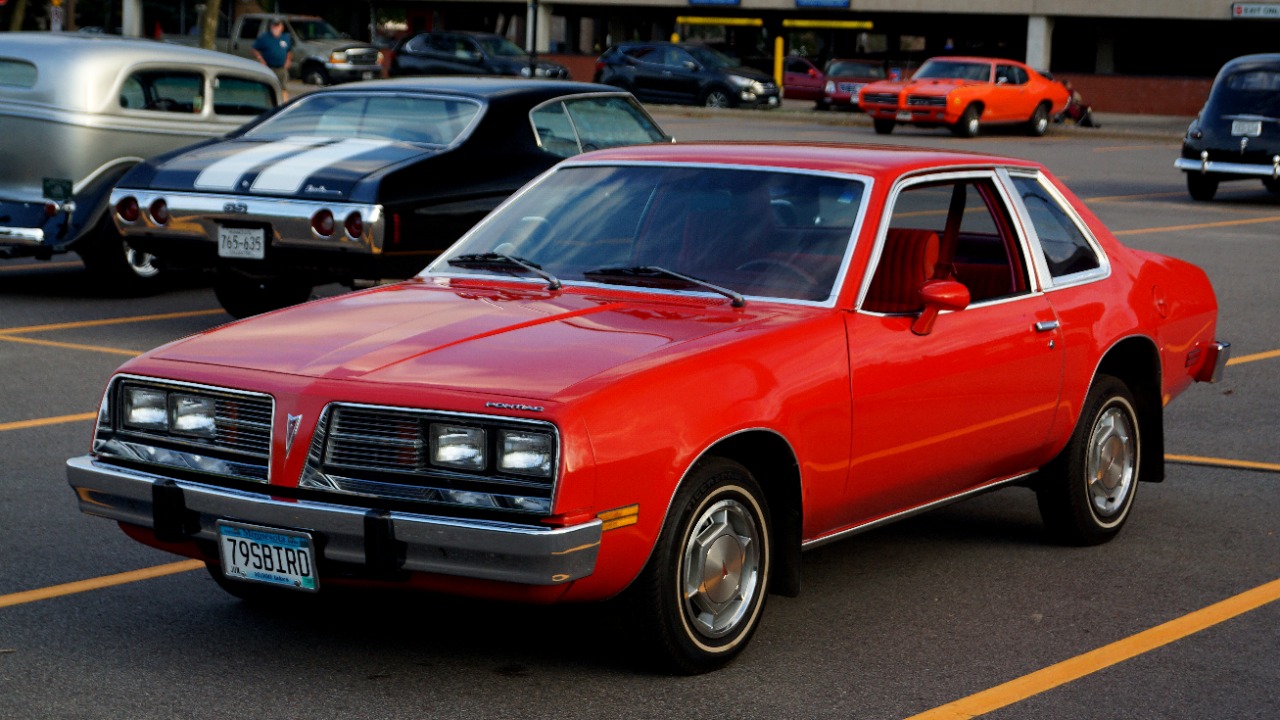
The Forgotten Pontiac Sunbird (1976-1980)
Image Credit: Greg Gjerdingen – CC BY 2.0/Wiki Commons
Introduced in 1976, the Pontiac Sunbird was designed to fill a niche within the compact coupe segment. It aimed to offer a balance of style, performance, and affordability, appealing to a younger demographic seeking a sporty yet economical vehicle. The Sunbird’s development was influenced by the energy crisis and the growing demand for smaller, more fuel-efficient cars.
Design-wise, the Sunbird featured sleek lines and a sporty silhouette, setting it apart from other compact coupes of the time. Its engineering choices, such as the use of lightweight materials and efficient engines, helped it stand out in a crowded market. The Sunbird offered a variety of engine options, including a turbocharged four-cylinder, which provided an exciting driving experience without compromising on fuel efficiency.
Despite its merits, the Sunbird was often overlooked in favor of more prominent models. However, it has maintained a lasting appeal among classic car enthusiasts who appreciate its unique place in Pontiac’s history. The Sunbird’s combination of style, performance, and affordability continues to resonate with those who seek an underrated classic for their collection.
Bobby Clark is the founder and editor of Fast Lane Only, covering performance cars, automotive news, recalls, classic vehicles, consumer automotive topics, and enthusiast culture. His work focuses on making automotive news engaging, accessible, and informative for both enthusiasts and everyday drivers.
Welcome!
Welcome to Fast Lane Only—We are an independent automotive publication covering performance cars, automotive news, recalls, classic vehicles, industry trends, and enthusiast culture.
From the rarest collector’s cars to the high-performance machines turning heads today, we bring you stories, specs, and insider looks at the rides that matter. If it’s fast, legendary, or owned by someone famous, you’ll find it here. Buckle up and stay in the fast lane!