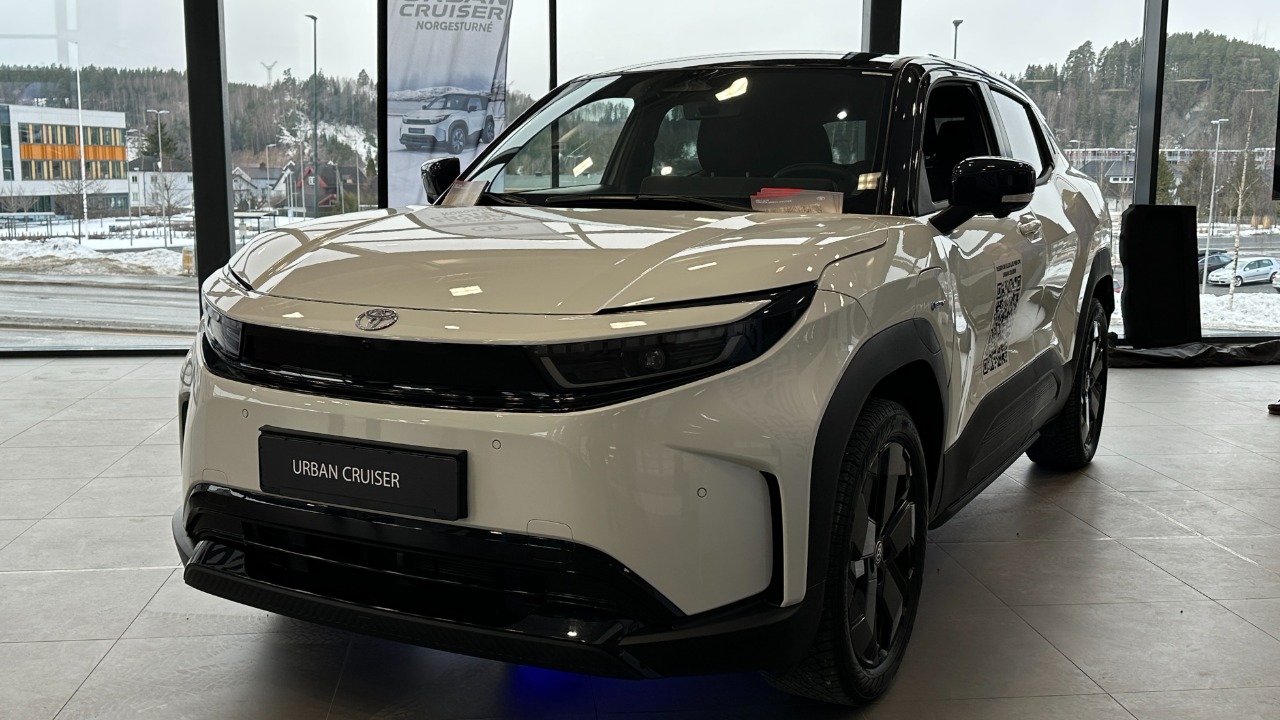
Toyota is finally stepping into India’s mass electric SUV segment with a product that is clearly tuned to price‑sensitive buyers rather than luxury early adopters. The Toyota Urban Cruiser Ebella arrives as a compact, front‑wheel‑drive SUV with practical range, familiar styling and a focus on ownership costs, positioning it squarely at families and commuters who have been waiting for an EV that feels attainable rather than aspirational.
Instead of chasing headline‑grabbing performance, the Toyota Urban Cruiser Ebella leans on battery choice, warranty cover and flexible finance to make the switch from petrol to electric feel less risky. It is Toyota Kirloskar Motor’s first electric vehicle in India, and the company is using it to test whether a value‑driven formula can unlock the next wave of EV buyers in crowded urban markets.
Pricing, launch timing and who Toyota is targeting
When I look at the way Toyota has framed the Urban Cruiser Ebella, the intent is obvious: this is meant to be a mainstream purchase, not a niche experiment. Listings for the Toyota Urban Cruiser indicate an expected starting figure of about Rs. 20.00 lakh, which plants it firmly in the same ballpark as popular compact SUVs rather than premium imports. That price band is where India’s volume game is played, and Toyota Kirloskar Motor is clearly betting that an electric SUV with this sticker can tempt buyers who might otherwise be eyeing a petrol Creta or a hybrid sedan.
The rollout cadence underlines that confidence. According to the official Toyota Urban Cruiser details, the SUV was Unveiled on 20th Jan 2026, Booking started the same day, and it Launches in Feb 2026, a tight window that keeps buzz from going stale. Toyota Kirloskar Motor describes the Urban Cruiser EV as a mid‑size SUV entering the mass‑market electric space in India, signalling that the company sees this as a volume pillar rather than a compliance car for showrooms in a few metros.
Design, platform and everyday usability
From the outside, I see Toyota playing it safe in a smart way. The Toyota Urban Cruiser Ebella uses proportions and cues that will feel instantly familiar to anyone who has lived with a compact SUV, which is deliberate. Reports on the Design note that the Urban Cruiser Ebella retains a silhouette and dimensions similar to its platform cousin, which keeps parking and city manoeuvres straightforward. The Toyota Urban Cruiser Ebella: Design is described as bringing a silhouette similar to the Vitara but with Toyota styling, so buyers get a modern face and EV‑specific touches without having to adjust to an outlandish shape.
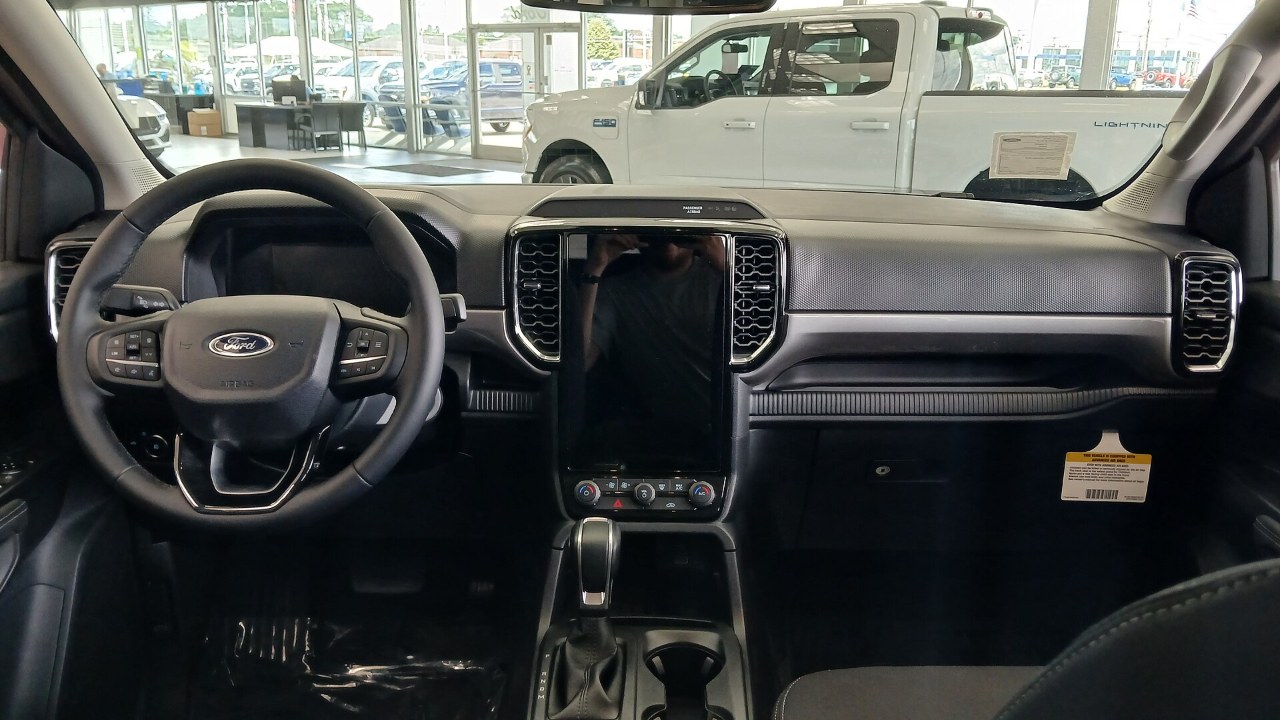
Under the skin, Toyota has leaned on existing strengths rather than reinventing the wheel. The Urban Cruiser Ebella is Built on the eVitara platform with identical hard points, as walkaround footage of the Urban Cruiser Ebella in India makes clear, which should translate into predictable ride and handling. Inside, the Toyota Urban Cruiser EBELLA Specifications describe a 5 Seater layout, and the cabin adds EV‑specific features over the Suzuki e Vitara, with clips highlighting that You also get these features inside the Ebella such as extra connected tech and convenience touches that matter in daily use.
Battery options, range and performance
For budget‑minded EV buyers, the real story sits in the spec sheet, and here Toyota has been careful to offer choice without overwhelming people with variants. The Toyota Urban Cruiser Ebella has been revealed with two battery packs, 49kWh and 61kWh, with the bigger pack aimed at longer‑distance users, as detailed in the official Toyota Urban Cruiser listing. Another breakdown of Key Specifications describes Dual battery options, 49 kWh & 61 kWh, with Range up to 543 km ARAI claimed (61 kWh variant), figures that put the Ebella squarely in the sweet spot for intercity runs without demanding a huge battery. As with the E‑Vitarra, the Urban Cruiser Ebella is available with two lithium‑iron phosphate LFP battery packs, 49 k and 61 k, which should help with durability and cost control.
On the performance side, Toyota has again chosen adequacy over excess, which is exactly what most budget EV buyers want. The electric SUV is available exclusively as an SUV with a FWD powertrain, delivering up to 106 k, 142 hp and 189 Nm of torque, according to detailed powertrain notes on the electric SUV. A separate walkaround of the 2026 Toyota Urban Cruiser EBella EV repeats those Key Specifications and confirms that Power output sits at 144bhp, which should be more than enough for highway merges and quick overtakes while keeping efficiency in check.
Ownership costs, warranties and finance hooks
Where I think Toyota is really trying to win over hesitant buyers is on the ownership side, not just the hardware. The vehicle comes with an 8‑year battery warranty, flexible ownership programs branded as Assured Buy Back & Battery as a Service, and an extended support package that is designed to lower perceived risk, as outlined in Toyota’s own ownership programs. Short video explainers add that Toyota is also offering eight years of battery warranty along with battery as a service, which means buyers can separate the cost of the pack from the vehicle if they prefer, a model that has worked well in other emerging EV markets.
Upfront, Toyota is also trying to keep the barrier low. A first‑look video notes that you can book this car today at 25,000, a token amount that lets curious buyers lock in a slot without committing to a full down payment, as seen in the early booking coverage. Meanwhile, user‑guide content comparing Mahindra XEV 9e and Toyota Urban Cruiser Ebella under the Category of Powertrain shows Toyota leaning on AC and DC fast charging support to keep running costs predictable, with clear answers to questions about home charging and public infrastructure that often spook first‑time EV shoppers.
How the Ebella fits into Toyota’s wider EV strategy
Stepping back, the Urban Cruiser Ebella is not just another model line, it is a signal of how Toyota wants to approach electrification in India. Company executives have framed the Urban Cruiser Ebella EV as part of a multi‑dimensional approach to carbon neutrality, with Toyota on Tuesday revealing the SUV alongside references to hybrids and other technologies, as detailed in the brand’s broader strategy. Rather than pivoting overnight to a pure‑EV lineup, Toyota is using the Ebella to plug a gap in its portfolio while still pushing hybrids and efficient combustion models in parallel.
At the same time, the company is very aware of the competitive landscape it is walking into. Analyses of the Urban Cruiser Ebella EV point out that it will sit alongside rivals such as the Mahindra XEV 9e and the VF6 from Vinfast in India, and that pre‑orders opened on January 20, 2026, with Toyota saying final prices will be announced shortly, according to early coverage that notes how Toyota takes aim at a new EV market with this SUV. One breakdown cites that, According to Autocar India, the Toyota pricing strategy is expected to keep the smaller battery variant and the larger pack within a tight spread so that buyers are not scared off by the upgrade cost, a move that fits neatly with the brand’s long‑standing reputation for value‑driven engineering.
For me, the most telling detail is how consistently Toyota keeps returning to the same themes around the Urban Cruiser Ebella: practical range, 49 k and 61 k battery choices, 543 km ARAI claims, an 8‑year battery warranty, Assured Buy Back, Battery as a Service, and a booking amount of 25,000 that feels more like a movie ticket than a mortgage. Put together, those choices show a company that finally seems ready to court budget EV buyers in earnest, not just talk about them from the sidelines.
More from Fast Lane Only