Toyota is about to put a new kind of pressure on the electric SUV market, and it is coming from the bottom of the price ladder. The upcoming 2026 C-HR, the company’s smallest battery-powered crossover, is positioned to undercut established rivals while leaning on Toyota’s scale, brand trust, and growing EV ecosystem. If pricing lands where industry watchers expect, the company’s least expensive electric SUV will force competitors to rethink how much value they can offer for the money.
Rather than chasing headline-grabbing performance figures, Toyota is using the C-HR to target the heart of the compact crossover segment, where monthly payments matter more than 0–60 bragging rights. By pairing a relatively accessible sticker price with familiar styling and a practical range, the brand is signaling that its electric strategy is shifting from cautious experimentation to mainstream volume.
Why Toyota’s new C-HR matters in the EV race
The 2026 C-HR is significant because it marks Toyota’s first attempt to make an electric SUV feel like a natural upgrade from its popular gas and hybrid crossovers, not a niche alternative. The company is preparing to launch the new model “any day now,” and it is already being described as Toyota’s most affordable electric SUV, a clear indication of how aggressively it is being positioned in the lineup. By using the C-HR nameplate, which has long been associated with compact urban practicality, Toyota is signaling that this EV is meant to be a mass-market product rather than a technology showcase.
Early reporting describes the C-HR as a small electric SUV that will sit below the existing bZ family in both size and price, effectively becoming the gateway into Toyota’s battery-electric range. Coverage of the upcoming model notes that Toyota is gearing up for launch and that the C-HR will be the brand’s cheapest electric SUV, with the electric version of the 2026 C-HR expected to carry a lower entry price than the current bZ4X. That positioning is crucial, because it allows Toyota to speak directly to buyers who have been priced out of EVs that typically start well into the upper $30,000s.
Pricing pressure on rivals from below
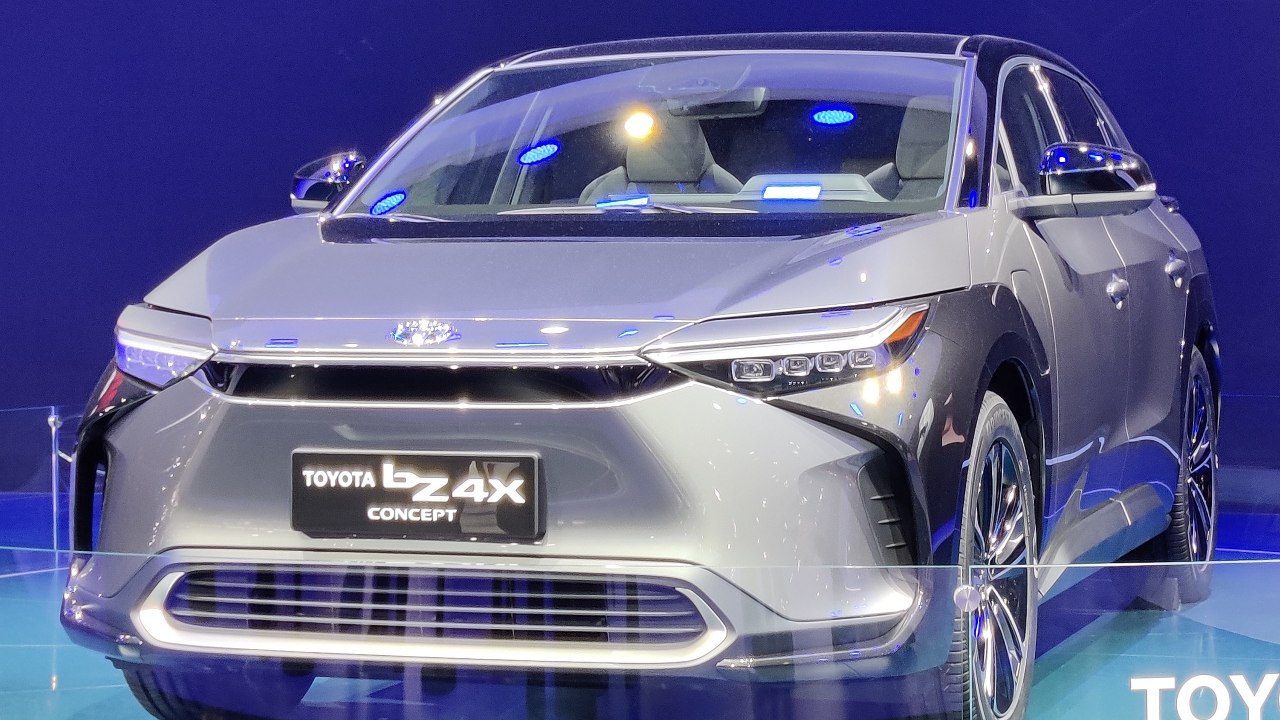
To understand why the C-HR’s pricing will sting rivals, I start with Toyota’s current electric benchmark. The company’s existing battery SUV, the bZ4X, is listed in dealer materials with a starting figure of $38,455, and that number appears again as $38,455 M in the same Toyota Electric Vehicle Lineup, underscoring how firmly it is set as the brand’s present EV floor. Any electric C-HR that undercuts that price, even modestly, would immediately become one of the most attainable electric SUVs from a major global automaker, and it would do so under a nameplate that many buyers already recognize.
Compact electric crossovers from other brands often start around or above that $38,455 mark, which leaves little room for them to maneuver if Toyota brings the C-HR in lower. Reporting on the C-HR’s arrival frames it explicitly as Toyota’s most affordable electric SUV, which implies a deliberate strategy to create a new price rung beneath the bZ4X. If Toyota can pair that lower entry point with competitive equipment and financing, it will put pressure on rivals that have leaned on higher pricing to offset battery costs, especially in markets where incentives are shrinking and consumers are becoming more price sensitive.
Range, performance, and how much is “enough”
Price alone will not win over skeptical buyers, so Toyota is also calibrating the C-HR’s range and performance to hit what I see as a pragmatic sweet spot. Company materials describing the broader EV lineup highlight models like the bZ Woodland SUV, which is positioned as a more powerful, all-wheel-drive option with 375 hp of combined system output and up to 260 miles of range. That vehicle clearly targets shoppers who want robust performance and all-weather capability, but it also sets an upper benchmark that the C-HR does not need to match to be compelling.
The C-HR, by contrast, is expected to focus on efficiency and urban usability rather than raw power. Reporting on Toyota’s newest EV notes that the 2026 C-HR has a manufacturer-estimated all-electric driving capability, placing it in the same general conversation as compact rivals like the Kia Niro EV, which is cited with a price of $39,600. By staying within that competitive range envelope while likely coming in below that price point, the C-HR can appeal to drivers who prioritize predictable daily range and manageable payments over high-output motors or off-road credentials.
How the C-HR fits into Toyota’s broader EV strategy
From my perspective, the C-HR’s real importance lies in how it reshapes Toyota’s electric portfolio rather than in any single specification. The current Toyota Electric Vehicle Lineup already includes the bZ4X with its $38,455 starting price, along with other electrified offerings that emphasize Key Features such as available all-wheel drive, advanced safety systems, and amenities like a glass roof with power sunshade. By inserting the C-HR beneath that structure, Toyota is effectively building a staircase into its EV range, giving cost-conscious buyers a clear first step that does not feel stripped down or experimental.
At the same time, Toyota is fleshing out the upper end of its electric SUV family with models like the bZ Woodland SUV, which is described in official materials as a powerful all-electric vehicle with Standard All-Wheel Drive and a combined system output of 375 hp, along with an estimated driving range of up to 260 miles. That creates a spectrum: the Woodland SUV for buyers who want capability and performance, the bZ4X as a mainstream midsize option, and the C-HR as the entry-level electric SUV. In that context, the C-HR is not an isolated product but a strategic anchor that allows Toyota to compete across multiple price bands without abandoning its reputation for value.
What this means for shoppers and the market
For shoppers, the arrival of Toyota’s cheapest electric SUV means that the decision to go electric is less likely to be derailed by sticker shock. A buyer cross-shopping a gas compact crossover with an EV equivalent will now see a Toyota option that undercuts the $38,455 threshold set by the bZ4X, while still benefiting from the same dealer network, warranty support, and brand familiarity. The fact that early coverage of the C-HR has already attracted 58 Comments underlines how much attention this price-focused strategy is drawing among potential customers and enthusiasts.
For the broader market, I expect the C-HR to accelerate a shift toward more aggressively priced electric crossovers, particularly as other automakers respond to Toyota’s move. If a mainstream brand can deliver a compact electric SUV that is cheaper than many current offerings yet still offers a credible range and the backing of a large service network, it will be difficult for rivals to justify higher prices without adding substantial extra value. As Toyota, through models like the C-HR, the bZ4X, and the Woodland SUV, continues to expand its electric footprint, the competitive bar for what constitutes an “affordable” EV will rise, and that is likely to benefit buyers far beyond Toyota’s own showrooms.
More from Fast Lane Only