When it comes to Tri-Five Chevys, everyone remembers the Bel Airs, the chrome, and the fins. But the factory color combos? That’s where things get interesting. Between 1955 and 1957, Chevrolet offered dozens of two-tone and tri-tone options—some common, others nearly mythical today.
While red and white cars seem to be everywhere at shows, the rarest paint codes tell a deeper story. These weren’t always the flashiest, but they’re the hardest to find today—especially with matching trim and factory-correct interiors. For collectors, these combos are more than colors. They’re clues to forgotten factory orders and a visual fingerprint from the era.
1. 1955 Regal Turquoise and India Ivory

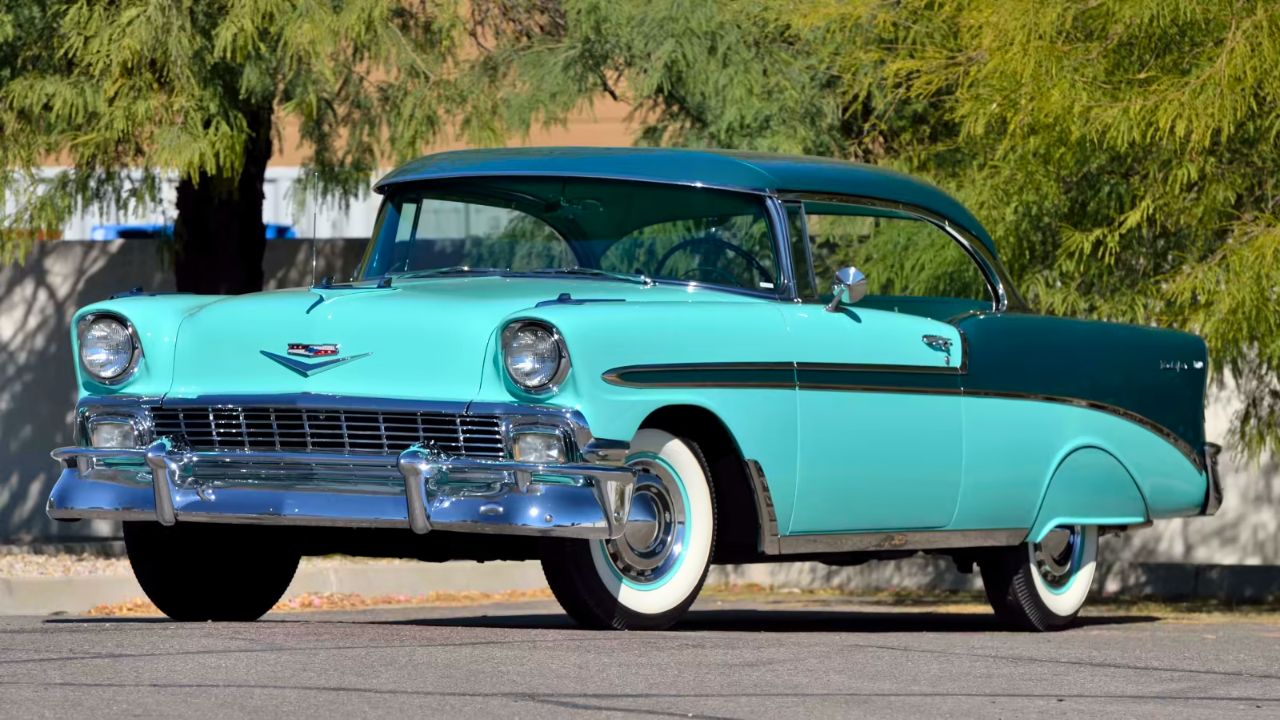
This two-tone combo was technically available but rarely ordered in 1955. Regal Turquoise debuted midyear and was more common on 1956 cars, making ’55 models with this paint and matching turquoise interior very difficult to find.
On a Bel Air hardtop, this combo came alive with bright trim and chrome spears that divided the turquoise lower body from the ivory roof and rear quarters. Today, it’s one of the most sought-after color codes among serious Tri-Five restorers.
2. 1956 Pinecrest Green and Crocus Yellow
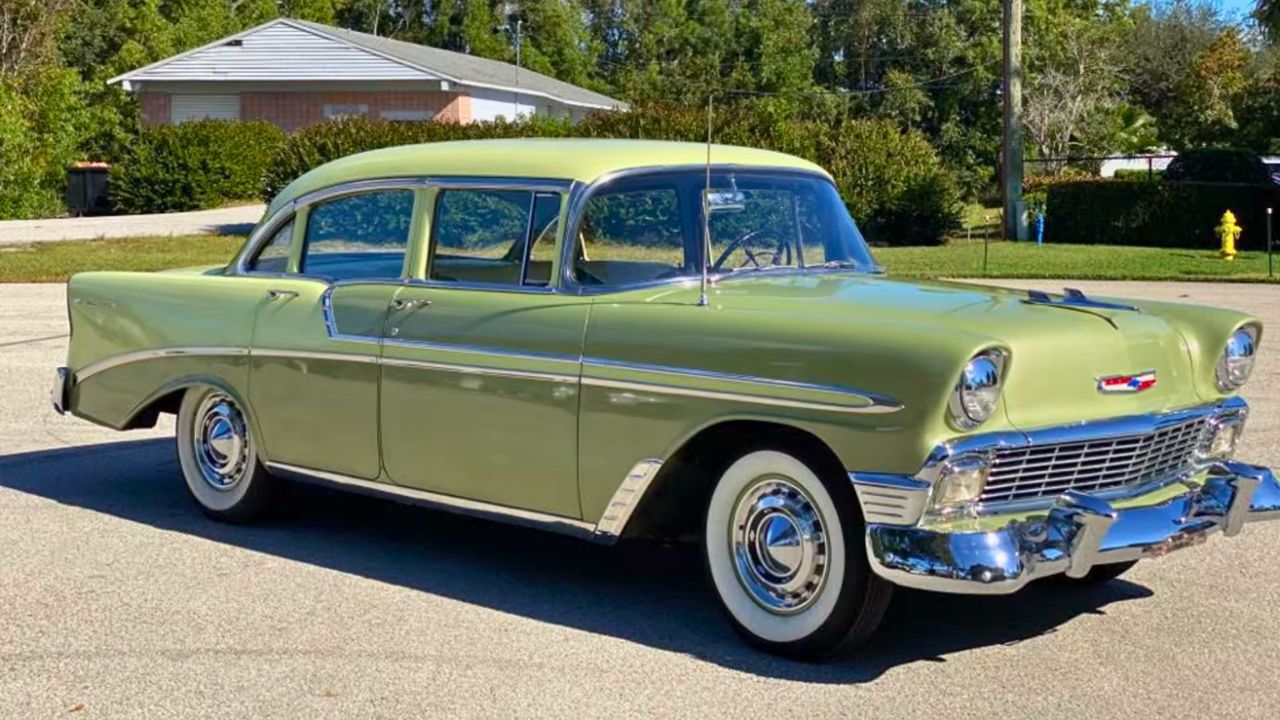
This loud pairing wasn’t for the shy crowd. Pinecrest Green on the bottom with Crocus Yellow above was part of a special color chart and mostly seen on sedans or wagons, often with green and yellow interior inserts.
It’s rare today because many buyers opted for more conservative combos. The few survivors stand out like a neon sign at a drive-in. Original cars with factory code 721 are almost impossible to come by—and restoration parts in those shades aren’t easy to find.
3. 1955 Coral and Shadow Gray
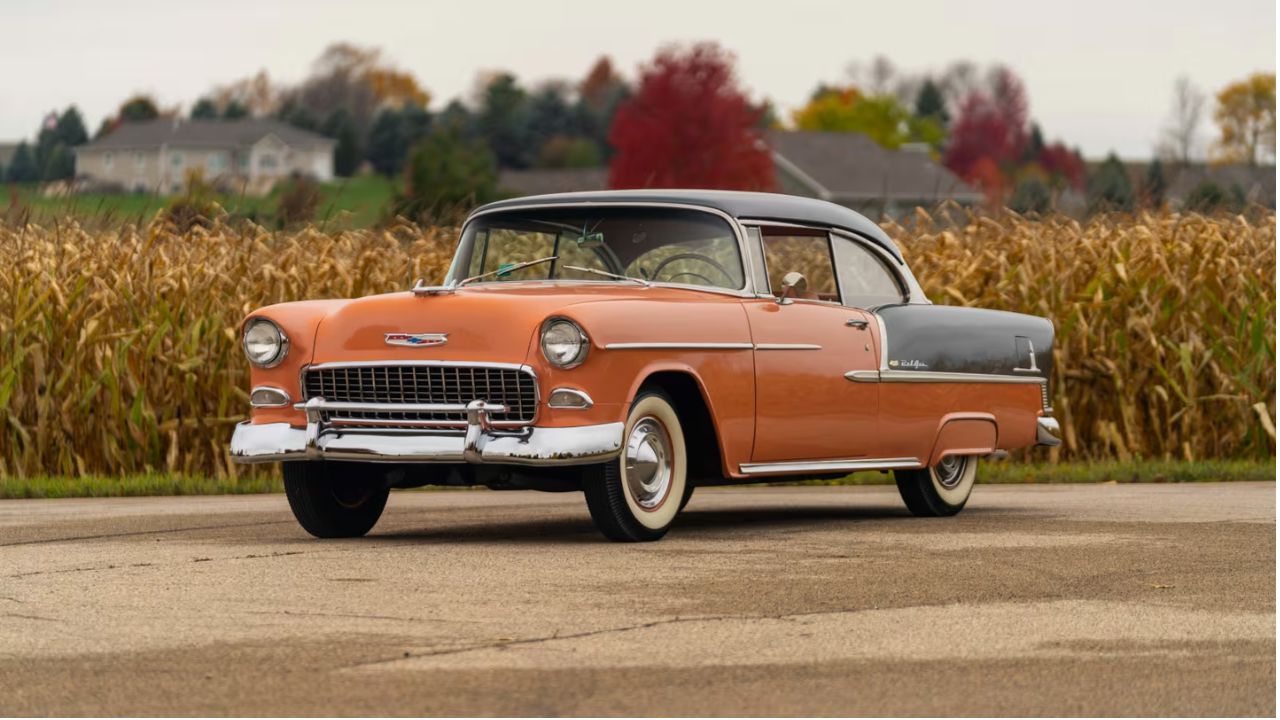
Coral was an unusual pinkish-orange offered on 1955 Bel Airs and 210s. Paired with Shadow Gray, the combo created a high-contrast, almost moody effect. It wasn’t popular in its day, but collectors love it now for its bold vintage look.
The color split along the beltline gave the Coral a warm, lower glow, while the Shadow Gray top added weight and presence. Most Coral cars were repainted other colors over the years, making original examples a unicorn-level find.
4. 1957 Dusk Pearl and Imperial Ivory
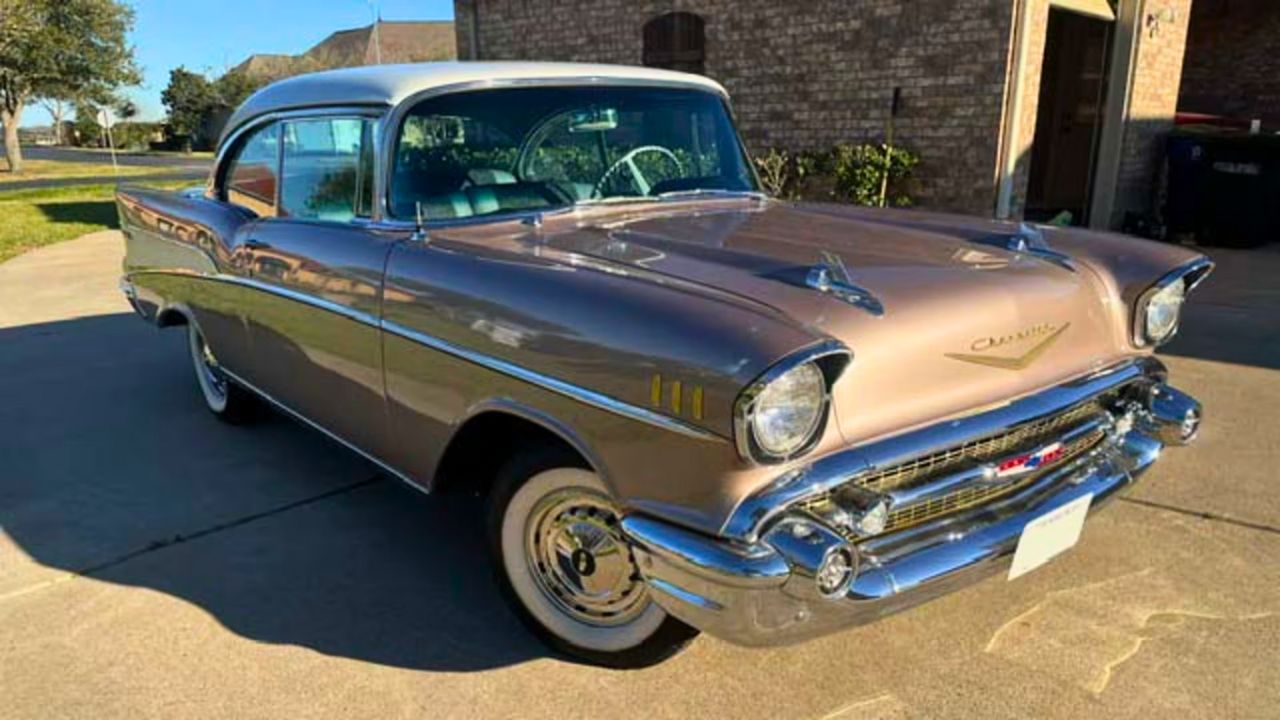
Offered exclusively in 1957, Dusk Pearl had a soft pinkish-lavender tone that turned heads even when clean. When paired with Imperial Ivory and a matching silver/black interior, it created one of the most elegant looks of the Tri-Five era.
Dusk Pearl was a one-year-only offering and few cars were ordered this way, likely due to its unusual tone. But those that survive are instantly recognizable—and usually command a premium at auction, especially in Bel Air convertible trim.
5. 1956 India Ivory and Nassau Blue
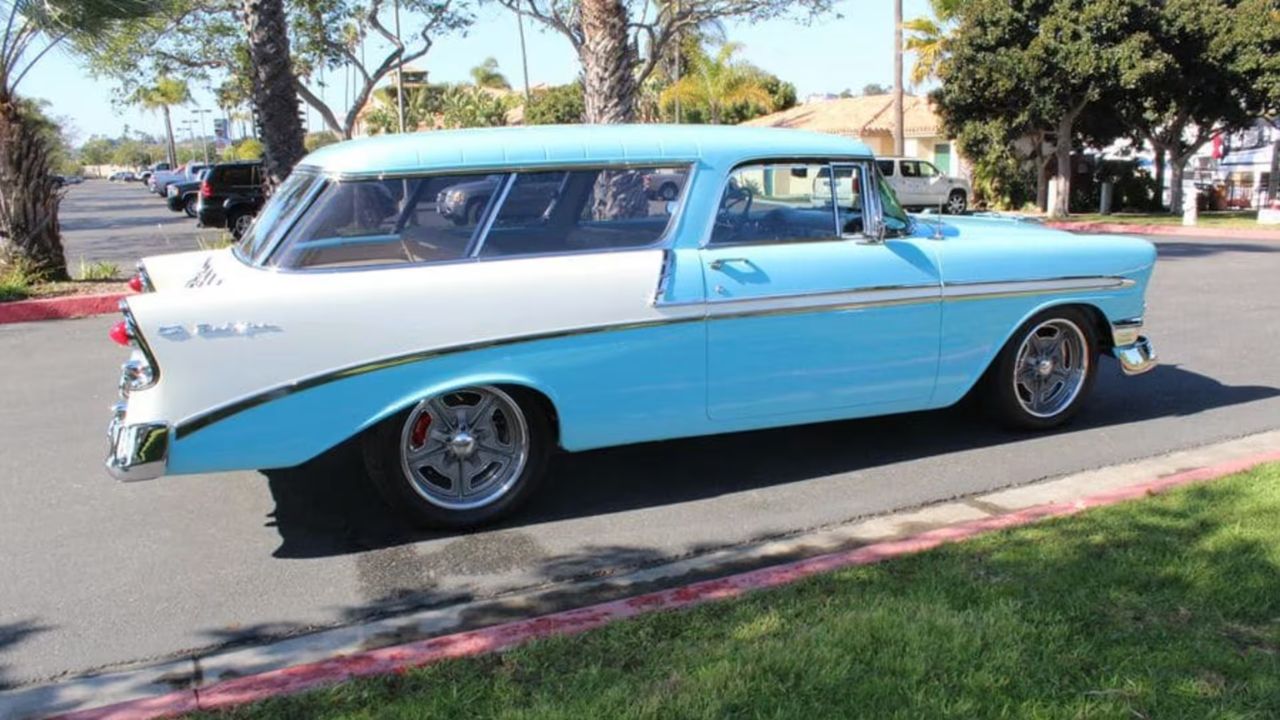
One of the most overlooked rare combos is India Ivory over Nassau Blue, code 717. This was more common in southern and coastal markets where bright colors were favored—but still built in low volume overall.
On 150 and 210 models, it gave off a sporty yet classy look—especially with blue vinyl interiors. It rarely shows up today outside of carefully restored examples with period-correct seat patterns and dash trim.
6. 1955 Neptune Green and Sea Mist Green

Green-on-green wasn’t everyone’s first choice in 1955, but Neptune and Sea Mist combined to make a subtle yet luxurious combo. It was more commonly seen on four-doors and wagons than on Bel Air hardtops, which adds to its rarity.
The light-over-dark layout emphasized the length of the car and looked especially sharp under bright sunlight. Interiors with matching green cloth inserts and dark green dash tops were uncommon—and even rarer to find intact today.
7. 1957 Sierra Gold and Adobe Beige

A warm and classy combination, Sierra Gold with Adobe Beige was only offered for ’57. It wasn’t the flashiest, but it captured the era’s upscale feel, especially on hardtops with gold-anodized V trim and matching gold interiors.
Because this combo skewed toward older buyers, fewer were preserved as performance cars. That means original ’57 Bel Airs in this combo—especially with a 283 Power Pack or fuel injection—are rare and often overlooked by younger collectors.
8. 1956 Onyx Black and Crocus Yellow
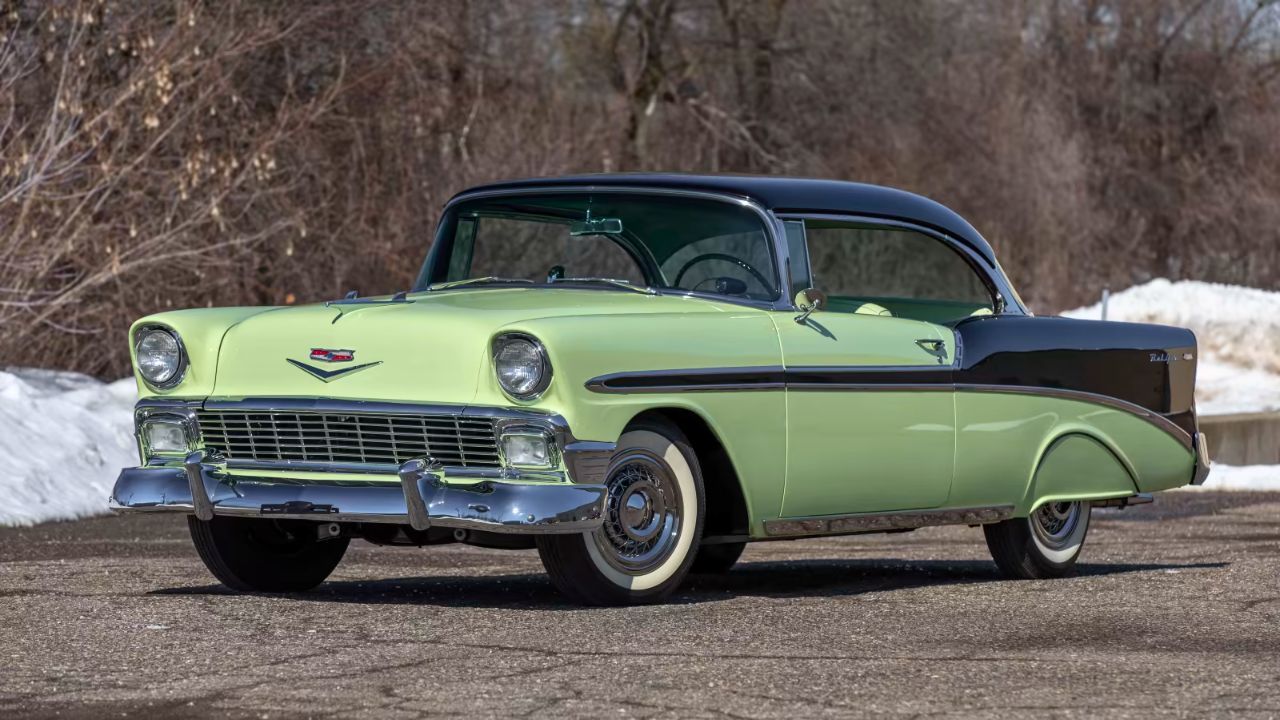
You’d think a high-contrast black-and-yellow car would be popular, but it wasn’t. Factory code 726 was rarely chosen due to its boldness, and most were seen on lower-trim 210s rather than Bel Airs.
When restored correctly with matching yellow-and-black interiors and polished stainless trim, the combo looks stunning. But finding an original, unmolested example? That’s like hitting the paint-code lottery.
9. 1957 Canyon Coral and India Ivory
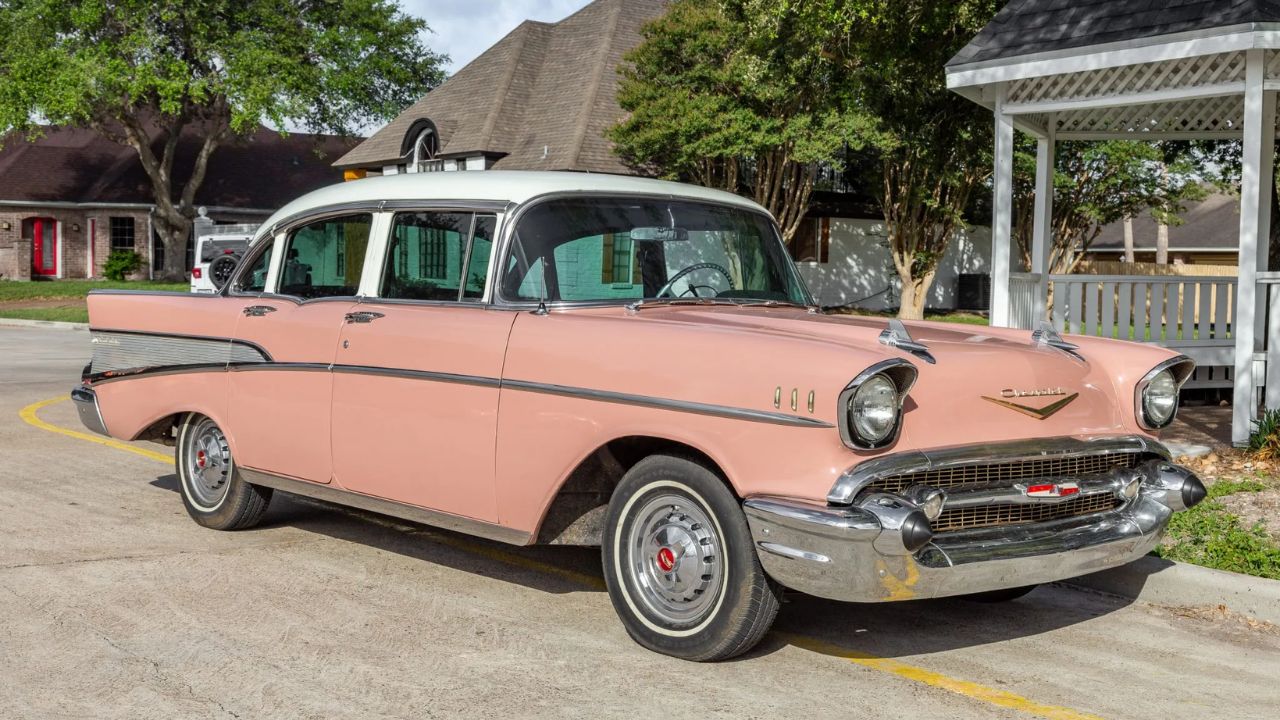
Canyon Coral was one of the most eye-catching colors of the era—a vivid pinkish orange that stood out anywhere. When paired with India Ivory, it offered a tropical, almost beach cruiser vibe.
Despite its visual appeal, many original Canyon Coral cars were repainted over the years as tastes changed. Few survive with factory paint or original interior trim. It’s become a favorite among high-end restorers looking to stand out without straying from factory options
Like what you read? Here’s more by us:
*Created with AI assistance and editor review.