Turbocharged cars from Europe and Japan in the 1970s to 2000s pushed boundaries with wild power and unconventional designs, often defying expectations for their time. These overseas machines brought forced induction to the masses, outrunning bigger engines with smaller, boosted ones. Here are eight turbo cars, with specs and details, that bent performance rules and left a mark on car history.
1977 Porsche 911 Turbo (930)
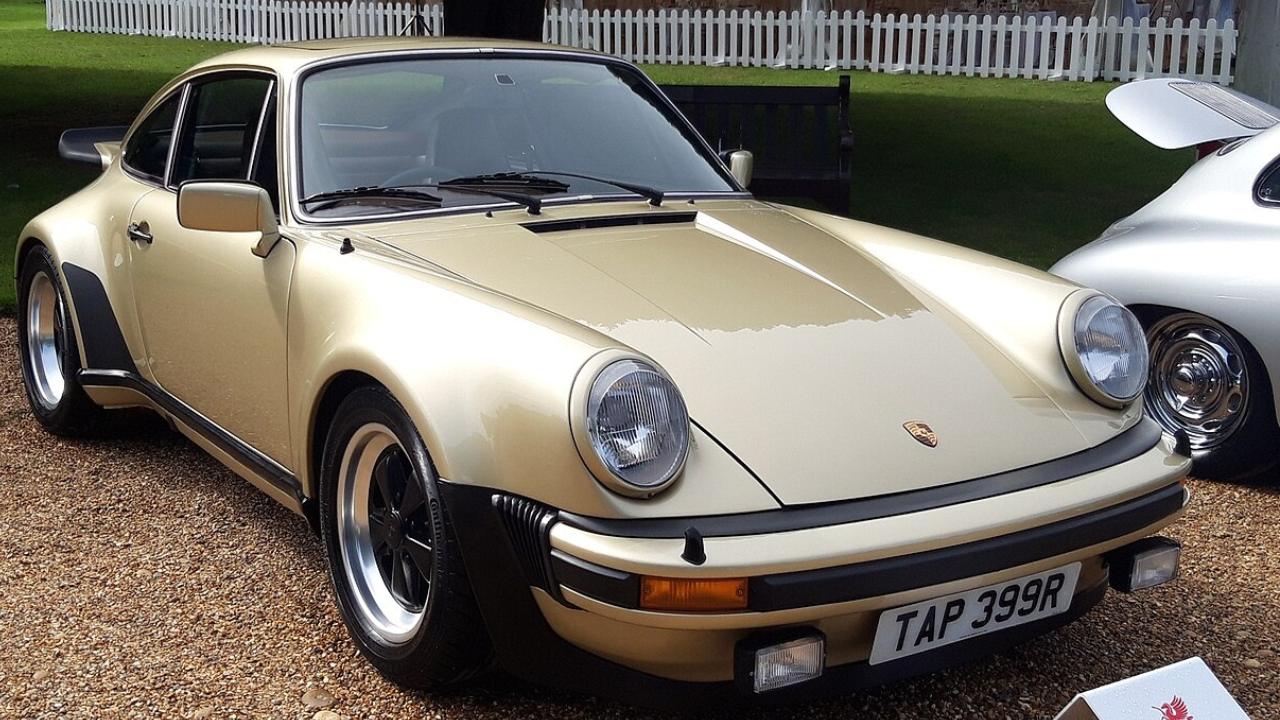
The 1977 Porsche 930 packed a 3.0L turbo flat-six with 260 hp, hitting 0–60 in ~5.5 seconds and 155 mph. Its 89.4-inch wheelbase and 2,800-pound body were nimble. The interior had leather seats and a simple dash. It’s massive turbo lag and tail-happy handling scared drivers, but it outran V8s. Values now hit $100,000–$200,000.
The 930’s wide fenders and whale-tail spoiler gave it a subtle menace, but its unpredictable boost was a rule-breaker. Early turbos were raw, demanding skilled drivers to tame the sudden power surge. It set the stage for modern supercars, proving small engines could dominate.
1978 Saab 99 Turbo
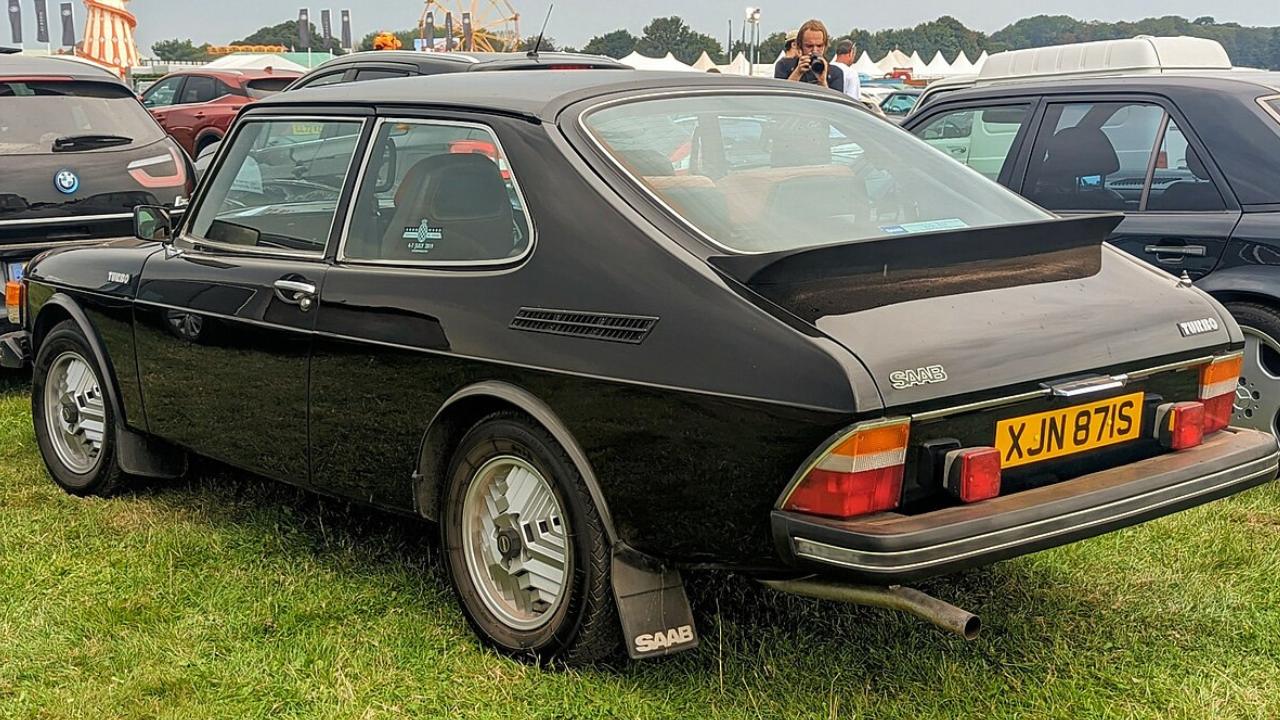
The 1978 Saab 99 Turbo used a 2.0L turbo I4 with 135 hp, reaching 0–60 in ~9 seconds and 120 mph. Its 98.9-inch wheelbase and 2,600-pound body were boxy. The interior featured cloth seats and a quirky dash layout. Around 10,000 were built. It’s front-wheel-drive turbo setup was rare, beating V6s. Values hit $15,000–$25,000.
Saab made turbos practical for daily drivers, a game-changer in the late ’70s. The 99’s boost gave it sports car pace in a family sedan package, defying convention. Its odd styling and Swedish engineering didn’t scream speed, but it delivered.
1983 Audi Quattro
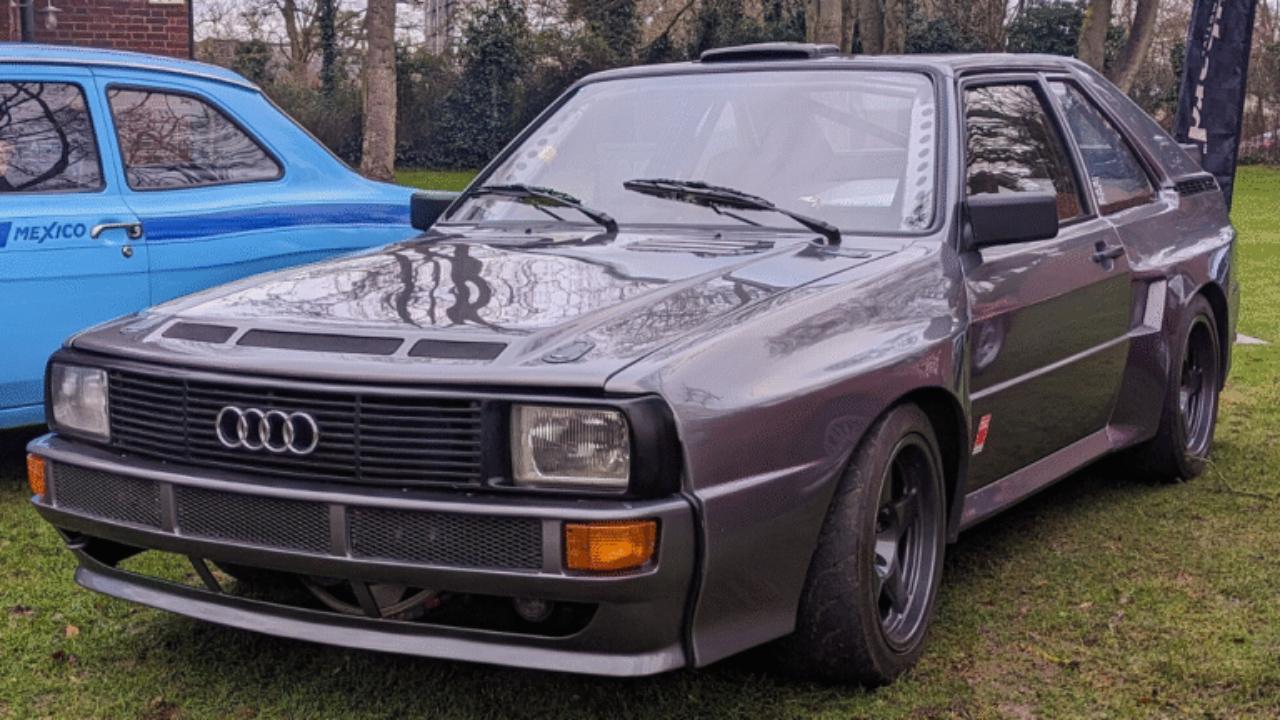
The 1983 Audi Quattro had a 2.1L turbo I5 with 200 hp, hitting 0–60 in ~7 seconds and 135 mph. Its 99.8-inch wheelbase and 2,900-pound body used all-wheel drive. The interior had sport seats and analog gauges. About 11,452 were built. It’s rally-bred grip and power stunned competitors. Values are $40,000–$70,000.
The Quattro’s all-wheel-drive system broke rules by dominating rally stages and streets. Its turbo I5 delivered power V8s struggled to match, and its plain looks hid race-ready tech. It was a performance pioneer that few saw coming.
1986 Toyota MR2 W10
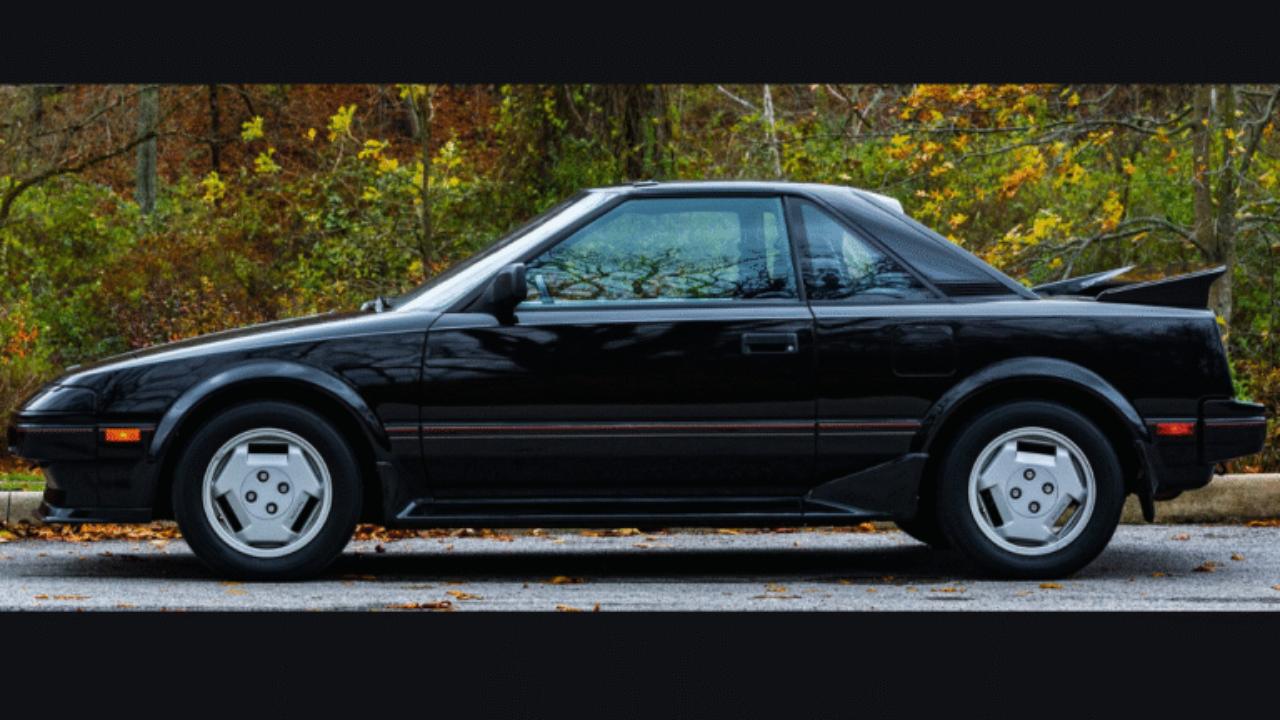
The 1986 MR2 W10 used a 1.6L supercharged I4 (not turbo, but rule-breaking) with 145 hp, hitting 0–60 in ~8 seconds and 125 mph. Its 91.3-inch wheelbase and 2,400-pound body were mid-engined. The interior had cloth buckets and a compact dash. About 20,000 were sold, per Toyota. It’s lightweight chassis outran bigger engines. Values hit $15,000–$30,000.
The MR2’s supercharged heart and mid-engine layout defied econo-car norms. Toyota took a cheap platform and made a mini-supercar, rivaling V8s with less power. Its handling was razor-sharp, per MotorTrend, and its forced induction pushed boundaries for small cars. It’s a cult classic for a reason.
1991 Lotus Elan M100
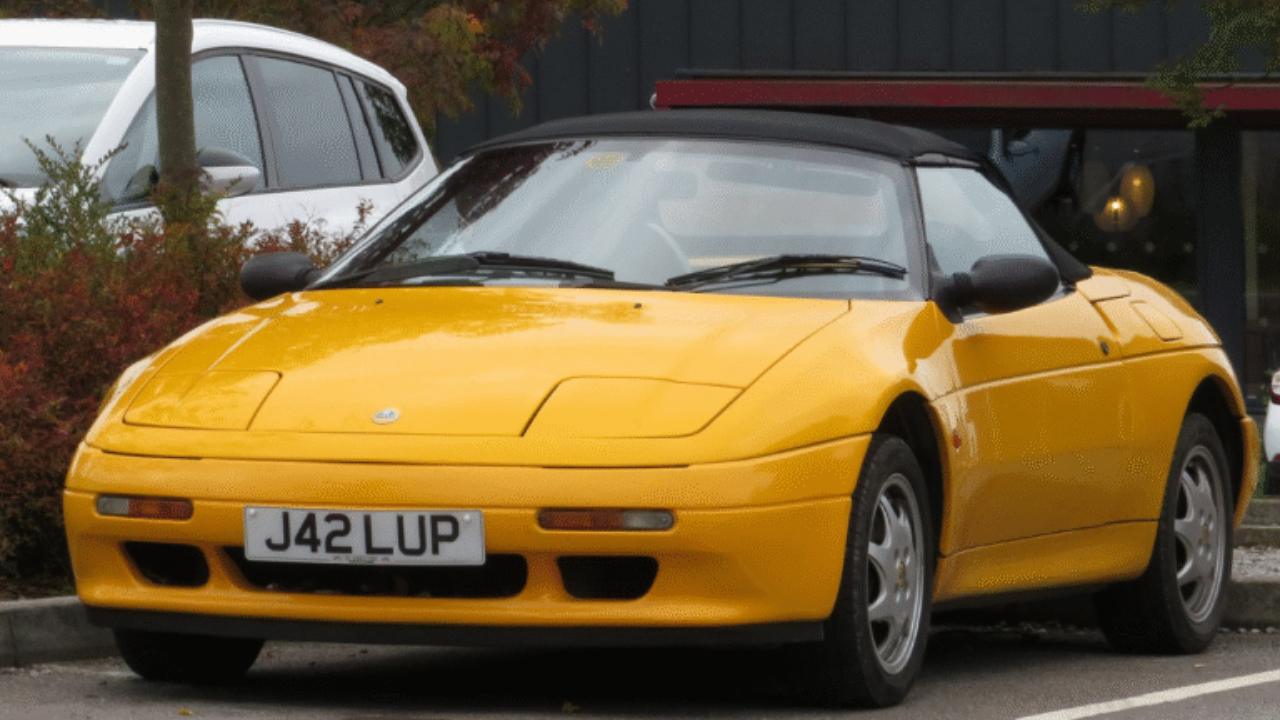
The 1991 Lotus Elan M100 had a 1.6L turbo I4 with 165 hp, hitting 0–60 in ~6.5 seconds and 135 mph. Its 88.6-inch wheelbase and 2,249-pound body were featherlight. The interior featured cloth seats and a minimalist dash. It’s front-wheel drive shocked Lotus purists but flew. Values are $20,000–$35,000.
The Elan’s turbo and front-drive setup broke Lotus’s rear-drive tradition, yet it handled like a dream. Its Isuzu engine outran heavier V8s, per Hagerty, proving small could be mighty. The lightweight chassis made it a corner-carver, but high costs ($33,900) limited sales. It’s a forgotten rule-breaker.
1992 Ford Escort RS Cosworth
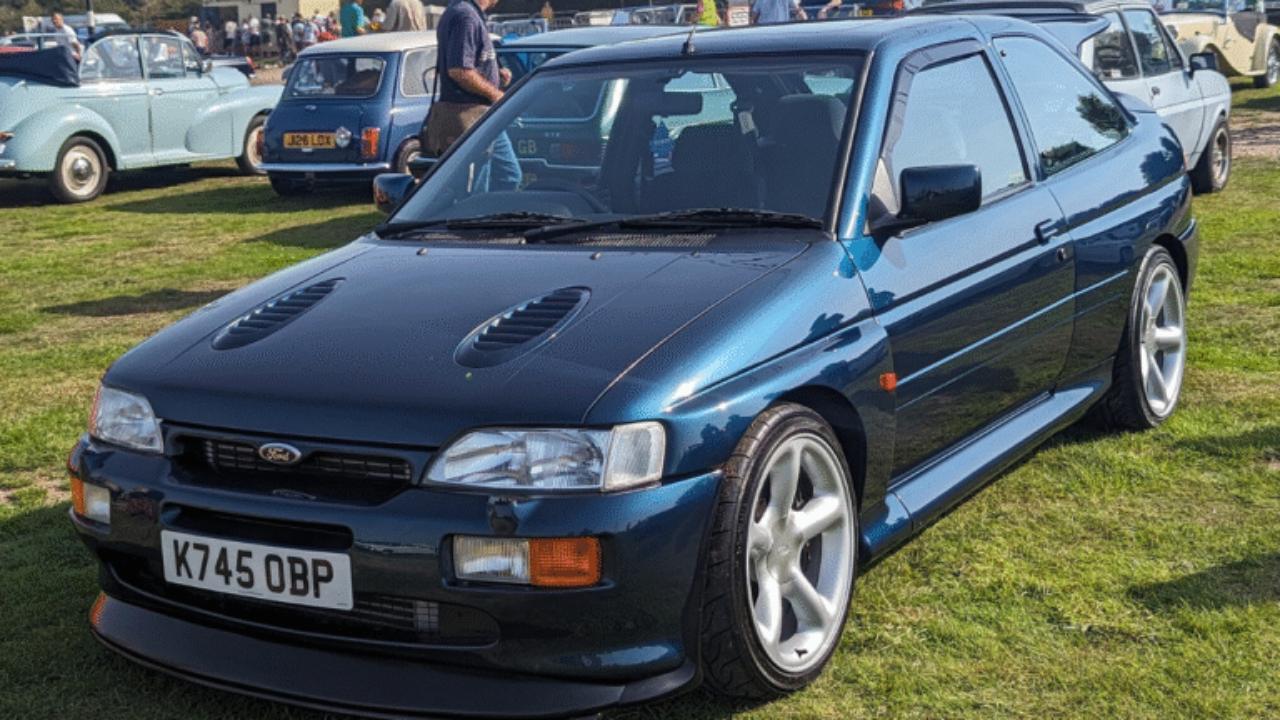
The 1992 Escort RS Cosworth used a 2.0L turbo I4 with 227 hp, hitting 0–60 in ~5.7 seconds and 140 mph. Its 100.8-inch wheelbase and 2,800-pound body had AWD. The interior had Recaro seats and a rally dash. About 7,145 were built, per Ford. Its rally roots crushed V8s. Values hit $50,000–$80,000.
Built for Group A rally, the Cosworth’s turbo and AWD made it a street monster. Its plain Escort shell hid insane power, outpacing Mustangs. Ford’s rally tech trickled down, per CarBuzz, redefining what a compact could do. It’s a rare icon today, often underappreciated.
1994 Mitsubishi 3000GT VR-4
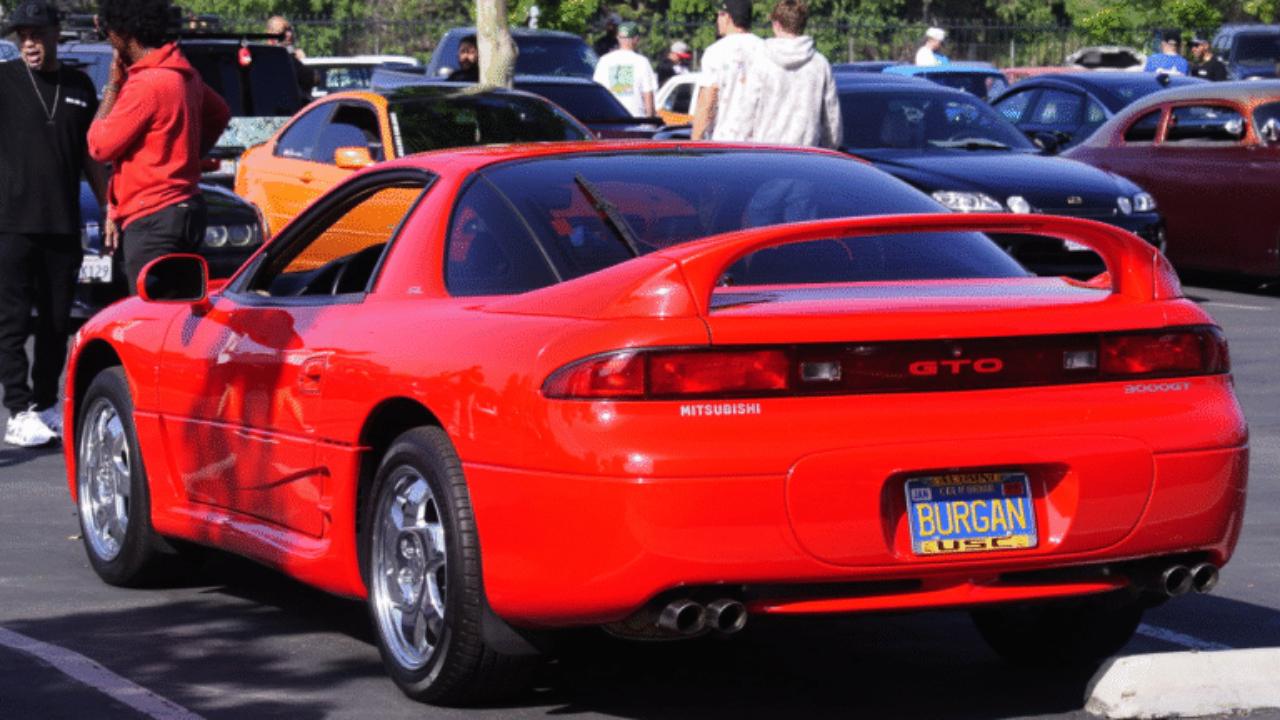
The 1994 3000GT VR-4 had a 3.0L twin-turbo V6 with 320 hp, hitting 0–60 in ~5 seconds and 155 mph. Its 97.2-inch wheelbase and 3,800-pound body used AWD. The interior featured leather and digital gauges. About 2,800 VR-4s were sold yearly, per Mitsubishi. Its tech-heavy setup beat V8s. Values are $25,000–$40,000.
The VR-4’s twin-turbo, AWD, and four-wheel steering broke rules for Japanese coupes. It matched Corvette pace in a subtle package, per MotorTrend. High maintenance costs scared buyers, but its advanced engineering was unmatched. Mitsubishi’s gamble made it a sleeper legend.
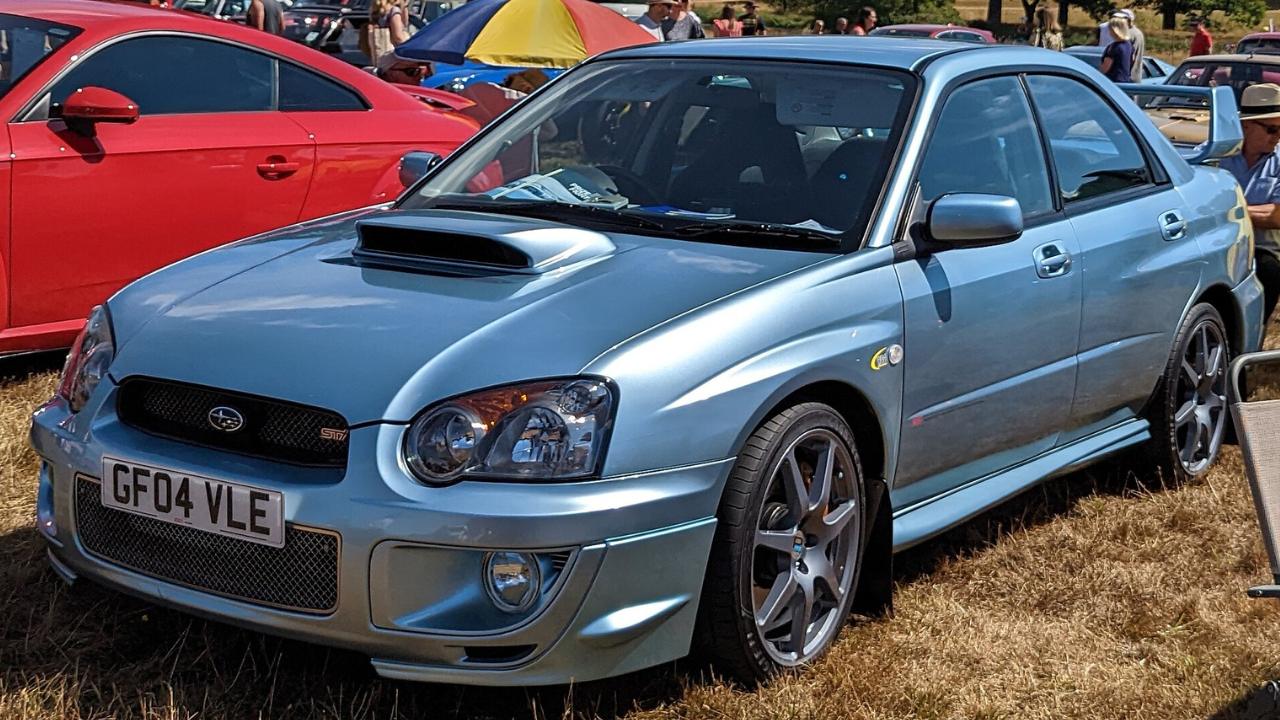
2004 Subaru Impreza WRX STi
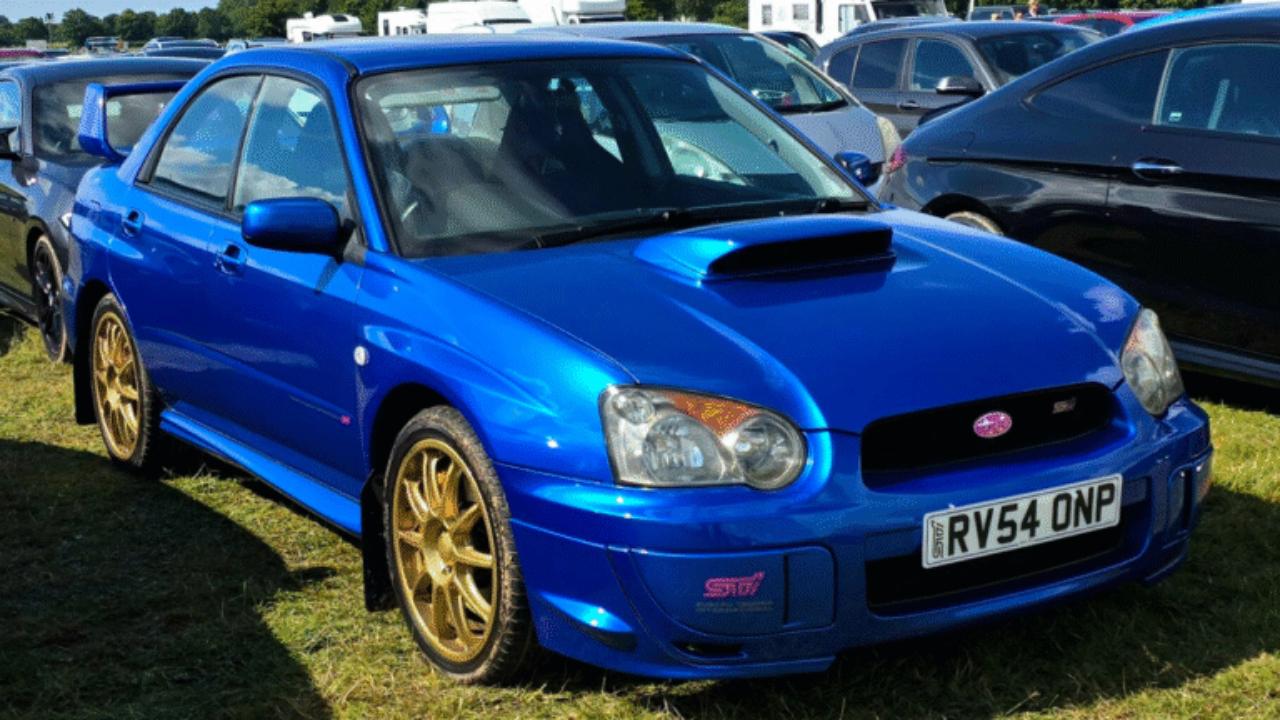
The 2004 WRX STi used a 2.5L turbo I4 with 300 hp, hitting 0–60 in ~4.8 seconds and 150 mph. Its 100-inch wheelbase and 3,300-pound body had AWD. The interior had suede seats and a manual shifter. About 5,000 were sold yearly, per Subaru. Its rally-bred power stunned V8s. Values hit $20,000–$35,000.
The STi’s boxy sedan look hid a rally monster that outran muscle cars. Its turbo and AWD combo, per Hotcars.com, made it a performance bargain. Subaru’s focus on grip and boost redefined compacts, leaving bigger engines in the dust. It’s a modern classic.
Like Fast Lane Only’s content? Be sure to follow us.
Here’s more from us:
*Created with AI assistance and editor review.