For decades, the assumption was simple: smaller cars were quicker, more agile, and better suited for performance driving. Yet, Pontiac spent much of the 1960s and early 1970s dismantling that belief. Its full-size models — often dismissed as heavy family haulers — had the power, engineering, and presence to outpace expectations, sometimes even outrunning their smaller counterparts. The story of how these big Pontiacs earned their speed credentials is as much about innovation as it is about muscle.
The Engineering Behind Pontiac’s Power
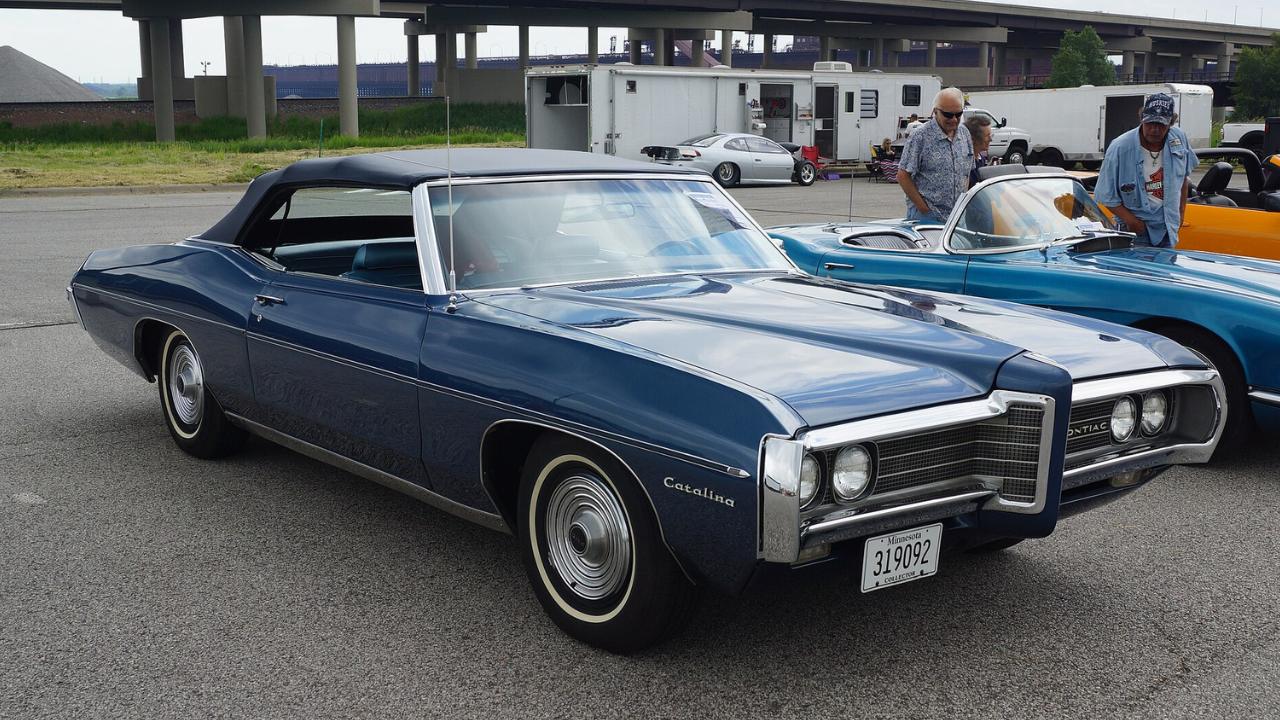
The heart of Pontiac’s full-size performance lay in its engines. Pontiac engineers developed powerful V8s — including the 389, 421, 428, and later 455 cubic-inch versions — that delivered serious horsepower and torque. These engines allowed large Pontiacs to post acceleration times on par with smaller performance cars.
Performance-focused innovations complemented this raw power. Revised suspension designs, better weight distribution, and stronger transmissions made sure that all that power reached the pavement efficiently. The result was a lineup of full-size cars that offered both muscle and manageable handling, challenging the belief that bigger cars had to be slower.
Cultural and Market Influences
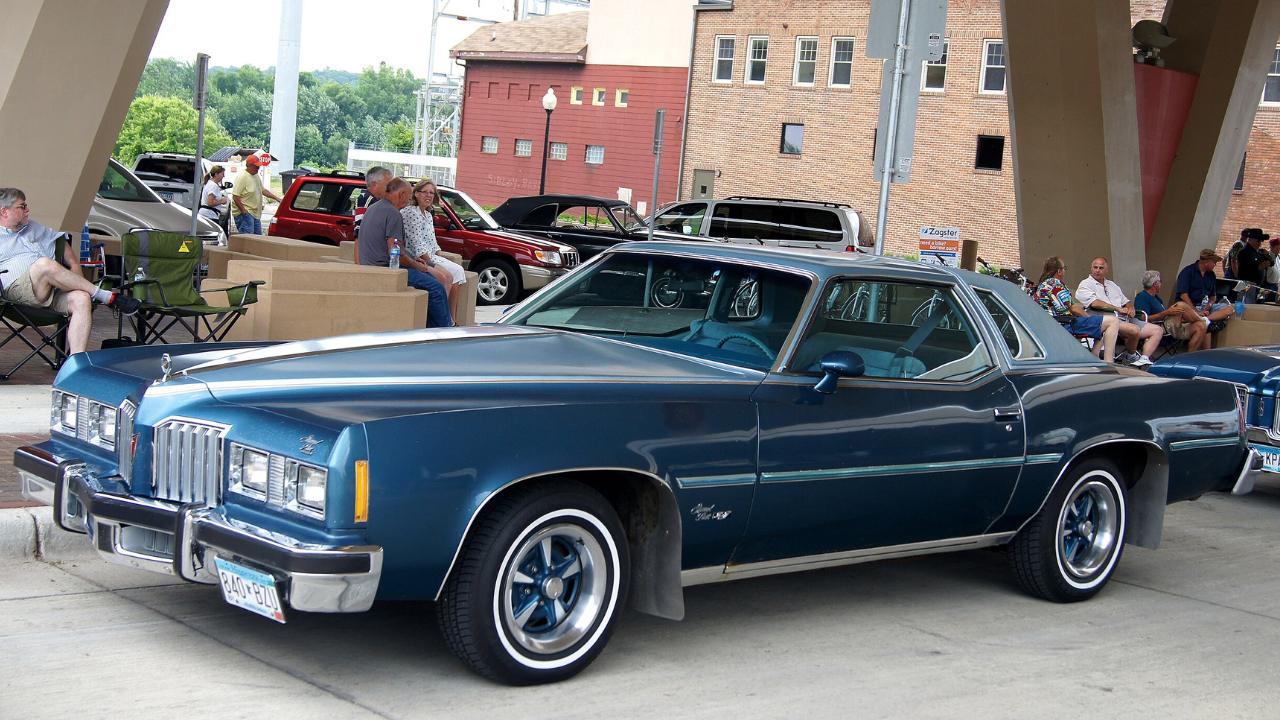
In the 1960s and early 1970s, American car buyers wanted vehicles that combined size, comfort, and speed. Pontiac tapped into this demand, offering full-size models that delivered luxury and performance in one package.
As the “performance division” of General Motors, Pontiac had a reputation to uphold. This identity shaped the design and marketing of its full-size lineup, positioning cars like the Bonneville, Catalina, and Grand Prix as more than just large family sedans — they were statements of power and prestige.
Big vs. Small: The Performance Trade-Off
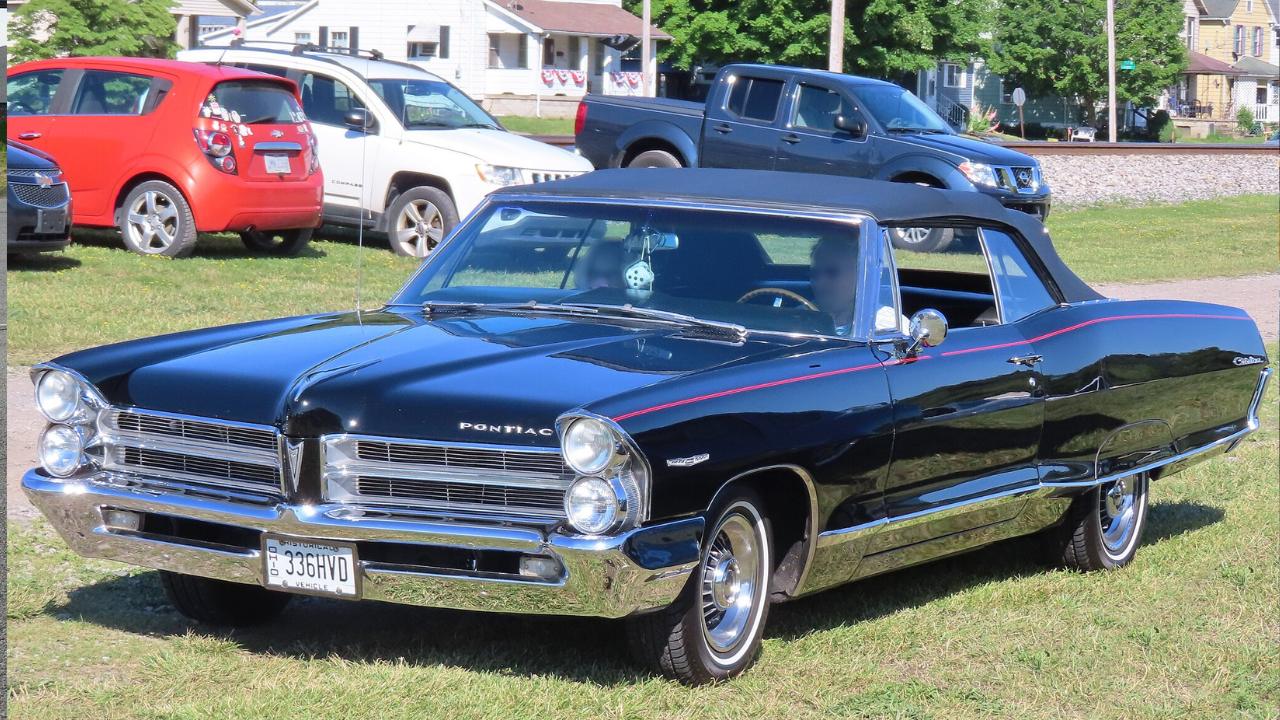
Smaller cars had the advantage of lighter weight, but Pontiac’s full-size models countered with superior power-to-weight ratios in certain configurations. Engines like the 421 HO or 428 could push these big cars through the quarter mile in the mid-14-second range, a match for many respected muscle cars of the era.
Their size brought another advantage: high-speed stability. The long wheelbase and extra weight provided composure at highway speeds, something smaller cars often lacked. This stability, combined with straight-line performance, gave Pontiac’s big cars an edge in real-world driving.
The Legacy of Pontiac’s Full-Size Lineup
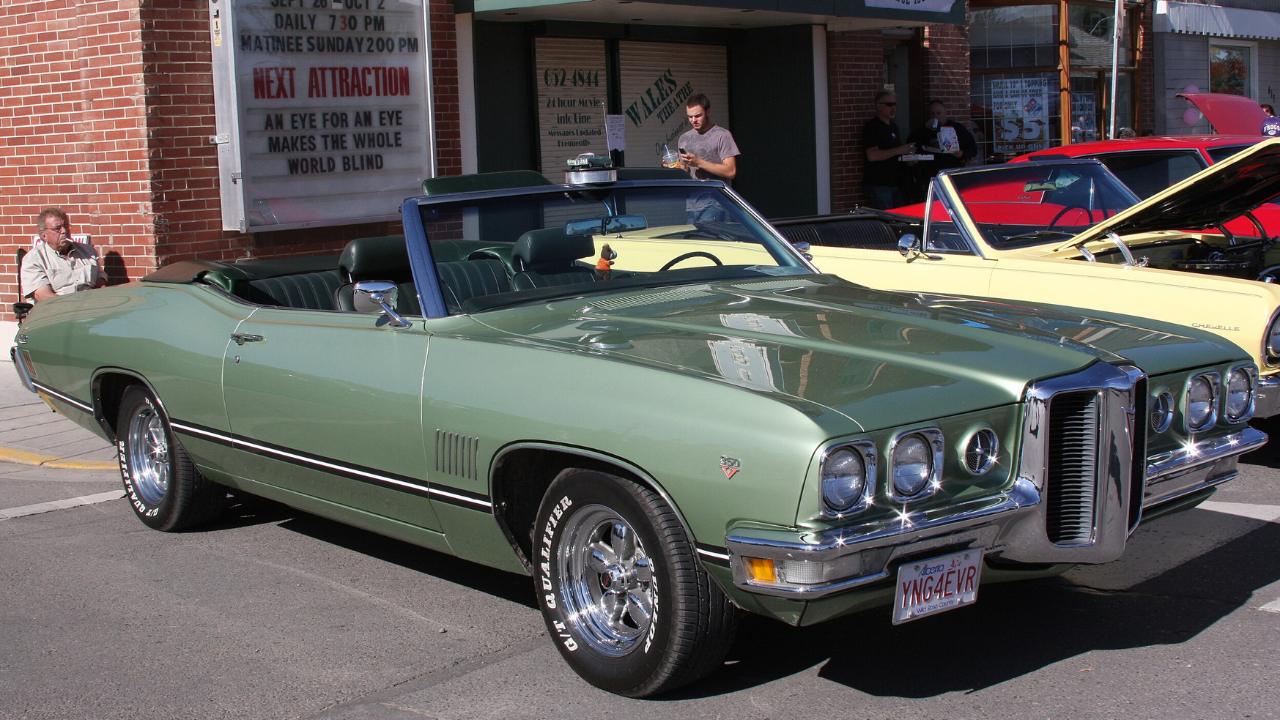
Pontiac’s full-size lineup left its mark with models like the Bonneville and Catalina becoming benchmarks for full-size performance. These cars showed that luxury and muscle could coexist, influencing the direction of performance sedans and coupes for decades to come.
The engineering advances from these models — suspension tuning, drivetrain durability, and improved aerodynamics — found their way into future GM products and inspired competing brands to rethink what a large car could do.
Pontiac’s Role in Automotive History
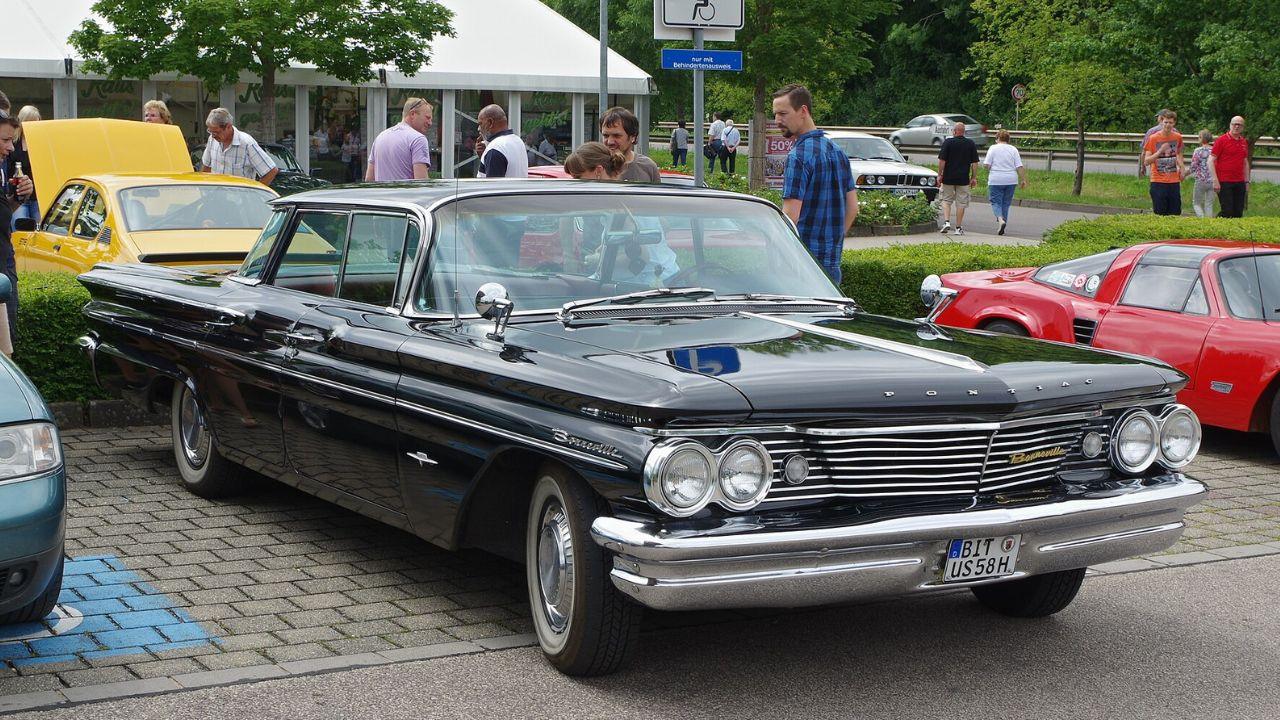
Pontiac played a pivotal role in proving that size didn’t have to limit speed. Its full-size performance cars challenged the norms of the era, pushing the boundaries of what was possible in a big-bodied platform.
That influence still resonates. Modern performance sedans owe something to Pontiac’s approach of blending space, comfort, and serious power. While the brand is gone, its contribution to car culture lives on through the enthusiasts who preserve and celebrate these full-size legends.
Like Fast Lane Only’s content? Be sure to follow us.
Here’s more from us:
*Created with AI assistance and editor review.